Tư thế Con Thuyền (Navasana) là một tư thế yoga ngồi mạnh mẽ giúp tăng cường sức mạnh vùng cơ trung tâm, cải thiện khả năng giữ thăng bằng và nâng cao nhận thức về cơ thể. Trong tư thế này, cơ thể tạo thành hình chữ “V” khi bạn giữ thăng bằng trên hai xương ngồi, nâng chân lên và duỗi tay về phía trước. Mặc dù thường được xem là tư thế yoga từ trung cấp đến tư thế yoga nâng cao, một yogi mới tập vẫn có thể thực hành các biến thể đơn giản hơn để dần dần xây dựng sức mạnh và sự ổn định.
Thực hành Tư thế Con Thuyền thường xuyên giúp phát triển vùng cơ bụng khỏe mạnh, từ đó hỗ trợ cải thiện tư thế cơ thể, giảm nguy cơ đau lưng và nâng cao hiệu quả vận động tổng thể. Hãy cùng tìm hiểu cách thực hiện Tư thế Con Thuyền đúng kỹ thuật, những lợi ích quan trọng của tư thế này, cũng như các mẹo hữu ích giúp người mới bắt đầu tiếp cận tư thế dễ dàng hơn.
Tư thế Con Thuyền (Navasana) là gì?
Tư thế Con Thuyền, còn được gọi là Paripurna Navasana, có tên gọi bắt nguồn từ hình dạng cơ thể khi thực hiện tư thế, trông giống như một chiếc thuyền đang giữ thăng bằng trên mặt nước. Khi thực hiện, bạn ngồi thẳng lưng, hơi ngả người ra sau, nâng chân lên và duỗi tay về phía trước đồng thời kích hoạt các cơ vùng trung tâm.
Tư thế này chủ yếu tác động đến nhóm cơ trung tâm, bao gồm cơ bụng, cơ gấp hông và các cơ vùng lưng dưới. Ngoài ra, tư thế cũng kích hoạt cơ tay và cơ chân để giúp duy trì sự cân bằng và ổn định. Do yêu cầu sự tập trung và kiểm soát nhịp thở, tư thế này còn giúp tăng khả năng tập trung tinh thần và nâng cao nhận thức về cơ thể.

Cách thực hiện Tư thế Con Thuyền từng bước
Tư thế Con Thuyền (Navasana) đòi hỏi sự kết hợp giữa sức mạnh của vùng cơ trung tâm, khả năng giữ thăng bằng và sự căn chỉnh đúng của cột sống. Di chuyển vào tư thế một cách chậm rãi và có ý thức sẽ giúp bạn duy trì sự ổn định và tránh tạo áp lực không cần thiết lên vùng lưng dưới hoặc cổ. Hãy thực hiện theo các bước sau để tập Tư thế Con Thuyền một cách an toàn và đúng kỹ thuật:
- Bắt đầu ở tư thế ngồi trên thảm tập yoga, hai chân duỗi thẳng về phía trước và bàn chân khép lại. Ngồi thẳng lưng, kéo dài cột sống và thả lỏng vai.
- Đặt hai tay xuống sàn hơi phía sau hông, các đầu ngón tay hướng về phía trước. Nhẹ nhàng ấn tay xuống thảm để nâng ngực lên và mở rộng vùng xương đòn.
- Hơi ngả thân người ra sau trong khi vẫn giữ lưng thẳng và ngực nâng cao. Tránh làm cong cột sống, hãy tưởng tượng kéo dài cơ thể qua đỉnh đầu.
- Gập đầu gối và nâng bàn chân lên khỏi sàn, đưa cẳng chân gần song song với mặt đất. Giữ thăng bằng trên hai xương ngồi và xương cụt.
- Nâng đùi lên khoảng 45 độ so với mặt sàn trong khi vẫn siết chặt vùng cơ trung tâm. Giữ cột sống kéo dài và tránh dồn lực vào lưng dưới.
- Duỗi hai tay về phía trước dọc theo hai chân, giữ tay song song với sàn, lòng bàn tay hướng vào trong hoặc hướng vào nhau. Thả lỏng vai, tránh nhấc vai lên gần tai.
- Khi cảm thấy thăng bằng ổn định, từ từ duỗi thẳng hai chân để cơ thể tạo thành hình chữ V. Giữ ngực mở và tránh khóa khớp gối.
- Kích hoạt cơ trung tâm bằng cách nhẹ nhàng kéo rốn về phía cột sống. Điều này giúp bảo vệ lưng dưới và duy trì sự ổn định trong tư thế.
- Giữ tư thế trong 10-20 giây, hít thở chậm và đều bằng mũi. Tập trung giữ cột sống kéo dài và cơ thể ổn định.
- Thoát khỏi tư thế một cách chậm rãi bằng cách hạ chân xuống thảm và trở lại tư thế ngồi thẳng. Nghỉ ngắn trước khi lặp lại.
Khi sức mạnh vùng cơ trung tâm và khả năng giữ thăng bằng được cải thiện, bạn có thể tăng dần thời gian giữ tư thế lên 30-60 giây hoặc lặp lại tư thế nhiều lần trong quá trình tập yoga.
Các nhóm cơ được tác động trong Tư thế Con Thuyền
Tư thế Con Thuyền được biết đến rộng rãi nhờ khả năng kích hoạt mạnh mẽ vùng cơ trung tâm, nhưng đồng thời cũng huy động nhiều nhóm cơ khác trên toàn cơ thể để duy trì sự cân bằng và ổn định. Nhóm cơ chính được tác động bao gồm cơ bụng, đặc biệt là cơ bụng thẳng và cơ bụng ngang, giúp ổn định thân người và hỗ trợ cột sống. Cơ gấp hông đóng vai trò quan trọng trong việc nâng và giữ chân ở vị trí cao, trong khi các cơ vùng lưng dưới giúp duy trì tư thế thẳng lưng và ngăn cột sống bị cong.
Bên cạnh các nhóm cơ chính, một số nhóm cơ phụ cũng được kích hoạt trong quá trình giữ tư thế. Cơ gân kheo và cơ đùi trước giúp hỗ trợ và ổn định chân khi chân được nâng lên khỏi mặt đất. Cơ nhị đầu và cơ tam đầu cánh tay hoạt động để giữ cho cánh tay duỗi thẳng và ổn định. Ngoài ra, các cơ ổn định vùng vai giúp duy trì vị trí cánh tay đúng kỹ thuật và ngăn ngừa căng thẳng ở phần thân trên. Tất cả những nhóm cơ này phối hợp với nhau để duy trì sự cân bằng, hỗ trợ cột sống và giữ cho cơ thể ổn định trong suốt quá trình thực hiện tư thế.

Lợi ích của Tư thế Con Thuyền
Tư thế Con Thuyền (Navasana) không chỉ đơn thuần là một bài tập cho vùng cơ trung tâm, mà còn là một tư thế tăng cường sức mạnh toàn thân, giúp cải thiện sự ổn định, tư thế cơ thể và nhận thức về cơ thể, đồng thời thử thách khả năng tập trung tinh thần và kiểm soát nhịp thở. Khi được thực hành thường xuyên, tư thế này kích hoạt nhiều nhóm cơ khác nhau và hỗ trợ cả sức mạnh thể chất lẫn sức khỏe tổng thể.
1. Tăng cường sức mạnh vùng cơ trung tâm
Tư thế Con Thuyền nổi tiếng với khả năng tăng cường sức mạnh cho cơ bụng. Tư thế này kích hoạt sâu cơ bụng thẳng, cơ bụng ngang và các cơ bụng chéo, những nhóm cơ phối hợp với nhau để ổn định thân người và hỗ trợ cột sống. Vùng cơ trung tâm khỏe mạnh không chỉ cải thiện hiệu quả khi tập yoga mà còn hỗ trợ các hoạt động hằng ngày như nâng vật, đi lại và giữ thăng bằng.
2. Cải thiện tư thế cơ thể
Bằng cách tăng cường sức mạnh cho cơ bụng và lưng dưới, Tư thế Con Thuyền giúp hỗ trợ sự căn chỉnh đúng của cột sống. Điều này có thể giảm bớt những tác động tiêu cực do ngồi lâu, làm việc bàn giấy hoặc thói quen giữ tư thế sai. Vì vậy, việc đưa các tư thế như Navasana vào một bài tập yoga tại văn phòng có thể giúp kích hoạt vùng cơ trung tâm, cải thiện tư thế và duy trì dáng ngồi thẳng, ổn định hơn trong suốt cả ngày.
3. Tăng cường khả năng giữ thăng bằng và sự ổn định khi tập yoga
Giữ thăng bằng trên hai xương ngồi đòi hỏi sự phối hợp giữa vùng cơ trung tâm, chân và phần thân trên. Thực hành tư thế này thường xuyên có thể cải thiện khả năng giữ thăng bằng trong yoga, kiểm soát cơ thể và cảm nhận vị trí của cơ thể trong không gian.
4. Hỗ trợ sức khỏe hệ tiêu hóa
Việc siết chặt cơ bụng trong tư thế giúp kích thích nhẹ nhàng các cơ quan tiêu hóa, từ đó có thể hỗ trợ quá trình tiêu hóa và thúc đẩy hoạt động trao đổi chất lành mạnh. Sự ép và thả lỏng vùng bụng trong quá trình tập cũng có thể giúp tăng cường lưu thông máu trong hệ tiêu hóa.
5. Tăng cường sự tập trung và sự tự tin
Giữ Tư thế Con Thuyền đòi hỏi sự tập trung, nhịp thở đều đặn và ý chí tinh thần. Theo thời gian, việc thực hành tư thế này có thể tăng cường sự bền bỉ về tinh thần, khả năng tập trung và sự tự tin, đặc biệt khi bạn dần xây dựng được sức mạnh để giữ tư thế lâu hơn.
Mẹo cho người mới bắt đầu và các biến thể điều chỉnh
Tư thế Con Thuyền có thể gây cảm giác khó khăn đối với người mới tập vì nó đòi hỏi cả sức mạnh vùng cơ trung tâm và khả năng giữ thăng bằng. Tuy nhiên, có một số biến thể thân thiện với người mới giúp tư thế trở nên dễ tiếp cận hơn, đồng thời vẫn cho phép bạn phát triển sức mạnh và kỹ thuật đúng theo thời gian.
- Giữ đầu gối gập và cẳng chân song song với sàn (Biến thể Nửa Con Thuyền): Biến thể này giúp giảm áp lực lên vùng cơ trung tâm và lưng dưới, đồng thời giúp bạn học cách giữ thăng bằng một cách thoải mái hơn.
- Nắm vào mặt sau của đùi: Việc nhẹ nhàng giữ vào mặt sau đùi có thể giúp kéo dài cột sống và ngăn lưng bị cong khi bạn tìm điểm cân bằng.
- Đặt tay xuống sàn phía sau cơ thể: Sử dụng tay làm điểm tựa giúp tư thế ổn định hơn và giảm áp lực lên cơ bụng trong khi bạn đang xây dựng sức mạnh.
- Sử dụng dây hỗ trợ tập yoga quấn quanh bàn chân: Một dây hỗ trợ trong bộ dụng cụ tập yoga có thể giúp bạn dần dần duỗi thẳng chân trong khi vẫn giữ được sự căn chỉnh đúng và thăng bằng.
Những điều chỉnh này giúp người mới phát triển sức mạnh vùng cơ trung tâm một cách từ từ, xây dựng sự tự tin khi thực hiện tư thế và duy trì sự căn chỉnh an toàn khi tiến tới phiên bản đầy đủ của Tư thế Con Thuyền.

Những lỗi phổ biến cần tránh
Vì Tư thế Con Thuyền đòi hỏi sự phối hợp và sức mạnh của cơ thể, người mới tập đôi khi hình thành những thói quen có thể làm giảm hiệu quả của tư thế hoặc gây khó chịu. Nhận biết những lỗi phổ biến này sẽ giúp bạn thực hành an toàn và hiệu quả hơn.
- Cong lưng: Một trong những lỗi thường gặp nhất là để cột sống bị cong. Thay vào đó, hãy tập trung nâng ngực và giữ cột sống kéo dài, điều này giúp bảo vệ lưng dưới và cải thiện tư thế.
- Nín thở: Nhiều người vô tình nín thở khi tư thế trở nên khó hơn. Hãy cố gắng duy trì nhịp thở chậm và đều để hỗ trợ sự ổn định và giảm căng thẳng trong cơ thể.
- Vào tư thế quá nhanh: Di chuyển vào tư thế quá nhanh có thể khiến bạn khó tìm được điểm cân bằng. Hãy thực hiện chậm rãi và có ý thức để các nhóm cơ được kích hoạt đúng cách.
- Co cứng vai hoặc cổ: Khi vai nâng lên gần tai, cơ thể sẽ tạo ra sự căng thẳng không cần thiết. Hãy giữ vai thả lỏng và kéo nhẹ ra sau để duy trì lồng ngực mở.
Việc duy trì sự căn chỉnh đúng và nhịp thở được kiểm soát sẽ giúp bạn tối đa hóa lợi ích của Tư thế Con Thuyền, đồng thời giảm nguy cơ căng cơ hoặc chấn thương.
Ai nên tránh Tư thế Con Thuyền?
Mặc dù Tư thế Con Thuyền mang lại nhiều lợi ích, tư thế này có thể không phù hợp với tất cả mọi người. Những người bị chấn thương ở lưng hoặc hông, gặp vấn đề về cột sống, hoặc có các tình trạng ảnh hưởng đến lưng dưới nên thận trọng khi thực hiện tư thế này hoặc tránh tập hoàn toàn, vì tư thế đặt áp lực đáng kể lên vùng cơ trung tâm và cột sống. Những người có huyết áp thấp, đau đầu nghiêm trọng hoặc đau nửa đầu, hoặc gặp các vấn đề ở vùng bụng như đau bụng hoặc thoát vị cũng nên điều chỉnh hoặc bỏ qua tư thế này để tránh khó chịu hoặc các biến chứng có thể xảy ra. Ngoài ra, phụ nữ mang thai thường được khuyến nghị tránh các tư thế yêu cầu siết mạnh cơ bụng, bao gồm Tư thế Con Thuyền, trừ khi đã nhận được hướng dẫn và sự cho phép từ chuyên gia y tế hoặc huấn luyện viên yoga trước sinh.
Tổng kết
Tư thế Con Thuyền (Navasana) là một tư thế yoga hiệu quả giúp tăng cường sức mạnh vùng cơ trung tâm, cải thiện tư thế và nâng cao khả năng giữ thăng bằng. Mặc dù ban đầu có thể khá thử thách, việc thực hành các biến thể điều chỉnh và tập trung vào sự căn chỉnh đúng sẽ giúp bạn dần xây dựng sức mạnh cần thiết để giữ tư thế đầy đủ.
Để việc tập yoga trở nên thoải mái và dễ chịu hơn, bạn cũng có thể lựa chọn các bộ đồ tập yoga phù hợp, được thiết kế nhằm hỗ trợ sự linh hoạt, chuyển động và hiệu suất khi tập luyện.
- Những trang phục nhẹ và co giãn tốt như áo thể thao tay ngắn nữ, áo thể thao tay dài nữ, sports bra hoặc các loại quần áo tập tennis thoáng khí giúp phần thân trên luôn mát mẻ và cho phép vai cử động linh hoạt trong quá trình tập.
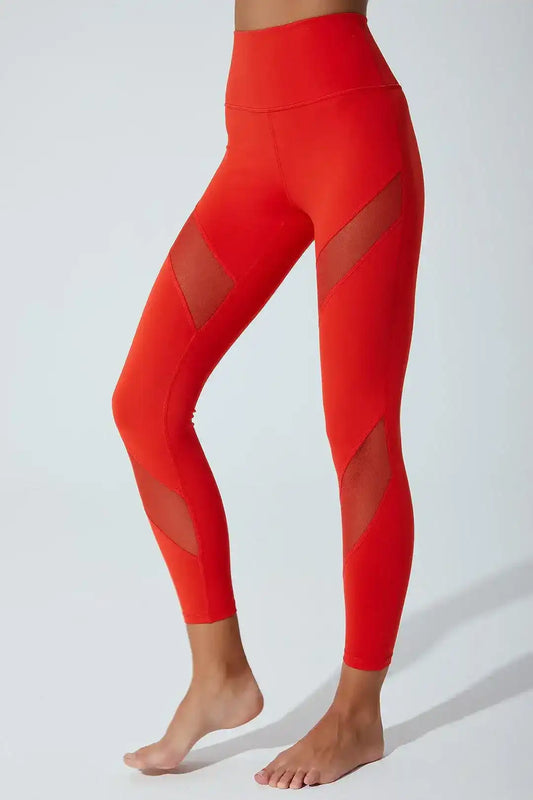
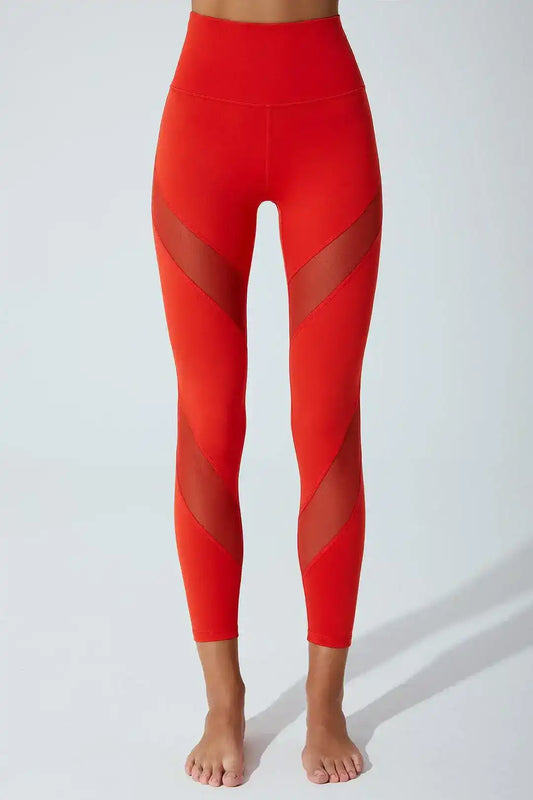
- Các trang phục phần thân dưới thoải mái và đàn hồi như quần short thể thao nữ và legging nữ giúp cơ thể vận động tự do, trong khi chân váy thể thao mang đến một lựa chọn vừa phong cách vừa thoải mái cho các buổi tập yoga nhẹ hoặc luyện tập trong phòng tập.
- Đối với giai đoạn khởi động, thư giãn sau buổi tập hoặc tập luyện ngoài trời, các lớp áo khoác nhẹ như áo khoác thể thao nữ có thể mang lại sự ấm áp cần thiết mà không hạn chế chuyển động. Trong khi đó, đầm thể thao nữ là một lựa chọn liền thân linh hoạt, kết hợp giữa sự thoải mái, tính linh hoạt và phong cách thể thao hiện đại.
Với việc thực hành đều đặn, căn chỉnh đúng tư thế và lựa chọn quần áo tập yoga phù hợp từ Olaben, Tư thế Con Thuyền có thể trở thành một phần quan trọng trong thói quen tập yoga của bạn, giúp xây dựng cả sự ổn định về thể chất lẫn sự tập trung tinh thần.