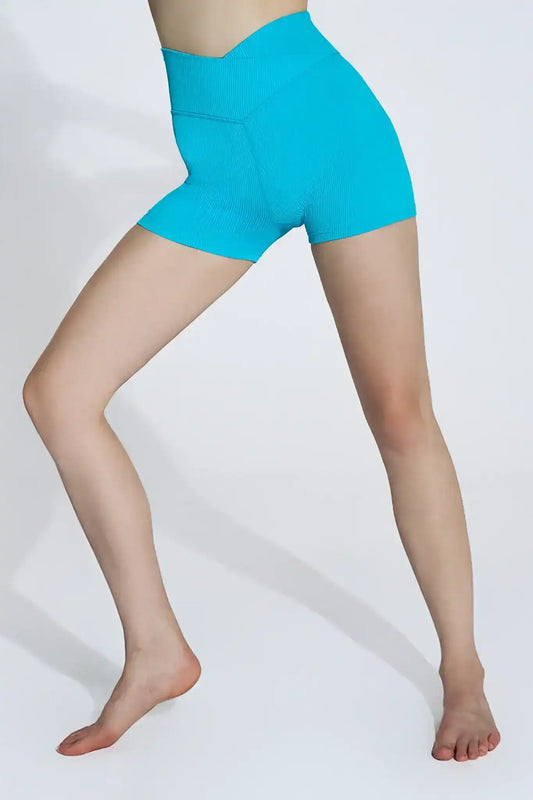
Pilates is more than just a workout, it’s a mind-body practice that improves strength, flexibility, posture, and mental wellbeing. But to truly maximize the benefits of Pilates, one essential factor is often overlooked: nutrition.
What you eat directly impacts your energy levels, performance, recovery, and long-term results. Without proper fueling, you may feel fatigued, struggle to progress, and even compromise your overall health.
This guide covers the latest standard diet plan for Pilates practitioners, helping you build a balanced, sustainable approach to nutrition that supports both your practice and your wellbeing.
Why Nutrition Matters for Pilates
Pilates is a low-impact yet highly controlled form of exercise that requires precision, stability, and deep mind-body awareness. Unlike high-intensity workouts that rely on explosive energy, Pilates focuses on slow, deliberate movements, core engagement, and proper breathing techniques. Because of this, your body depends on a steady and sustained source of energy, rather than quick bursts of fuel.
This is where nutrition becomes essential. What you eat doesn’t just support your overall health, it directly affects how well you perform during each session, how quickly your body recovers, and how effectively you progress over time. Without proper nutrition, you may experience fatigue, reduced concentration, muscle soreness, and slower results, all of which can limit the benefits of your Pilates practice.

A well-balanced diet helps you:
- Maintain consistent energy throughout your sessions, allowing you to move with control and stability
- Support muscle recovery and growth, which is essential for improving strength and technique
- Improve flexibility and reduce stiffness by providing nutrients that support joint and muscle health
- Enhance focus and mind-body connection, helping you stay present and execute movements with precision
In addition, proper nutrition supports other important factors such as hormone balance, metabolism, and overall wellbeing, all of which contribute to long-term progress in Pilates. Simply put, nutrition is the foundation that fuels your movement, supports your recovery, and allows you to fully experience the physical and mental benefits of Pilates.
Key Principles of a Pilates Diet Plan
A modern Pilates diet focuses on balance, quality, and consistency rather than restriction. Your meals should include all essential macronutrients and plenty of whole foods to support different styles of training, from Pilates equipment-based sessions to Pilates without equipment routines.
1. Eat Enough and Eat Regularly
One of the most common mistakes is under-eating, especially when starting a new fitness routine. Pilates places additional demands on your body, requiring more energy to support strength, control, and recovery. Without sufficient fuel, your performance and overall progress can be affected.
- Eat at least three balanced meals each day
- Include snacks if needed to maintain energy levels
- Avoid skipping meals
Undereating can lead to hormone imbalances, low energy levels, reduced muscle recovery, and slower progress over time.
2. Prioritize Protein for Strength and Recovery
Protein plays a vital role in muscle repair, lean muscle development, and overall performance in Pilates. After each session, your muscles undergo small amounts of stress and require adequate protein to recover, rebuild, and become stronger. Without sufficient intake, this recovery process is compromised, which can slow down progress and increase fatigue.
The recommended daily protein intake varies based on gender and body weight. On average, men should aim for about 0.84-1.07 grams per kilogram of body weight, while women typically require around 0.75-0.94 grams per kilogram.
To meet these needs, it is important to include a variety of high-quality protein sources in your daily meals. Lean options such as chicken, fish, and eggs are excellent choices, while dairy products like Greek yogurt and cottage cheese provide both protein and additional nutrients. For those following a plant-based diet, tofu, lentils, and other legumes can effectively support protein intake when consumed regularly.
Ensuring adequate protein intake is essential, as it allows your muscles to recover properly after Pilates sessions, supports strength development, and helps maintain consistent performance over time.
3. Don’t Avoid Carbohydrates
Carbohydrates are the body’s primary source of energy and play a particularly important role in supporting Pilates practice. Because Pilates relies on controlled, continuous movements and sustained concentration, your body needs a steady supply of fuel to maintain performance and prevent fatigue.
When consumed in appropriate amounts, carbohydrates help provide consistent energy throughout your session, improve focus and endurance, and support healthy digestion as well as hormone balance. This allows you to move with greater control and maintain proper form for longer periods.
It is best to prioritize complex carbohydrates, which are digested more slowly and provide longer-lasting energy. Foods such as oats, quinoa, brown rice, sweet potatoes, fruits, and vegetables are excellent choices to include in your daily meals.
At the same time, it is important to limit refined carbohydrates like white bread, sugary snacks, and highly processed foods, as they can cause rapid energy spikes followed by crashes, which may negatively affect your performance and overall wellbeing.
4. Include Healthy Fats Daily
Healthy fats are an essential part of a balanced diet, playing a key role in maintaining hormone balance, supporting joint health, and promoting overall wellbeing. For Pilates practitioners, adequate intake of healthy fats can also help improve movement quality and reduce the risk of inflammation or stiffness in the body.
Good sources of healthy fats include avocados, nuts and seeds, olive oil, and fatty fish such as salmon and mackerel. These foods provide beneficial fatty acids that support various bodily functions, including hormone regulation and cellular health. At the same time, it is important to limit the intake of trans fats and highly processed foods, as they can negatively affect overall health and may interfere with your performance and recovery.
5. Stay Hydrated
Hydration plays a fundamental role in overall performance, recovery, and energy levels, especially for Pilates practitioners who rely on concentration, control, and fluid movement. Even a slight lack of fluids can affect how your body functions during exercise, leading to reduced efficiency and increased fatigue.
It is generally recommended to drink at least 2-3 liters of water per day, and this amount should be increased if you sweat more during your sessions or practice in warmer environments. Maintaining consistent hydration throughout the day is more effective than drinking large amounts at once. At the same time, it is advisable to limit sugary beverages and alcohol. Even mild dehydration can reduce flexibility, impair focus, and make your Pilates practice feel more challenging than it should be.

When to Eat for Optimal Pilates Performance
-
Before Pilates
Proper meal timing is an important factor in optimizing your Pilates performance. Eating at the right time helps prevent discomfort such as bloating or nausea during practice, while also ensuring your body has enough energy to move with control and stability.
For best results, aim to have a light, balanced meal about 2-3 hours before your session. If your schedule does not allow for a full meal, a small snack 30-45 minutes beforehand can still provide the energy you need without making you feel heavy.
Suitable pre-workout options include simple, easy-to-digest foods such as a banana with nut butter, Greek yogurt with berries, oatmeal with nuts, or a light smoothie that includes a source of protein. These choices offer a good balance of nutrients to support both energy and focus.
It is equally important to avoid heavy or greasy foods before your practice, as they can slow digestion and cause discomfort. By managing your meal timing carefully, you can improve both your comfort and performance during Pilates sessions.
-
After Pilates
Post-workout nutrition supports muscle recovery and energy replenishment.
To support recovery effectively, it is recommended to eat within 30-60 minutes after your session. This is when your body is most responsive to nutrient intake. A balanced combination of protein and carbohydrates is ideal, as protein helps repair muscle tissue while carbohydrates replenish energy stores.
Simple meal options can include grilled chicken with quinoa and vegetables, eggs with whole-grain toast and fruit, or a protein smoothie for a quicker and more convenient choice.
By prioritizing proper post-workout nutrition, you can improve recovery, reduce muscle soreness, and maintain consistent energy levels for your next Pilates session.
Best Foods for Pilates Practitioners
Choosing the right foods is essential for supporting your Pilates practice and overall performance. A nutrient-dense diet not only helps improve strength and flexibility but also enhances recovery, maintains energy levels, and supports joint health. By regularly including a variety of whole, balanced foods, you can ensure your body has everything it needs to perform at its best.
- For Muscle Recovery: For muscle recovery, protein-rich foods such as eggs, Greek yogurt, salmon, and cottage cheese are excellent choices. These help repair and rebuild muscle tissue after each session, allowing you to progress more effectively over time.
- For Sustained Energy: To maintain steady energy throughout the day, it is important to include complex carbohydrates like oats, brown rice, sweet potatoes, and quinoa. These foods provide a slow and consistent release of energy, helping you stay focused and energized during your workouts.
- For Joint Health: Joint health is another key factor in Pilates, as smooth and controlled movements rely on flexible, well-supported joints. Foods such as fatty fish, walnuts, flaxseeds, and leafy greens contain nutrients that help reduce inflammation and support mobility.
- For Hydration & Minerals: In addition, proper hydration and mineral intake are crucial for muscle function and overall wellbeing. Foods like coconut water, bananas, watermelon, and cucumber can help replenish electrolytes and keep your body hydrated.
By incorporating these nutrient-rich foods into your daily routine, you create a strong nutritional foundation that supports better performance, faster recovery, and long-term progress in your Pilates practice.
Foods to Limit
While maintaining a balanced diet is important, it is equally essential to be mindful of certain foods that may negatively impact your Pilates practice. Some choices can interfere with digestion, reduce energy levels, and affect your ability to move with control and focus during your sessions.
- Processed foods high in sugar
- Fried and greasy foods
- Excess caffeine
- Alcohol
- High-sodium foods
Being aware of these dietary factors and limiting them where possible can help you maintain better energy, improve comfort, and stay focused. By prioritizing whole, nourishing foods, you support both your performance and your overall wellbeing in the long term.

Sample Daily Pilates Diet Plan
To make healthy eating more practical and easier to follow, it helps to have a simple daily structure that includes balanced meals and snacks. A well-planned day should combine protein, complex carbohydrates, and healthy fats to support energy, recovery, and overall performance.
- Breakfast: Oatmeal with berries and nuts
- Lunch: Grilled chicken salad with quinoa
- Snack: Greek yogurt with fruit
- Dinner: Salmon with sweet potato and vegetables
This type of balanced approach works well for all practitioners, from beginners to those exploring advanced formats like pilates megaformer or combining pilates with other training styles such as pilates and gym.
Conclusion
The latest standard diet plan for Pilates practitioners is not about restriction, it’s about fueling your body properly. By focusing on whole foods, balanced nutrition, and consistent habits, you can significantly improve your performance, recovery, and overall wellbeing.
Alongside nutrition, what you wear can also influence how comfortable and confident you feel during Pilates. Choosing the right pieces allows you to move freely, stay focused, and fully connect with your body. You can build your ideal setup with:
- Tops: breathable, flexible pieces that support movement and comfort, such as women’s short-sleeved sports shirt or women’s long-sleeved sports shirt.
- Bottoms: designs that offer stretch and stability for controlled movements, like women’s leggings for flexibility and support, women’s athletic shorts, or a lightweight sports skirt.
- Full outfits & versatile pieces: all-in-one or mix-and-match options that balance function and style, such as women’s sports dress or tennis training clothes.
- Layering & accessories: essential additions to complete your routine and enhance comfort, including a women’s sports jacket and well-fitted sports socks.
With the right balance of mindful nutrition, consistent Pilates practice, and thoughtfully selected women’s yoga clothing from Olaben, you create a routine that is not only effective but also sustainable, helping you feel stronger, more flexible, and more energized over time.