Pilates is a low-impact exercise method that builds core strength, improves posture, and increases flexibility through slow, controlled movements. Created by Joseph Pilates in the early 20th century, it focuses on precise technique, steady breathing, and control rather than speed or heavy weights. You can do it on a mat or on a spring-based machine called a reformer.
It has lasted for a century because it works for almost everyone, from beginners to athletes to people recovering from injury.

The core principles of Pilates
- Control. Every movement is deliberate, never rushed or bounced.
- Centring. Movements start from the core, the muscles around your abdomen, lower back, and hips.
- Breath. Steady, coordinated breathing supports each movement.
- Precision. Doing fewer reps well matters more than doing many carelessly.
- Flow. Exercises link together smoothly rather than in stops and starts.

Types of Pilates
|
Type |
What it involves |
|
Mat Pilates |
Bodyweight exercises on a mat, easy to start at home |
|
Reformer Pilates |
Uses a spring-loaded machine for resistance and support |
|
Clinical Pilates |
Guided by a physio, often for rehab or specific injuries |
|
Contemporary Pilates |
A modern blend that mixes classical moves with newer methods |
Benefits of Pilates
- Stronger core. Pilates targets the deep abdominal and back muscles that support your spine.
- Better posture. By balancing the muscles around your spine, it helps you stand and sit taller.
- Improved flexibility and mobility. Controlled stretching increases range of motion over time.
- Low impact. It is gentle on the joints, which suits older adults and anyone returning from injury.
- Body awareness. The focus on precision teaches you to move better in daily life.
Is Pilates a good workout?
Yes. Pilates builds real strength, especially through the core, and improves how your whole body moves. It is not primarily a fat-burning or heavy cardio workout, so many people pair it with walking, running, or strength training for a rounded routine. As a standalone practice, it is one of the most effective ways to build core stability and protect the lower back.

How to start Pilates
Begin with a beginner mat class, either in person or online, two or three times a week. Focus on learning the breathing and core engagement before adding harder moves. You need very little to start: a mat and comfortable, fitted clothing that lets you move and lets the instructor see your alignment.
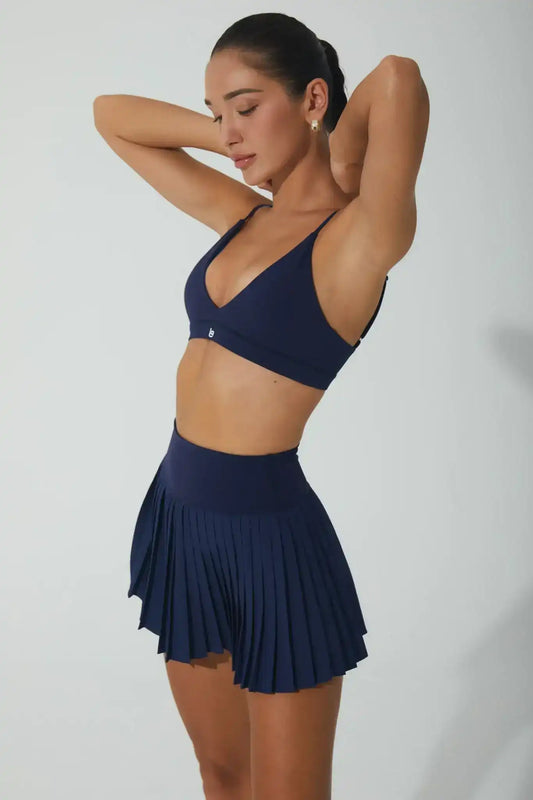
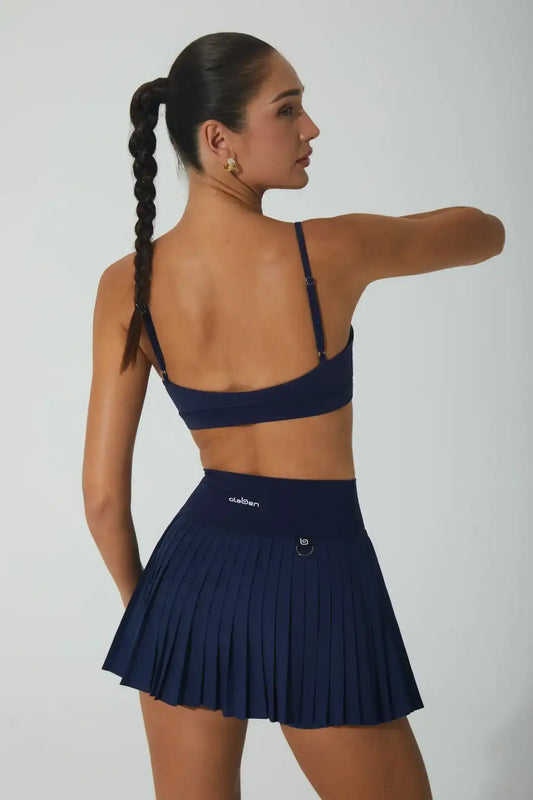
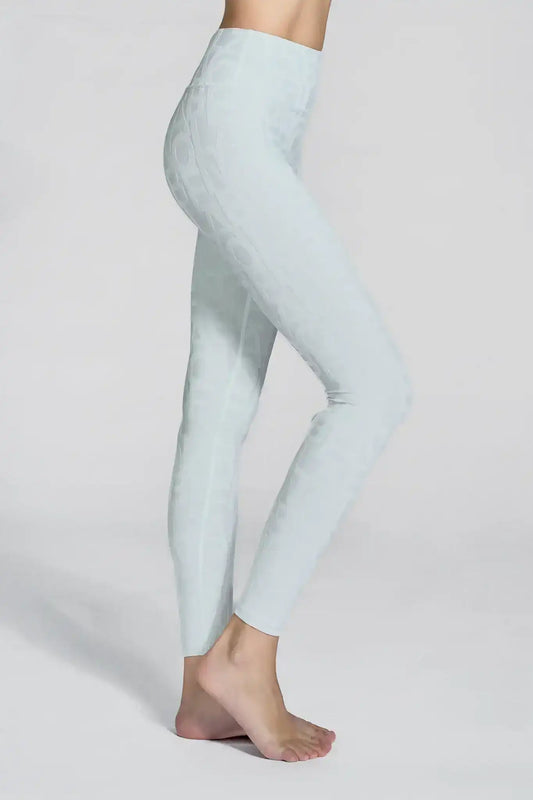
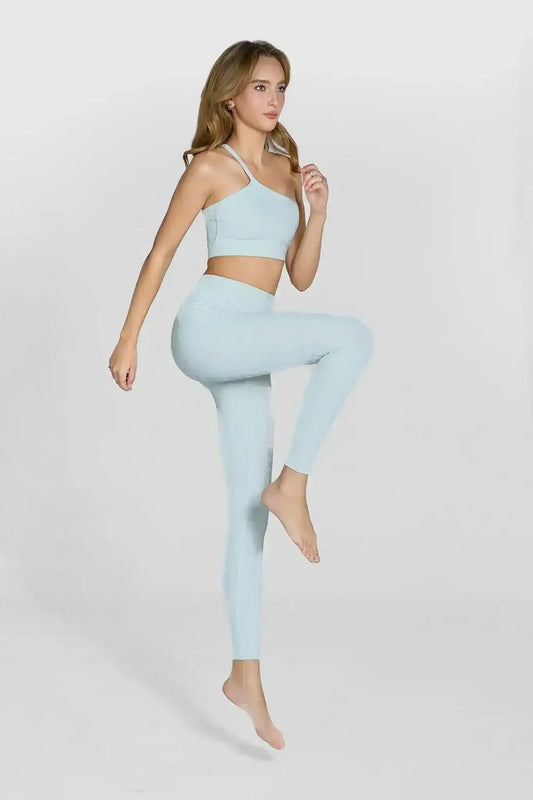
Fitted leggings and a supportive top make Pilates easier because loose clothing hides your form and gets in the way during rolls and stretches. See the Olaben leggings and new arrivals for pieces made to move.

Frequently asked questions
What is Pilates good for?
Building core strength, improving posture, and increasing flexibility. It is also widely used in rehabilitation because it is gentle on the joints while still strengthening the muscles that support the spine.
Is Pilates better than yoga?
They serve different goals. Pilates focuses on core strength and controlled movement, while yoga leans more toward flexibility, balance, and breathwork. Many people do both.
Can beginners do Pilates?
Yes. Mat Pilates is beginner-friendly and needs no equipment. Start with a beginner class and focus on technique before intensity.
How often should I do Pilates to see results?
Two to three sessions a week is enough for most people to feel stronger and more mobile within a few weeks, with clearer changes by six to eight weeks.