Twisting Yoga is a type of yoga that focuses on spinal rotation movements, helping to “awaken” the entire upper body and release areas of tension caused by prolonged sitting, stress, or poor posture. More than simply turning the torso, Twisting Yoga combines breathwork with controlled movement to enhance flexibility, support digestion, and improve blood circulation.
In this article, Olaben will help you understand what Twisting Yoga is, explore its key benefits, and discover fundamental poses along with important tips to practice safely and effectively.
What Is Twisting Yoga?
Twisting Yoga refers to a group of yoga poses centered on rotating the spine and upper body to deeply engage the abdominal area, back muscles, and core system. Rather than twisting abruptly, these movements require lengthening the spine first, then rotating with controlled breathing to ensure both safety and effectiveness.
From a physiological perspective, when the body is “compressed” during a twist and then “released” back to a neutral position, the internal organs and circulatory system are stimulated to function more efficiently. This process helps improve spinal flexibility, support digestion, enhance blood circulation, and relieve muscle stiffness caused by long hours of sitting or incorrect posture.
Twisting Yoga is suitable for both beginners and advanced practitioners. However, proper technique requires gradual training and mindful progression. With consistent practice, the body adapts over time, naturally increasing rotational range and strengthening core stability, an essential foundation in all yoga styles.

Benefits of Twisting Yoga
Regular Twisting Yoga practice not only enhances flexibility but also positively impacts spinal health, digestion, and mental well-being. Below are some of the most commonly recognized benefits:
Improves spinal health and reduces back pain
Twisting movements lengthen the spine before rotation, creating more space between vertebrae and reducing pressure on the lower back. This is especially beneficial for people who sit for long hours, such as office workers, drivers, or those with sedentary lifestyles. By activating both back and abdominal muscles simultaneously, the spine gains better support, improving posture and reducing chronic discomfort.
Enhances flexibility and core stability
Twisting Yoga deeply engages the core muscle group, including the abdominals, obliques, and lower back. Maintaining and controlling rotational movement improves mobility in the upper body, hips, and shoulders while also strengthening balance and overall stability.
Supports digestion and blood circulation
The “compress–release” mechanism in twisting poses stimulates the abdominal area and encourages healthier intestinal movement. When returning to a neutral position, blood flow increases, promoting better circulation and creating a lighter, more comfortable feeling after practice.
Relieves stress and balances the nervous system
The combination of slow rotational movements and deep breathing helps calm the nervous system and release tension stored in the shoulders, neck, and upper back. This is why twisting poses are often included toward the end of a yoga session to help both body and mind cool down.
Boosts energy and mental clarity
In yoga philosophy, the spine is considered the central channel of energy flow. When the vertebrae move properly and freely, energy can circulate more smoothly throughout the body. As a result, practitioners often feel lighter, mentally clearer, and more energized after completing a sequence of twisting poses.
7 Basic and Most Effective Twisting Yoga Poses
Seated Twist (Seated Spinal Twist)
Level: Beginner – Suitable for new practitioners
Primary focus: Spine, lower back, obliques, abdominal area
How to practice:
- Step 1: Sit upright on the mat with both legs extended forward. Relax your shoulders and lengthen your spine naturally, avoiding rounding your back.
- Step 2: Bend your right knee and place your right foot outside your left thigh. If you are flexible, you may gently bend the left leg for additional support, or keep it extended if you are a beginner.
- Inhale to lengthen the spine, then exhale and slowly rotate your upper body to the right. Place your right hand behind you for support, and wrap or position your left arm outside the right knee to deepen the twist.
- Step 3: Hold the pose for 30–60 seconds with steady breathing. With each inhale, lengthen your spine; with each exhale, gently deepen the twist if it feels comfortable, never force the movement.
- Step 4: Inhale to slowly return to center. Extend your legs back to the starting position and repeat on the other side.
Note: Always lengthen the spine before twisting, and avoid pulling too strongly with your arms to protect the lower back.

Standing Twist
Level: Intermediate – Requires good balance
Primary focus: Spine, core muscles, quadriceps, shoulders
How to practice:
- Step 1: Stand tall with your feet parallel. Shift your weight firmly onto your right foot. Keep your spine long and shoulders relaxed.
- Step 2: Slowly lift your left leg forward until your thigh is parallel to the floor (or as high as comfortable). Hold your left foot with your right hand for support. Inhale to lengthen the spine, then exhale and gently rotate your torso to the left. Extend your left arm upward, opening the chest.
- Step 3: Hold the position for about five deep breaths, maintaining stability and controlled breathing. With each inhale, lengthen the body; with each exhale, deepen the twist slightly in a gentle and mindful way.
- Step 4: Slowly return to center, lower your leg, and switch sides.
Note: Fix your gaze on a steady point in front of you to help maintain balance. Avoid locking the standing knee.

Downward Dog Twist
Level: Intermediate – Builds shoulder and core strength
Primary focus: Shoulders, upper back, obliques, hamstrings
How to practice:
- Step 1: Begin in Downward-Facing Dog with both hands and feet firmly grounded on the mat. Lift your hips high, keep your spine long, and press your heels gently toward the floor.
- Step 2: Shift your weight into your left hand. Then reach your right hand back to hold your left ankle (or as close as comfortably possible). Inhale to lengthen the spine, then exhale and rotate your torso to the left, opening your chest.
- Step 3: Hold the pose for 20–30 seconds with steady breathing. Notice the stretch through your shoulders, back, and side body.
- Step 4: Slowly release your hand back to the mat, return to a neutral Downward Dog, and repeat on the other side.
Note: Avoid collapsing into your shoulders or placing all the pressure on your wrists. If reaching the ankle feels too intense, simply focus on rotating your torso and opening the chest within a comfortable range.

Supine Twist (Supine Twist Yoga Pose)
Level: Beginner – Suitable for all levels
Primary focus: Lower back, spine, obliques, abdominal area
How to practice:
- Step 1: Lie on your back on the mat with both legs extended. Stretch your arms out to the sides in a T-shape, palms facing up or down depending on what feels most comfortable. Relax your shoulders and neck.
- Step 2: Bend your left knee toward your chest. Inhale to lengthen the spine, then exhale and gently guide your left knee across your body to the right side. Turn your head to the left to deepen the spinal rotation.
- Step 3: Hold the pose for 45–60 seconds with slow, steady breathing. With each exhale, allow your body to soften rather than forcing the knee toward the floor.
- Step 4: Inhale to bring your knee back to center, extend the leg, and switch sides.
Note: Try to keep both shoulders grounded as much as possible. If your knee does not comfortably reach the floor, place a pillow or yoga block underneath for support.

Revolved Triangle Pose (Parivrtta Trikonasana)
Level: Intermediate to Advanced – Requires balance and flexibility
Primary focus: Spine, hips, hamstrings, shoulders
How to practice:
- Step 1: Stand with your feet wide apart. Step your right foot forward and your left foot back, about one meter apart. Keep both feet firmly grounded and square your hips toward the front.
- Step 2: Inhale to lengthen your torso. Exhale and hinge forward from the hips. Place your left hand on the floor or on your right ankle/shin, depending on your flexibility. At the same time, rotate your upper body to the right. Extend your right arm straight up toward the ceiling, opening your chest.
- Step 3: Hold the pose for 30–60 seconds with steady breathing. With each inhale, lengthen the spine; with each exhale, deepen the twist in a controlled and mindful way.
- Step 4: Inhale to lift your torso back up to standing, adjust your feet, and repeat on the other side.
Note: Avoid placing all your weight on the front hand. Keep your back long rather than rounded to protect the spine.

Revolved Half Moon Pose (Parivrtta Ardha Chandrasana)
Level: Advanced – Requires strong balance, core strength, and flexibility
Primary focus: Spine, hips, hamstrings, shoulders, and core muscles
How to practice:
- Step 1: Stand upright with your feet hip-width apart. Shift your weight firmly onto your left foot and fix your gaze on a steady point in front of you to support balance.
- Step 2: Slowly hinge forward from the hips and place your right hand on the floor (or on a yoga block) in front of your left foot. At the same time, lift your right leg straight back until it is parallel to the floor. Inhale to lengthen the spine, then exhale and rotate your torso to the left, opening your chest. You may place your left hand on your hip or extend it upward to deepen the twist.
- Step 3: Hold the pose for 30–60 seconds with steady breathing. Maintain stability in the standing leg and focus on controlled movement rather than forcing a deeper rotation.
- Step 4: Gently lower your right leg, return to a standing position, and switch sides.
Note: If balancing is challenging, use a yoga block under your supporting hand to protect your lower back and hips while maintaining proper alignment.

Half Lord of the Fishes Pose (Ardha Matsyendrasana)
Level: Beginner to Intermediate
Primary focus: Spine, lower back, obliques, abdominal area
How to practice:
- Step 1: Sit on the mat with both legs extended forward and your spine naturally lengthened.
- Step 2: Bend your right knee and place your right foot outside your left thigh. If your flexibility allows, you may gently fold your left leg toward your right hip. Inhale to lengthen your spine, then exhale and rotate your torso to the right. Place your left arm outside your right knee and your right hand behind you for support.
- Step 3: Hold the pose for 45–60 seconds with deep, steady breathing. With each inhale, lengthen your upper body; with each exhale, gently deepen the twist within a comfortable range.
- Step 4: Slowly return to center and repeat on the other side.
Note: Avoid rounding your back or using excessive arm force that could compress the spine.

Revolved Chair Pose (Revolved Utkatasana)
Level: Intermediate – Strengthens legs and core
Primary focus: Thighs, glutes, abdominals, spine
How to practice:
- Step 1: Stand upright with your feet together or hip-width apart. Lower your hips back as if sitting in a chair, keeping your knees behind your toes. Bring your palms together in front of your chest.
- Step 2: Inhale to lengthen your spine. Exhale and rotate your torso to the left. Place your right elbow outside your left knee to create leverage for the twist, pressing your palms gently together.
- Step 3: Hold the pose for about 30 seconds with steady breathing. Keep your knees aligned and avoid shifting your hips to one side.
- Step 4: Inhale to return to center, stand upright, and repeat on the other side.
Note: Always lengthen the spine before twisting to protect the lower back and maximize the effectiveness of the pose.

Who Is Suitable for Twisting Yoga and Who Should Be Cautious?
Although Twisting Yoga offers many benefits for the spine and digestive system, not everyone should practice it at the same intensity. Understanding your physical condition helps ensure a safe and effective experience.
Who Is Suitable for Twisting Yoga?
- People who sit for long hours or experience mild back and neck stiffness: Gentle twisting movements help improve spinal mobility, support better posture, and reduce tension caused by prolonged sitting or a sedentary lifestyle.
- Those looking to improve digestion: The “compress–release” mechanism in twisting poses may help stimulate the abdominal area, leaving the body feeling lighter and more comfortable after practice.
- Individuals seeking a natural way to relieve stress: When combined with deep, controlled breathing, Twisting Yoga helps calm the nervous system, support emotional balance, and ease mental pressure.
- People aiming to increase flexibility and core strength: Controlled rotational movements enhance spinal, hip, and shoulder mobility while strengthening the core muscles, an essential foundation for many other physical activities.
- Athletes who need recovery and improved mobility: Twisting poses can be integrated into stretching routines to support muscle recovery and maintain overall flexibility.
Who Should Consult a Professional Before Practicing?
- Pregnant women: Especially during the second and third trimesters, deep twists may not be appropriate. It is advisable to consult a doctor or a certified prenatal yoga instructor before practicing. You may explore a selection of prenatal yoga workouts offered by Olaben.
- Individuals with serious spinal conditions: Those with herniated discs, spinal injuries, or acute back pain should seek professional medical advice before performing twisting poses.
- People with severe arthritis or joint pain: Twisting movements should be modified to avoid placing excessive pressure on sensitive joints.
- Individuals with serious digestive disorders or recent abdominal surgery: Consult a healthcare professional before practicing to ensure safety and proper recovery.
Important Tips for Practicing Twisting Yoga
To practice Twisting Yoga safely and maximize its benefits for the spine, keep the following principles in mind:
- Always Lengthen Before Twisting: In twisting poses, elongating the spine on an inhale is a crucial step before rotating on the exhale. This helps reduce pressure on the intervertebral discs and lowers the risk of lower back strain or injury.
- Avoid Forcing a Deep Range of Motion: A mild stretching sensation is normal, but sharp pain or significant discomfort is not. Twisting Yoga emphasizes control and body awareness rather than twisting as deeply as possible.
- Move Slowly and With Control: Avoid sudden or jerky rotations. Enter and exit each pose gradually, coordinating movement with your breath to maintain stability throughout the upper body.
- Practice Consistently, But Moderately: Maintaining 2–3 sessions per week can noticeably improve flexibility and core strength. However, be sure to include rest days to allow your body adequate time to recover.
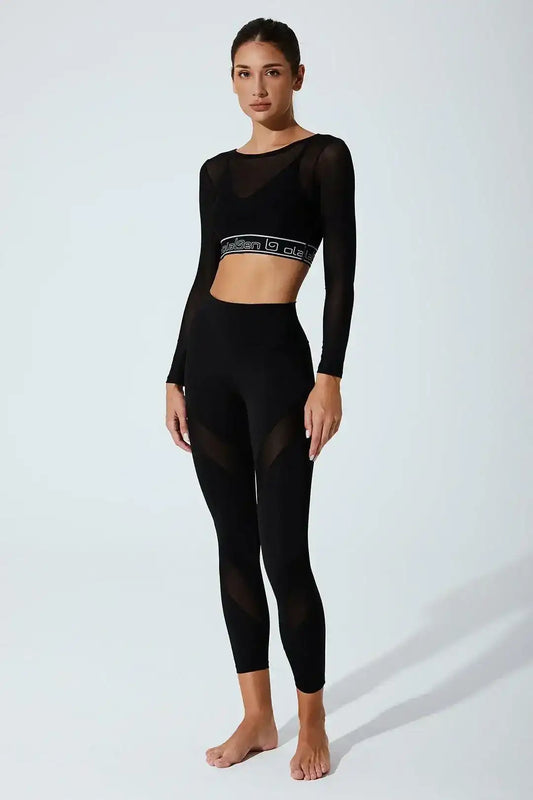
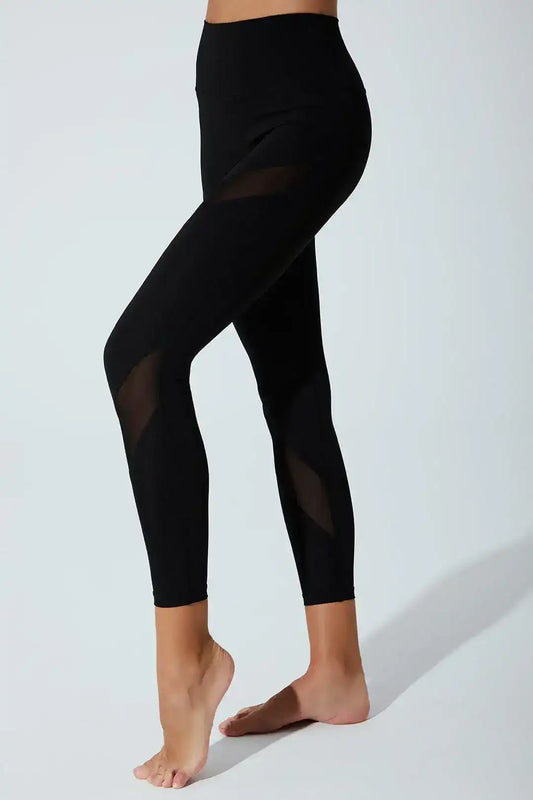
- Choose Appropriate Activewear: Well-fitted, stretchy clothing supports smoother and more comfortable twisting movements. You can explore yoga apparel collections at Olaben, known for breathable fabrics and high elasticity.
For women, a supportive sports bra suited to your workout intensity is essential. Pair it with a breathable short-sleeve top or crop top and high-waisted, flexible leggings to provide better support for the upper body during twisting movements.
- Use Props When Needed: Yoga mats, blocks, straps, or bolsters can help you maintain proper alignment and balance in yoga pose.
Conclusion
Twisting Yoga is more than just rotating the body. It is a mindful practice designed to “awaken” the spine, activate the core, and release accumulated tension from long hours of sitting or poor posture. When performed with proper technique, lengthening before twisting, breathing steadily, and controlling each movement, you will feel greater flexibility, lightness, and mental clarity after every session.
By starting with foundational poses and practicing consistently over time, Twisting Yoga can become an essential part of your journey toward holistic health and well-being.