Backbend yoga poses are some of the most powerful and energizing movements in yoga practice. From gentle poses like Cat-Cow and Cobra Pose to advanced postures like Wheel Pose, backbends help improve spinal mobility, strengthen the back body, open the chest, and counter the effects of long hours spent sitting or looking at screens.
Whether you are a beginner or an advanced practitioner, learning proper backbend techniques can help you practice safely and comfortably while building strength and confidence over time. In this guide, you’ll explore the benefits of backbend yoga, different types of backbends, essential safety tips, and the best backbend poses for every level.
What Is Backbend Yoga?
Backbend yoga refers to yoga poses that involve spinal extension, where the spine arches backward and the front body opens. These poses can range from gentle movements to deep and advanced expressions of flexibility, mobility, and strength.
Backbends can be practiced in many different positions, including standing, kneeling, seated, lying face down, lying face up, or even inverted. This variety allows practitioners of all levels to explore backbending in a way that feels accessible and supportive for their bodies.
Rather than simply thinking about “bending backward,” many yoga teachers describe backbends as front-body opening, chest expansion, and creating length throughout the entire body. This approach encourages more balanced movement through the spine and helps prevent excessive compression in the lower back.

Benefits of Backbend Yoga
Backbend yoga offers physical, mental, and emotional benefits when practiced consistently and mindfully. These poses help reverse the effects of prolonged sitting and poor posture while improving overall strength, flexibility, and energy levels.
Physical Benefits of Backbends
- Improves Spinal Mobility: Backbends encourage healthy movement throughout the spine, especially the upper back, which often becomes stiff from prolonged sitting and screen time. Regular practice can help the spine feel more flexible and supported.
- Strengthens the Back Body: Many backbend poses strengthen the spinal muscles, glutes, hamstrings, shoulders, arms, and core, helping support posture and reduce strain on the lower back.
- Opens the Chest and Shoulders: Backbends stretch the chest and shoulders, helping counteract rounded shoulders and slouching caused by daily activities like typing and looking at screens.
- Stretches Tight Hip Flexors: Deeper backbends lengthen the hip flexors and quadriceps, which commonly become tight from sedentary lifestyles and long periods of sitting.
- Improves Breathing Capacity: By expanding the chest and ribcage, backbends can encourage deeper breathing and better breath awareness.
- Enhances Flexibility and Posture: Regular practice improves flexibility in the spine, hips, shoulders, and front body while also supporting better posture and overall alignment.
Mental and Emotional Benefits of Backbends
Backbends are often considered energizing and uplifting yoga poses because they create a stimulating effect on both the body and mind. Regular backbend practice may help reduce stress and physical tension, boost energy levels, improve mood, and create a greater sense of openness and emotional balance. Many practitioners find that backbends leave them feeling refreshed, confident, and mentally recharged after practice.
Types of Yoga Backbends
Backbend yoga poses can be practiced in many different ways, from gentle basic yoga poses stretches to deep, advanced spinal extensions. Some focus on building strength in the back body, while others emphasize chest opening, mobility, flexibility, or fluid movement. Backbends can generally be divided into three categories.
1. Prone Backbends
Prone backbends are yoga poses performed while lying face down on the yoga mat. These poses gently introduce spinal extension while strengthening the back body, including the spinal muscles, glutes, shoulders, and hamstrings. Common prone backbends include Cobra Pose, Sphinx Pose, Upward-Facing Dog, Locust Pose, and Bow Pose. They are often more accessible for beginners because they help build back strength and body awareness before progressing into deeper backbends.
2. Supine Backbends
Supine backbends are practiced lying face up or by pressing the body upward from the floor. Common examples include Bridge Pose, Wheel Pose, and Fish Pose. These poses create a deep opening through the chest, shoulders, and front body while also strengthening the legs, glutes, arms, and upper back. Compared to gentler backbends, supine variations often require greater shoulder mobility, spinal flexibility, and full-body engagement.
3. Dynamic Backbends
Dynamic backbends involve continuously moving in and out of spinal extension instead of holding a pose for several breaths. Common examples include Cat-Cow, flow transitions, Dropbacks, and dynamic Camel Pose variations. These movements help improve spinal mobility, coordination, circulation, and overall body awareness while gently warming up the back and preparing the body for deeper backbends.
Best Backbend Yoga Poses for Beginners
Although many people associate backbend yoga with advanced poses like Wheel Pose (Urdhva Dhanurasana), beginner-friendly postures such as Cat-Cow (Marjaryasana-Bitilasana), Sphinx Pose (Salamba Bhujangasana), and Bridge Pose (Setu Bandhasana) are equally important and beneficial.
1. Cat-Cow Pose (Marjaryasana-Bitilasana)
Cat-Cow Pose is a gentle dynamic backbend that helps improve spinal mobility and flexibility while warming up the back and shoulders. By moving between spinal flexion and extension with the breath, this pose also enhances body awareness, coordination, and breath control, making it an excellent preparation for deeper backbends.
How to Practice
- Begin on hands and knees.
- Inhale to arch the spine and lift the chest.
- Exhale to round the spine.
- Continue flowing with the breath.

2. Sphinx Pose (Salamba Bhujangasana)
Sphinx Pose is a gentle beginner-friendly backbend that creates mild spinal extension while opening the chest and shoulders. Supported by the forearms, this pose helps improve posture, encourage deeper breathing, and gently strengthen the lower back without placing too much pressure on the spine.
How to Practice
- Lie on your stomach.
- Place forearms on the floor.
- Lift the chest while keeping the pelvis grounded.

3. Low Cobra Pose (Ardha Bhujangasana)
Low Cobra Pose is a gentle backbend that strengthens the back muscles while building spinal awareness and proper alignment. Because the lift is small and controlled, it provides a safe introduction to deeper backbends and helps beginners learn how to engage the back body without overcompressing the lower back.
How to Practice
- Lie face down.
- Place hands beside shoulders.
- Lift chest slightly using mostly back strength.

4. Cobra Pose (Bhujangasana)
Cobra Pose (Bhujangasana) is a classic backbend that strengthens the spine while opening the chest and shoulders. This pose helps improve posture, increase spinal flexibility, and counteract the effects of slouching and prolonged sitting.
How to Practice
- Press into palms.
- Lift the chest.
- Keep shoulders relaxed and neck neutral.

5. Puppy Pose (Uttana Shishosana)
Puppy Pose is a gentle backbend that opens the shoulders, chest, and upper back while releasing tension throughout the spine and promoting a calming heart-opening stretch.
How to Practice
- Start on hands and knees.
- Walk hands forward.
- Lower chest toward the floor.

6. Bridge Pose (Setu Bandhasana)
Bridge Pose is a gentle backbend that strengthens the glutes and legs while opening the chest and creating mild spinal extension to improve posture and mobility.
How to Practice
- Lie on your back with knees bent.
- Press into feet.
- Lift hips toward the ceiling.

Intermediate Backbend Yoga Poses
Intermediate backbend yoga poses introduce deeper spinal extension while requiring more strength, flexibility, and body awareness.
These poses help practitioners build confidence and prepare the body for more advanced backbends. Common intermediate backbends include Upward-Facing Dog (Urdhva Mukha Svanasana), Camel Pose (Ustrasana), Bow Pose (Dhanurasana), and Fish Pose (Matsyasana).
Advanced Backbend Yoga Poses
Advanced backbend yoga poses combine deep spinal flexibility, balance, shoulder mobility, and full-body strength.
These postures are typically practiced after building a strong foundation through beginner and intermediate backbends. Popular advanced backbends include Wheel Pose (Urdhva Dhanurasana), King Dancer Pose (Natarajasana), King Pigeon Pose (Rajakapotasana), and Scorpion Pose (Vrschikasana).
Common Mistakes in Backbend Yoga
Backbend yoga can feel powerful and energizing, but poor alignment or rushing too deeply into poses may create unnecessary tension and discomfort. Practicing with proper technique helps protect the spine and makes backbends feel safer and more balanced.
- Dumping into the lower back: Overarching the lumbar spine instead of creating an even curve through the entire spine.
- Holding the breath: Breath should stay smooth and steady throughout the pose.
- Over-squeezing the glutes: Excess tension in the glutes may compress the lower back.
- Forcing flexibility: Backbends should develop gradually with consistent practice.
- Ignoring the upper back: Many practitioners rely too much on the neck and lower back instead of improving thoracic spine mobility.
Tips for Safer Backbending
Backbend yoga should always be practiced with awareness and control to protect the spine and avoid strain. These simple guidelines help make your practice safer, more balanced, and more effective.
- Warm up thoroughly: Prepare the spine, shoulders, hip flexors, hamstrings, and core before deeper backbends.
- Focus on front-body lengthening: Prioritize opening and expanding rather than forcing the body backward.
- Use yoga accessories: Support your practice with blocks, straps, bolsters, blankets, or yoga wheels.
- Breathe continuously: Maintain steady breathing; difficulty breathing is a sign of going too deep.
- Counterpose after backbends: Balance the spine with Child’s Pose, Forward Fold, or gentle supine twists.
Final Thoughts on Backbend Yoga
Backbend yoga is far more than dramatic flexibility. These poses help strengthen the body, improve posture, increase mobility, open the chest, and energize the mind, especially when practiced in comfortable, well-fitted yoga clothes that allow full range of motion.
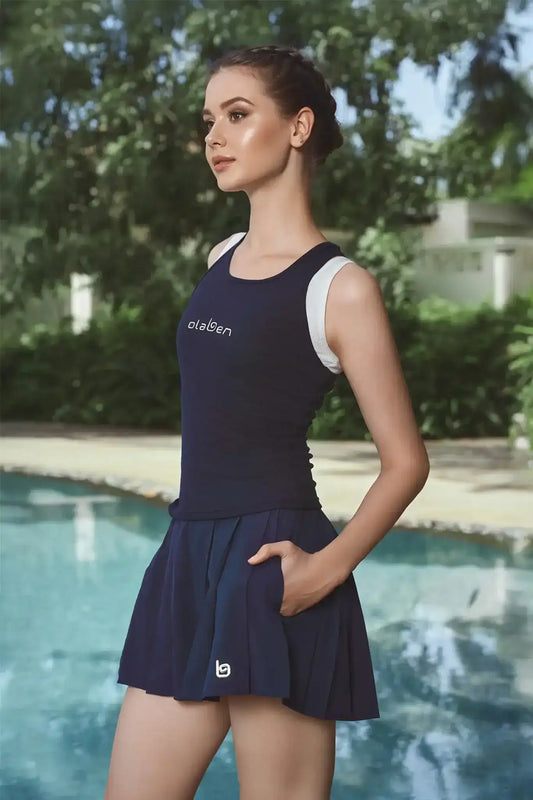
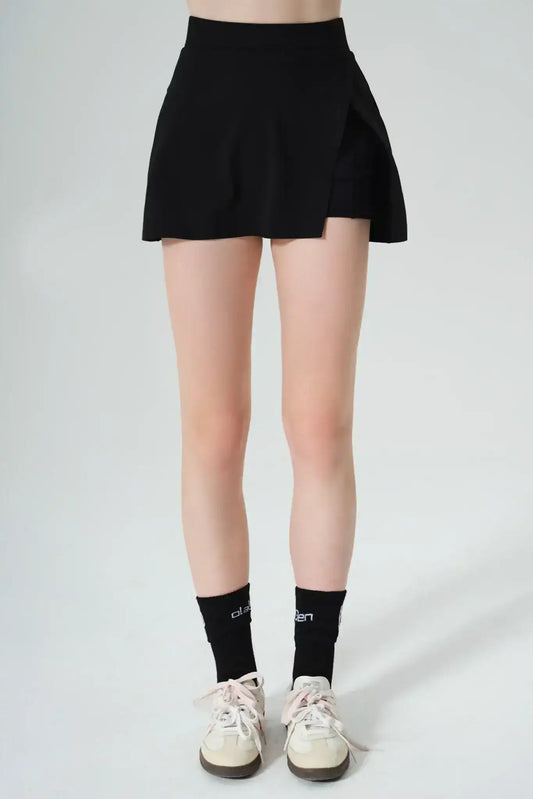
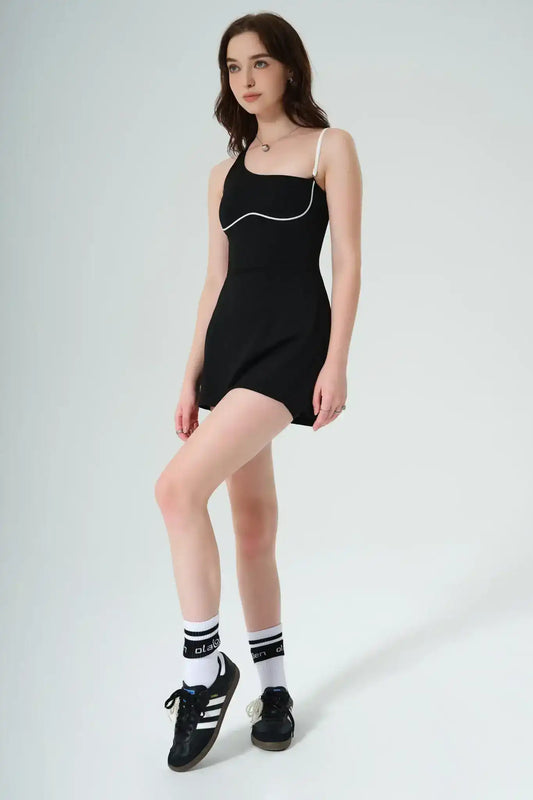
From beginner-friendly poses like Sphinx, Cat-Cow, and Bridge Pose to advanced postures like Wheel and Scorpion, backbends suit every level of practitioner. To support movement and comfort, many people choose a breathable yoga outfit such as a women’s short-sleeved sports shirt paired with women’s athletic shorts or a sports skirt. For added warmth during warm-ups or outdoor practice, a lightweight women’s sports jacket can be useful, while coordinated sets like tennis training clothes or a women’s sports dress offer both performance and style without restricting movement.
The key to safe and sustainable progress is patience, proper preparation, mindful breathing, and balanced movement throughout the entire spine. With consistent practice and the right supportive activewear from Olaben, backbend yoga can help create a stronger, more open, and more resilient body both on and off the mat.