Beginner yoga poses are simple, foundational postures that build strength, flexibility, and balance while you learn to move with your breath. Start with Mountain, Downward Dog, Child’s Pose, Cat-Cow, and the Warrior poses. Practiced a few times a week, they ease tension, improve posture, and get you ready for longer flows.
This guide walks you through 13 basic poses, each with its English and Sanskrit name, a short how-to, and its main benefit. Then Olaben gives you a beginner sequence, the props worth owning, tips for a steady practice, and the mistakes new students make most.

Why Start With These Poses
You do not need to be flexible or fit to begin yoga. You need a handful of poses you can repeat until they feel natural. The postures below are the ones nearly every teacher uses to introduce a class, because they teach the basics you carry into everything else: how to stack your joints, how to breathe while you move, and how to tell effort from strain.
A few reasons these particular poses come first:
- They are safe to learn on your own. Each one has a clear shape and low injury risk when you move slowly and stop before pain.
- They cover the whole body. Standing poses build leg strength and balance, gentle backbends open the chest, and resting poses calm the nervous system.
- They build toward real flows. Once these feel familiar, sequences like a 15-minute beginner flow or a sun salutation stop feeling like a puzzle.
According to a 2016 Yoga Alliance and Yoga Journal study, roughly 28 million Americans practice yoga, and about 74 percent had been practicing for five years or less. In other words, most people on the mat are still beginners too. Move at your own pace, keep breathing, and let the poses meet you where you are.
13 Basic Yoga Poses for Beginners
Work through these one at a time. Hold each for 3 to 5 slow breaths unless noted, and think about your alignment more than how deep you go.
1. Mountain Pose (Tadasana)
The base for every standing pose. It looks like “just standing,” but it teaches you how to align your whole body.
- Stand with your feet hip-width apart, weight even across both feet.
- Lengthen your spine, roll your shoulders down and back, and let your arms rest by your sides.
- Breathe steadily and feel tall from your heels to the crown of your head.
Main benefit: improves posture and body awareness, and steadies your balance.
2. Downward-Facing Dog (Adho Mukha Svanasana)
A full-body stretch that shows up in almost every class. Full walk-through here: Downward Dog guide.
- Start on your hands and knees, hands slightly ahead of your shoulders.
- Tuck your toes and lift your hips up and back into an upside-down V.
- Press the floor away, keep a soft bend in the knees, and let your head hang.
Main benefit: stretches the hamstrings, calves, and shoulders while building arm and core strength.
3. Child’s Pose (Balasana)
Your rest button. Return here any time a pose feels like too much. Full guide: Child’s Pose.
- Kneel and sit back on your heels, big toes touching.
- Fold forward and rest your forehead on the mat.
- Reach your arms forward or lay them back by your hips, and breathe into your back.
Main benefit: gently stretches the hips and lower back and calms the mind.
4. Cat-Cow (Marjaryasana-Bitilasana)
A slow, breath-led warm-up that wakes up the spine.
- Start on your hands and knees, wrists under shoulders, knees under hips.
- Inhale, drop your belly, and lift your chest and tailbone (Cow).
- Exhale, round your back, and tuck your chin and tailbone (Cat). Repeat several rounds.
Main benefit: improves spinal mobility and links breath to movement.

5. Cobra Pose (Bhujangasana)
A gentle backbend that opens the front of the body.
- Lie face down with your hands under your shoulders and elbows close to your ribs.
- Press the tops of your feet and hips into the mat.
- Inhale and lift your chest, using your back more than your arms. Keep a slight bend in the elbows.
Main benefit: strengthens the spine and opens the chest and shoulders, which helps counter desk-slump.
6. Bridge Pose (Setu Bandha Sarvangasana)
An accessible backbend you can control with your feet. Full details: Bridge Pose guide.
- Lie on your back, knees bent, feet flat and hip-width apart, close to your hips.
- Press through your feet and lift your hips toward the ceiling.
- Roll your shoulders under and clasp your hands, or slide a block under your sacrum for support.
Main benefit: strengthens the glutes and back and stretches the chest, hips, and spine.
7. Warrior I (Virabhadrasana I)
A strong standing pose that builds heat and focus.
- From standing, step one foot back about 3 to 4 feet and angle the back foot out 45 degrees.
- Bend your front knee over your ankle and square your hips forward.
- Reach both arms overhead and lift your chest. Repeat on the other side.
Main benefit: strengthens the legs, hips, and shoulders and builds stamina.
8. Warrior II (Virabhadrasana II)
An open, grounded pose that improves balance and leg strength.
- From Warrior I, open your hips and shoulders to the side.
- Extend your arms parallel to the floor, front and back, and gaze over your front hand.
- Keep your front knee bent over the ankle and sink your hips. Switch sides.
Main benefit: tones the legs and core and opens the hips and chest.
9. Triangle Pose (Trikonasana)
A wide, side-bending stretch that lengthens the whole side body.
- Stand with your feet wide, front toes pointing forward, back foot slightly turned in.
- Reach your front hand forward, then hinge from the hip and lower it to your shin, a block, or the floor.
- Extend your top arm to the sky and open your chest. Repeat on the other side.
Main benefit: stretches the hamstrings, hips, and spine while strengthening the legs.

10. Tree Pose (Vrksasana)
The classic balance pose. It is fine to wobble, that is how balance improves.
- From Mountain Pose, shift your weight onto one foot.
- Place the sole of your other foot on your inner calf or inner thigh (never on the knee).
- Bring your hands to your chest or overhead and fix your gaze on one still point. Switch sides.
Main benefit: improves balance, focus, and ankle and leg stability.
11. Seated Forward Fold (Paschimottanasana)
A calming stretch for the back of the body.
- Sit with your legs straight out in front of you.
- Inhale and lengthen your spine, then exhale and hinge forward from the hips.
- Rest your hands on your shins, ankles, or feet, and keep a small bend in the knees if your hamstrings are tight.
Main benefit: stretches the hamstrings and spine and quiets the mind.
12. Legs Up the Wall (Viparita Karani)
A restorative pose that feels like a reset after a long day. More on it here: Legs Up the Wall.
- Sit with one hip against a wall, then swing your legs up as you lie back.
- Scoot your hips close to the wall so your legs rest up the surface.
- Relax your arms, close your eyes, and breathe for 3 to 10 minutes.
Main benefit: relieves tired legs, eases mild lower-back tension, and calms the nervous system.
13. Corpse Pose (Savasana)
The final rest that lets your practice settle. Do not skip it.
- Lie flat on your back with your legs relaxed and arms slightly away from your sides, palms up.
- Let your whole body soften into the mat.
- Breathe naturally and stay for 3 to 5 minutes.
Main benefit: lowers stress, calms the mind, and helps the body absorb the practice.
A Simple Beginner Sequence
Once you know the poses, string them together. Here is an order that flows naturally from warm-up to rest. Move with your breath and hold each pose for 3 to 5 breaths (longer for the resting poses).
|
Step |
Pose |
Hold |
Purpose |
|
1 |
Child’s Pose |
5 breaths |
Center and settle in |
|
2 |
Cat-Cow |
6 rounds |
Warm up the spine |
|
3 |
Downward Dog |
5 breaths |
Wake up the whole body |
|
4 |
Mountain Pose |
5 breaths |
Find your standing alignment |
|
5 |
Warrior I (each side) |
5 breaths |
Build leg strength and heat |
|
6 |
Warrior II (each side) |
5 breaths |
Open the hips |
|
7 |
Triangle (each side) |
5 breaths |
Stretch the side body |
|
8 |
Tree Pose (each side) |
5 breaths |
Practice balance |
|
9 |
Cobra |
5 breaths |
Gentle backbend |
|
10 |
Bridge |
5 breaths |
Strengthen and open |
|
11 |
Seated Forward Fold |
8 breaths |
Cool down |
|
12 |
Legs Up the Wall |
3 to 5 min |
Restore |
|
13 |
Corpse Pose |
3 to 5 min |
Final rest |
The whole round takes about 20 to 25 minutes. Do it 3 or 4 times a week and the poses will start to feel like second nature.
Props and Tips for Beginners
Props are not a crutch, they bring the floor closer so you can hold a pose with good alignment instead of straining toward it.
- Yoga mat: a grippy, cushioned mat is the one thing worth buying first. Not sure which to pick? Our guide to choosing a yoga mat breaks down thickness, grip, and material.
- Two yoga blocks: they raise the floor in Triangle, seated folds, and lunges so you can keep your spine long. See how to use yoga blocks.
- A strap or long towel: helps you reach your feet in forward folds without rounding your back.
- A wall: free and useful for Tree Pose balance and Legs Up the Wall.
A few practice tips:
- Breathe through your nose, slow and even. If you are holding your breath, ease off.
- Move slowly. Yoga rewards control, not speed.
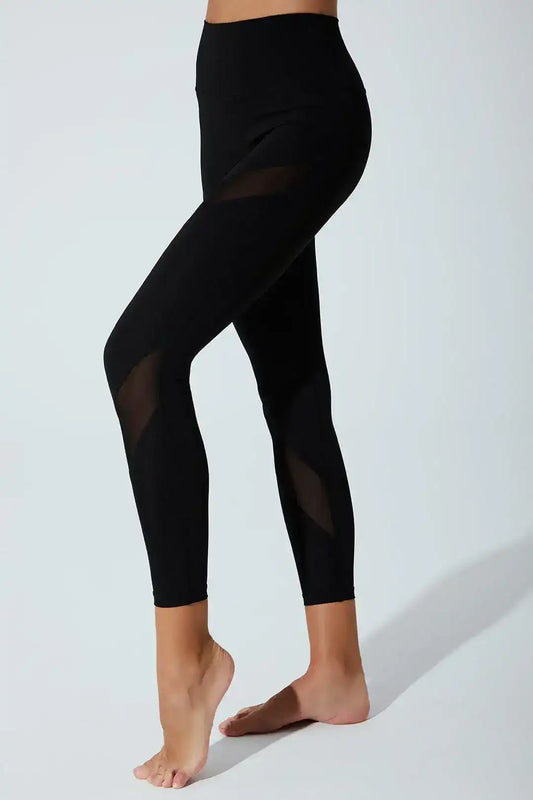
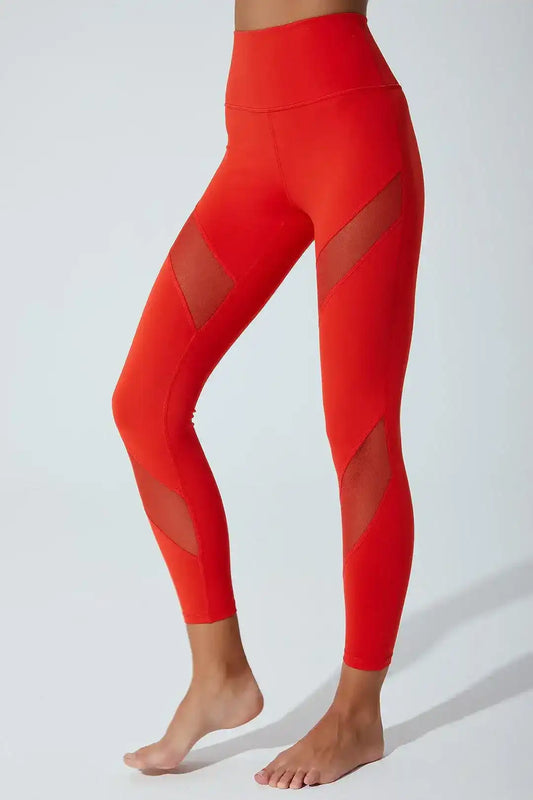
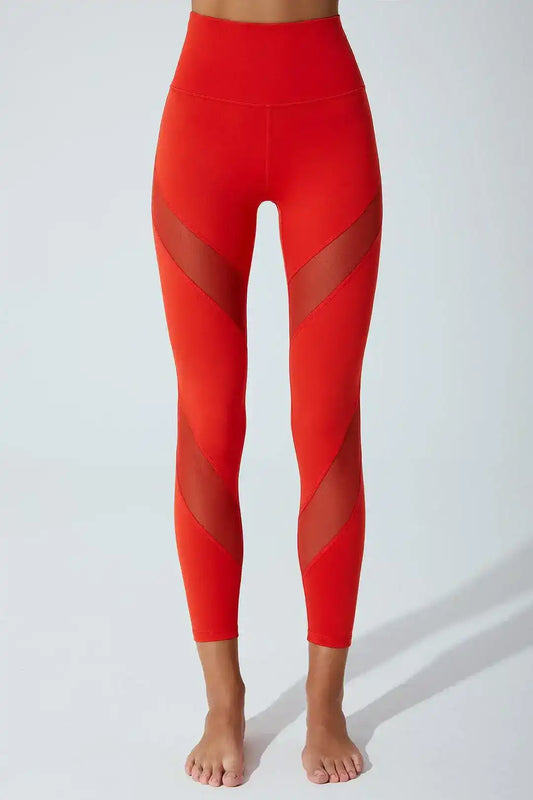
- Wear clothes that move with you. Breathable, stretchy pieces that stay put let you focus on the pose. Browse Olaben women’s yoga apparel for leggings and tops built for practice.
- Warm up first, even a couple of Cat-Cows, before deeper stretches.
- Be consistent. Short, regular sessions beat the occasional long one.

Common Mistakes to Avoid
- Pushing into pain. A stretch should feel like tension, not a sharp pinch. Back off and use a block.
- Holding your breath. Beginners often clench and forget to breathe. Let the breath lead the movement.
- Locking the joints. Keep a micro-bend in your knees and elbows instead of jamming them straight.
- Placing the foot on the knee in Tree Pose. Set it above or below the knee, never directly on the joint.
- Skipping the rest poses. Child’s Pose and Corpse Pose are part of the work, not a bonus.
- Comparing yourself to others. Depth comes with time. Focus on your own alignment and breath.
Frequently Asked Questions
What are the best yoga poses for a total beginner?
Start with Mountain Pose, Child’s Pose, Cat-Cow, Downward Dog, and Corpse Pose. They are safe, simple, and teach you the basics of alignment and breathing before you add standing and balance poses.
How long should a beginner hold each pose?
Aim for 3 to 5 slow breaths per pose, or about 15 to 30 seconds. Resting poses like Legs Up the Wall and Corpse Pose can be held for several minutes.
How often should I practice yoga as a beginner?
Three or four short sessions a week is a realistic and effective start. Consistency matters more than length, so even 15 to 20 minutes counts. Our guide on how many minutes of yoga to practice each day goes deeper.
Do I need to be flexible to start yoga?
No. Flexibility is a result of practicing yoga, not a requirement for starting. Use props, keep a slight bend in your joints, and your range of motion will improve over time.
What should I wear for beginner yoga?
Choose breathable, stretchy clothing that stays in place when you bend and invert. Fitted leggings and a supportive top work well. Explore Olaben women’s yoga apparel for options made to move with you.
Conclusion
You do not need much to begin a yoga practice: a mat, a little space, and a short list of poses you can return to again and again. These 13 basics cover strength, flexibility, balance, and rest, which is everything a beginner practice needs. Move slowly, breathe, and let the poses become familiar.
When they do, flow them together with the simple sequence above, then explore longer classes like a 15-minute beginner flow. Pair steady practice with a good mat, a couple of blocks, and supportive Olaben apparel, and every session becomes a little easier than the last.