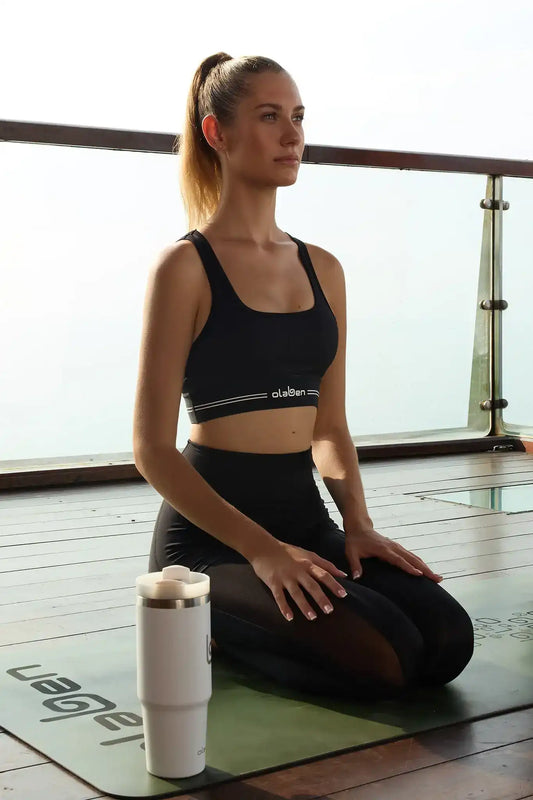
Breathing is something we do every day, but stress, poor posture, and modern lifestyles can gradually affect how efficiently our lungs function. Yoga breathing exercises, also known as pranayama, offer a simple and natural way to support lung health, improve oxygen intake, and encourage deeper, more mindful breathing. Combined with movement and relaxation techniques, regular yoga practice may help strengthen the diaphragm, improve breathing capacity.
Let’s explore how yoga breathing exercises can help strengthen the lungs and support better respiratory function.
Why Lung Health Matters
The lungs play a vital role in delivering oxygen to every cell in the body while removing carbon dioxide. Healthy lungs support energy production, circulation, brain function, and overall vitality. However, lung capacity naturally declines with age, and factors such as pollution, smoking, chronic stress, poor posture, asthma, bronchitis, and respiratory infections can further weaken breathing efficiency.
Although the average lung capacity is around six liters, most people only use a small portion of that during normal breathing. Shallow breathing limits oxygen exchange and may contribute to fatigue, tension, and reduced endurance. Yoga breathing exercises help train the body to breathe more fully and efficiently, improving oxygen delivery throughout the body.

Why Deep Breathing Matters for Lung Health
Many people only use a small portion of their full lung capacity during everyday breathing. Shallow breathing may reduce oxygen intake, increase tension, and make the body feel more fatigued over time. Deep, mindful breathing helps expand the lungs more fully, improves oxygen exchange, and supports healthier respiratory function.
Yoga offers a natural way to reconnect with the breath through mindful movement, controlled breathing exercises, and relaxation techniques that encourage healthier respiratory patterns. Gentle styles such as Hatha Yoga, Yin Yoga, restorative yoga, and meditation yoga are often recommended for beginners who want to improve breathing awareness and reduce stress.
From gentle breathing exercises to chest-opening yoga poses, yoga can support respiratory health while also helping reduce stress and improve overall physical and mental balance. Over time, these breathing patterns may help improve lung efficiency, breathing awareness, posture, relaxation, and overall respiratory health.
Benefits of Yoga Breathing Exercises for the Lungs
Regular yoga breathing exercises can support healthier lungs and improve the overall efficiency of the respiratory system. Unlike shallow everyday breathing, mindful yogic breathing encourages slower, deeper breaths that help the lungs expand more fully and allow the body to absorb oxygen more effectively.
Practicing yoga breathing techniques regularly may provide several important respiratory benefits, including:
- Improving lung capacity
- Supporting deeper breathing patterns
- Strengthening the diaphragm
- Increasing oxygen intake
- Removing stale air trapped in the lungs
- Improving circulation and oxygen exchange
- Supporting respiratory muscle strength
- Reducing stress and anxiety that affect breathing
- Promoting relaxation and nervous system balance
- Supporting overall respiratory health
Deep breathing exercises may also help improve posture and chest expansion, allowing the lungs to function more effectively during daily activities and physical exercise. Over time, consistent breathing practice may help improve breathing control, increase respiratory endurance, and support better overall wellbeing.
How Yoga Improves Lung Function
Yoga supports lung health through a combination of controlled breathing exercises, chest-opening postures, mindful movement, and relaxation techniques.
- Deep Breathing Improves Oxygen Exchange: Slow, mindful breathing encourages fuller expansion of the lungs and improves the exchange of oxygen and carbon dioxide inside the alveoli, the tiny air sacs responsible for gas exchange.
- Breathing Exercises Remove Stale Air: Shallow breathing often leaves residual air trapped in the lower portions of the lungs. Yogic breathing techniques help release stale air, creating more room for fresh oxygen-rich air.
- Yoga Strengthens Respiratory Muscles: The diaphragm is the primary muscle used for breathing. Yoga breathing exercises strengthen the diaphragm and other supporting respiratory muscles, helping the lungs work more efficiently.
- Stress Reduction Supports Easier Breathing: Stress and anxiety often lead to shallow, rapid breathing patterns. Yoga promotes relaxation and nervous system balance, which can help slow the breath and reduce breathing tension.
Best Yoga Breathing Exercises for Better Lung Health
1. Pursed-Lip Breathing
Pursed-lip breathing is a simple but highly effective breathing technique that helps slow the breath and improve oxygen absorption.
How to Practice
- Sit comfortably with an upright spine.
- Inhale slowly through the nose.
- Purse the lips gently.
- Exhale slowly through the mouth.
- Make the exhalation longer and controlled.
- Continue for 3-5 minutes.
This breathing exercise may help improve lung efficiency, encourage deeper and slower breathing patterns, support oxygen exchange, and reduce shortness of breath. It can also be especially helpful for people experiencing mild respiratory discomfort or stress-related breathing tension.

2. Belly Breathing (Diaphragmatic Breathing)
Diaphragmatic breathing helps activate the diaphragm and encourages deeper breathing into the lower lungs.
How to Practice
- Lie comfortably on your back with knees bent.
- Place one hand on the belly and one on the chest.
- Inhale deeply so the belly rises more than the chest.
- Exhale slowly and relax the belly.
- Repeat for 3-5 minutes.
Regular practice may help strengthen the diaphragm, improve breathing depth, expand lower lung capacity, remove trapped stale air from the lungs, and promote relaxation and stress relief.

3. Crocodile Pose Breathing (Makarasana)
Crocodile Pose breathing encourages expansion into the back of the lungs, an area many people rarely fully engage during everyday breathing.
How to Practice
- Lie face down on the floor.
- Stack the hands and rest the forehead on top.
- Relax the entire body.
- Breathe deeply into the back ribs and upper back.
- Exhale slowly and relax into the floor.
- Continue for 3-5 minutes.
This exercise may help expand the back lungs, improve overall breathing capacity, encourage fuller lung engagement, and support relaxation and nervous system recovery.

Yoga for Respiratory Conditions
Although yoga should not replace medical treatment, breathing exercises may help support people with mild respiratory challenges when practiced safely. Yoga encourages slower, deeper breathing patterns that may help reduce tension, improve breathing awareness, and support overall lung function.
Asthma
For people with asthma, gentle breathing exercises and chest-opening yoga poses may help improve breathing control and reduce tightness around the respiratory muscles. Relaxation-focused practices can also help calm stress and anxiety, which sometimes contribute to breathing discomfort.
Helpful practices include:
- Fish Pose
- Cobra Pose
- Alternate Nostril Breathing
- Belly breathing
Chronic Obstructive Pulmonary Disease (COPD)
For individuals with Chronic Obstructive Pulmonary Disease (COPD), breathing techniques such as pursed-lip breathing and diaphragmatic breathing are commonly recommended to help improve airflow and reduce shortness of breath. These exercises may support more efficient breathing, encourage slower exhalation, and help the lungs work more comfortably during daily activities.
Bronchitis
For people with bronchitis, certain breathing exercises and gentle yoga practices may help improve mucus clearance, support breathing efficiency, and encourage more comfortable airflow.
Helpful practices include:
- Belly breathing
- Kapalabhati
- Gentle chest-opening yoga poses like Cobra Pose, Bridge Pose, Fish Pose, and Upward-Facing Dog
Always consult a healthcare professional before starting yoga if you have a chronic respiratory condition.
Tips for Practicing Yoga Breathing Safely
Small adjustments in your practice routine may also help improve focus, breathing awareness, and long-term respiratory benefits. To get the best results from yoga breathing exercises:
- Practice in a clean, well-ventilated space
- Avoid polluted or crowded environments
- Practice on an empty or light stomach
- Maintain an upright posture during seated breathing
- Start slowly and avoid forcing the breath
- Stay relaxed throughout the practice
- Practice consistently for long-term benefits
Even 10-15 minutes daily may help improve breathing awareness and lung function over time. By practicing mindfully and listening to your body, yoga breathing exercises can become a simple and sustainable part of a healthier lifestyle.
Final Thoughts
Yoga breathing exercises are a simple yet powerful way to support healthier lungs and improve breathing efficiency naturally. Techniques such as pursed-lip breathing, diaphragmatic breathing, and Crocodile Pose breathing can help strengthen respiratory muscles, increase oxygen intake, and improve lung capacity over time.
Along with mindful breathing, chest-opening yoga poses can further support respiratory health by improving posture, chest mobility, and lung expansion. Consistent practice may help reduce stress, support relaxation, and encourage deeper, healthier breathing patterns for overall wellbeing.
Creating a comfortable practice environment can also make breathing exercises more enjoyable. Many practitioners prefer breathable yoga clothes, supportive women’s short-sleeved sports shirts, lightweight women’s athletic shorts, sports bras, sports skirts, or a comfortable women’s sports jacket from Olaben to support easier movement and relaxation throughout practice.