

Sivananda Yoga is a well-known yoga tradition in the West, rooted in the philosophy of Swami Sivananda in Rishikesh, India. Since 1957, through the teachings of Swami Sivananda and Swami Vishnudevananda, this method has gradually spread and gained worldwide recognition. Sivananda Yoga focuses on bringing happiness, inner peace, and stress relief. Through the practice, you not only heal your soul but also deepen your connection with meditation, breathwork, and awareness.
What is Sivananda Yoga?
If you are looking for a gentle, slow-paced form of yoga that emphasizes inner relaxation, Sivananda Yoga is the perfect choice. It is considered one of the most calming yoga styles, with slow and steady movements that allow you to focus deeply on meditation, breath, and spirituality. Many call Sivananda Yoga the “yoga of happiness and peace.” Throughout the practice, you are guided to embrace core values such as service, love, giving, purification, meditation, and awareness.

The primary goal of Sivananda Yoga is to cultivate inner peace, not only during practice but also in everyday life. To achieve this, beginners are introduced to six foundational principles:
-
Asanas (Postures)
-
Pranayama (Breathing)
-
Savasana (Relaxation)
-
Vegetarianism (Healthy Eating)
-
Vedanta (Positive Thinking)
-
Dhyana (Meditation)
Benefits of Sivananda Yoga
Beyond offering deep benefits for the mind, spirit, and emotions, Sivananda Yoga also strengthens and makes your body more flexible. Since this yoga style places strong emphasis on breathwork, every session feels like a cleansing process helping you gradually notice increased strength, balance, and flexibility.
With regular practice, you’ll find yourself more energized, optimistic, and free from stress. Better, deeper sleep comes naturally, making it especially suitable for those looking to transform negative thoughts into positive energy in daily life.

Key Elements to Keep in Mind in Sivananda Yoga
With Sivananda Yoga, you learn to meditate, breathe mindfully, and nurture peace within. To fully benefit, pay close attention to these core aspects of practice:
1. Asanas – Postures
Postures and breath always go hand in hand. In Sivananda Yoga, movements are performed slowly and mindfully but with precision and steady breathing. Regular practice strengthens the body, improves flexibility, and enhances joint mobility. More importantly, Asanas connect the mind with the breath, restoring balance.
2. Pranayama – Breathing
Even the most perfect posture loses its power without correct breathing. In Sivananda Yoga, breathwork is central especially during meditation, where it accounts for nearly 90% of the practice. Deep, proper breathing supplies oxygen to the heart, lungs, and brain, nurturing both body and mind. Without mindfulness and breath control, the practice becomes challenging.
3. Savasana – Relaxation
Relaxation is not just part of practice but also an essential daily habit. In Sivananda Yoga, restorative postures like Savasana help the body recover, reduce stress, relieve nervous fatigue, and renew energy. It is the key to finding balance after long hours of work or study.

4. Vegetarianism – Healthy Diet
A nourishing diet goes hand in hand with yoga. In Sivananda Yoga, a plant-based, natural, and pure diet is encouraged to support body and mind. Fruits, grains, nuts, dairy, and honey provide clean energy, help reduce excess weight, and bring peace of mind.
5. Vedanta – Positive Thinking
Yoga is not only physical but also mental training. Sivananda Yoga encourages cultivating a positive mindset, letting go of negative thoughts that often lead to stress or depression. While maintaining positivity can be challenging, daily practice gradually nurtures optimism and a joyful spirit.
6. Dhyana – Meditation
Meditation is the gateway to stillness and self-discovery. With a calm mind, challenges in life become easier to face. Through seated meditation, focused breathing, and yoga postures, you achieve clarity, lightness, and readiness to embrace life’s experiences. Meditation is not just practice, it is a journey back to yourself.
By understanding these fundamentals and practicing with sincerity, Sivananda Yoga becomes a transformative journey freeing your body, nurturing your spirit, and helping you discover true peace.
12 Essential Sivananda Yoga Poses You Should Know
Sivananda Yoga is a classical yoga tradition with a clear, disciplined class structure. A standard Sivananda class is not only about practicing postures. It combines relaxation, breathing, movement, and recovery to balance both body and mind.
A typical session begins with a short relaxation period to help the body and mind slow down. This is followed by 15 to 20 minutes of pranayama, focusing on two core breathing techniques:
- Kapalabhati (Breath of Fire) helps cleanse the lungs and activate energy
- Anuloma Viloma (Alternate Nostril Breathing) helps balance the nervous system and regulate the breath
Next, students practice the Sun Salutation sequence with 12 movements, performed at a fast or slow pace depending on the teacher’s guidance. After this warm-up, the class moves into the core practice: the 12 basic Sivananda yoga poses, arranged in a scientific order to work the body as a whole.
Headstand
- Lie on your back on the mat, arms alongside the body, palms facing down
- Inhale and use your core to lift both legs straight up
- Support your lower back with your hands and slowly lift the hips and torso so the legs point upward
- Keep the neck and shoulders relaxed, with weight resting on the shoulders
- Breathe steadily, hold for a few breaths, then lower down slowly
Shoulder Stand
- From the previous position, keep both legs straight and engaged
- Continue supporting the back with your hands, elbows drawing toward each other
- Keep the neck still and avoid turning the head
- Breathe deeply and evenly
- To exit, slowly lower the back and legs down
Plow Pose
- From Shoulder Stand, exhale and slowly lower the legs behind the head
- Aim to bring the toes to the floor if possible
- Hands may support the back or rest extended on the floor
- Keep the spine long and avoid pressure on the neck
- Hold for a few breaths, then return to a lying position
Fish Pose
- Lie on your back with legs extended
- Place both hands under the hips, palms facing down
- Inhale, lift the chest, and gently tilt the head back
- Let the crown of the head lightly touch the mat, with weight on the elbows
- Breathe evenly, then slowly release
Seated Forward Bend
- Sit upright with legs extended forward
- Inhale and reach both arms overhead
- Exhale and fold forward from the hips, reaching toward the feet
- Keep the spine long and avoid rounding the neck too deeply
- Hold the pose and breathe steadily
Cobra Pose
- Lie on your stomach with hands under the shoulders, elbows close to the body
- Inhale, press the hands into the mat, and lift the chest
- Gently open the shoulders, gaze forward or slightly upward
- Keep the hips and abdomen on the floor
- Hold for a few breaths, then lower down
Locust Pose
- Lie on your stomach, arms alongside the body, palms facing down
- Inhale and lift one leg or both legs off the floor
- Engage the glutes and lower back while keeping the upper body stable
- Breathe evenly
- Lower the legs gently
Bow Pose
- Lie on your stomach, bend the knees, and hold the ankles with your hands
- Inhale, lift the chest and pull the legs upward
- Allow the body to form a bow shape
- Balance on the abdomen and breathe steadily
- Exhale and release slowly
Spinal Twist
- Sit upright with legs extended
- Bend one leg and place the foot outside the opposite leg
- Twist the torso toward the bent leg, placing the hands on the knee or floor
- Keep the spine tall during the twist
- Switch sides after a few breaths
Crow Pose
- Squat down and place both hands on the floor in front of you
- Bend the elbows and rest the knees on the upper arms
- Slowly shift the weight forward
- Lift both feet off the floor if possible
- Hold briefly while breathing evenly
Standing Forward Bend
- Stand upright with feet hip-width apart
- Inhale and reach the arms upward
- Exhale and fold forward from the hips
- Let the hands touch the floor or the lower legs
- Relax the neck and shoulders
Triangle Pose
- Stand with feet wide apart
- Turn the right foot outward and the left foot slightly inward
- Extend both arms out to shoulder height
- Lean to the right, placing the right hand on the shin or the floor
- Extend the left arm upward and gaze toward the raised hand
- Switch sides after holding for several breaths
This sequence of 12 poses alternates between forward bends, backbends, twists, and inversions. It is designed to stimulate the spine, digestive system, blood circulation, and endocrine system.
After completing the main sequence, teachers may guide students through additional poses such as Bridge Pose, Camel Pose, or Butterfly Pose, depending on the class level and duration.
Finally, the session concludes with 10 to 15 minutes of deep relaxation in Corpse Pose (Savasana). This essential closing phase allows the body to fully absorb the benefits of the practice and brings the mind into a state of balance and calm.
Conquer Sivananda Yoga with Olaben
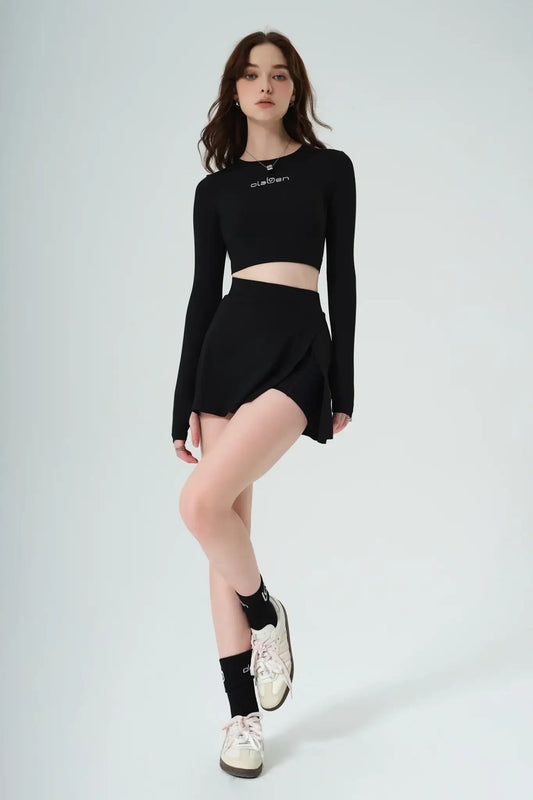
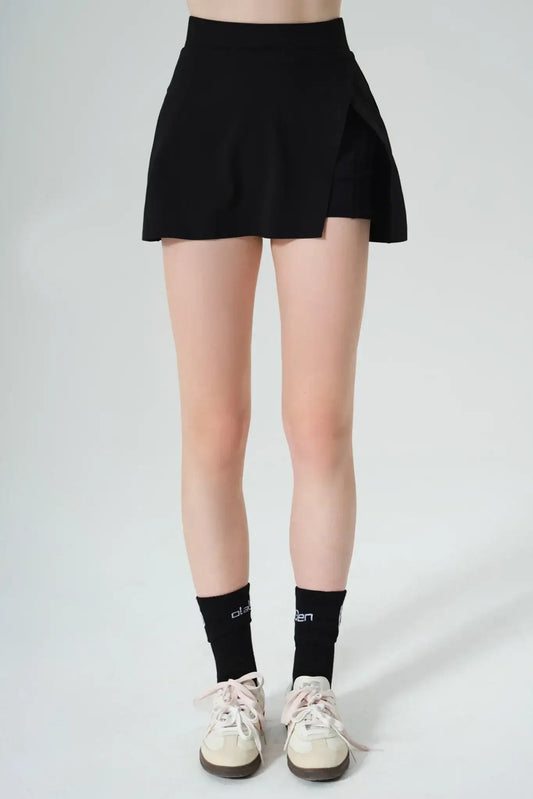
To make your Sivananda Yoga journey fulfilling, choosing the right apparel and accessories is essential. At Olaben, you can find:
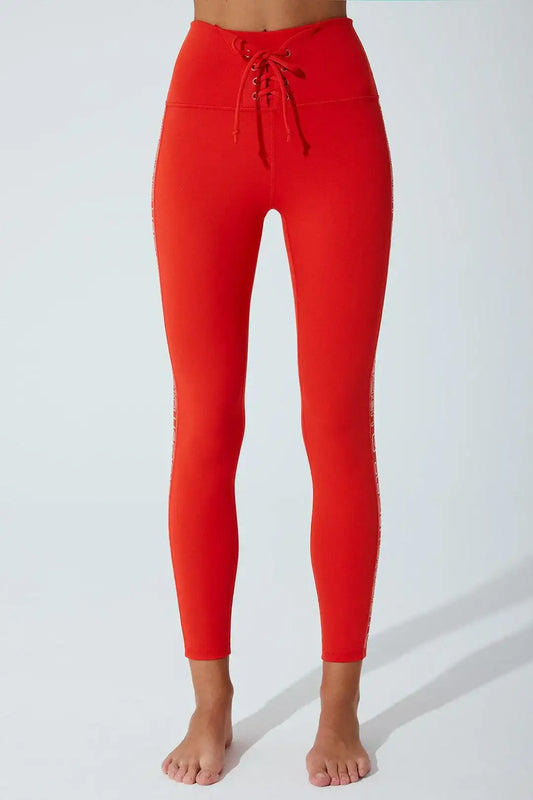
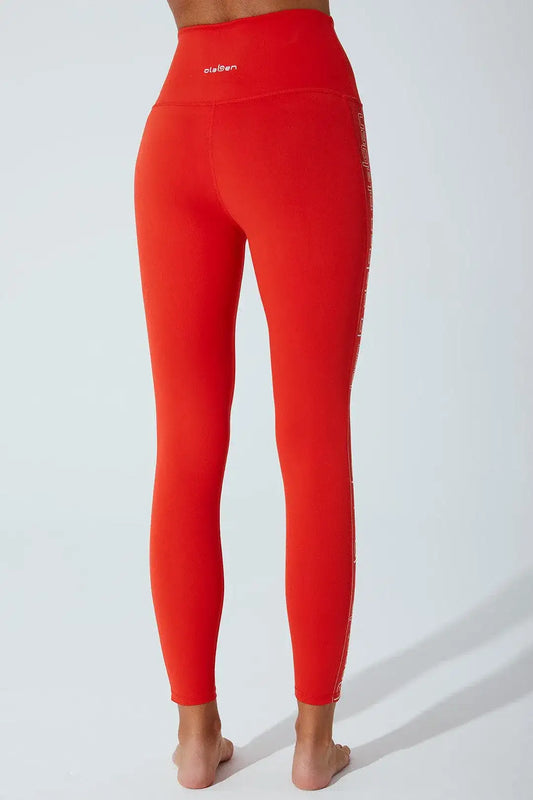
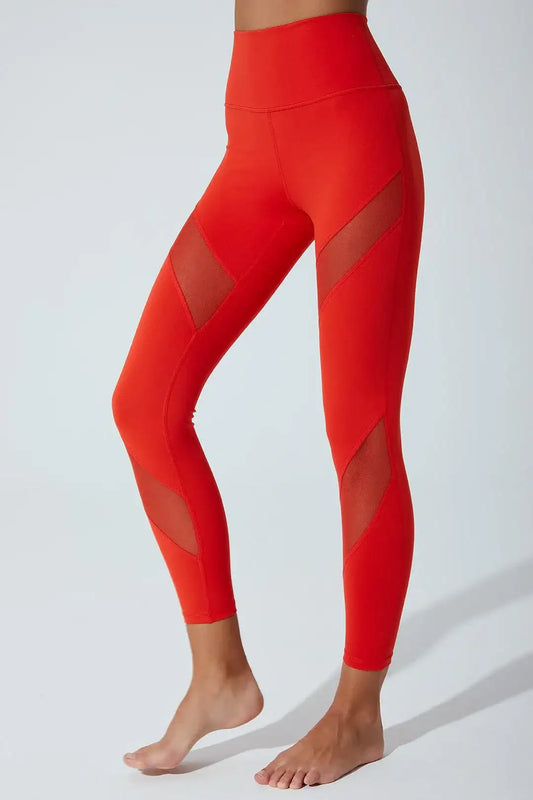
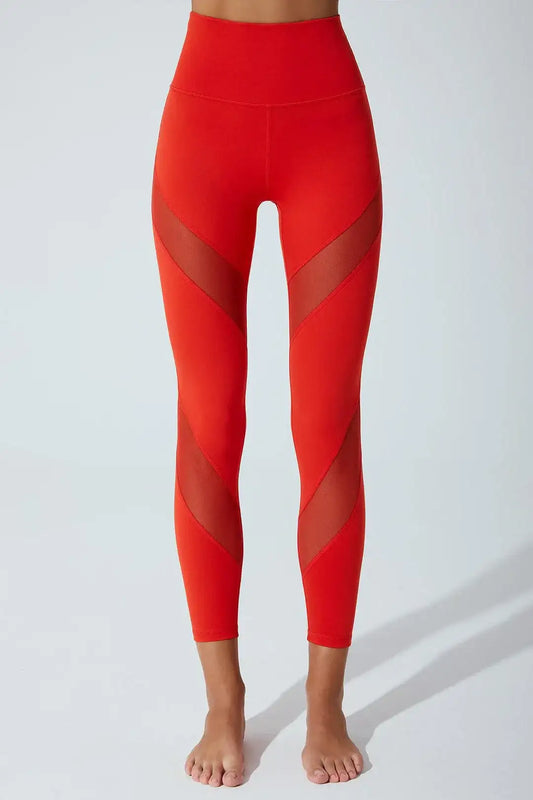
- Flexible leggings
- Supportive sports bras
- Comfortable crop tops and tank tops
- Stylish jumpsuits and shorts
Beyond clothing, Olaben also offers high-quality yoga mats and essential gear like water bottles, sports bags, and training socks. By combining the wisdom of Sivananda Yoga with Olaben’s specialized products, you’ll move closer to inner peace, relaxation, and a flow of positive energy every day.
Visit Olaben Store for an In-Person Experience
Try out the latest designs and receive dedicated advice from the Olaben team at our showrooms:
Ho Chi Minh City
- Flagship Store: 1M, Street 10, Thao Dien, District 2 (Thu Duc) – Hotline: 092.828.2088
- Nguyen Trai: 35 Nguyen Trai, Ben Thanh, District 1 – Hotline: 036.428.2088
Hanoi
- Vincom Times City: 458 Minh Khai, Vinh Phu, Hai Ba Trung – Hotline: 037.928.2088
- 263 Pho Hue, Hai Ba Trung