Mountain Pose (Tadasana) is one of the most fundamental yoga poses, helping practitioners build correct posture, improve balance, and connect the body with the breath. Although it may look simple at first glance, when practiced with proper technique, Mountain Pose can provide numerous physical and mental benefits. In this article, Olaben will help you understand what Mountain Pose is, its key benefits, and how beginners can practice Tadasana correctly to ensure a safe and effective yoga session.
What is Mountain Pose (Tadasana)?
Mountain Pose (Tadasana) is one of the most basic and essential yoga poses, serving as a foundation for most standing postures in yoga. In Sanskrit, “Tada” means mountain, and “Asana” means posture or pose, implying stability, strength, and balance in the body.
Mountain Pose is often used as a preparatory stance before transitioning into other standing poses, but it can also be practiced on its own to improve posture, enhance balance, and increase body awareness. This pose is a key element in most yoga sequences, especially those involving standing movements, and is commonly performed before poses such as standing forward bends.

What Are the Health Benefits of Mountain Pose?
Although a simple yoga pose, Mountain Pose (Tadasana) plays an important role in building a proper movement foundation for the body. When performed correctly, this pose helps align the spine, activate muscles, and improve coordination between movement and breath in yoga. As a result, Tadasana offers many practical benefits for both physical and mental health.
Improves Posture and Stability
Tadasana trains the body to stand correctly along its axis, distributing weight evenly through the feet while maintaining the spine’s natural alignment. This helps prevent postural imbalances and reduces pressure on the back and neck.
Supports Bone Development in Children
For children and adolescents, practicing Mountain Pose regularly helps stretch the spine and muscles, promoting healthy growth and height development during growth phases.
Positive Impact on Mental State
While holding the pose, practitioners focus on their breath and body awareness, which can calm the mind, reduce stress, and enhance concentration.
Enhances Breathing Efficiency
By expanding the chest and maintaining an upright posture, air flows more freely into the lungs, supporting better lung function and deeper breathing.
Supports Weight Management
When practiced correctly, Tadasana engages multiple muscle groups evenly, helping to boost metabolism and support the body’s natural calorie-burning processes.
Increases Alertness and Energy
Mountain Pose is often considered an “energizing” pose that awakens the body, increases alertness, and reduces fatigue.
Contributes to Emotional Balance
By positively affecting the nervous system, Tadasana can help stabilize mood, improve memory, and enhance attention in daily activities.
Helps Prevent Sciatica Pain
Proper spinal alignment and balanced weight distribution in Mountain Pose help reduce pressure on the sciatic nerve, supporting pain relief and preventing related issues.

How to Practice Mountain Pose (Tadasana) Correctly
As a fundamental yoga pose, Mountain Pose (Tadasana) is perfect for beginners. However, to practice it correctly and fully experience its benefits, it’s important to follow each step slowly and mindfully.
How to Practice Mountain Pose Standing (Standard Tadasana)
- Stand tall on your yoga mat, with your feet together or slightly apart and parallel, toes pointing forward.
- Distribute your body weight evenly across both feet, maintaining a sense of stability and grounding.
- Relax your shoulders without shrugging; let your arms hang naturally along your sides, palms facing inward.
- Inhale deeply and slowly raise your arms overhead; you can interlace your fingers or keep your palms parallel.
- Lengthen your spine from the tailbone to the crown of your head, keeping your body aligned in a straight line.
- Open your chest moderately, gently draw in your abdomen, avoiding arching your back or tensing your body.
- Keep your neck straight, chin parallel to the floor, and gaze forward.
- Once comfortable, you can lift your heels slightly off the ground to stand on the balls of your feet, enhancing balance in yoga.
- You may also try a single-leg variation, lifting one foot to rest lightly against the inner calf or thigh of the standing leg.
- Hold the pose for 15–30 seconds, breathing deeply and evenly.
- Exhale, slowly lower your arms and feet back to the starting position, and relax your body.
How to Practice Mountain Pose Lying Down
- Lie flat on your back on a yoga mat; place a thin towel under your head if needed.
- Extend your legs fully, with your arms resting alongside your body.
- Inhale deeply and slowly raise your arms overhead, interlacing your fingers.
- Stretch your entire body from fingertips to toes, feeling a gentle elongation.
- Keep your legs straight or adjust slightly for comfort.
- Hold the pose for a few deep breaths, focusing on slow, even abdominal breathing.
- Exhale and gently lower your arms, extend your legs, and slowly sit up.

Common Mistakes When Practicing Mountain Pose (Tadasana)
Even though Mountain Pose is a basic yoga posture, many practitioners make mistakes that reduce its effectiveness or create unnecessary tension. Here are some common errors to watch out for:
Rushing Into the Pose
Because it looks simple, Mountain Pose is often performed too quickly. Instead of rushing, take a few breaths to position your body correctly, connect with your body, and prepare mentally for the following poses. This helps improve focus and balance.
Incorrect Hip and Thigh Rotation
Beginners often rotate their thighs outward or fail to align the hips properly, causing instability. You can practice by imagining a block between your thighs, gently squeezing and rotating the thighs inward. After several repetitions, your body will learn the correct rotation naturally without the block.
Misalignment of the Body Axis
The spine, hips, and shoulders should be aligned in a straight line. Check the alignment from your ankles to your shoulders, ensuring the joints stack correctly. A small mirror can help you observe and adjust your posture for better stability and precision.
Tensing the Shoulders and Neck
Shoulders and neck should stay relaxed, avoiding shrugging or tightening. Maintain a natural elongation, especially in the shoulders, neck, and upper back, to hold the pose longer without muscle strain.
Holding Your Breath
Breathe deeply, slowly, and evenly, avoiding holding your breath or shallow, rapid breathing. Steady breathing helps the body relax, improves balance, and enhances the stretching effect.
Precautions When Practicing Mountain Pose (Tadasana)
Although Mountain Pose (Tadasana) is a simple yoga posture, it still requires correct technique to achieve its full health benefits. Practicing incorrectly or in a way that doesn’t suit your body can reduce effectiveness or cause discomfort. Keep the following points in mind during practice:
- Mountain Pose can be performed in various forms, standing, seated, or lying down, so choose the variation that best fits your fitness level and health condition.
- Avoid practicing if you are experiencing headaches, dizziness, or prolonged insomnia, as it may worsen your condition.
- Those with a history of low blood pressure or taking blood-thinning medications should exercise caution and consult a professional before practicing.
- Pregnant women can practice Mountain Pose, but safety and stability should be prioritized. When standing, keep your feet shoulder-width apart or slightly wider for better balance, avoiding any risk of falling.
- Throughout the practice, maintain steady, natural breathing. Do not hold your breath or tense your body unnecessarily.
- If you feel pain, numbness, or dizziness, stop immediately, adjust your posture, or rest.

Preparing Clothing and Accessories for Tadasana with Olaben
A successful yoga session depends not only on technique but also on proper clothing and supportive accessories. Proper preparation helps you move comfortably, maintain balance, and maximize the Tadasana experience. Olaben offers high-quality, practical options for every yoga need.
Choose Comfortable Clothing
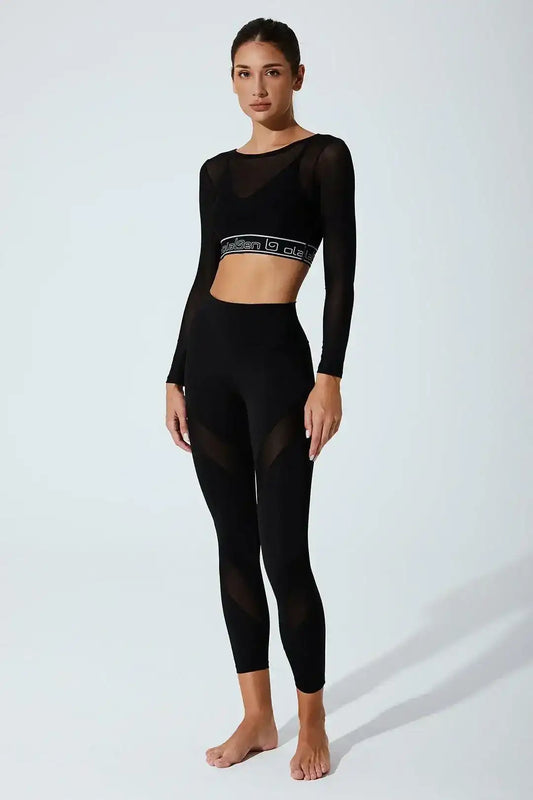
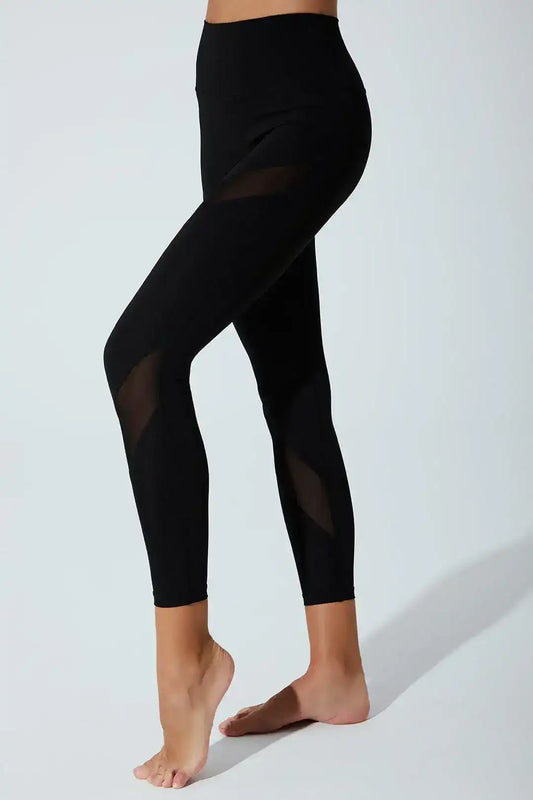
- Stretchy, breathable yoga apparel: Soft, elastic leggings or yoga pants allow you to perform Tadasana and other poses without restriction.
- Fitted tops for women: Tank tops or long-sleeve fitted tops that allow free arm movement, ensuring they stay in place when raising arms overhead.
- Material and color: Choose moisture-wicking, breathable fabrics to keep your body dry. Olaben offers a variety of yoga apparel made from soft, durable, and colorfast fabrics.
Supportive Accessories
- Yoga mat: A mat of moderate thickness provides cushioning for your feet and back, with anti-slip surfaces to help you maintain balance in Tadasana.
- Yoga blocks: Useful for beginners to feel proper alignment and support correct thigh rotation.
- Yoga strap: Helps gently stretch muscles and supports advanced variations once you are comfortable with the pose.
- Towel and water bottle: Keep your body clean and hydrated, increasing comfort during practice.
Tips from Olaben: Preparing comfortable clothing and supportive accessories makes practicing Tadasana easier, improves balance, and allows you to fully enjoy the health benefits of the pose. Proper attire helps the body relax, focus on breath and posture, and reduces the risk of muscle strain or slipping.
Conclusion
Mountain Pose (Tadasana) is a foundational yoga posture that improves posture, balances the body, and connects you with your breath. Practicing it correctly brings both physical and mental benefits, including stronger spinal endurance, improved concentration, and emotional stability. Using comfortable clothing and supportive accessories from Olaben ensures safe practice and lets you fully enjoy the benefits of Tadasana. Practice patiently, focus on your breath and posture, and develop a sustainable yoga habit.