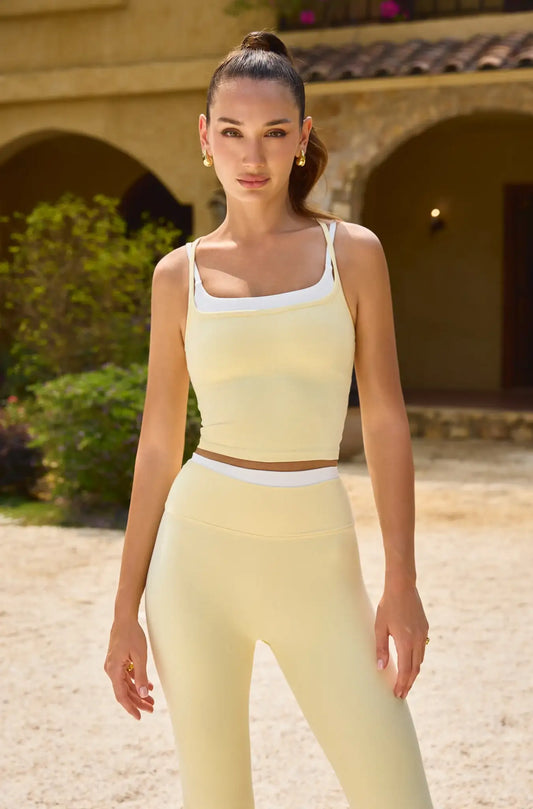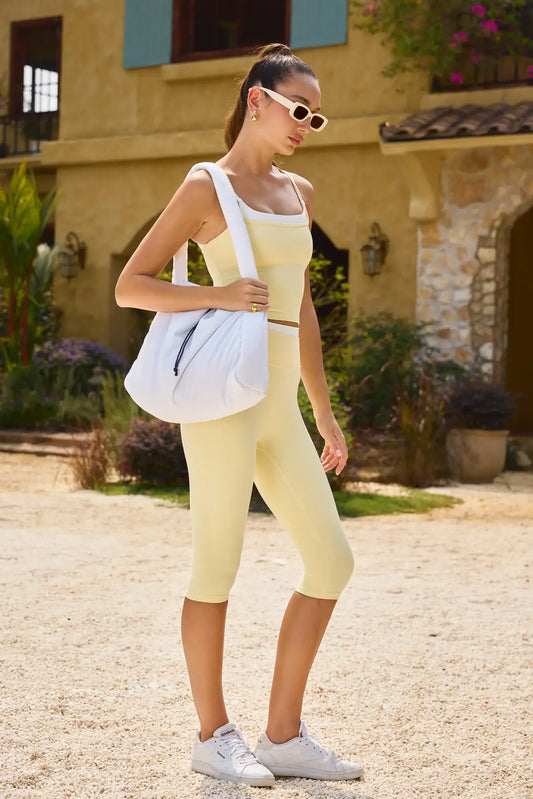


A slim waist and soft, balanced curves, the classic “hourglass” silhouette, are goals many women aspire to achieve. However, creating a beautifully defined waistline is not simply about reducing belly fat. It also requires properly engaging and tightening the muscles, while incorporating well-rounded training for the entire core, glutes, and back. If you’re unsure where to begin, Olaben introduces 10 effective at-home waist-sculpting exercises below.
Secrets to Achieving a Slim Waist Quickly and Safely for Women
A beautiful waistline is not shaped by a few tightening exercises alone. It is the result of a harmonious combination of balanced nutrition, smart training, and a clear understanding of your own body. When you build the right foundation, your curves gradually emerge, subtle yet captivating.
Prioritize Healthy Nutrition Instead of Extreme Dieting
If you want a slimmer waist, the first step is managing excess fat accumulation. Your daily meals play a decisive role in this process. Rather than drastically cutting calories, focus on a balanced approach that prioritizes fresh foods rich in fiber, lean protein, and wholesome carbohydrates.
The Eat Clean approach, centered on whole, minimally processed foods while limiting fried and heavily processed items, allows your body to receive adequate nutrients while maintaining reasonable calorie control. When your metabolism functions more efficiently, excess abdominal fat gradually improves. The key is not eating less, but eating smarter.
Don’t Focus Solely on Ab Exercises
Many people believe that training abs every day will quickly create a smaller waist. In reality, continuously tightening abdominal muscles may make them firmer, but if the outer layer of fat has not decreased, your waistline will not change significantly.
Fat loss is a full-body process. Therefore, structure your workout schedule wisely: dedicate 1–2 sessions per week to core-focused exercises and alternate them with cardio or full-body workouts to stimulate overall fat burning. As body fat decreases, your waist naturally becomes more defined. You may also incorporate cardio exercises such as jump rope, jogging, or brisk walking to enhance results.
Enhance Glute Development for a Visual Effect
One subtle secret to making your waist appear smaller is strengthening and shaping your glutes. When your hips are firm and well-developed, your body proportions become more balanced, creating a naturally more defined waistline.
You can incorporate exercises such as squats, lunges, hip thrusts, or leg-raise variations into your routine. Training your glutes not only enhances curves but also improves lower-body strength and posture.
Train Shoulders and Back to Complete the “Hourglass” Shape
A balanced physique requires harmony between the upper and lower body. When shoulders and back muscles are trained properly, the upper body develops a gentle V-shape, highlighting the waist at the center.
Back and shoulder exercises not only help tone the arms but also create graceful definition along the back. This proportional balance is what gives the “hourglass” figure its refined allure, subtle, elegant, and undeniably attractive.
In summary, achieving a beautifully defined waist does not require extreme or restrictive methods. By combining mindful nutrition, diverse training, and long-term consistency, you allow your body to become strong from within. When your health is nurtured internally, your natural curves will gradually take shape in a sustainable and graceful way.
10 Effective At-Home Waist-Sculpting Exercises
Plank
The plank is a foundational movement that activates the entire core muscle group, especially the transverse abdominis, the body’s “natural corset” that helps create a slimmer, firmer waistline.

How to perform:
Step 1: Lie face down on a mat. Place your forearms on the floor with elbows positioned directly under your shoulders. Extend your legs straight back, toes tucked under.
Step 2: Lift your entire body off the floor, forming a straight line from head to heels. Avoid arching your lower back or lifting your hips too high.
Step 3: Engage your abdominal muscles and maintain steady breathing for 30–60 seconds.
Step 4: Lower your body to rest for 15–20 seconds, then repeat for 2–3 sets.
Note: Do not hold your breath while planking. Focus on feeling the lower abs and both sides of the waist actively engaged.
Plank High Knee
Plank High Knee is an advanced variation of the basic plank. It increases heart rate, supports fat burning, and more directly targets the lower abs and obliques.

How to perform:
Step 1: Begin in a high plank position (arms straight, palms under shoulders, body forming a straight line).
Step 2: Keep your hips stable and slowly draw one knee toward your chest, tightening your core as you move.
Step 3: Return your foot to the starting position and switch to the other leg.
Step 4: Alternate legs for 10–12 repetitions per side, completing 2–3 sets.
Tip: Avoid swaying your hips from side to side. The more controlled and steady your movement, the more effectively your abdominal muscles will be activated.
When combined, these two exercises help improve endurance while gradually shaping a firmer, more balanced waistline over time.
Plank Moving Hip
This plank variation strongly targets the obliques, the muscle group that defines how clearly your waist appears “cinched.” When performed with proper technique, you will clearly feel both sides of the waist stretching and deeply engaging.

How to perform:
Step 1: Start in a forearm plank position (elbows under shoulders, legs extended and close together). Your body should form a straight line from head to heels.
Step 2: Keep your core stable and slowly rotate your hips to the right until they nearly touch the floor, without letting your thighs rest on the mat.
Step 3: Engage your abs and return your hips to the center, then rotate to the left.
Step 4: Alternate sides for about 15–20 repetitions per set.
Note: The movement should come from your waist and hips, not your shoulders. Maintain a steady rhythm and avoid rotating too quickly, as this may compromise your form.
Plank High Knee Twist
This movement combines lower abdominal engagement with waist rotation, helping tone the entire core, especially the lower abs and obliques.

How to perform:
Step 1: Begin in a high plank position with arms straight under your shoulders, body extended, and gaze directed toward the floor.
Step 2: Bend one knee and gently rotate your hips to guide the knee toward the opposite elbow. Feel your abs and waist tighten as you move.
Step 3: Extend your leg back to the starting position with control.
Step 4: Switch sides and repeat. Perform 10–12 repetitions per side.
Training tip: Keep your hips low and avoid lifting them too high while drawing your knee in. The more controlled the diagonal twisting motion, the deeper and more effectively your core muscles will be activated.
Bicycle Crunch
This is one of the most classic and effective exercises for simultaneously engaging the upper abs, lower abs, and obliques, supporting the development of defined abdominal lines and a slimmer waist.

How to perform:
Step 1: Lie on your back on a mat. Raise your legs so your thighs are perpendicular to the floor and your shins are parallel to it. Place your hands lightly behind your head or gently at your temples.
Step 2: Lift your shoulders slightly off the mat while extending one leg forward and pulling the opposite knee toward your chest.
Step 3: Rotate your upper body so the opposite elbow moves toward the bent knee.
Step 4: Alternate sides smoothly in a pedaling motion, performing 15–20 repetitions per side.
Note: Avoid pulling on your neck while rotating. Focus on twisting from the waist and maintain steady breathing to ensure effective abdominal engagement.
Twisting Waist Touch Feet
This exercise directly targets both sides of the waist, helping tone the obliques and reduce fat accumulation around the hips.

How to perform:
Step 1: Lie on your back with knees bent and feet flat on the floor, placed close together. Extend your arms alongside your body.
Step 2: Slightly lift your shoulders off the mat and engage your core to stabilize your body.
Step 3: Lean your upper body to the right, reaching your right hand toward your right heel.
Step 4: Return to the center, then lean to the left, reaching your left hand toward your left heel.
Step 5: Continue alternating sides for 20–30 repetitions per set.
Tip: Keep your lower back pressed firmly against the floor and control the movement slowly to clearly feel your obliques working.
Leg Raise
This leg raise variation not only targets the lower abs but also activates the midsection and obliques, helping create a firmer and more defined waistline.

How to perform:
Step 1: Lie on your back with legs extended and close together. Extend one arm overhead while the other rests alongside your body.
Step 2: Keep one leg stable while slowly lifting the other leg straight up.
Step 3: Simultaneously lift your shoulders and upper back off the floor, reaching the opposite hand toward the raised ankle. Engage your abs firmly at the top of the movement.
Step 4: Lower your body and leg with control, avoiding letting the leg fully touch the floor to maintain tension in the abdominal muscles.
Step 5: Perform 10–12 repetitions, then switch sides.
Note: Keep your lower back pressed against the mat to avoid placing strain on the spine. Move slowly and focus on muscle engagement rather than speed.
Side Twisting Waist
This movement concentrates on the obliques, helping create a more defined “cinched” waist and improving firmness around the hips.

How to perform:
Step 1: Lie on one side and support yourself on your forearm, ensuring your shoulder is aligned directly above your elbow. Slightly bend the lower leg for balance and extend the top leg straight.
Step 2: Lift the top leg while bending the knee toward your torso and crunching your waist to bring your elbow toward your knee.
Step 3: Squeeze your obliques at the highest point, then slowly extend your arm and leg back to the starting position.
Step 4: Perform 10–12 repetitions per side before switching.
Tip: Avoid leaning forward or backward. Keep your torso stable so the effort remains focused on the waist rather than shifting to the shoulders or hips.
Twist Crunch
Twist Crunch is an advanced variation of the traditional crunch, specifically targeting the obliques, the key muscles that help create a slimmer waist with a more defined “cinched” appearance.

How to perform:
Step 1: Lie on your back on a mat with knees bent and feet flat on the floor. Place your hands lightly behind your head, avoiding pulling on your neck.
Step 2: Cross one ankle over the opposite thigh.
Step 3: Lift your shoulders off the floor while rotating your upper body, guiding the opposite elbow toward the crossed knee. Engage your abs firmly at the top of the movement.
Step 4: Lower yourself back down with control and repeat for 10–12 repetitions before switching sides.
Note: Focus on rotating from your waist rather than pulling with your neck or shoulders. Slow, controlled movement ensures deeper and more effective oblique activation.
Lying Twist
The Lying Twist gently stretches and engages both sides of the waist while improving flexibility in the hips and lower spine. It is an excellent movement to combine light core engagement with relaxation after higher-intensity exercises.

How to perform:
Step 1: Lie on your back with arms extended out to the sides, forming a “T” shape for balance.
Step 2: Bend both knees so your thighs are perpendicular to your torso and your shins are parallel to the floor.
Step 3: Keeping your shoulders pressed to the mat, slowly rotate your hips and lower your legs to one side until they nearly touch the floor.
Step 4: Bring your legs back to the center, then repeat on the opposite side. Perform 10–12 repetitions per side.
Tip: Move slowly and maintain steady breathing. This exercise does not require speed, stability and control will help you feel a gentle stretch and engagement along the waist.
Important Notes When Performing Waist-Sculpting Exercises
For your waistline to change noticeably, it’s not enough to simply perform the correct movements, you also need to care for your body as a whole. The following principles will help you train sustainably while minimizing the risk of injury.
Warm Up Thoroughly Before Starting
Do not skip 5–10 minutes of warming up. Gentle hip rotations, shoulder rolls, and light abdominal and back stretches help increase blood circulation and reduce the risk of muscle strain or lower back discomfort during waist-focused exercises.
After your workout, spend a few additional minutes stretching to support muscle recovery and minimize soreness the next day.
Increase Intensity Gradually
Your abdominal muscles and obliques need time to adapt. Instead of pushing too hard from the beginning, gradually increase plank hold times, repetitions, or sets week by week.
Overtraining will not make your waist smaller faster. On the contrary, it may lead to muscle strain, back pain, or exhaustion. Listening to your body is always more important than chasing numbers.
Choose Appropriate Workout Attire
What you wear directly affects your comfort and performance. Prioritize designs that offer:
- Stretchable, moisture-wicking fabrics
- A gently fitted silhouette that allows you to monitor your posture
- A sports bra with adequate support
- High-waisted leggings that help stabilize the abdominal area and create a secure, confident feel
When you feel comfortable in your clothing, you can move more freely during twisting, rotating, and core-tightening exercises. You may explore sportswear from Olaben, designed not only for comfort but also to support movements that heavily engage the upper body and abdominal region.
Workout Outfit Suggestions
Tops: Cropped tops, short-sleeve, or fitted long-sleeve athletic shirts, breathable and easy to monitor your form.
Bottoms: Stretchable leggings that support movements such as stretching, planking, and yoga without restriction.
Styling combinations:
- Cropped top + leggings: Helps you clearly observe your waist area during core exercises.
- Long-sleeve top + leggings: Suitable for air-conditioned rooms or when you need to keep your body warm.
Supportive Accessories
- Non-slip yoga mat: Ensures safe movement and reduces the risk of slipping.
- Sports socks: Provide cushioning and moisture absorption for added comfort.
A well-chosen workout outfit not only enhances performance but also boosts confidence throughout your entire training session.
Eat Scientifically Instead of Starving
Many people mistakenly believe that skipping meals will help shrink the waist quickly. In reality, when the body lacks proper nutrition, it becomes fatigued, metabolism slows down, and fat burning becomes less effective.
Maintain a balanced diet that includes:
- Adequate protein to nourish and maintain muscle mass
- Healthy fats from nuts and seeds
- Fiber-rich vegetables and fruits
- Wholesome carbohydrates from whole grains
Limit fried foods, fast food, sugary sodas, and alcohol, these are common contributors to abdominal fat accumulation.
Stay Properly Hydrated
Water supports metabolism, enhances fat burning, and helps the body eliminate toxins more efficiently. Aim for about 1.5–2 liters of water per day, and increase your intake after workouts since your body loses fluids through sweat.
Get Enough Sleep and Maintain Emotional Balance
Lack of sleep can disrupt hormones that regulate hunger, making you crave more food. Ensure you get 7–8 hours of sleep each night.
In addition, maintaining a relaxed state of mind through yoga, meditation, listening to music, or taking walks can help reduce stress, an important factor that may contribute to increased belly fat storage.
Consistency: The Key to a Beautiful Waistline
Creating a defined waist is a journey, not a result achieved in just a few days. When you consistently exercise, eat mindfully, and maintain healthy daily habits, your waist will gradually become firmer, slimmer, and more balanced over time.
Conclusion
The journey to sculpting your waist does not lie in a few short-term workouts, but in the steady combination of proper training, balanced nutrition, and a healthy lifestyle. When you consistently practice the 10 waist-tightening exercises while caring for your body holistically, from diet and rest to mental well-being, your waistline will progressively become more toned, defined, and proportionate.
Avoid rushing toward instant results. A captivating “hourglass” figure is built upon a strong foundation of health and a deep understanding of your own body. With daily consistency, you will notice positive changes not only in your waistline but also in your posture, energy levels, and overall confidence.