Savasana, commonly known as Corpse Pose, is the final and indispensable posture in most yoga practices. Although it appears deceptively simple, lying still on your mat, Savasana is often considered one of the most challenging poses. It requires complete physical release and mental surrender, something far more demanding than movement itself.
Beyond physical rest, Savasana plays a vital role in integrating the full benefits of a yoga session. In this article, we’ll explore what Savasana truly is, why it matters so much in yoga, and how it affects the body, nervous system, and mind. You’ll also learn the key benefits of Savasana, how to practice it correctly, common mistakes to avoid, and practical tips to help you relax more deeply, so you can experience this final pose not as an afterthought, but as the most meaningful part of your practice.
What Is Savasana? The Meaning Behind Corpse Pose
In Sanskrit, Savasana (pronounced shah-VAHS-uh-nuh) translates to “corpse pose”, derived from the word sava, meaning a lifeless body. The pose is also known as Mrtasana, symbolizing endings, surrender, and renewal.
Savasana is the only asana included in every style of yoga, regardless of level or tradition. Rather than being a simple resting posture, it is a form of supine meditation. The body becomes fully still, while the mind practices observing sensations and thoughts without reacting or controlling them.

The Purpose and Deeper Meaning of Savasana in Yoga
Savasana represents the practice of non-doing, a conscious state where effort, control, and personal identity are gently released while awareness remains fully present. Rather than being passive rest, this posture invites the practitioner to stay awake and observant within complete stillness. In this way, Savasana bridges the inner awareness cultivated through yoga with daily life, allowing both the nervous system and the mind to reset before re-engaging with external demands. Many practitioners report that their deepest moments of clarity, peace, or meditative insight arise during Savasana, not through movement, but in total stillness.
After the body has been stretched, strengthened, and energized through active asanas, Savasana serves as a crucial transition into deep restoration. Its primary purposes include:
- Shifting the nervous system into the parasympathetic “rest-and-digest” state, allowing true recovery, cellular repair, and hormonal balance to occur
- Releasing residual muscular tension that may remain after movement, especially in deep postural muscles and connective tissue
- Integrating the physical, mental, and emotional effects of the entire practice, so the benefits of yoga are fully absorbed rather than abruptly interrupted
- Training awareness in stillness, cultivating mindfulness without effort and strengthening the ability to observe without reacting
The key principle of Savasana is simple yet profound: remain completely still while staying awake and aware. Through this practice, the body learns to rest deeply, and the mind learns to let go, making Savasana not just the end of a yoga session, but one of its most transformative moments.

Benefits of Savasana for Body and Mind
Savasana offers multidimensional benefits that extend far beyond the yoga mat. While the posture appears passive, the effects of Savasana unfold on physical, neurological, and emotional levels. Through consistent and mindful practice, this pose supports deep restoration, self-awareness, and long-term well-being.
1. Nervous System and Mental Benefits
At its core, Savasana works directly with the nervous system, gently guiding the body out of stress mode and into a state of balance and recovery. This shift allows the mind to slow down while remaining clear and present, helping to reduce stress, anxiety, and mental overload by calming the sympathetic “fight-or-flight” response. At the same time, it lowers heart rate and helps regulate blood pressure, supporting overall cardiovascular health. As the body fully relaxes, Savasana also improves focus, concentration, and interoception (awareness of internal sensations), strengthening the mind–body connection. Over time, regular practice can support deeper, more restorative sleep by training the nervous system to relax completely.
2. Physical Benefits
Although there is no visible movement in Savasana, the body undergoes subtle yet powerful recovery processes. This pose allows the muscles, connective tissue, and internal systems to fully absorb the benefits of the preceding practice, helping to release deep muscular and fascial tension, especially in areas that are difficult to access through movement. At the same time, it supports muscle repair and connective tissue recovery, contributing to overall physical resilience. As the body settles into stillness, Savasana also enhances blood circulation and lymphatic flow, promoting natural detoxification and healing, while encouraging natural, unrestricted breathing and digestion, which helps optimize internal organ function.
3. Emotional and Inner Benefits
On a more subtle level, Savasana creates a safe and spacious environment for emotional regulation and inner awareness, where the practitioner learns to observe rather than react. In this stillness, the practice allows emotions to surface without judgment or suppression, supporting healthy emotional processing. It also cultivates acceptance, surrender, and letting go, which are key principles of yogic philosophy, while helping establish a sense of safety, grounding, and deep relaxation, fostering lasting inner stability and calm.
Through these layered benefits, Savasana becomes not just a resting pose, but a powerful tool for integration, healing, and self-connection.
How to Practice Savasana Correctly
Proper Body Alignment
Begin by setting up the body in a neutral, comfortable position.
- Lie flat on your back on the yoga mat
- Let your legs extend naturally, slightly apart, with feet relaxed outward
- Rest your arms alongside the body, palms facing up, a short distance from the torso
- Allow the shoulders and shoulder blades to soften into the floor
- Keep the neck and head neutral; use a thin folded blanket if needed
Relaxing the Body Mindfully
Once the body is positioned, guide your attention inward.
- Gently close the eyes and soften the jaw, tongue, and forehead
- Perform a slow body scan from the toes to the crown of the head
- Notice areas of tension and allow them to release without forcing
Breath Awareness
Breath in Savasana should be effortless and natural.
- Allow breathing to return to its spontaneous rhythm
- Observe the inhale and exhale without control
- Rest as a witness to the breath rather than directing it
An ideal Savasana lasts 5–10 minutes, or longer after intense or extended practices.
Common Mistakes When Practicing Savasana
Even though Savasana is practiced in complete stillness, subtle habits and unconscious patterns can significantly reduce its effectiveness. Being aware of these common mistakes helps transform Savasana from passive rest into a truly restorative and mindful experience.
- Frequent movement or fidgeting, such as adjusting clothing, scratching, or shifting the body, interrupts the nervous system’s ability to fully settle. These small movements keep the body in an alert state and prevent deep relaxation from taking place. Finding comfort before entering Savasana is essential to minimize the urge to move.
- Falling asleep, while common, removes the key element of conscious awareness from the pose. Savasana is not meant to be a nap; it is a state of relaxed wakefulness. When awareness fades completely, the integrative and meditative benefits of the posture are lost.
- Insufficient support, particularly under the lower back, neck, or knees, can create subtle physical discomfort that keeps the body tense. Even mild strain or misalignment draws attention away from relaxation and may lead to lingering aches after practice. Proper use of props allows the body to feel safe and fully supported.
- Trying too hard to relax, such as mentally commanding the body to “let go” or forcing calm, often has the opposite effect. This effort-based approach creates additional mental tension and restlessness. True relaxation in Savasana arises from gentle awareness and allowing the body and breath to settle naturally.
By recognizing and adjusting these habits, practitioners can experience Savasana as a deeply nourishing state of conscious rest, rather than simply the end of a yoga class.

Modifications and Supportive Props in Savasana
Thoughtful use of props from yoga accessories can transform Savasana into a deeply comfortable and accessible posture for every body. The goal of support in Savasana is to eliminate physical strain so the nervous system can fully relax and the body can release without resistance.
- Lower back discomfort: Placing a bolster, rolled blanket, or pillow under the knees helps tilt the pelvis into a neutral position, reducing tension in the lower back and hip flexors. Pairing this setup with soft, non-restrictive bottoms such as leggings or joggers, allows the legs and abdomen to relax fully without pressure from tight waistbands.
- Neck tension: Supporting the head with a thin folded towel or blanket maintains the natural curve of the cervical spine and prevents strain in the neck, shoulders, and jaw. Wearing a comfortable sports bra or relaxed tank top can also reduce upper-body tension, especially for practitioners who feel compression across the chest or shoulders when lying flat.
- Feeling cold: During deep relaxation, body temperature often drops as muscles release and metabolism slows. Covering the body with a light blanket or wearing an extra layer like a long-sleeve top or lightweight sweater, helps retain warmth.
- Eye strain: Using an eye pillow or gently covering the eyes blocks out light and reduces sensory input, allowing the muscles around the eyes, forehead, and temples to soften. For added comfort, keeping hair away from the face with simple hair accessories can prevent distraction and help maintain stillness.
- Pregnant practitioners or those with back injuries: Elevating the head and chest with bolsters or cushions reduces pressure on the lower back and supports easier breathing.
When used mindfully, props do not “dilute” Savasana, instead they deepen its benefits by creating the conditions necessary for true rest, surrender, and nervous system regulation.
Conclusion: Why Savasana Should Never Be Skipped?
Savasana is not a casual ending to a yoga class; it is the culmination of the entire practice. This is the moment when physical effort dissolves, the nervous system fully settles, and the body and mind are given space to integrate everything that has come before. Without Savasana, the effects of asana practice remain incomplete, like closing a book before the final chapter.
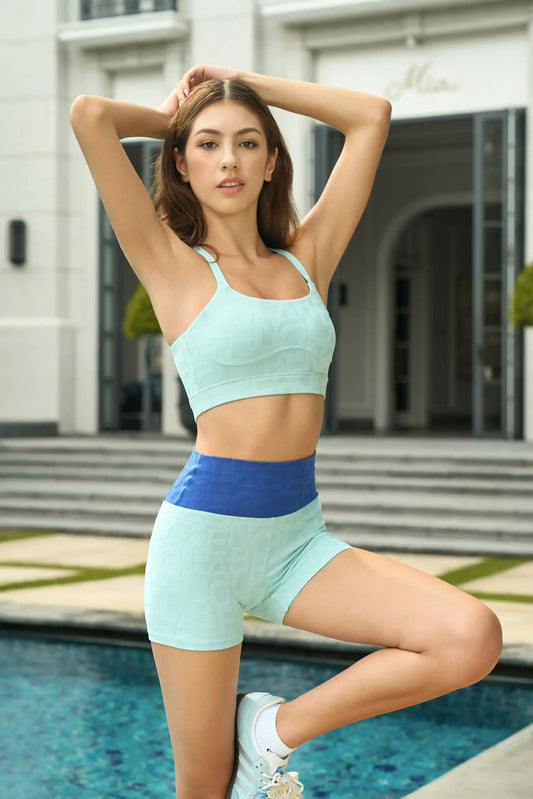
Creating the right conditions for Savasana also matters. Comfortable, breathable, and non-restrictive clothing allows the body to fully relax without distraction or tension. Choosing the right outfit can subtly enhance your ability to stay still and at ease, this is where you can check out Olaben’s yoga clothing to find pieces that support your personal practice. Well-designed yoga wear helps you move freely during active poses and remain comfortable during stillness, making your entire session feel more grounded and enjoyable.
If yoga is a journey back to yourself, Savasana is the moment you finally arrive home, fully present, deeply rested, and quietly complete.