Goat Yoga is not about perfect poses or deep stretches, it’s about presence, playfulness, and learning to move with the unexpected. Practicing yoga alongside curious, free-spirited goats invites you to slow down, soften control, and reconnect with joy in the moment. In this guide, Olaben will discover how to practice Goat Yoga mindfully, safely, and with a sense of humor, turning each session into a unique experience of movement, laughter, and gentle awareness.
What Is Goat Yoga?
Goat Yoga is a light-hearted group yoga experience that blends gentle movement, mindfulness, and supervised interaction with live baby goats. Rather than following rigid sequences or striving for perfect alignment, participants practice simple yoga poses while friendly goats freely wander, climb, and explore the space under the guidance of trained handlers.

A certified yoga instructor leads the class much like a traditional session, but with one key difference: goats are allowed to interact naturally with students. During floor-based poses such as plank, downward dog, child’s pose, or bridge, goats may hop onto backs, wander beneath legs, or simply rest nearby. In standing poses, they often move playfully through the room, adding an element of spontaneity to the practice.
Goat trainers are present throughout the class to ensure the safety and comfort of both participants and animals. They gently guide the goats using positive reinforcement, manage boundaries, and handle cleanup so students can stay relaxed and present. While interactions can’t be predicted or controlled, that unpredictability is exactly what makes Goat Yoga unique.
At its core, Goat Yoga isn’t about mastering poses. It’s about letting go of expectations, practicing mindfulness in a lively environment, and rediscovering joy through movement, laughter, and connection with animals.
Preparing for a Goat Yoga Session
Step 1: Choose the Right Environment
A comfortable and well-prepared space sets the tone for a positive Goat Yoga experience. Choose an outdoor or well-ventilated area where both participants and goats can feel relaxed and at ease. The space should be calm, safe, and enclosed, allowing the goats to roam freely without the risk of wandering off or becoming overstimulated. Use comfortable yoga mats with good grip, and keep props simple and minimal so they don’t become obstacles during movement or attract too much attention from the goats.
Step 2: Dress for Flexibility and Fun
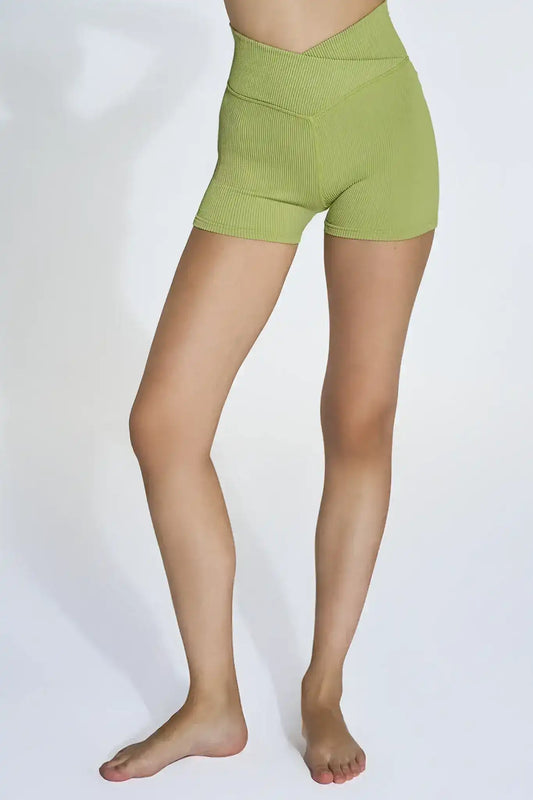
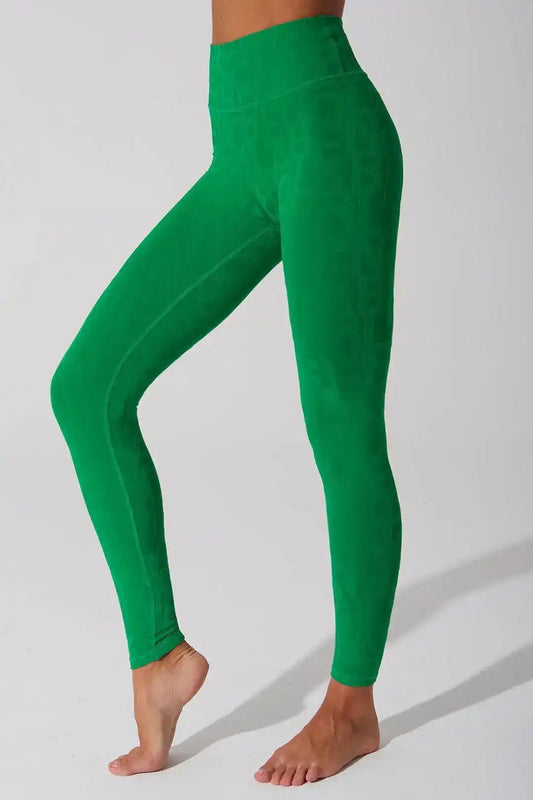
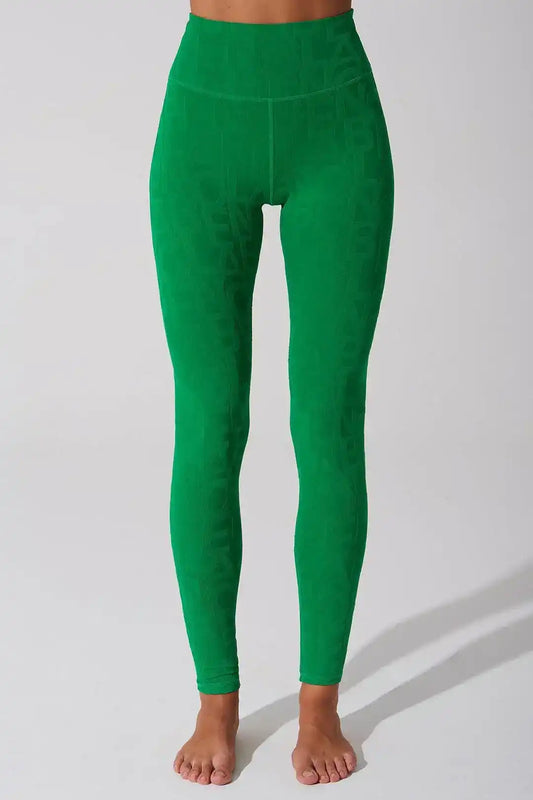
Goat Yoga calls for clothing that supports ease of movement while accommodating a little unpredictability. Opt for well-fitted athletic wear that allows you to stretch, bend, and balance comfortably without excess fabric.
Wearing yoga outfits like sports bras, crop tops, or short- and long-sleeve athletic tops all work well, depending on weather and personal preference, especially when paired with stretchy bottoms such as leggings or fitted yoga pants. It’s best to wear clothes you don’t mind getting a bit dirty, as goats may step on you or brush against your yoga mat. Avoid loose strings, dangling accessories, or decorative details that could catch a goat’s attention and interrupt your practice.
Step 3: Set Intentions, Not Goals
Along with your yoga mat, consider bringing a few simple accessories to enhance comfort and safety. Non-slip mats are ideal, particularly for outdoor sessions. Grip socks can be useful if you prefer extra stability, while hats or caps may help with sun protection during open-air classes, as long as they fit securely. Keep personal items, valuables, and fragile objects away from the practice area to stay present and minimize distractions.

How to Practice Goat Yoga: Step-by-Step
Step 1. Introduction
Begin by understanding that Goat Yoga is a relaxed and playful type of yoga rather than a structured or performance-based practice. The focus is on presence, adaptability, and enjoyment. Before starting, become familiar with basic safety principles, such as respecting the goats’ natural behavior, staying aware of the surrounding space, and remaining flexible in both body and mindset. This mental preparation helps create a calm foundation for the practice.
Step 2. Centering
Start the practice without goats present, if possible, to allow the body and mind to settle. Sit or stand comfortably, either closing the eyes or gently gazing at the environment. Bring attention to the present moment by noticing physical sensations, emotions, and thoughts as they arise. Feelings such as excitement, uncertainty, or curiosity may appear, and all are acknowledged without judgment. This moment of centering supports grounding before introducing external stimulation.
Step 3. Breathing
Move into simple, natural breathing to encourage relaxation and awareness. Use gentle breathing patterns, such as a three-part breath, without applying advanced pranayama techniques. Add light movements, shoulder rolls, arm lifts, gentle twists, and side bends, to release tension and create ease in the body. The intention is to stay relaxed and open rather than controlled or effortful.
Step 4. Releasing the Goats
When ready, allow the goats to enter the practice area and move freely. Goats may approach, climb, or explore out of curiosity. Take several minutes to simply observe and interact naturally without trying to control the experience. This phase encourages non-attachment and full presence, as attention naturally shifts to what is happening in the moment.
Step 5. Asanas (Physical Postures)
After the initial excitement settles, begin practicing gentle yoga postures. Choose stable, accessible poses and remain open to frequent interruptions, such as goats nudging or climbing during the practice. Avoid fully reclined positions and adapt movements as needed to maintain comfort and awareness. Laughter and spontaneity are considered part of the experience, supporting a lighter approach to mindful movement.
Step 6. Relaxation
Conclude the practice with a short relaxation period in a seated or supported position rather than a traditional reclined savasana. Close the eyes if comfortable and bring awareness to the breath, surrounding sounds, and bodily sensations. Notice any emotional or physical shifts compared to the beginning of the practice. Take a few slow breaths to allow the body and mind to settle.

Tips for a Positive Goat Yoga Experience
- Stay relaxed and embrace imperfection: Goat Yoga is not about achieving perfect poses or flawless alignment. The goats’ unpredictable behavior adds spontaneity to the practice. Accept that a goat might climb onto your back, nudge your arm, or wander beneath your legs. Rather than resisting, allow these moments to teach flexibility and presence. Treat interruptions as part of the practice rather than distractions,they are opportunities to cultivate patience, adaptability, and a light-hearted mindset.
- Observe and respect the goats: Pay attention to the goats’ behavior and signals. If a goat seems hesitant or uninterested, do not force interaction. Conversely, if a goat approaches, move gently and respond calmly. Maintaining awareness of their comfort and boundaries ensures a safe and positive experience for both the participant and the animal. This mindful observation also enhances your connection to the present moment.
- Move mindfully and adapt your poses: Adjust postures to accommodate the goats’ presence and the uneven surfaces of the practice area. For example, if a goat walks under a low lunge, widen the stance slightly, or pause in cat-cow to interact lightly. Keeping movements slow, controlled, and intentional reduces the risk of slips or accidents, while encouraging deeper awareness of body alignment and balance under dynamic conditions.
- Use humor and playfulness as a tool: Laughter is an integral part of Goat Yoga. Embrace the unpredictability and playful energy of the goats. Allowing yourself to laugh or smile when goats interrupt a pose shifts attention away from self-judgment and fosters a joyful atmosphere. This light-hearted approach relaxes the nervous system and deepens the sense of mindfulness and connection to the moment.
Conclusion: Embracing Goat Yoga
Goat Yoga is a playful and mindful practice that blends gentle movement with spontaneous interactions with curious, free-spirited goats. It is not about perfect poses or strict alignment, but about presence, adaptability, and enjoying the unexpected. By observing the goats, respecting their boundaries, and responding with calm curiosity, each moment becomes an opportunity to cultivate patience, light-heartedness, and deeper awareness of body and mind.
Preparing properly, choosing a safe space, wearing flexible clothing, and setting intentions rather than rigid goals, helps create a relaxed and enjoyable experience. Moving mindfully, embracing interruptions with humor, and staying fully present allows Goat Yoga to become more than physical exercise: it becomes a joyful practice of mindfulness, connection, and rediscovering delight in the unexpected.