Are you trying to decide between gym workouts and yoga to improve your physique and overall health? These are two of the most popular forms of exercise, each offering distinct benefits for both the body and mind. Choosing the right one not only helps you reach your goals faster but also keeps you motivated in the long run. In this article, Olaben will walk you through a detailed comparison to help you make the most suitable choice.
1. Overview of Gym and Yoga
What is Gym?
Gym (short for Gymnastics) refers to a modern form of physical training, typically performed in a fitness center with the support of machines, weights, and specialized equipment. The key characteristic of gym training is its focus on building muscle strength, improving physical fitness, and transforming body shape through exercises ranging from moderate to high intensity.
In the gym, you can choose from various training styles such as:
- Weight training: Targets specific muscle groups like chest, back, legs, and shoulders
- Cardio: Running, cycling, jump rope, etc., to burn fat and improve endurance
- Functional training: Exercises that mimic real-life movements, enhancing overall mobility
One of the biggest advantages of gym training is its flexibility in personalizing your fitness goals. You can focus on muscle gain, fat loss, body sculpting, or improving overall fitness depending on your plan. However, to achieve optimal results, gym workouts often require proper technique, a structured training program, and sometimes guidance from a trainer.

What is Yoga?
Yoga is a practice with thousands of years of history, originating from India. More than just physical exercise, yoga is a holistic approach that combines postures (asana), breathing techniques (pranayama), and meditation to achieve balance between body and mind.
Unlike gym training, yoga does not emphasize strength or high intensity. Instead, it focuses on:
- Body control: Performing poses with precision and maintaining balance
- Breath regulation: Enhancing focus and relaxation
- Mind-body connection: Reducing stress and improving mental well-being
There are various styles of yoga such as Hatha Yoga, Vinyasa Yoga, Ashtanga Yoga and Yin Yoga, each suited to different goals and fitness levels. Some styles are more dynamic, while others emphasize relaxation and recovery.
One of yoga’s key strengths is its ability to improve flexibility, enhance mobility, and support mental health. It is also highly accessible, as you can easily practice at home without needing much equipment.

2. Detailed Comparison: Gym vs. Yoga
|
Criteria |
Gym |
Yoga |
|
Key Characteristics |
Focuses on building strength, physical fitness, and muscle mass. High intensity, directly targets specific muscle groups. |
Focuses on flexibility, body control, and breathing. Gentle, with an emphasis on mental balance. |
|
Best Suited Goals |
- Fast weight loss, effective fat burning - Muscle gain and body toning - Improving strength and endurance |
- Stress relief and relaxation - Improving flexibility and mobility - Balancing body and mind |
|
Physical Benefits |
- Noticeable muscle growth - Burns calories quickly - Shapes specific body areas - Enhances strength and endurance |
- Improves flexibility - Supports joint health - Boosts circulation and digestion - Maintains a naturally slim figure |
|
Mental Benefits |
- Releases negative energy - Increases excitement and energy levels |
- Reduces stress effectively - Improves sleep quality - Enhances focus and mindfulness |
|
Speed of Results |
Fast, visible changes if trained properly |
Slower, requires consistency and patience |
|
Drawbacks |
- Risk of soreness or injury if done incorrectly - Requires a disciplined diet |
- Requires precision in movements - Results may take longer to notice |
|
Suitable For |
Young, physically fit individuals who want quick body transformation |
Suitable for all ages, including older adults |
|
Workout Intensity |
Moderate to high |
Light to moderate |
|
Location |
Mostly at the gym |
Flexible: at home or in a studio |
|
Cost |
~300,000 – 2,000,000 VND/month |
Free (at home) or ~400,000 - 1,000,000 VND/month |
3. Choosing Based on Age & Physical Condition
Deciding between gym and yoga isn’t only about goals like weight loss or muscle gain, it also depends heavily on your age and overall physical condition. Each stage of life comes with different characteristics in terms of strength, recovery ability, and injury risk. Understanding where your body stands will help you choose the most suitable approach, ensuring both effectiveness and long-term safety.
Under 18
At this stage, the body is still developing, especially the bones, cartilage, and height. Improper training can negatively affect natural growth.
It’s best to prioritize gentle activities such as yoga or basic stretching and movement exercises. These help improve flexibility, enhance body control, and support natural physical development without putting excessive pressure on the joints.
Ages 18–45
This is the peak phase of physical fitness, where the body adapts well and recovers quickly after workouts. You have more flexibility in choosing how to train.
If your goal is fat loss, muscle gain, or rapid body transformation, gym training is a strong choice thanks to its direct impact on muscles and efficient calorie burning. Meanwhile, if you’re looking for balance between physical and mental well-being or want to relieve stress from work, yoga offers clear benefits.
In fact, this is also the ideal age to combine both gym and yoga. This combination allows you to build strength while improving flexibility, enhancing recovery, and reducing injury risk. Alternating between the two also helps prevent boredom and keeps you motivated over time.
Ages 45–50 and above
From this stage onward, the body gradually experiences declines in strength, bone density, and flexibility. Joints may become more sensitive, and recovery takes longer.
You can still continue gym training, but the intensity should be moderated. Instead of heavy lifting, focus on controlled movements, improving muscular endurance, and protecting your joints. At the same time, incorporating yoga into your routine becomes increasingly important to enhance flexibility, improve balance, and reduce the risk of everyday injuries.
Over 50
At this age, safety and long-term health should be the top priorities. The body is no longer suited for high-intensity or high-strength training.
Yoga, walking, or other gentle exercises are more appropriate choices. These activities help maintain flexibility, improve blood circulation, support joint health, and promote a relaxed mental state. Consistent practice, even at a low intensity, can significantly improve overall quality of life.
If gym exercises are included, they should remain basic, low-intensity, and carefully monitored to avoid placing unnecessary strain on the cardiovascular system and joints.

4. Should You Combine Gym and Yoga?
The answer is yes and it’s a highly recommended approach if you’re aiming for well-rounded physical development. Gym and yoga are not opposites; in fact, they complement each other very effectively. While gym training focuses on building muscle strength, improving fitness, and shaping your physique, yoga enhances flexibility, balance, and mental relaxation.
By combining both, you can gain more benefits than practicing either one alone. Gym helps you build a stronger, more toned body, while yoga supports muscle stretching, reduces stiffness after intense workouts, and promotes faster recovery. In addition, yoga is particularly effective for reducing stress, improving sleep quality, and enhancing focus, areas that gym training typically does not address as deeply.
Suggested workout schedule:
- 3 gym sessions per week
- 2–3 yoga sessions interspersed throughout the week
This balanced approach not only prevents overtraining but also reduces the risk of injury caused by muscle tightness or excessive strain.
5. Olaben – Your Companion in Every Fitness Journey
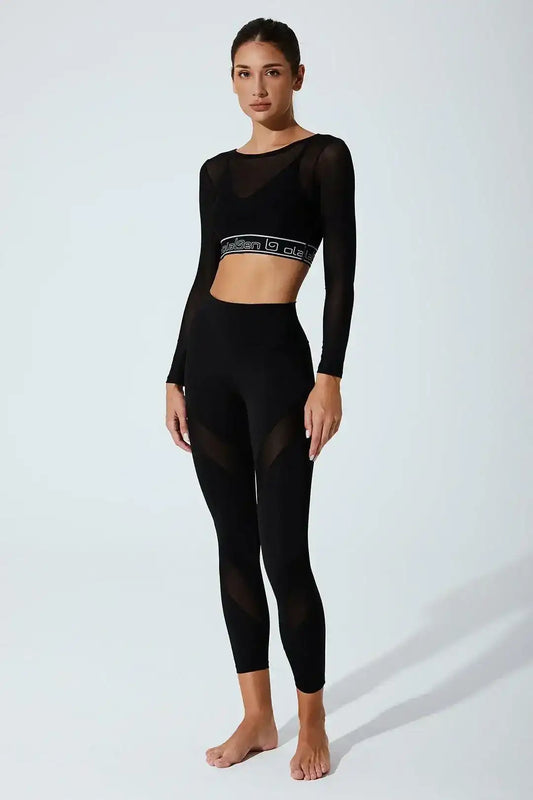
Whether you choose gym or yoga, workout apparel is something you shouldn’t overlook. The right outfit not only allows you to move freely without restriction but also boosts your confidence, helping you stay motivated in the long run.
Olaben offers athleisure collections designed to strike the perfect balance between performance and style. Each product is crafted with high-stretch materials that support flexible movement, while ensuring breathability and effective moisture-wicking. This keeps you comfortable even during high-intensity workouts. In addition, the modern, minimal yet refined designs make it easy to transition from the gym to everyday activities while maintaining a stylish, active look.
Some key products you can explore include:
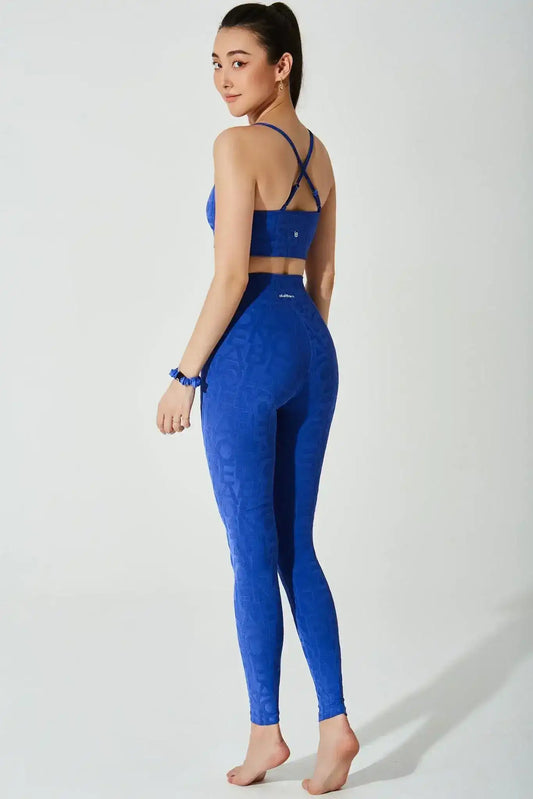
- Sports bra: provides reliable support with a snug fit, suitable for both gym and yoga
- Tank top: lightweight, breathable, and easy to mix and match, ideal for moderate workouts
- Sport T-shirt: versatile and comfortable, suitable for various types of training
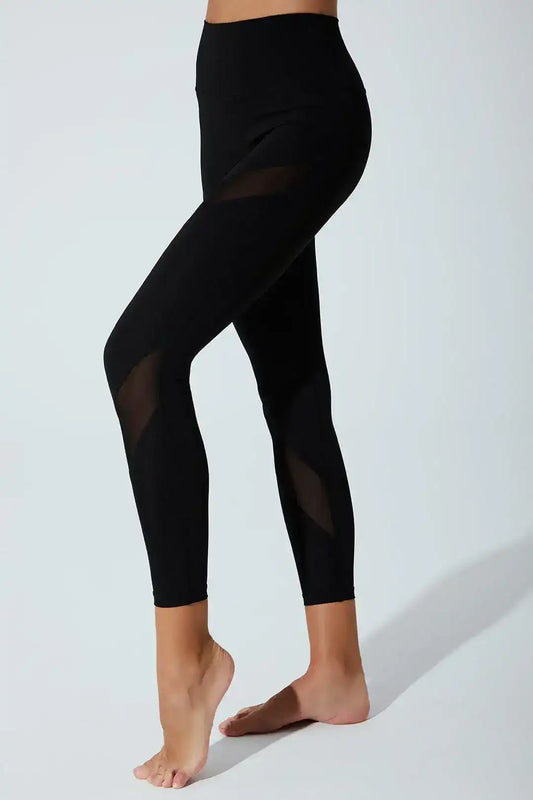
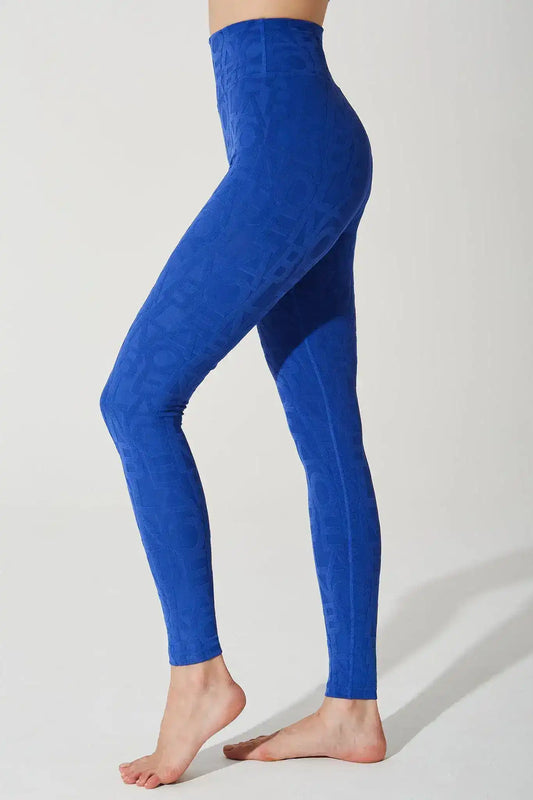
- Leggings: highly stretchable, flattering fit, and supports maximum mobility
- Sport pants: comfortable and airy, perfect for workouts or outdoor activities
- Sports jacket: convenient for commuting, easy to style in an athleisure look
The combination of functionality and modern design makes Olaben a reliable companion, helping you stay inspired and consistent with your fitness routine every day.
In conclusion, there is no single “best” choice for everyone, only the one that best fits your goals, physical condition, and lifestyle. Gym helps you transform your body quickly and build strength, while yoga brings balance, flexibility, and mental relaxation. When you understand your needs and choose the right path, working out becomes less of a chore and more of a sustainable, positive habit for long-term health.