One of the most common questions when buying a paddle is fiberglass vs carbon pickleball paddle, which is better? These two materials produce very different playing styles. Fiberglass leans toward power, while carbon leans toward control and spin. This guide breaks down every variable so you pick the right paddle for your style and skill level. Read our companion article Pickleball Paddle Materials: How to Choose the Best Paddle for a deeper dive into face construction.
1. What Is a Fiberglass Pickleball Paddle?
Fiberglass is woven from molten silica strands, giving it high flex and strong rebound. When the ball contacts the face, fiberglass deflects slightly and snaps back, creating a trampoline effect that sends the ball faster and farther.

Key strengths:
- More natural power, ideal for an aggressive, drive-and-smash game.
- Soft hand feel, less wrist fatigue during long sessions.
- Usually cheaper than carbon at the same tier.
Trade-offs:
- Less spin potential than carbon.
- Faces wear faster, typically 8 to 12 months at 4 to 5 sessions per week.
- Harder to control on dinks and resets at the kitchen.
2. What Is a Carbon Pickleball Paddle?
Carbon (also known as carbon fiber, raw carbon, or T700) is a premium material woven from pure carbon strands. It is light, stiff, and naturally textured, which boosts friction with the ball for heavy spin.
Key strengths:
- Excellent control, ideal for dinks, drops, and the third shot drop.
- Heavy topspin and backspin, especially with raw carbon T700 faces.
- Long durability, many pro paddles last 18 to 24 months.
- Light swing weight reduces tennis elbow risk.
Trade-offs:
- Raw power is lower than fiberglass, you generate speed with technique.
- Costs 30 to 80% more than fiberglass at the same tier.
- Stiff head feel can feel demanding for beginners.
3. Fiberglass vs Carbon Side by Side
|
Criteria |
Fiberglass |
Carbon Fiber |
|
Power |
High, trampoline effect |
Moderate, technique-based |
|
Control |
Moderate |
Excellent |
|
Spin |
Moderate |
High, especially raw carbon |
|
Weight |
7.8 to 8.5 oz (heavier) |
7.6 to 8.0 oz (lighter) |
|
Face durability |
8 to 12 months |
18 to 24 months |
|
Price (USD) |
$70 to $150 |
$120 to $300 |
|
Best for |
Beginners, smash-oriented players |
Intermediate to advanced, dink/drop specialists |

4. Choosing by Skill Level
Beginner (0 to 6 months)
Pick a fiberglass or composite paddle in the $70 to $130 range. Natural power helps you clear the net without overswinging, freeing you to focus on positioning and footwork. Read 07 Pickleball Tips for Beginners.
Intermediate (6 months to 2 years)
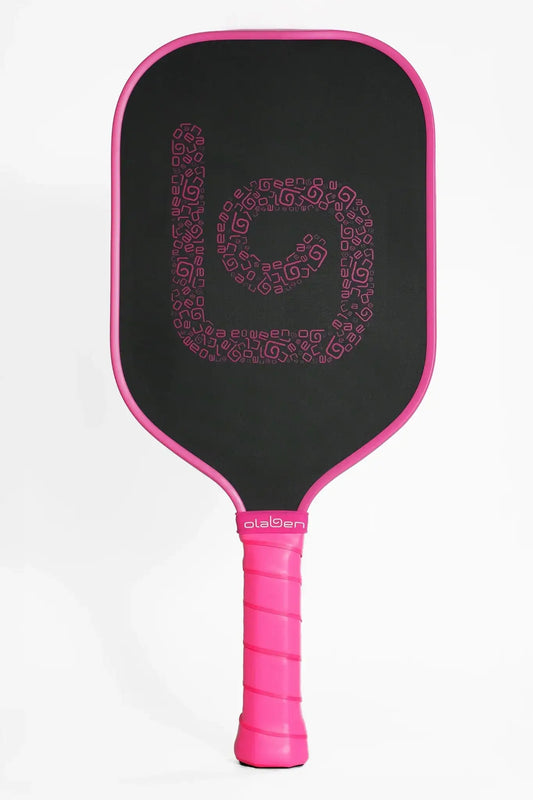
This is the time to switch to carbon or raw carbon and start mastering spin and touch shots. The Pro Series 16mm Blue or Pro Series 16mm Pink provide a balanced transition between power and control.
Advanced and competitive players
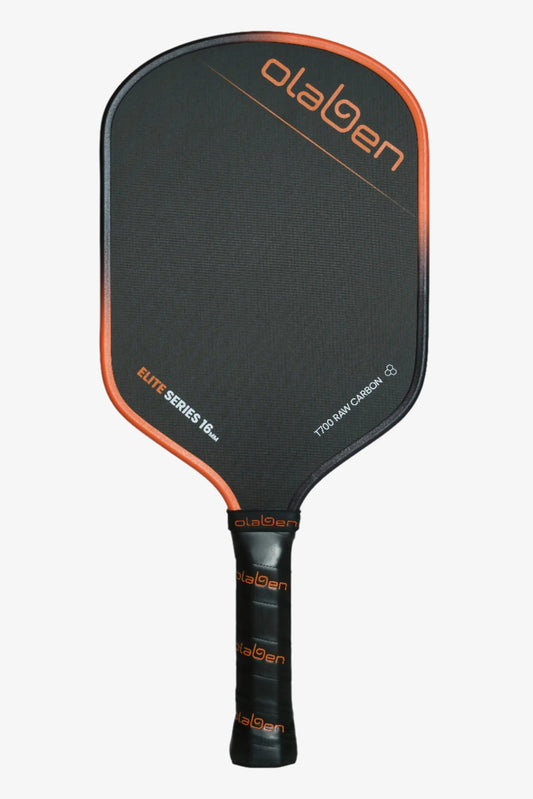
Most pros run raw carbon T700 for near-unlimited spin and pinpoint feel. The Diamond Luxe is Olaben's flagship for this tier. If you want a power and control hybrid, the Elite Series is also a top pick.
5. Playing Style Decides the Material
- Bangers (love to drive and smash): pick fiberglass or hybrid carbon-fiberglass.
- Dinkers (kitchen specialists): pick carbon or raw carbon.
- All-court players: pick raw carbon T700 with a textured face.
- Doubles players: lean carbon for fast hands and clean resets.
- Singles players: fiberglass can give an edge on baseline drives.
6. The Core Matters as Much as the Face
The face decides feel, but the core defines durability and pop. Two main core types:
- Polymer honeycomb: lightweight, soft, vibration-damping, ideal for 95% of players.
- Nomex: stiff, loud, powerful, used by some pros.
16mm cores favor control, 13mm cores favor power. Most Olaben paddles use 16mm polymer honeycomb for the best feel. Read How to Choose the Perfect Pickleball Paddle.
7. Care Tips to Extend Paddle Life

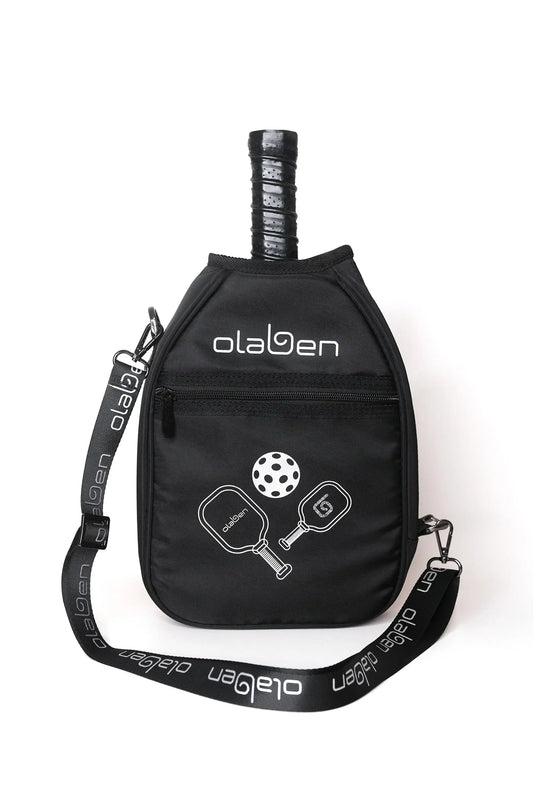
- Use a Pickleball Paddle Case after every session to prevent face scratches.
- Store in a Deluxe Pickleball Bag away from direct sun and heat.
- Wipe the face after each game to remove dust and sweat.
- Replace your overgrip on schedule, see Regrip Your Pickleball Paddle in Minutes.
Frequently Asked Questions
Can fiberglass paddles still generate spin?
Yes, but limited. Fiberglass surfaces are smoother than carbon, producing roughly 60 to 70% of the spin of raw carbon T700.
Are carbon paddles more fragile than fiberglass?
No. Carbon is actually tougher under perpendicular impact. However, carbon edges can chip if smashed into the court or wall, so a quality edge guard matters.
Should beginners go straight to a carbon paddle?
If budget allows, yes. A good carbon paddle lasts 18 to 24 months and helps you build correct technique from day one. If you are unsure about long-term commitment, start with mid-tier fiberglass.
Does Olaben offer beginner-friendly paddles?
Yes. The full Olaben Pickleball Accessories Collection includes options from beginner to pro. The Pro Series 16mm is an ideal starting point.
Final Thoughts
The fiberglass vs carbon pickleball paddle answer depends on your level, style, and budget. Beginners and big-hitters lean fiberglass, intermediate to advanced players who value control lean carbon. Browse the full Olaben Pickleball Accessories Collection and read our Essential Pickleball Accessories guide to round out your kit.