Your pickleball paddle is not just another piece of sports equipment, it is the foundation of your performance on the court. Whether you are new to the game or an experienced player investing in premium pickleball paddles, one question often arises: Do you really need a pickleball paddle cover?
The short answer is yes, most players absolutely should use one. While a paddle cover is not mandatory to play pickleball, it plays a crucial role in protecting your paddle, maintaining consistent performance, and extending the life of your investment.
In this comprehensive guide, we’ll explore why pickleball paddle covers matter, how they affect performance, when you might skip one, and how to choose the right option
Why Pickleball Paddle Covers Matter More Than You Think
Modern pickleball paddles use advanced materials that deliver control and spin, but they are surprisingly easy to damage off the court. Inside a bag, paddles rub against shoes, bottles, balls, and other gear. Over time, those small impacts and scratches can wear down the surface, chip the edge guard, and affect how the paddle plays.

A paddle cover works as a simple layer of protection. It shields the paddle face and edges from everyday contact, reduces wear from friction and pressure, and helps the paddle keep a consistent feel for longer. This is useful for both beginners and experienced players who want reliable feedback every time they step on court.
Covers also help protect paddles from moisture and temperature changes. Sweat, humidity, rain, or heat can weaken composite materials if a paddle is left unprotected. A good cover limits this exposure and helps preserve the paddle’s structure and performance.
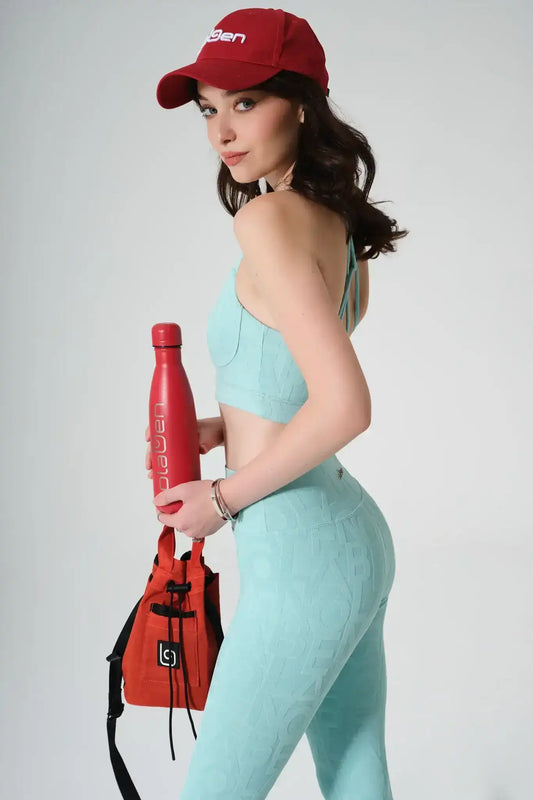
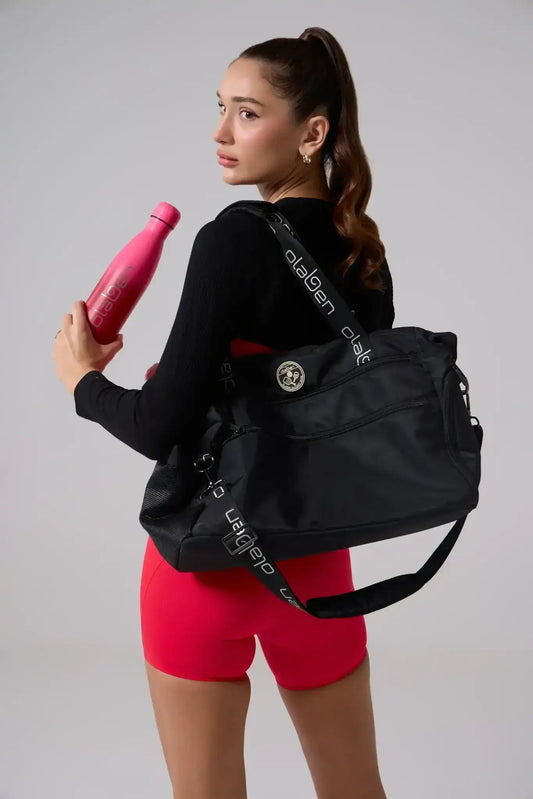
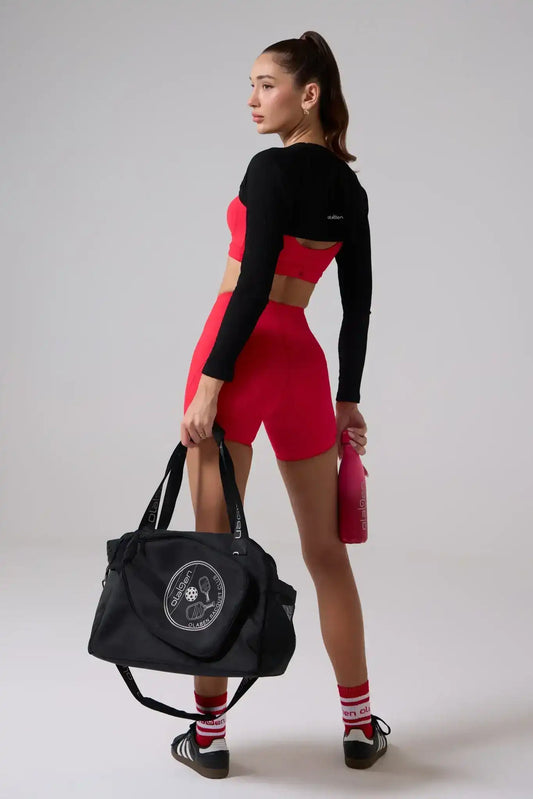
Beyond protection, paddle covers add convenience and style. They make paddles easier to spot in a crowded bag or on shared courts, and they pair naturally with coordinated women's pickleball clothing. It’s a small detail, but one that keeps your gear organized, protected, and ready to play.
When You Might Skip a Paddle Cover
Some pickleball players skip using a paddle cover and rely on other storage options. At first, this can feel convenient or cheaper, but most alternatives leave real gaps in protection over time.
The most common reason is using a dedicated pickleball bag. A good bag does offer padding and structure, which helps reduce outside impact. The problem is what happens inside. During transport, paddles still shift and rub against other paddles, shoes, water bottles, and accessories. That constant contact creates friction and small impacts that slowly wear down the surface and edge guard. A paddle cover adds individual protection, keeping the paddle shielded even when it’s already inside a quality bag.
Some players also use original packaging or bubble wrap. This might work briefly, but it’s not practical for regular play. Bubble wrap compresses, tears easily, and offers almost no defense against moisture or humidity. That’s a real issue for composite paddle materials, which can weaken when exposed to sweat, damp conditions, or temperature changes. Constantly wrapping and unwrapping a paddle also gets old fast if you play often.
In short, skipping a paddle cover increases the risk of gradual wear and performance loss. A proper cover is still the simplest and most reliable way to protect paddle materials and keep your paddle playing the same way over time.
Types of Pickleball Paddle Covers
Pickleball paddle covers are available in different materials and designs, each offering varying levels of protection and convenience. The right choice depends on how often you play, how you carry your paddle, and the level of protection you need.
Some covers focus on lightweight portability, while others provide added padding for better impact and moisture protection. Choosing the right type helps keep your paddle protected, organized, and ready for consistent performance on the court.
|
Cover Type |
Material |
Key Features |
Best For |
|
Neoprene |
Water-resistant synthetic rubber |
Shock absorption, snug fit |
Frequent players, humid climates |
|
Nylon |
Lightweight synthetic fabric |
Easy access, minimal weight |
Casual players, quick sessions |
|
Padded Covers |
Multi-layer materials |
Maximum impact protection |
Travel, tournaments |
|
Premium PU Leather |
High-quality PU leather |
Sleek look, durable |
Style-conscious players |
|
Custom Covers |
Various |
Personalized designs |
Branding, visibility |

How Paddle Covers Support Skill Development
As players progress and begin focusing on more advanced aspects of the game, such as choosing the right pickleball paddle, comparing different paddle options, and refining grip pickleball paddle technique and paddle angle control, consistency becomes one of the most important factors in skill development. Small changes in how a paddle feels can affect timing, touch, and confidence, especially as technique becomes more refined.
A paddle cover plays a subtle but important role by protecting the paddle’s surface and structure, helping it maintain the same feel from one session to the next. By reducing exposure to temperature changes, moisture, and accidental damage, the cover ensures the paddle performs consistently. This allows players to focus fully on improving technique and decision-making, rather than adjusting to equipment-related issues such as surface wear or grip discomfort.
This sense of consistency works best when paired with proper men's pickleball apparel. Clothing designed with moisture-wicking fabrics, flexible shorts or skirts, and supportive footwear built for lateral movement and court stability helps players move naturally and stay comfortable during play. Together, reliable equipment protection and performance-focused apparel create an environment where players can train more effectively and develop skills with greater confidence and efficiency.
Proper Pickleball Paddle Care: The Complete Picture
Taking care of a pickleball paddle is not just about how you play, it’s about everyday habits that protect performance and lifespan. Cleaning the paddle after each session removes sweat, dirt, and ball residue that can slowly affect surface texture and responsiveness. Proper storage matters too. Keeping the paddle in a cool, dry place helps prevent heat and humidity from weakening materials or affecting the core.
It also helps to avoid unnecessary impacts. Tossing a paddle into a bag or letting it knock against other gear during transport adds up over time. If you own multiple paddles, rotating them can spread out wear and keep each one in better condition longer.
Among all care habits, using a paddle cover is one of the easiest and most effective. It adds protection with almost no effort and works naturally alongside good cleaning and storage routines. Together, these simple steps help maintain consistent performance and protect your paddle for the long run.

Final Verdict: Do You Need a Pickleball Paddle Cover?
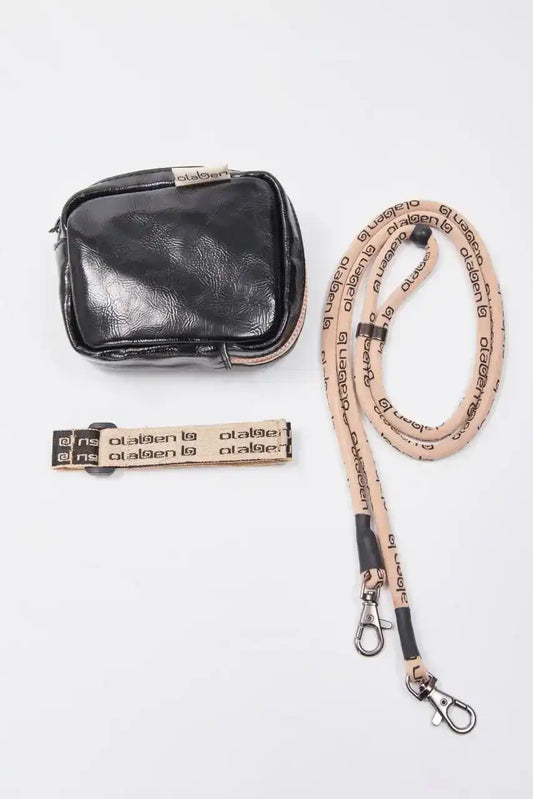
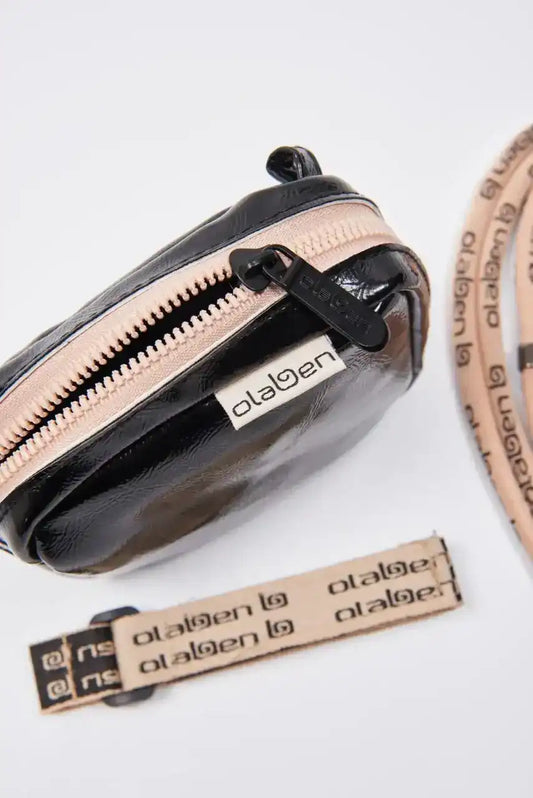
For most players, the answer is yes. While a pickleball paddle cover isn’t strictly mandatory, it is a smart and cost-effective choice, especially for players who care about long-term performance. A well-designed pickleball paddle cover from Olaben helps protect your paddle from daily wear and impact, preserves the surface condition, and minimizes the risk of damage that can lead to early replacement.
Considering the relatively small investment, using a paddle cover can help extend the lifespan of your paddle and reduce long-term costs. If you value your equipment, want consistent performance on the court, and prefer to protect your investment wisely, a paddle cover is not just an accessory, it’s an essential part of proper paddle care.