Have you ever tried yoga but found certain poses too difficult to perform correctly? Or perhaps you’ve practiced yoga for years and are looking for a new challenge? No matter your experience level, practicing yoga with a yoga wheel may be the answer. In this article, Olaben will explain what a yoga wheel is, its real benefits, beginner-to-advanced yoga wheel poses, and common mistakes to avoid.
1. What Is a Yoga Wheel?
A yoga wheel is a circular yoga prop, typically 30–35 cm in diameter, made from durable plastic or wood with a cushioned TPE outer layer for comfort and grip. The tool was popularized by yoga master Dharma Mittra and quickly became a global trend within the yoga community.
What makes the yoga wheel different from other yoga props such as blocks or straps is its ability to roll. Instead of acting as a static support, the wheel moves with the body, creating continuous and even stretching along the natural curve of the spine. This is why yoga wheels are especially effective for backbends, chest-opening exercises, and spinal massage.

2. Benefits of Practicing Yoga with a Yoga Wheel
2.1. Supports Deep and Safe Spinal Stretching
When the back rests on the wheel, body weight is distributed evenly along the curve of the prop rather than compressed directly into the spine. This allows practitioners to deepen backbends more safely and comfortably, especially for people experiencing chronic back tension from prolonged sitting.
2.2. Opens the Chest and Improves Breathing
Backbend exercises with a yoga wheel expand the front body and chest vertically, creating more room for the lungs to expand. Many practitioners notice deeper and smoother breathing even during their first yoga wheel session, an effect that can be difficult to achieve in traditional static yoga poses.
2.3. Strengthens the Core and Full Body
Balancing on the curved surface of a yoga wheel requires constant engagement of the core muscles, even in poses that appear passive. This creates a form of stabilization training similar to exercises performed with fitness balls in gyms, while also incorporating flexibility, mobility, and mindful breathing.
2.4. Supports Spinal Health
Practicing with a yoga wheel for 45–60 minutes regularly can help maintain spinal flexibility and reduce stiffness caused by sedentary lifestyles. Rolling and reclining movements also massage the muscles alongside the spine, an important muscle group that is often neglected in standard workouts.
2.5. Promotes Relaxation and Reduces Anxiety
When the body fully relaxes onto the wheel, the parasympathetic nervous system becomes activated, the body’s natural “rest and recovery” response. Many practitioners describe a “melting” sensation as the wheel supports the spine, while deep breathing encourages a profound sense of calm and relaxation that may otherwise take longer to achieve through meditation or traditional yoga alone.
3. 8 Yoga Wheel Poses from Beginner to Advanced
Below are 8 yoga wheel poses arranged from beginner-friendly movements to more advanced variations for experienced yogis.
Beginner Poses
1. Child’s Pose with a Yoga Wheel
Benefits
Stretches the hips, thighs, and lower back while lengthening the spine horizontally.
How to Practice
- Kneel on the mat with the knees hip-width apart or slightly wider to create space for the torso.
- Place the yoga wheel in front of the body between the knees.
- Rest both hands on the wheel with a light grip for control.
- Take a deep inhale to lengthen the spine.
- As you exhale, slowly roll the wheel forward while lowering the chest and abdomen between the thighs.
- Continue extending the arms to deepen the stretch through the shoulders, armpits, and back.
- Rest the forehead on the mat, or allow the head to hang comfortably if it does not reach the floor.
- Hold for 3–5 deep breaths, expanding the back with each inhale and relaxing the hips and shoulders further with each exhale.

2. Easy Pose Backbend with a Yoga Wheel
Benefits
Opens the chest, relieves shoulder tension, and improves breath awareness and concentration.
How to Practice
- Place the yoga wheel upright behind the back, with the edge close to the sacrum.
- Sit comfortably in a cross-legged position with the spine tall.
- Rest the hands on the knees and relax the shoulders.
- Inhale deeply and lift the chest slightly to lengthen the spine.
-
As you exhale, slowly recline backward:
- First allowing the mid-back to rest on the wheel,
- Then the upper back and shoulders.
- Gently release the head backward, letting the curve of the wheel naturally support the neck.
- Keep the arms relaxed at the sides or extend them overhead for a deeper chest opening.
- Hold for 5 deep breaths, focusing on expanding the chest with every inhale.

3. Fish Pose with a Yoga Wheel
Benefits
Opens the chest, stretches the shoulders and spine, and improves breathing capacity.
How to Practice
- Sit on the mat with both legs extended forward.
- Position the yoga wheel behind the back aligned with the spine.
- Lightly press the hands into the floor behind you for support.
-
Slowly lower the body onto the wheel:
- Mid-back touches first,
- Then the chest and shoulders open gradually.
- Allow the head and neck to relax onto the wheel or near the floor depending on flexibility.
-
The arms may:
- Rest alongside the body,
- Extend outward,
- Or reach overhead for a deeper stretch.
- Take slow deep breaths and feel the ribcage expand.
- To intensify the stretch, gently lift the hips slightly before lowering them back down slowly.
- Hold for at least 3–5 deep breaths.

4. Bridge Pose with a Yoga Wheel
Benefits: Stretches the spine and lower back while strengthening the glutes and core muscles.
How to Practice
- Lie on your back with the knees bent and feet planted firmly on the floor hip-width apart.
- Place the yoga wheel underneath the sacrum or lower back.
- Rest the arms alongside the body or hold the sides of the wheel for stability.
- Take a deep inhale and lightly engage the core muscles.
- As you exhale, press through the heels to lift the hips off the floor.
- Draw the chest toward the chin to lengthen the front body.
- Keep the thighs parallel and avoid letting the knees fall outward.
- Hold the pose for 5–8 deep breaths.
- To exit, slowly lower the spine down one vertebra at a time.

Intermediate Poses
5. Camel Pose with a Yoga Wheel
Benefits
Opens the hips and chest, stretches the back muscles, and improves spinal flexibility.
How to Practice
- Kneel on the mat with the knees hip-width apart. Keep the tops of the feet flat on the floor or tuck the toes under for extra height and support.
- Stand the yoga wheel upright behind the back, with the bottom edge close to the heels.
- Place both hands on the sides of the wheel for stability.
- Inhale deeply and lengthen the spine by lifting the chest and broadening the collarbones.
- As you exhale, gently press the hips forward while leaning backward.
- Use the wheel to support the back and control the depth of the backbend instead of compressing the lower spine.
- Open the chest fully and draw the shoulder blades toward each other to deepen the stretch across the upper back and front shoulders.
- If comfortable, allow the head to release slightly backward while keeping the neck long and relaxed.
- Hold the pose for 3–5 deep breaths. With each inhale, lift the chest higher; with each exhale, soften the hips and shoulders.
- To exit, lightly engage the core and slowly lift the torso back to an upright kneeling position.

6. Upward-Facing Dog with a Yoga Wheel
Benefits
Expands the chest, stretches the shoulders and spine, and strengthens the arms.
How to Practice
- Lie face down on the mat with the legs extended behind you.
- Position the yoga wheel underneath the lower abdomen or pelvic area for support.
- Place the hands on the floor beside the chest with the fingers spread wide for stability.
- Inhale deeply and gently engage the abdominal muscles to support the lower back.
- Press firmly through the palms to lift the chest upward while drawing the shoulders back and away from the ears.
- Lengthen the spine forward rather than collapsing into the lower back.
- If strength and flexibility allow, the thighs may lift slightly off the floor.
- Keep the neck long and the gaze forward or slightly upward.
- Hold the pose for 3–5 deep breaths while feeling the stretch through the chest, abdomen, and shoulders.

Advanced Poses
7. Pigeon Pose with a Yoga Wheel
Benefits
Deeply opens the hips, stretches the thighs and lower back, and relieves tension in the pelvic area.
How to Practice
-
Begin in Pigeon Pose:
- One leg bent in front with the knee angled outward,
- The opposite leg extended straight behind you.
- Check that the hips remain evenly grounded instead of leaning completely to one side.
- Place the yoga wheel behind the foot of the extended back leg.
- Inhale deeply to lengthen the spine and gently lift the chest.
- As you exhale, slowly fold the torso forward.
- Hold the wheel with both hands and gently pull against it to create length through the spine and hips.
- Lower the forearms or forehead toward the floor if you want a deeper restorative stretch.
- Keep the shoulders relaxed and breathe steadily for 5–8 deep breaths.
- Slowly rise back up and repeat on the opposite side.

8. Deep Backbend with a Yoga Wheel
Benefits
Provides an intense spinal stretch, fully opens the chest, and improves overall posture and flexibility.
How to Practice
- Sit in front of the yoga wheel with the wheel positioned behind the back.
- Slowly recline backward until the middle spine rests against the wheel.
- Continue extending through the chest and upper back while allowing the wheel to support the spine’s natural curve.
-
Let the arms either:
- Rest on the floor beside the body,
- Extend overhead,
- Or reach backward for a deeper stretch.
- Relax the head and neck naturally while maintaining smooth breathing.
- If comfortable, gently press through the feet to lift the hips slightly and deepen the backbend.
- Focus on expanding the chest and lengthening the entire front body rather than forcing the lower back.
- Hold the posture for 3–5 deep breaths.
- To exit safely, engage the core muscles and slowly roll the body back up to a seated position.

4. Choosing the Right Yoga Apparel and Equipment – Recommendations from Olaben
When practicing yoga with a yoga wheel, the body moves through many directions, reclining backward, curling forward, lifting the hips, and stretching sideways. In this context, apparel is not just about appearance; it directly affects comfort, movement quality, and safety during practice.
4.1. Choosing the Right Yoga Top
Olaben offers a wide variety of women’s activewear suitable for yoga practice.
Sports Bras
Sports bras are ideal for yoga wheel training because their shorter fit stays in place during backbends and hip lifts. A close-fitting design also allows practitioners and instructors to observe spinal alignment more clearly for better technique correction.
Tank Tops and Short-Sleeve Tops
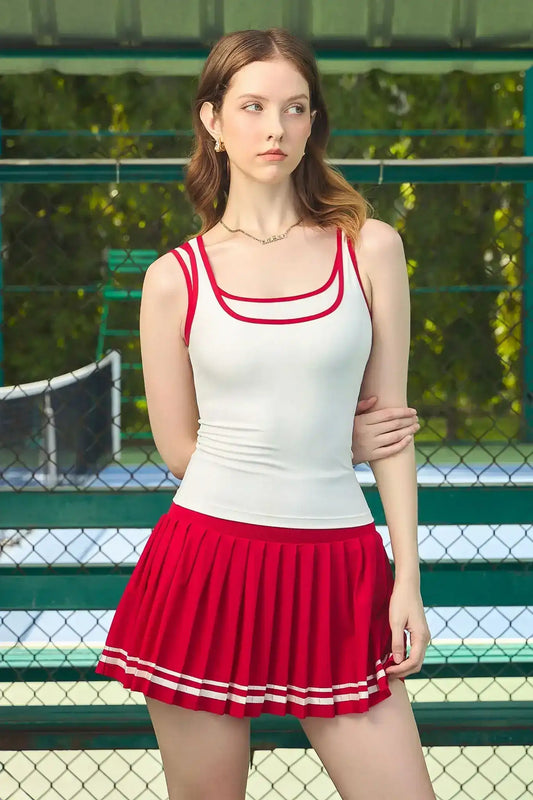
Tank tops or short-sleeve tops provide a balance between comfort and mobility. The arms remain free during poses such as Bridge Pose or Upward-Facing Dog, making them suitable for most indoor yoga sessions.
Long-Sleeve Tops
Long-sleeve tops is best suited for early morning practice or cooler studios. Choose fitted tops made with four-way stretch fabric. Avoid loose clothing, as it may shift upward during backbends and become distracting.
Prioritize moisture-wicking fabrics that maintain their shape after repeated washing, since yoga wheel sessions can generate significant sweat during flowing sequences.
4.2. Choosing the Right Yoga Bottoms
Leggings
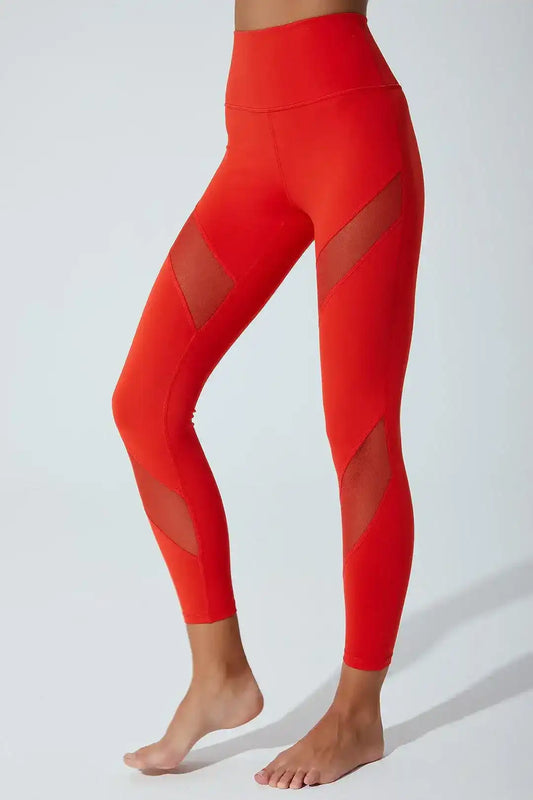
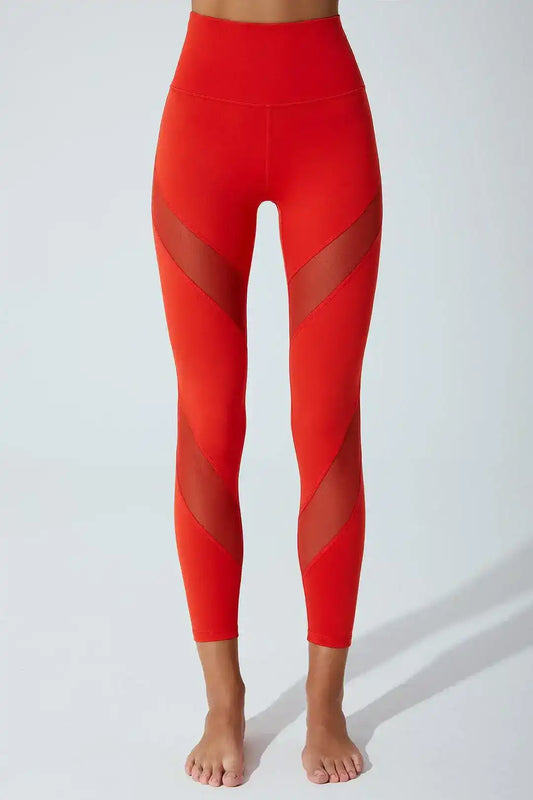
Yoga leggings are the best option for yoga wheel practice. High-waisted designs support the core and lower back during poses like Bridge Pose or when reclining over the wheel. Compression fabrics also stay securely in place as the body moves along the curve of the wheel.
Women’s Shorts
Women’s shorts are suitable for hot yoga or high-intensity Vinyasa sessions combined with yoga wheel work. Choose styles with secure, supportive fabric that will not shift during deep stretches.
4.3. Essential Yoga Props and Accessories
Yoga Wheel
Choose a yoga wheel with a diameter of approximately 30–33 cm for average-height practitioners. Look for:
- Non-slip TPE outer padding,
- Durable ABS plastic construction,
- And a weight capacity of around 100–150 kg.
Non-Slip Yoga Mat
Because the hands and feet bear significant pressure during yoga wheel exercises, a high-quality mat is essential. A 5–6 mm thick non-slip mat provides comfort and stability, especially during poses like Bridge Pose. Yoga mat that are too thin may create discomfort in the elbows and spine.
Yoga Socks
Silicone-grip yoga socks help prevent slipping during pose transitions, especially on wooden or tiled floors.
Headbands
Headbands help keep sweat out of the eyes during high-intensity practice. Choose flexible designs that stay secure while bending or reclining.
Yoga Blocks
Yoga blocks can be combined with the wheel to adjust height and improve support, particularly for beginners learning new positions.
Explore more women’s activewear collections at Olaben, designed for yoga, Pilates, and medium-to-high intensity workouts.
5. Common Mistakes When Practicing Yoga with a Yoga Wheel
5.1. Skipping the Warm-Up
This is the most common and potentially most dangerous mistake. A yoga wheel allows the spine to move into deeper ranges of motion than usual. Without warming up the back and neck muscles first, the risk of muscle strain or overstretching increases significantly.
Spend at least 5–10 minutes warming up with gentle neck rolls, shoulder circles, and Cat-Cow Pose before placing the spine on the wheel.
5.2. Attempting Advanced Poses Too Early
Although a yoga wheel may look simple, it does not make every pose easy. Beginners should spend at least 4–6 weeks practicing foundational poses such as Child’s Pose, Fish Pose, and Bridge Pose before attempting advanced variations. The body needs time to adapt to the unique stretching mechanics created by the wheel.
5.3. Letting the Wheel Roll Uncontrollably
Many beginners allow the wheel to move too quickly, causing sudden and uncomfortable stretching through the spine. Always control the wheel with the hands when entering a pose and release support only after finding stability.
For poses like Fish Pose, carefully manage the wheel’s movement with the hands before fully relaxing into the posture.
5.4. Holding the Breath During Difficult Poses
During deep backbends, many people instinctively hold their breath due to discomfort or tension. However, steady breathing is what helps muscles relax safely.
If you cannot maintain smooth breathing, the pose is likely too intense. ease back slightly and reduce the depth.
5.5. Skipping the Cool-Down
After practicing with a yoga wheel, the spine has moved through large ranges of motion. Spending 5–8 minutes in restorative poses such as Savasana or Child’s Pose helps the body transition from activation into recovery while reducing soreness and muscular tension.
6. Who Should Avoid Yoga Wheel Practice?
Although yoga wheel training is generally safer than many advanced yoga poses, some individuals should proceed cautiously or consult a doctor beforehand:
- People with high or low blood pressure, since deep backbends and inversions may cause dizziness or instability.
- Individuals with spinal, shoulder, or hip injuries, because the wheel increases stretching intensity beyond normal ranges.
- People with cardiovascular conditions, as yoga wheel practice may place additional demand on the circulatory system.
- Pregnant women, especially after the first trimester, unless supervised by a qualified specialist.
- Complete yoga beginners who have not yet developed a foundation in basic yoga practice.
Conclusion
Yoga wheel practice combines modern training support with traditional yoga principles. Whether you are a beginner looking for safer ways to access difficult poses or an experienced yogi exploring deeper backbends, the yoga wheel can become a valuable tool in your practice.
The key is to respect your body’s limits, progress gradually, and invest in proper apparel and equipment to ensure every session remains safe, comfortable, and effective. A supportive pair of leggings, a high-quality yoga mat, and the right-sized yoga wheel can make a significant difference in your overall experience.