Pigeon Pose, known in Sanskrit as Eka Pada Rajakapotasana, is one of the most effective yoga postures for opening the hips, releasing deep muscular tension, and improving overall mobility. This pose is especially beneficial for people who sit for long hours, experience tight hips or lower back discomfort, or want to improve flexibility for other yoga postures and physical activities.
Although pigeon pose is commonly practiced in yoga classes, it can feel intense and even uncomfortable if done without proper alignment. Understanding its anatomy, correct technique, variations, and safety precautions is essential to gain maximum benefit while avoiding injury.
What Is Pigeon Pose?
Pigeon Pose is a deep hip-opening yoga posture that also functions as a gentle forward bend. It works by placing the front leg in external rotation while the back leg extends behind the body, creating an effective stretch for both the outer hips and the hip flexors at the same time. To enter the pose, one knee is brought forward toward the hands, the shin rests on the mat at a comfortable angle, and the opposite leg extends straight back along the floor. Throughout the pose, the hips are kept as level and square as possible to ensure safe alignment and balanced stretching.
Although Pigeon Pose is generally classified as an intermediate-level posture due to the depth of the stretch, it is commonly practiced by beginners using modifications or supportive props. Cushions, blankets, or yoga blocks are often placed under the hips to reduce strain and allow the body to relax into the position. With consistent practice and proper support, Pigeon Pose helps build hip mobility, flexibility, and body awareness over time.

Benefits of Pigeon Pose
Practicing Pigeon Pose regularly offers both physical and mental benefits, making it one of the most effective hip-opening postures in yoga and a valuable element within healing yoga practices. On a physical level, the pose provides a deep stretch to the glutes, piriformis, hip flexors, thighs, groin, psoas, and lower back. The front leg rotates outward, which specifically targets the outer hips and glute muscles, while the extended back leg lengthens the hip flexors and psoas, muscles that often become tight and shortened from long hours of sitting.
With consistent practice, hip mobility and overall flexibility improve significantly. This expanded range of motion helps counteract stiffness associated with sedentary lifestyles and supports healthier movement patterns in everyday activities such as walking, standing, and sitting. Improved hip function also enhances posture and contributes to better performance in other basic yoga poses, as well as more challenging sequences and physical exercises that involve balance, squatting, or backbending, creating a strong foundation for progressing safely toward advanced yoga poses.
Beyond its physical effects, Pigeon Pose is widely known for its potential emotional and mental benefits. In yogic and Ayurvedic traditions, the hips are believed to be a place where stress, fear, and emotional tension are stored. Although scientific research on this aspect is limited, many practitioners report feeling calmer, more grounded, and emotionally lighter after holding the pose for an extended period. The combination of deep stretching and slow, mindful breathing encourages relaxation and helps release built-up tension in both the body and the mind.
How to Do Traditional Pigeon Pose (Step-by-Step)
Traditional Pigeon Pose offers a deep hip-opening stretch, but proper setup and mindful alignment are essential to protect the knees and lower back. When practiced with patience and steady breathing, this pose helps release tension stored in the hips and promotes emotional and physical relaxation.
Step 1: Set up your starting position
Begin in Downward-Facing Dog or a Tabletop position, taking a few breaths to lengthen your spine and settle your balance.
- Keep your hands grounded under the shoulders
- Maintain a long spine and calm, steady breath
Step 2: Bring the front leg forward
Slowly guide your right knee forward toward your right wrist and lower it down to the mat.
- Let the right shin rest at a comfortable diagonal angle
- Allow the right ankle to move gently toward the left hand
- Do not force the shin to be parallel to the front edge of the mat
- Stop where your hips and knee feel safe and supported
Step 3: Extend the back leg
Slide your left leg straight back, keeping it extended behind you.
- Press the top of the left foot into the mat
- Keep the back thigh facing downward
- Avoid letting the leg rotate outward to protect the hips and lower bac
Step 4: Square and support the hips
Bring awareness to your pelvis and gently square both hips toward the front of the yoga mat.
- Avoid collapsing into the side of the bent knee
-
If one hip lifts or feels unstable, place:
- A folded blanket
- A cushion
- Or a yoga block under the raised hip for support
Step 5: Protect the front knee
Actively flex the front foot, drawing the toes back toward the shin.
- This action protects the knee joint
- Enhances stability in the hips
- Helps engage supporting muscles
Step 6: Choose upright or forward fold
Begin by staying upright on your hands to feel a controlled stretch.
- Keep the chest lifted and spine long
- If the body feels stable and pain-free, slowly fold forward over the front leg
- Let the movement come from the hips, not the lower back
Step 7: Breathe and hold
Once settled, bring full attention to your breath.
- Inhale deeply to create space in the hips
- Exhale slowly, allowing tension to soften and release
- Hold the pose for 30–60 seconds
To exit, gently press into your hands, return to Tabletop or Downward-Facing Dog, and repeat on the opposite side.
When practiced with awareness and proper support, Traditional Pigeon Pose becomes a powerful posture for hip release, emotional grounding, and deep relaxation.

Variations and Modifications of Pigeon Pose
Pigeon Pose can be adapted in several ways to suit different bodies, flexibility levels, and experience in yoga. These variations allow practitioners to safely explore hip opening while reducing strain on sensitive areas such as the knees and lower back.
Reclined Pigeon Pose (Figure-Four / Eye of the Needle)
- Performed lying on the back with one ankle crossed over the opposite thigh
- Spine and hips stay supported by the floor
- Provides an effective hip stretch without knee pressure or lower-back compression
- Ideal for beginners, joint sensitivity, limited mobility or anyone easing into hip-opening work while wearing comfortable, stretch-friendly pieces from women’s yoga apparel collections, which allow unrestricted movement and breath awareness.
Supported Pigeon Pose (with props)
- Uses blankets, cushions or yoga blocks from yoga accessories under the hip
- Helps keep the hips level and maintain proper alignment
- Reduces pressure on the knee and sacrum
- Allows the muscles to relax into the stretch rather than resist it
Advanced variations: Mermaid Pose & One-Legged King Pigeon Pose
- Build on traditional Pigeon Pose by bending the back knee and reaching overhead
- Increase demand on hip, spine, shoulder, and upper-body flexibility
- Require strong body awareness, stability, and breath control
- Best practiced only after mastering basic Pigeon Pose, ideally with guidance
By choosing the appropriate variation, practitioners can tailor Pigeon Pose to their individual needs while continuing to progress safely and confidently in their practice. Besides, a fitted jacket for women or lightweight hoodies for men can be useful during warm-ups or cooldowns, helping regulate body temperature while maintaining freedom of movement
Common Mistakes and Safety Considerations in Pigeon Pose
Practicing Pigeon Pose safely requires careful attention to alignment and body awareness, as improper setup can place unnecessary strain on the joints.
Prioritize alignment and body awareness
Proper alignment is the foundation of a safe and effective Pigeon Pose. Taking time to set up the body correctly helps prevent unnecessary strain on the joints and allows the stretch to work where it is intended. When alignment is mindful and intentional, the sensation is directed into the hips rather than transferring stress into the spine or knees, making the pose both safer and more beneficial.
Keep the back leg in a neutral position
The back leg should remain neutral and grounded, with the thigh facing down toward the mat. Allowing the back leg to rotate outward can destabilize the pelvis and create unwanted tension in the lower back and sacroiliac (SI) joint. Keeping the leg aligned helps maintain pelvic stability and ensures the stretch remains focused in the hips instead of the spine.
Prevent collapsing into one hip
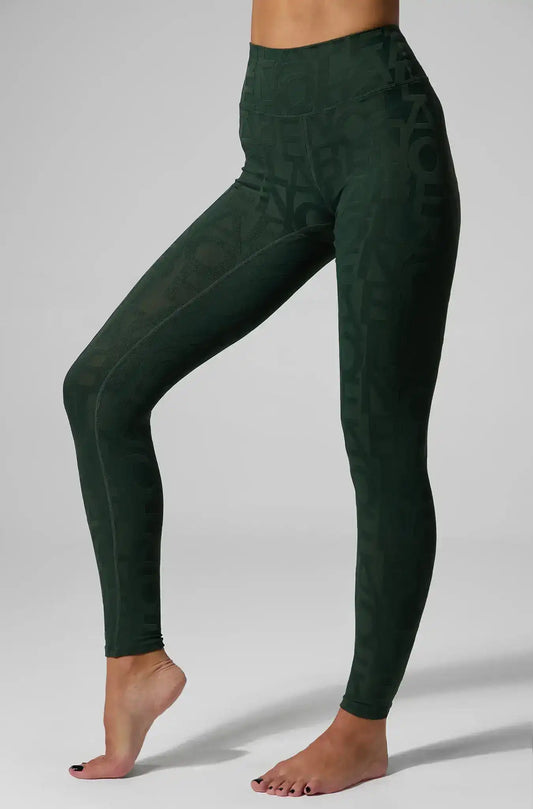
Collapsing onto the hip of the bent front leg is a common issue that leads to uneven weight distribution. This imbalance increases pressure on the front knee and can twist the sacrum, reducing the effectiveness of the pose and increasing the risk of discomfort. Placing blankets or cushions under the lifted hip helps level the pelvis, while supportive, well-fitted leggings or bottoms for women can enhance body awareness and encourage more even grounding.
Do not force the front shin to be parallel
Forcing the front shin to become parallel to the front edge of the mat is unnecessary and can place excessive strain on the knee. For many bodies, especially those with tight hips, a diagonal shin position is safer and more sustainable. In Pigeon Pose, joint safety and comfort should always take priority over achieving a visually “ideal” alignment.

The Bottom Line
Pigeon Pose is a deeply transformative yoga posture that offers far more than a simple stretch. When practiced with proper alignment, mindful breathing, and suitable modifications, Pigeon Pose becomes a powerful yet nurturing addition to any yoga routine, suitable for both beginners and experienced practitioners.
At the same time, this posture requires patience, body awareness, and self-compassion. Progress in Pigeon Pose should never be forced. Listening closely to your body’s signals, using props for support when necessary, and allowing flexibility to develop gradually are essential for experiencing its benefits safely and sustainably. Comfort-focused, well-designed yoga wear, such as pieces found in Olaben’s women’s best sellers or the yoga for men, can further support mindful movement by allowing freedom of motion and enhanced body awareness throughout the practice.
Whether your goal is to ease tight hips from long hours of sitting, improve posture and mobility, or deepen both the physical and emotional aspects of your yoga journey, Pigeon Pose is a posture worth exploring. Approached with respect for your body and consistency over time, it can become a meaningful tool for long-term well-being and balanced practice.