Pickleball is one of the fastest growing sports in the world, and Vietnam is no exception. Easy to learn, social, and full of energy, it quickly becomes a favorite for anyone who tries it. There is only one thing that tends to confuse beginners at first: the scoring system.
Do not worry. Once you understand how scoring works, everything becomes much more fun and strategic. In this guide, Olaben walks you through the simplest way to score in pickleball, including singles, doubles, and the updated Rally Scoring format recognized in 2025.
Grab your paddle. Let’s learn to score like a pro.
1. Basic Principles of Pickleball Scoring
Pickleball matches are most commonly played to 11 points. To win a game, a team must be ahead by at least 2 points. If the score reaches 10 to 10, the game continues until one team achieves a 2 point margin such as 12 to 10 or 15 to 13.
The most important rule is that only the team who is serving can score. If the serving team wins the rally, they add a point and continue serving. If they lose the rally, the serve passes to the next server or the other team depending on the format of play.
In tournament settings, matches may be played to 15 or 21 points while still requiring the “win by 2” condition.

2. How to Read and Understand Pickleball Scores
Pickleball uses a three number scoring call in doubles:
Server score – Receiver score – Server number
For example, if the score is called as:
5 – 3 – 2
It means:
- The serving team has 5 points
- The receiving team has 3 points
- The server is the second server on the serving side
The third number only exists in doubles play. In singles, only two numbers are called: server score first, receiver score second.
Understanding this structure ensures that every player always knows who is ahead and who should be serving at any moment.

3. Scoring Rules for Singles Pickleball (1 vs 1)
Singles scoring is straightforward. There is only one server for each turn.
- Only the server may score points
- When the server loses a rally, a side out occurs and the opponent becomes the server
- Games are typically played to 11 points, win by 2
In singles, there is one detail that helps with positioning:
- If the server’s score is even (0, 2, 4, 6, 8), the serve is from the right-hand side
- If the server’s score is odd (1, 3, 5, 7, 9), the serve is from the left-hand side
This rule ensures that players adjust their court positioning based on their own score and maintain fairness across both sides of the court.

4. Scoring Rules for Doubles Pickleball (2 vs 2)
Doubles is the most widely played version of the game. Each team consists of two players and both players get the opportunity to serve before the serve is handed to the opposing team.
The serve always begins from the right side of the court. If the serving side wins a rally, the same server continues but switches to the opposite side of the court. The serving team only changes sides when they score.
When the first server loses a rally, the second player on the same team becomes the server. When the second server loses a rally, a side out occurs and the opposing team gains the serve opportunity.
Special Rule for the First Serve of the Game
To prevent an unfair advantage to the team that begins with the serve, only the player positioned on the right side serves at the start of a match. This player is considered the “second server” so the opening score is always called:
0 – 0 – 2
The “2” indicates that as soon as this server loses a rally, the serve will switch to the opposing team. After that initial turn, both players on each team will have full serve opportunities throughout the match.
5. Rally Scoring: Official Update Beginning in 2025
Pickleball is evolving. In 2025, USA Pickleball provisionally approved the use of Rally Scoring in certain tournament formats, including round robin events and team-based formats. Traditional Side-Out Scoring remains the primary and official scoring format for national championships and Golden Ticket tournaments.
Rally Scoring introduces one main difference:
- Any team that wins a rally scores a point, regardless of which team served the ball
Rally Scoring matches are typically played to 21 points and still require a 2 point margin to win. The ball continues to be served diagonally and player movement still depends on the server’s score being odd or even.
This system increases the pace of the game, reduces match duration, and creates a more continuous flow of scoring. It is expected to expand into more competitions over time.
Beginners are encouraged to first learn Side-Out Scoring since it remains the standard for most organized play.

6. Practical Scoring Examples
Below are a few sample score calls to practice aloud on court.
- Score: 0 – 0 – 2: Starting a doubles game. Serve from the right side.
- Score: 7 – 4 – 1: Serving team has 7 points. First server is serving. Position depends on whether the score is even or odd.
- Score: 5 – 8 (Singles): The server has 5 points which is an odd number, so the serve is from the left side.
Repeating the score before each serve helps reinforce the rules and ensures everyone stays aligned.
7. Common Scoring Mistakes and How to Avoid Them
- Forgetting that only the serving side can score in traditional Side-Out Scoring
- Mixing up the server number and assuming it remains constant throughout the match
- Switching sides incorrectly as the receiving team
- Ending the game too early without confirming a two point lead
When players stay patient and communicate clearly, these mistakes quickly disappear with experience.
8. How to Learn Scoring Faster as a New Player
- Start with short games to five or seven points
- Practice calling the score confidently before every serve
- Play regularly with someone who already understands the system
- Focus on court position linked to even and odd server scores
- Watch tournament play to observe proper rotation and rules in action
Consistency comes with repetition. After a few matches, calling the score becomes a natural part of your routine.
Conclusion
Although pickleball scoring may look confusing at first glance, it quickly becomes part of your instinct once you get a few games under your belt. When you understand the score and how it affects rotation and court positioning, you stay more alert, make better tactical decisions, and stay one step ahead of your opponents.
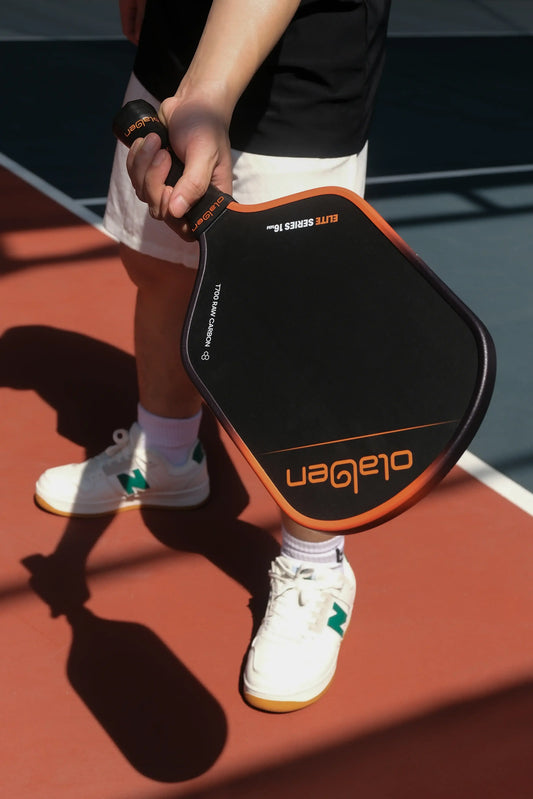
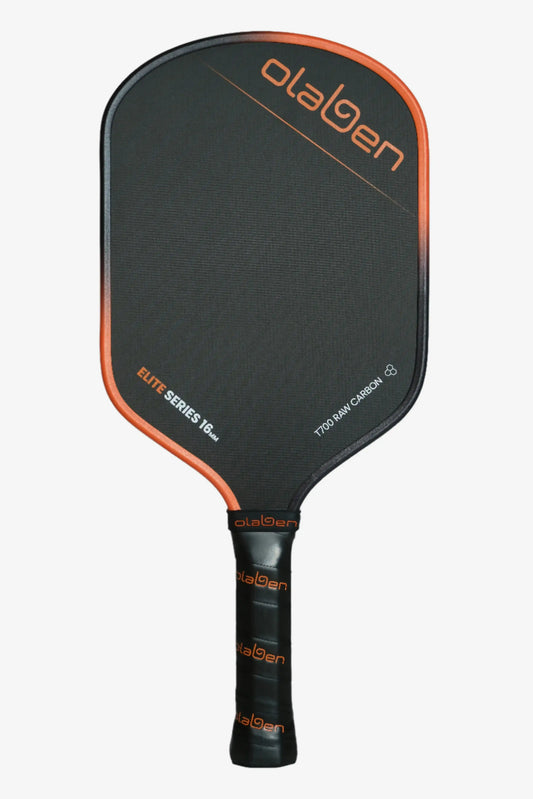
If you are just getting started, focus on short practice games and build good habits from the beginning including the right grip, footwork, and paddle control. Choosing equipment that supports your technique also plays a noticeable role in your progress. A Pickleball paddle from Olaben offers a reliable blend of balance, comfort, and responsiveness so you can swing with confidence and keep your focus on the rally rather than your hand.
With consistent practice, the scoring system will feel effortless and the rhythm of each match will become more enjoyable. It will not take long before you are playing with full confidence and experiencing why pickleball has become one of the most exciting and enjoyable sports to learn today.