You can stretch and strengthen all you want, but if your nervous system is stuck in fight-or-flight, you will still feel wired, tense, and tired. This is where yoga does something a workout cannot: it speaks directly to your nervous system. Through slow movement, long holds, and specific breathing, yoga stimulates the vagus nerve and shifts you out of stress and into rest. Here is the science, and a practical sequence to do it.

Your Two Nervous-System Gears
Your autonomic nervous system has two branches that work like gears:
- Sympathetic (fight-or-flight): the gas pedal. It speeds up heart rate, tenses muscles, and floods you with stress hormones. Useful in real danger, exhausting when stuck on.
- Parasympathetic (rest-and-digest): the brake. It slows the heart, relaxes muscles, and lets the body repair, digest, and calm down.
Modern life keeps many of us in sympathetic overdrive: constant alerts, deadlines, and low-grade stress. The goal of nervous-system yoga is to deliberately switch into the parasympathetic gear, and the master switch for that is the vagus nerve.
The Vagus Nerve: Your Built-In Calm Switch
The vagus nerve is the longest cranial nerve and the main highway of the parasympathetic system. It runs from the brainstem down through the throat, lungs, heart, and gut. When you stimulate it, heart rate drops, blood pressure lowers, cortisol falls, and you feel calmer. This is sometimes called improving “vagal tone.”
Yoga stimulates the vagus nerve in several ways at once:
- Slow breathing with long exhales activates it directly.
- Gentle pressure and stretch on the neck, chest, and belly (through poses) sends calming signals.
- Humming, chanting, and ocean breath vibrate the throat where the vagus passes.
- Long, supported holds give the body time to register safety and downshift.
One reason yoga calms the mind so reliably is chemical: slow practice has been shown to raise GABA, the brain’s main calming neurotransmitter, while lowering stress hormones. For more on this, see our deeper guide to yoga and mental health and restorative yoga.
What Is Somatic Yoga?
Somatic yoga is a slow, inward-focused style built specifically around nervous-system regulation. Instead of chasing the deepest stretch or the hardest pose, you move gently and pay close attention to how each movement feels from the inside (this inner sensing is called interoception). The point is to teach your body that it is safe, which is exactly what an overstimulated nervous system needs. It overlaps closely with yin and restorative yoga.

Breathwork to Stimulate the Vagus Nerve
Breath is the fastest and most direct lever. Try these:
|
Technique |
How to do it |
Effect |
|
Extended exhale |
Inhale for 4, exhale for 6 to 8 |
Directly activates the vagus nerve |
|
Physiological sigh |
Two inhales through the nose, one long exhale through the mouth |
Fast down-regulation when anxious |
|
Bhramari (humming bee) |
Inhale, then hum on a long exhale |
Throat vibration stimulates the vagus |
|
Ujjayi (ocean breath) |
Gentle throat constriction, audible breath |
Anchors attention, calming |
|
Box breathing |
Inhale 4, hold 4, exhale 4, hold 4 |
Steadies a racing system |
The single rule that matters most: make your exhale longer than your inhale. That alone tips you toward rest. See what pranayama is and our 4-7-8 calming breath.
A 15-Minute Nervous-System Reset Sequence
Do this slowly, ideally in dim light. Use props so the body can fully let go. Hold each pose and breathe with long exhales.
- Seated extended-exhale breathing (3 min). Sit comfortably. Inhale for 4, exhale for 6 to 8. Let the shoulders drop.
- Cat-Cow, very slow (2 min). Match the movement to your breath to gently mobilize the spine and signal safety.
- Supported Child’s Pose (2 min). Rest your torso over a bolster or cushion. Breathe into the back body.
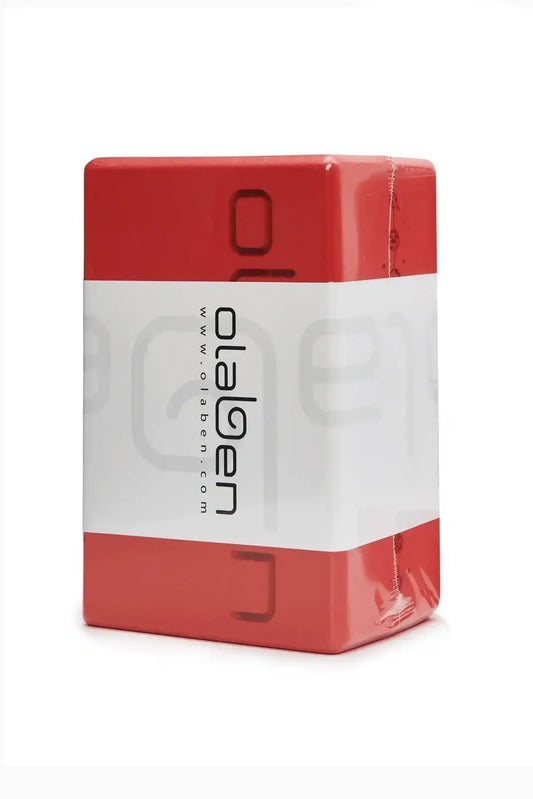
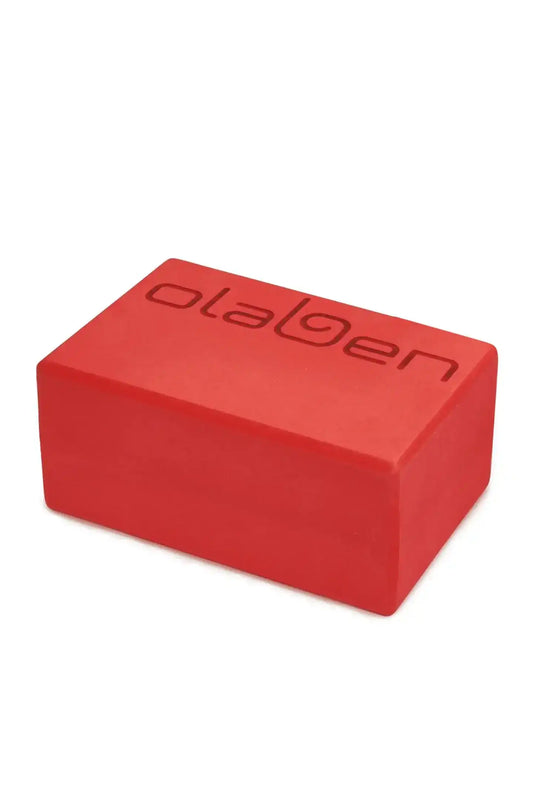
- Reclined Bound Angle (3 min). Lie back with the soles of the feet together, knees supported on blocks, one hand on the heart and one on the belly. See how to use blocks.
- Legs-Up-the-Wall (3 min). Lie with your legs up a wall. One of the most calming poses there is. More in Legs-Up-the-Wall.
- Savasana with humming (2 min). Lie flat, then hum softly on each exhale for the final minute. Rest in Savasana.
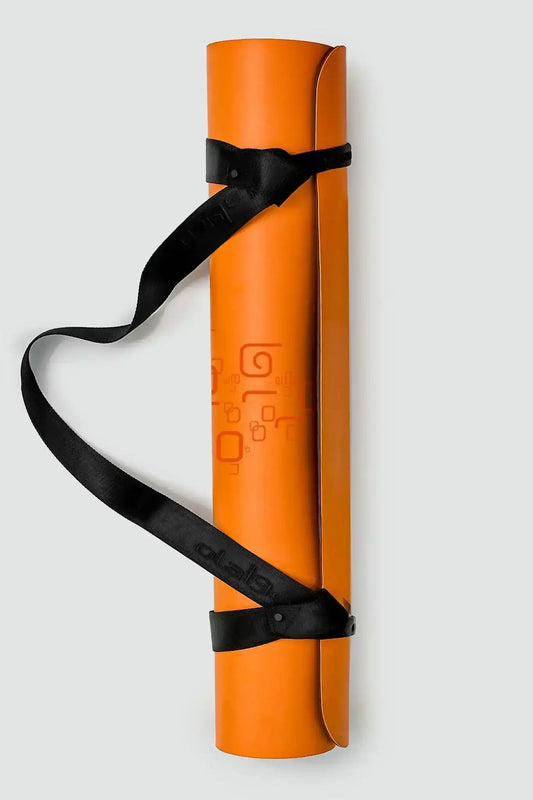
Supportive props make this work. A bolster or yoga blocks, a calming scented candle, a cushioned yoga mat, and soft activewear all help the body register that it is safe to relax.
When to Use Nervous-System Yoga
- After a stressful day, to switch off the fight-or-flight response.
- Before bed, to ease into sleep (pair with yoga before bed).
- During anxiety spikes, using the physiological sigh or extended exhale anywhere.
- On rest days from harder training, as active recovery.
A note: yoga is a powerful tool for everyday stress regulation, but it complements rather than replaces professional care for diagnosed anxiety, trauma, or other conditions. If a practice ever increases your distress, ease off and seek guidance.

Frequently Asked Questions
How does yoga calm the nervous system?
Yoga activates the parasympathetic “rest-and-digest” branch by stimulating the vagus nerve through slow breathing, long supported holds, and throat vibration from humming or ocean breath. This lowers heart rate, blood pressure, and stress hormones.
What is the best yoga for the vagus nerve?
Slow, gentle styles: somatic, restorative, and yin yoga, combined with extended-exhale breathing and humming (Bhramari). These stimulate the vagus nerve far more than fast, vigorous yoga.
What is somatic yoga?
Somatic yoga is a slow, inward-focused practice centered on nervous-system regulation and body awareness (interoception). Rather than chasing deep stretches, you move gently to teach the body that it is safe, calming an overstimulated system.
How does breathing stimulate the vagus nerve?
A long, slow exhale directly activates the vagus nerve and the parasympathetic system. Techniques like extended-exhale breathing, the physiological sigh, and humming bee breath are the fastest ways to shift into calm.
How often should I do nervous-system yoga?
You can practice daily, even for 10 to 15 minutes. It is especially useful in the evening, during stress spikes, or as active recovery on rest days, with no risk of overtraining because it is gentle by design.