The glute muscles play a crucial role in maintaining balance, improving posture, and shaping a toned physique. However, many beginners often exercise incorrectly, making it harder to develop the glutes or causing back pain and knee strain. In this article, Olaben will guide you on how to effectively train your glutes as a beginner, with basic, easy-to-follow exercises and essential tips for safe and proper practice.
Overview of the Glute Muscles
The glutes are a group of muscles located at the back of the hips, extending from the pelvis and sacrum to the femur. Due to this position, the glutes act as a “central hub,” helping the lower body move efficiently and maintain stability.
Structurally, the glutes are large and capable of generating significant force, ranking among the strongest muscles in the body. They are directly involved in daily movements such as standing up, sitting down, walking, running, and jumping, while also helping the body bear weight and distribute force effectively.
Beyond movement, the glutes are vital for maintaining balance and stable posture. During body movement or positional changes, the glutes support and protect the spine and pelvic structure, helping reduce the risk of injury. Moreover, well-developed glutes have a significant impact on body aesthetics, contributing to a firmer, more proportionate physique.
See also: How to Increase Glute Size: 8 Best Exercises with Step-by-Step Guide

Common Glute Muscle Issues and How to Prevent Them
The glutes bear a significant load during daily activities and exercise, making them prone to problems if not properly cared for or trained. Recognizing common conditions early can help you prevent injuries and maintain healthy glute function.
Glute Pain and Tightness
Pain or tightness in the glutes often occurs due to overuse, incorrect exercise technique, prolonged sitting, or sports injuries. Common symptoms include dull aches, stiffness in the glute area, difficulty standing up or sitting down, and increased pain during movement.
If left untreated, this can lead to persistent inflammation and reduced mobility. To prevent glute pain, make sure to warm up properly before exercise, maintain good posture while sitting and moving, and allow adequate rest periods.
Glute Weakness
Glute weakness is common among those who are sedentary, sit for long periods, or are recovering from lower back or hip injuries. When the glutes are weak, the hip joints and spine bear extra stress, increasing the risk of lower back pain, imbalance, and injury during movement.
Signs of glute weakness include fatigue when climbing stairs, difficulty maintaining balance, or reduced performance in squats and running. The best preventive measure is to maintain a regular workout routine focused on strengthening the glutes and hip muscles.
Piriformis Syndrome
Piriformis syndrome occurs when the piriformis muscle becomes tight or inflamed, putting pressure on the sciatic nerve. Common causes include prolonged sitting, overexertion, poor posture, or glute injuries.
Symptoms can include pain radiating from the buttocks down the thigh, tingling, or a pins-and-needles sensation in the leg. Pain often worsens after long periods of sitting or intense activity. Prevention strategies include proper warm-ups, maintaining correct sitting posture, and regularly performing glute and hip stretches.
Glute Tendonitis
Glute tendonitis is irritation or inflammation of the tendons attaching the glutes, especially in the outer glute region, often caused by repetitive movements, overloading, or improper technique. People with glute tendonitis may feel a dull ache in the outer glute, with pain increasing when climbing stairs, running, or lying on the affected side.
To reduce the risk of glute tendonitis, control exercise intensity, pay attention to movement technique, and include stretching and recovery exercises after workouts.

7 Basic Exercises to Strengthen and Tone Your Glutes
To improve glute firmness, you can choose simple exercises and maintain a routine of 2–3 sessions per week. For beginners, start with a smaller number of repetitions to get familiar with the movements, then gradually increase intensity as your body adapts. Practicing with proper technique is more important than the number of reps, helping prevent injuries and maximize glute development.
Glute Bridge
The Glute Bridge is a fundamental exercise that activates the glutes and helps stabilize the hips. This move is commonly used in both strength training and rehabilitation due to its safety and ease of execution.
How to perform:
- Lie on your back with knees bent, feet firmly on the floor, hip-width apart.
- Keep your back and neck relaxed, squeeze your glutes to lift your hips until your body forms a straight line from shoulders to knees.
- Hold the position for a few seconds, feeling the glutes contract.
- Slowly lower your hips and repeat.
Reps & Sets: 12–15 reps per set, 1–3 sets depending on your fitness level.

Jump Squat
Jump Squat is an advanced variation of the traditional squat, incorporating a jump to increase power and endurance in the glutes and legs. This exercise also helps burn calories and improve explosive strength.
How to perform:
- Stand tall with feet shoulder-width apart, distributing weight evenly.
- Lower into a squat, keeping your back straight.
- From the squat, push off the ground explosively, swinging your arms naturally to gain momentum.
- Land softly on the balls of your feet, then return to the squat position.
Reps & Sets: 10–12 reps per set, 2–3 sets if your body responds well.

Walking Lunge with Dumbbells
Walking Lunges with dumbbells combine stepping movement with resistance, effectively targeting the deep glute muscles while strengthening the quads and improving balance during movement. This exercise is ideal for increasing lower body strength, glute firmness, and hip stability.
Note: Individuals with a history of knee, ankle, or hip issues should consult a professional before performing this exercise with weights.
How to perform:
- Hold a dumbbell in each hand, letting your arms hang naturally by your sides.
- Stand tall, feet hip-width apart, keep your back straight, and lightly engage your core.
- Step one foot forward and lower your body until the front knee forms a roughly 90-degree angle.
- Hold for 1–2 seconds to feel the glute contraction.
- Push back up to standing, step forward with the other leg, and repeat.
Reps & Sets: 20 steps per set (10 per leg).

Single-Leg Deadlift
The Single-Leg Deadlift is an advanced variation of the traditional deadlift that primarily targets the glutes and hamstrings while requiring greater balance control and core stability. This exercise is ideal for developing unilateral strength and reducing muscle imbalances between the two sides of the body.
How to perform:
- Hold a dumbbell with both hands in front of your thighs and stand upright.
- Shift your body weight onto one supporting leg, allowing the other leg to relax behind you.
- Slightly bend the knee of the supporting leg, hinge at the hips, and lower your torso while keeping the dumbbell close to the standing leg.
- At the same time, lift the rear leg, keeping your torso and lifted leg in a straight line.
- When your torso is nearly parallel to the floor, pause briefly to maintain balance.
- Slowly return to the starting position and switch legs.
Sets & Reps: Perform 3 sets of 15 repetitions per side.

Clamshell
The Clamshell exercise targets the deep glute muscles, especially the gluteus medius and gluteus minimus—muscles that are often underactivated in compound exercises like squats or deadlifts. Strengthening these muscles helps stabilize the pelvis, improve posture, and reduce the risk of lower back pain.
How to perform:
- Lie on your side with both legs stacked and knees bent naturally.
- Keep your torso stable and lightly engage your core to prevent hip rotation.
- Slowly lift the top knee while keeping your feet together.
- Pause for a few seconds at the top to feel the glute muscles working.
- Lower the knee with control and repeat.
Sets & Reps: Perform 3 sets of 15 repetitions per side, then switch sides.

Banded Side Step
The Banded Side Step uses resistance bands to activate the glutes and hip muscles, helping improve balance and control during lateral lower-body movements.
How to perform:
- Stand upright with feet shoulder-width apart and knees slightly bent.
- Place a resistance band around your knees or ankles, depending on your experience level.
- Keep your torso stable and step one foot to the side, creating tension in the band.
- Bring the other foot back to the starting position and continue stepping in the opposite direction.
Sets & Reps: Perform 10 steps in each direction, repeat for 3 sets per side.

Donkey Kick
The Donkey Kick is an isolation exercise that activates all three glute muscles, focusing on toning and strengthening the posterior glute area. This movement is suitable for both beginners and experienced exercisers.
How to perform:
- Start in an all-fours position with hands directly under shoulders and knees hip-width apart.
- Keep your back straight and engage your core to stabilize your torso.
- Lift one leg backward with the knee bent and foot pointing upward.
- Drive the movement using your glutes, avoiding hip rotation or excessive arching.
- Slowly lower the leg and repeat.
Sets & Reps: Perform 3 sets of 15 repetitions per leg.

Tips for Effective Glute Training
To build firm, strong glutes and maintain long-term results, proper technique alone is not enough. You also need to pay attention to training frequency, recovery time, supportive equipment, and suitable workout apparel. Below are detailed tips to help you train your glutes more effectively:
Warm Up and Activate Your Glutes
Before performing exercises such as squats, lunges, or hip thrusts, start with light warm-up and glute activation movements like Glute Bridges, Clamshells, or Donkey Kicks. These exercises help “wake up” the glute muscles, increase blood circulation, prepare your body for heavier lifts, and reduce the risk of muscle strain or injury.
Maintain Proper Form During Exercises
Whether you are doing beginner or advanced movements, correct form is key to maximizing results. When performing squats, lunges, deadlifts, or jump squats:
- Engage your glutes and core muscles
- Keep your back straight and spine in a neutral position
- Adjust foot placement and hip alignment to maximize glute activation
Choose the Right Workout Apparel
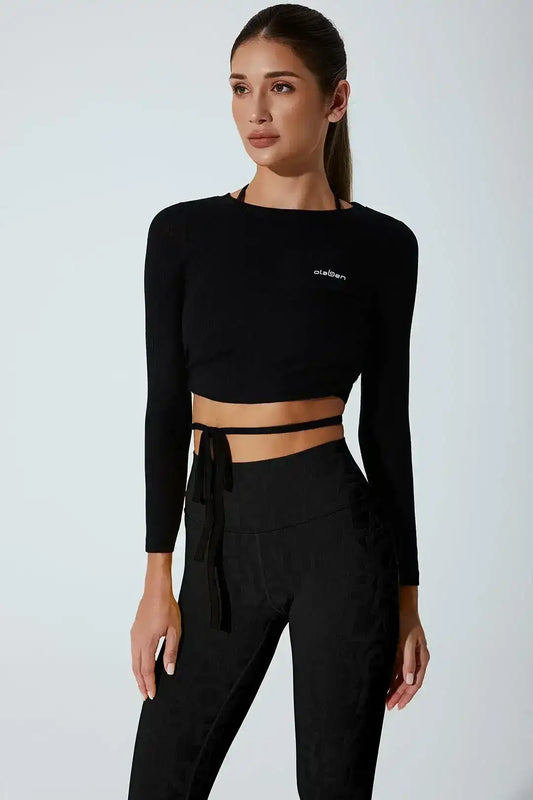
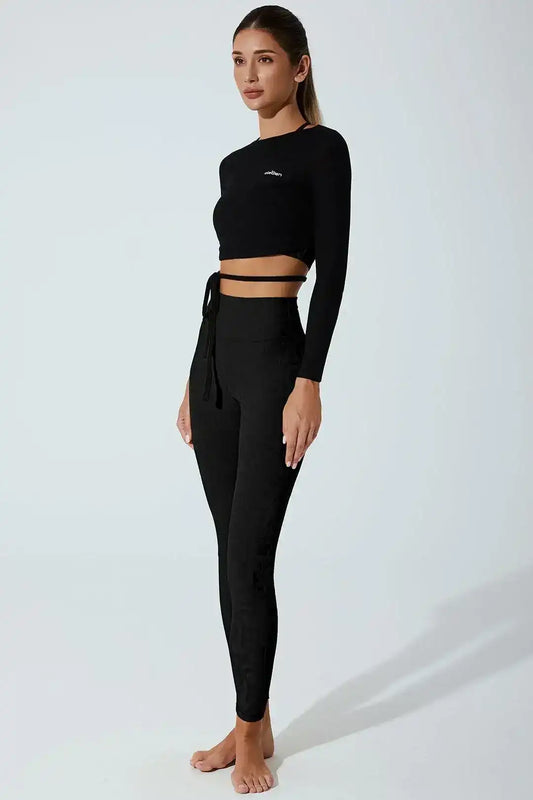
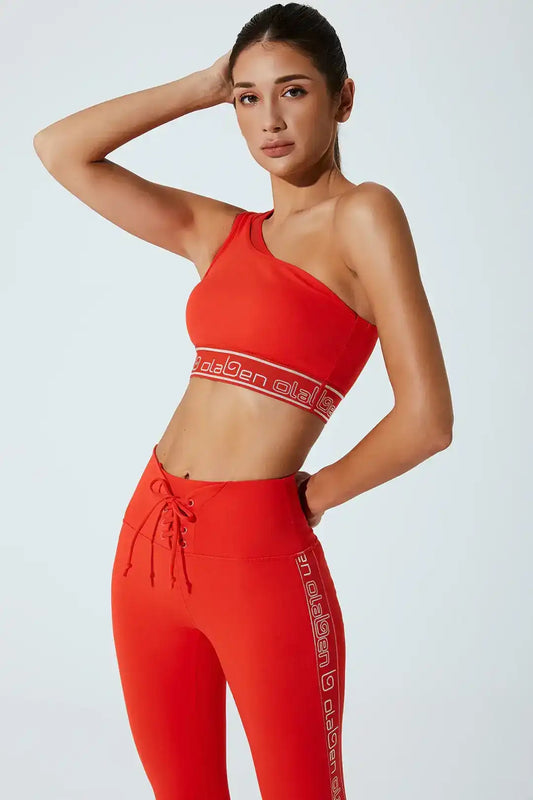
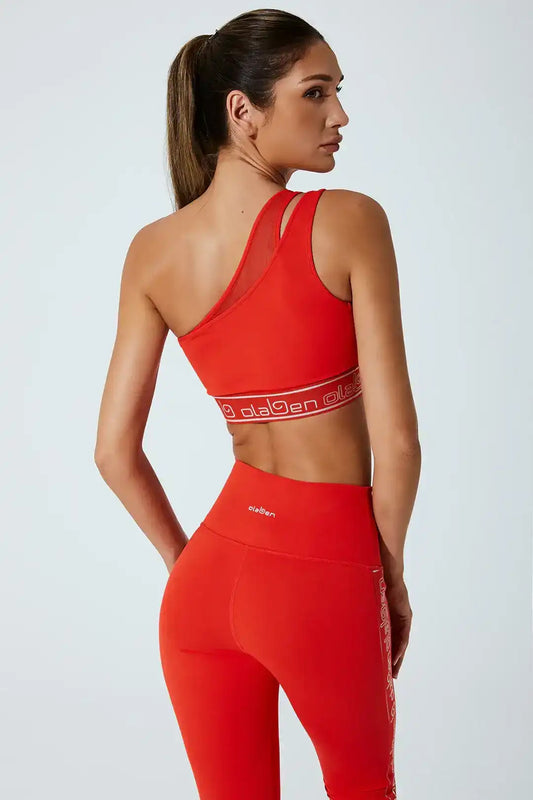
Workout clothing not only provides comfort but also plays an important role in supporting proper posture during exercise. Well-fitted, stretchy apparel allows for smooth movement without restriction while helping keep your body warm and stable throughout the workout. This reduces injury risk and enhances activation of the glutes, hips, and legs.
For women, Olaben’s women’s activewear collection includes:
- Women’s leggings and stretch-fit pants as leggings, pants: allow easy movement during squats and lunges without restriction
- Women’s sports tops, such as long-sleeve training tops or crop tops: breathable, flexible, and supportive for maintaining body stability
For men, Olaben’s men’s activewear collection includes:
- Stretch athletic pants or sports shorts: ensure flexibility for squats, lunges, and lateral movements
- Men’s training tops, including long-sleeve workout shirts or fitted short-sleeve tees: help retain warmth and adapt easily as training intensity increases
Olaben offers a full range of men’s and women’s sportswear from leggings and shorts to long-sleeve tops and stretch T-shirts, designed to keep you comfortable while performing glute workouts at home or in the gym.
Use Supportive Equipment to Boost Results
Simple training tools can significantly enhance glute activation:
- Resistance bands: increase intensity for exercises like Banded Side Steps and Clamshells
- Dumbbells or ankle weights: add resistance to squats, lunges, and deadlifts
- Exercise mats: provide comfort and safety for floor-based movements like donkey kicks or core exercises
Train Consistently and Allow Proper Recovery
Aim for 2–3 glute-focused sessions per week, alternating with rest days to allow muscle recovery and prevent soreness or overtraining. Incorporate post-workout stretching, especially for the hips, glutes, and thighs—to improve flexibility and reduce muscle stiffness.
Gradually Increase Training Intensity
As basic exercises become easier, progressively increase the number of sets, repetitions, or resistance levels. Gradual progression maintains muscle stimulus, helping your glutes grow stronger, firmer, and more evenly developed.
Final Thoughts
The glutes are a core muscle group of the lower body, essential for balance, pelvic stability, and efficient movement, from standing and sitting to running and jumping. Training with proper technique using fundamental exercises such as Glute Bridges, Squats, Lunges, Donkey Kicks, and Clamshells helps strengthen the glutes, reduce lower back pain, and lower injury risk. Consistent training, adequate recovery, and progressive overload will support long-term glute development, improved flexibility, and a well-toned physique.