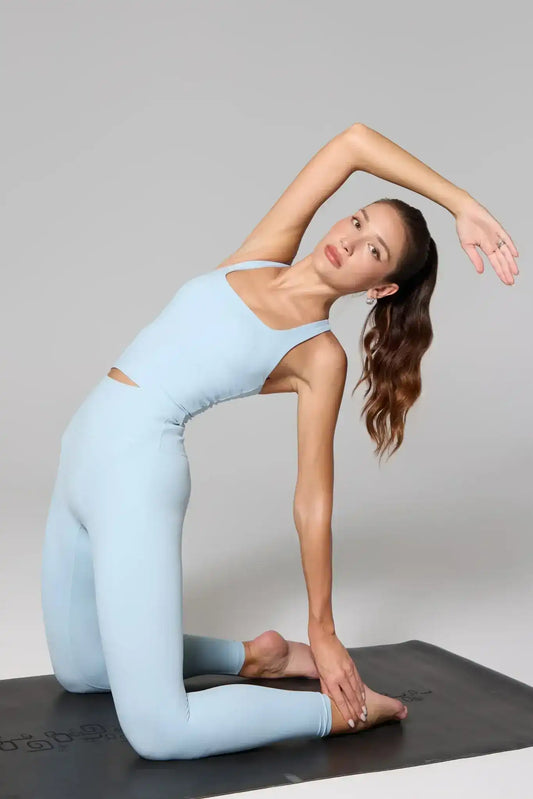
Cold weather often makes it tempting to stay indoors, curl up under a blanket, and put physical activity on hold. However, winter doesn’t have to mean the end of your fitness routine. With the right mindset, preparation, and activity choices, you can stay active in cold weather and even enjoy unique health benefits that come with exercising during the winter months.
In this article, we’ll explore why staying active in cold weather matters, the best outdoor and indoor activities, essential safety tips, and proven strategies to stay motivated all winter long.
Why Staying Active in Cold Weather Is Important?
Staying active during cold weather is just as important as exercising in warmer months. In fact, winter movement can bring unique benefits for both physical and mental health. Keeping a regular routine helps prevent stiffness, weakness, and loss of motivation that often happen when people slow down during winter.
It helps maintain overall fitness
When activity drops in winter, strength and mobility can decline quickly. Staying active helps your body stay strong and functional year-round.
- Maintains muscle strength and joint mobility
- Prevents stiffness from sitting too much
- Supports long-term physical health
Cooler weather can improve workout comfort
Cold temperatures place less stress on the body compared to hot weather.
- Lower risk of overheating
- Better temperature regulation
- Often allows longer and more comfortable workouts
It supports the immune system
Winter is cold and flu season, and regular movement plays an important role in keeping the immune system strong.
- Moderate exercise helps the body fight infections
- Reduces the chance of getting sick
- Supports faster recovery
Outdoor activity boosts vitamin D and mood
Even with shorter days, spending time outside still matters.
- Sunlight supports vitamin D production
- Vitamin D helps bone health and immunity
- Physical movement plus sunlight improves mood and energy
Exercise protects mental health in winter
Cold weather and limited daylight can affect motivation and emotions. Staying active helps counter this.
- Reduces stress and anxiety
- Improves sleep quality
- Increases focus and mental clarity
Staying active reduces injury risk later
Keeping your body moving through winter prepares it for higher activity levels in spring.
- Muscles and joints stay conditioned
- Cardiovascular fitness is maintained
- Easier transition back to outdoor sports and workouts
Health experts recommend at least 150 minutes of moderate physical activity per week, no matter the season. Whether indoors or outdoors, staying active during cold weather helps protect your body, support your mind, and maintain overall quality of life.

Outdoor Activities to Stay Active in Cold Weather
When conditions are safe, exercising outdoors in cold weather can feel refreshing and energizing. Cold air often helps you feel more alert and motivated. The key to staying comfortable is simple: prepare well and dress properly so your body stays warm and dry while moving.
Walking, hiking, and running
These are some of the easiest ways to stay active in winter and require very little equipment.
What to keep in mind:
- Dress in layers
- Base layer: moisture-wicking fabric to keep sweat off your skin
- Mid-layer: insulation such as fleece to hold in warmth
- Outer layer: lightweight and wind-resistant for protection
- Choose cold-weather fabrics like polyester, nylon, merino wool, or spandex blends
- Wear waterproof shoes with good traction to avoid slipping
- Use bright or reflective clothing since winter days are shorter
Winter sports for variety and fun
Cold weather also opens the door to activities you cannot do in warmer months.
- Snowshoeing and cross-country skiing
- Full-body cardio workouts
- Activate muscles that are often underused
- Ice skating: Improves balance, coordination, and leg strength
- Sledding: Repeated uphill walks make it more demanding than it looks
These activities help burn calories while keeping exercise enjoyable and mentally engaging.
Active outdoor chores
Not all outdoor movement needs to look like a workout.
- Shoveling snow
- Raking leaves
- Clearing walkways
These tasks raise your heart rate, build strength, and burn calories, while also keeping your outdoor space safe and usable during winter.
Why outdoor winter activity matters
Exercising outside in cold weather offers more than just physical benefits.
- Boosts energy and mental clarity
- Adds seasonal variety to your routine
- Helps you stay consistent year-round
With the right clothing and awareness of conditions, outdoor winter activities can be safe, effective, and genuinely enjoyable.

Indoor Activities for Cold Days

Essential Cold Weather Exercise Tips
Exercising in cold weather can be safe and enjoyable when you follow a few basic principles. The most important ones are proper clothing, good preparation, and taking care of your body. Winter conditions place extra stress on muscles and joints, so small adjustments can greatly improve comfort, performance, and safety.
Dressing in layers is the foundation of cold-weather exercise. Modern activewear is designed to help regulate body temperature while allowing natural movement.
- A moisture-wicking base layer, such as tops for women, seamless leggings and bottoms, or comfortable joggers, helps keep sweat away from the skin.
- An outer layer should be lightweight, breathable, and weather-resistant, such as a jacket for women or a hoodie for men, to protect against wind, rain, or snow while releasing excess heat.
Warming up properly and cooling down afterward are just as important. Cold temperatures cause muscles and joints to tighten, which increases the risk of injury.
- Start with a gradual warm-up like light jogging, dynamic stretches, or mobility exercises
- Finish with gentle stretching to reduce stiffness and support recovery
Staying hydrated is still essential in cold weather, even if you do not feel very thirsty. The body continues to lose fluids through sweat and breathing, especially when exercising in layers.
- Drink water before, during, and after your workout
- Proper hydration helps maintain energy and muscle function
Preparation also plays a major role in winter fitness. Planning ahead by checking the weather forecast helps you make better decisions about your workout.
- Adjust clothing based on temperature and wind chill
- Shorten workouts on extremely cold or windy days
- Switch to indoor training when conditions feel unsafe
Finally, visibility is a critical safety factor during winter, when daylight hours are limited.
- Wear bright colors or reflective details
- Choose outerwear designed with visibility in mind
Many modern men’s and women’s apparel collections now include reflective elements without sacrificing style. By combining smart layering, thoughtful preparation, and well-designed activewear, you can exercise confidently and comfortably throughout the colder months.

Know the Signs of Cold-Related Risks
Exercising during colder months requires more awareness of how your body reacts to low temperatures. It also takes a stronger mindset to stay consistent. Understanding cold-related health risks and knowing how to stay motivated are key to exercising safely and regularly throughout winter.
One of the most serious cold-related risks is hypothermia. This happens when the body loses heat faster than it can produce it, causing core temperature to drop to dangerous levels.
- Persistent or intense shivering
- Slurred or slowed speech
- Confusion or poor concentration
- Slow reactions and lack of coordination
- Cold hands and feet
- Unusual tiredness or sleepiness
These signs should never be ignored. Continuing to exercise without warming up can be dangerous and even life-threatening. Children and older adults are especially vulnerable, as they may struggle more with temperature regulation or communicating discomfort. Extra caution and proper clothing are essential for these groups.
Beyond physical safety, staying motivated during winter can be just as challenging as dealing with the cold itself. One effective strategy is planning workouts ahead of time.
- Schedule exercise like a fixed appointment
- Reduce decision-making on low-motivation days
- Focus on consistency rather than intensity
Keeping exercise enjoyable is equally important. When workouts feel like a chore, it becomes harder to stay consistent.
- Choose activities you genuinely enjoy
- Rotate between different types of movement
- Adapt activities when outdoor options are limited
Staying Motivated to Exercise in Winter
Setting realistic and achievable goals helps maintain motivation over time. Instead of aiming for major changes, focus on small, steady improvements.
- Add a few extra minutes to each workout
- Increase repetitions gradually
- Maintain a consistent number of active days per week
Social support can also make a big difference. Exercising with others creates accountability and makes movement more enjoyable.
- Work out with a friend or family member
- Join online fitness groups or virtual classes
- Share progress to stay encouraged
Your environment plays an important role as well. Creating a dedicated space for exercise helps make movement feel like a normal part of daily life.
- Keep the space clean and inviting
- Use even a small area consistently
- Remove distractions that delay starting
Winter is also a great time to explore new activities that may not fit into warmer seasons.
- Pilates
- Boxing
- Spin classes
- Dance workouts
Trying something new can refresh your routine and renew motivation, turning winter into an opportunity rather than a barrier to staying active.
Final Thoughts: Stay Active All Winter Long
Cold weather does not have to disrupt your fitness routine if you approach it with the right mindset and a bit of planning. Staying active in winter is not about pushing harder. It is about staying consistent and adapting to the season. That can mean brisk outdoor walks, winter sports, home workouts, or simply moving more through everyday tasks.
With good preparation and smart layering, exercising in cold weather can feel comfortable and safe. Functional activewear that keeps you warm while still allowing flexibility and breathability, like the pieces from Olaben’s collections, helps your body move naturally without overheating. When your clothing supports your movement, staying motivated becomes much easier.
Listening to your body and protecting your energy also matter. Winter can affect mood and energy levels, but regular movement helps improve sleep, reduce stress, and maintain mental clarity during darker months. Instead of letting winter slow you down, see it as a chance to take care of your body in different ways. Stay warm, keep moving, and make the most of the season. Your body and mind will benefit long after winter is over.