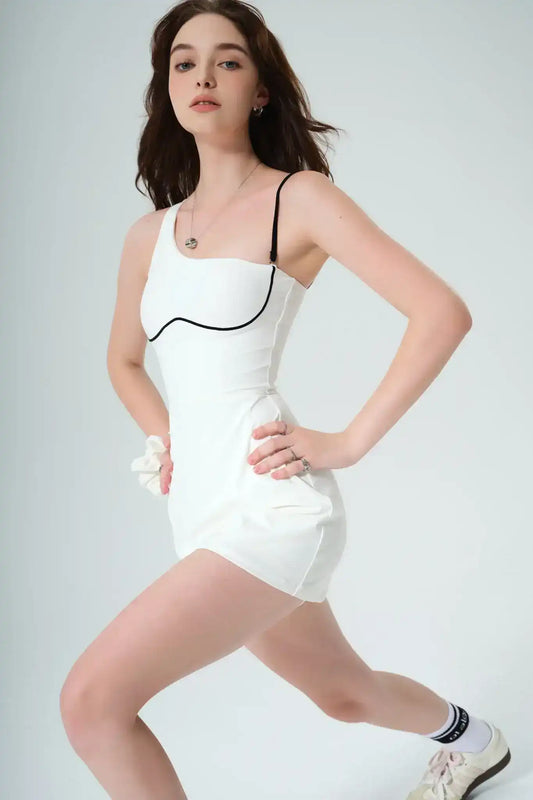
In recent years, tennis and pickleball have both surged in popularity worldwide. Tennis, with its centuries-old history, is known for high-level competition, physical intensity, and technical depth. Pickleball, on the other hand, is a much newer sport that has grown rapidly thanks to its accessibility, social nature, and beginner-friendly learning curve.
So, what exactly is the difference between tennis and pickleball, and which sport is the better fit for you? This in-depth comparison breaks down the key differences between tennis and pickleball, from court size and equipment to rules, physical demands, and overall accessibility, so you can make an informed choice.
Overview: How Are Tennis and Pickleball Similar, and Different?
At a glance, tennis and pickleball share several similarities. Both are net sports played on a rectangular court, using a racket or paddle to hit a ball over a net with the goal of winning points. However, the experience of playing each sport is quite different due to several core factors.
The main differences between tennis and pickleball come down to:
- Court size and layout, which directly affect movement and pace
- Equipment, including rackets, paddles, and ball design
- Rules and scoring systems, which shape strategy and match flow
- Game tempo and physical demands, from endurance to joint impact
- Ease of learning and accessibility, especially for beginners
Together, these elements create two very distinct styles of play, even though both sports fall under the same general category.

1. Court & Net Comparison
The size of the court and the height of the net play a major role in how each sport feels and how players move.
Tennis Court
- Court dimensions: 78 x 27 feet for singles and 78 x 36 feet for doubles, requiring players to cover a large area
- Net height: 3 feet at the center and 3 feet 6 inches at the posts
- Movement demands: The large court size means players must run frequently, change direction quickly, and maintain strong endurance
Pickleball Court
- Court dimensions: 20 x 44 feet for both singles and doubles, making the game more compact
- Net height: Slightly lower, at 2 feet 10 inches in the center and 3 feet at the posts
- Special zone: The non-volley zone, commonly called the “kitchen,” extends 7 feet from the net and prohibits volleying, encouraging softer, more strategic play
Because of its smaller size, one tennis court can often be converted into three or four pickleball courts, which has helped pickleball spread quickly in parks and recreational facilities.
2. Equipment Comparison
While both sports involve hitting a ball over a net, the equipment used creates very different playing dynamics.
Tennis Equipment
- Racket: Larger, strung rackets designed for power, spin, and control
- Weight: Typically around 11-11.5 ounces
- Ball: Pressurized felt-covered tennis balls that bounce high and move fast
- Playing style: Requires strength, speed, and advanced technique to generate pace and spin
Pickleball Equipment
- Paddle: Solid-faced paddle with no strings, offering consistent control
- Weight: Lighter, usually between 7-9 ounces
- Ball: Lightweight plastic ball with holes (26 for indoor, 40 for outdoor), resulting in lower bounce and slower speed
- Playing style: Focuses more on touch, placement, and soft shots rather than raw power
Pickleball balls are not standard wiffle balls, they are specifically engineered to balance control, durability, and predictable flight.

3. Rules & Scoring Systems
Rules and scoring greatly influence match length, strategy, and overall intensity.
Tennis Rules
- Serve: Typically an overhand serve, often delivered with high speed
- Scoring: 0-15-30-40, with deuce and advantage rules
- Point system: Either player or team can score on any point
- Match length: Competitive matches often last 2-3 hours
Pickleball Rules
- Serve: Must be underhand and struck below the waist
- Two-bounce rule: Each side must let the ball bounce once before volleying
- Scoring: Only the serving side can score points
- Game format: Usually played to 11, 15, or 21 points, with a 2-point margin
- Match length: Shorter and more time-efficient
The kitchen rule and two-bounce rule make pickleball more strategic and patient, emphasizing smart shot selection over aggressive power.
4. Game Pace & Strategy
Each sport has a distinct rhythm and tactical focus that shapes how it is played and experienced. Tennis is characterized by a fast-paced style of play, featuring powerful serves and aggressive groundstrokes that can quickly shift momentum. At the same time, effective tennis strategy also relies on smart shot selection, including finesse shots like the drop shot. Much of the game revolves around baseline play, with long rallies that test a player’s endurance, footwork, and consistency.
Pickleball, on the other hand, has a slower overall pace, but it places a strong emphasis on quick reflexes and sharp reactions, particularly near the net. One of the most common shots is the dink, a soft, controlled shot that drops just over the net and forces opponents into uncomfortable positions. At more advanced levels, players frequently rely on the third shot drop to neutralize power and safely approach the net.

5. Physical Demands
Although both sports offer excellent fitness benefits, the strain on the body differs.
|
Factor |
Tennis |
Pickleball |
|
Intensity |
High |
Moderate |
|
Running |
Frequent |
Limited |
|
Endurance |
Very high |
Moderate |
|
Joint impact |
Higher |
Lower |
Pickleball is generally easier on the joints, making it appealing for older players, beginners, or those returning after injury. However, it still requires good balance, leg strength, and stability, especially when playing near the kitchen.
6. Learning Curve & Accessibility
Pickleball has grown rapidly largely because it is easy to learn and highly accessible. Most beginners can rally within 30-60 minutes, even without prior athletic experience, creating quick enjoyment and confidence. With a smaller court, lower physical demands, affordable equipment, and a strong social culture through casual drop-in play, pickleball suits players of all ages and fitness levels.
Tennis, in contrast, has a steeper learning curve and higher physical and technical demands. Beginners usually require regular practice and coaching to build solid strokes and match awareness, along with higher costs for equipment and court time. While more challenging at the start, tennis offers deeper long-term development for players who enjoy mastering complex techniques and competitive play.

Tennis or Pickleball: Which One Is Right for You?
Choosing between tennis and pickleball ultimately comes down to your personal goals, physical preferences, and what you want to get out of the sport. While both offer excellent health benefits and competitive opportunities, they cater to slightly different playing styles and lifestyles.
Choose pickleball if you:
- Want a sport that’s quick to learn
- Value social interaction and fun
- Prefer lower physical impact
Choose tennis if you:
- Enjoy high-intensity physical challenges
- Want to master complex techniques
- Thrive in long, competitive matches
In reality, many players don’t limit themselves to just one sport. Instead, they play both tennis and pickleball, appreciating the balance between tennis’s demanding, high-performance nature and pickleball’s accessibility, social atmosphere, and strategic finesse.
Final Thoughts
When comparing tennis and pickleball, there is no single “better” sport, only the one that best aligns with your goals, physical preferences, and lifestyle. Tennis appeals to players who thrive on speed, power, endurance, and technical mastery, while pickleball attracts those who enjoy strategy, touch, social connection, and a more accessible learning curve. Despite their differences, both sports deliver meaningful benefits for physical health, mental focus, and long-term enjoyment on court.
Beyond technique and tactics, what you wear and use during play also plays an important role in how you move, perform, and feel. For players of both sports, Olaben offers thoughtfully designed collections that cater to the unique demands of tennis and pickleball alike. Whether you’re searching for tennis clothing for men and women or pickleball clothing for men and women, Olaben delivers versatile performance wear alongside essential sport accessories that support active lifestyles on and off the court. Key pieces across Olaben’s collections include:
- Skirts, a popular choice for women’s tennis and pickleball, designed to support easy lateral movement, quick recovery steps, and unrestricted footwork during fast exchanges.
- Dresses, offering a clean and streamlined option for longer matches, combining comfort, breathability, and freedom of movement without sacrificing on-court performance.
- Women’s tops, built with flexible, moisture-wicking fabrics that allow natural arm motion and smooth transitions between baseline play and net control.
- Men’s short sleeves & men’s tank tops, helping keep the upper body cool and unrestricted, supporting fluid swings, controlled touch shots, and extended rallies.
In the end, whether you choose tennis, pickleball, or enjoy playing both, the most important thing is to step onto the court prepared, stay active, and enjoy the game. With the right mindset, smart technique, and well-designed apparel to support your movement, every match becomes a better experience, no matter which side of the net you’re on.