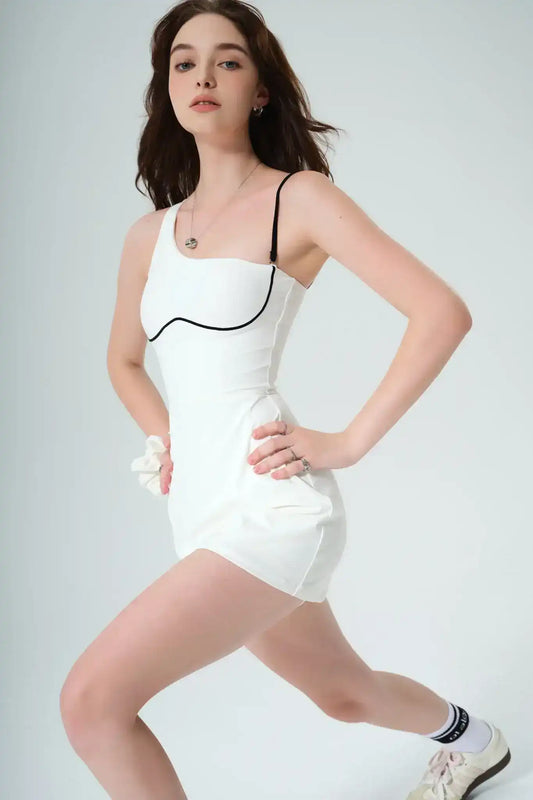
Low Lunge (Anjaneyasana) is a foundational yoga pose that deeply stretches the hip flexors, thighs, and groin while opening the chest and shoulders. Practicing Low Lunge Pose regularly can help counteract the negative effects of long periods of sitting by lengthening tight hip muscles and improving posture. Whether you are new to yoga or an experienced yogi, Anjaneyasana offers a powerful combination of grounding stability and upward expansion.
In this guide, we’ll explore Low Lunge (Anjaneyasana) in detail, including its meaning, benefits, step-by-step instructions, variations, and safety tips for a safe and effective yoga practice.
What Is Low Lunge (Anjaneyasana)?
The Sanskrit name Anjaneyasana comes from the word “Anjaneya,” a name associated with Hanuman, the mythological monkey deity known for his strength, devotion, and powerful leaps. The posture symbolizes the dynamic movement of reaching upward while remaining grounded through the legs.
In the pose, the front foot and back knee provide stability, allowing the upper body to lift and expand. This balance between grounding and openness makes Low Lunge an excellent posture for improving mobility, strength, and body awareness.
Low Lunge is often practiced as part of Vinyasa yoga flows and may be entered from poses such as Downward-Facing Dog or Tabletop Pose.

Benefits of Low Lunge Pose
Practicing Low Lunge (Anjaneyasana) provides a wide range of physical and mental benefits. By combining a deep hip stretch with an upright chest opening, this pose helps improve flexibility, strength, and overall body awareness.
1. Deeply Stretches the Hip Flexors
Low Lunge creates an intense stretch in the psoas, hip flexors, and quadriceps, muscle groups that often become shortened and tight from prolonged sitting or sedentary lifestyles. By lengthening these muscles, the pose helps restore hip mobility, reduce stiffness, and improve the range of motion in the pelvis and thighs. Over time, this can make daily movements such as walking, climbing stairs, and bending more comfortable.
2. Strengthens the Lower Body
While stretching the back leg, Low Lunge simultaneously strengthens the muscles of the front leg, including the quadriceps, glutes, and hamstrings. These muscles work together to stabilize the pelvis and support the body’s weight. Regular practice helps build leg strength, endurance, and joint stability, which is beneficial for overall balance and injury prevention.
3. Opens the Chest and Shoulders
When the arms reach overhead and the chest lifts, the pose encourages expansion of the chest, shoulders, and upper spine. This opening helps counteract the rounded shoulder posture commonly caused by long hours of sitting or working on computers. As the chest expands, the lungs have more space to fully inflate, which can encourage deeper breathing and improve respiratory efficiency.
4. Improves Balance and Focus
Maintaining Low Lunge requires steady alignment, core engagement, and mindful breathing. Because the body must stabilize itself between the grounded legs and the lifted torso, the pose naturally develops balance, coordination, and concentration. Practicing it regularly can help improve proprioception, which is the body’s awareness of its position in space.
5. Helps Relieve Tightness From Sitting
Many people spend long periods sitting at desks, which keeps the hips in a constantly flexed position. Low Lunge works in the opposite direction by opening the front of the hips and lengthening the hip flexors. This can help reduce tension in the lower back, improve pelvic alignment, and correct posture imbalances caused by sedentary habits.
6. Therapeutic Support
Some practitioners find that Low Lunge can help relieve mild symptoms associated with sciatica by gently stretching the hips and surrounding muscles. The pose also encourages better blood circulation in the legs and hips, which can support muscle recovery and reduce feelings of tightness or fatigue in the lower body.
Because of these benefits, Low Lunge is often recommended in simple office yoga routines to help release hip tension after long hours of desk work.

How to Do Low Lunge (Anjaneyasana)
Follow these step-by-step instructions to safely perform Low Lunge Pose.
Step 1: Start From Downward-Facing Dog
- Begin in Downward-Facing Dog (Adho Mukha Svanasana).
- Exhale and step your right foot forward between your hands, aligning your right knee directly over your ankle.
Step 2: Lower the Back Knee
- Lower your left knee to the floor and slide it slightly backward until you feel a comfortable stretch along the front of the left thigh and hip.
- Turn the top of your back foot to the floor.
Step 3: Lift the Torso
- Inhale and lift your torso upright.
- Sweep your arms out to the sides and then overhead, reaching toward the ceiling.
Step 4: Align the Hips and Spine
- Draw your tailbone down toward the floor and gently lift your lower abdomen to support your spine.
- Lift your chest upward while keeping the shoulders relaxed.
Step 5: Optional Backbend
- If comfortable, tilt your head back slightly and gaze upward without compressing the neck.
- Reach your fingertips toward the ceiling.
Step 6: Hold and Release
- Hold the pose for 5-10 deep breaths.
- Exhale, bring your hands back to the floor, tuck your back toes, and step back into Downward-Facing Dog.
- Repeat on the other side.
Variations of Low Lunge Pose
Low Lunge can be modified in several ways to accommodate different levels of flexibility, balance, and comfort. These variations allow practitioners to adjust the intensity of the pose, improve alignment, or add support when needed, sometimes with the help of supportive yoga accessories.
- Hands-on-hips variation: Instead of raising the arms, place your hands on your hips to focus on hip alignment and stability.
- Low lunge backbend: Lift your arms overhead and gently arch your upper back to deepen the chest opening.
- Knee placement adjustment: Your back knee can be positioned directly under the hip for a milder stretch or slid further back to increase the stretch in the quadriceps.
- Blanket support: Place a folded blanket under the back knee to cushion the joint and reduce pressure.
- Low lunge with yoga blocks: A beginner-friendly variation of the pose uses yoga blocks for support. This variation, sometimes called Crescent Low Lunge Pose with Blocks, can deepen the stretch in the quadriceps, hamstrings, and hip flexors while providing greater stability.
- Chair yoga variation of low lunge: If kneeling on the floor is uncomfortable, you can practice a seated alternative. This variation gently stretches the hips and can be helpful for people with limited mobility or knee sensitivity.
Safety Tips and Contraindications
Although Low Lunge (Anjaneyasana) is generally considered a beginner-friendly yoga pose, certain precautions should still be taken to ensure safe practice. Individuals with knee injuries, ankle injuries, shoulder injuries, or those who have recently undergone surgery in the lower body should avoid performing this pose or consult a qualified professional before attempting it. People who experience vertigo or balance disorders should practice with extra care and may benefit from using wall support or props for greater stability. During the pose, it is important to ensure that the front knee remains aligned directly over the ankle and does not move too far forward, as this can place unnecessary pressure on the joint. If you feel any pain or significant discomfort at any point, gently come out of the pose and adjust your alignment before continuing.

Final Thoughts
Low Lunge (Anjaneyasana) is a powerful yet accessible yoga pose that improves hip flexibility, strengthens the legs, and opens the chest. By combining grounding stability with upward expansion, this pose helps build both physical strength and mental focus.
Whether practiced as part of a Sun Salutation flow or held for several breaths to deepen the stretch, Low Lunge can significantly enhance mobility, posture, and body awareness. Practicing in a comfortable and breathable yoga outfit can also help you move more freely and stay focused throughout your session.
To make your yoga practice even more comfortable and stylish, you can explore a variety of yoga clothes options designed for movement and flexibility.
- Breathable and flexible tops help keep the upper body cool while allowing full shoulder mobility during stretches and yoga flows. Comfortable options such as a women's short-sleeved sports shirt or versatile tennis training clothes provide both ventilation and freedom of movement during practice.
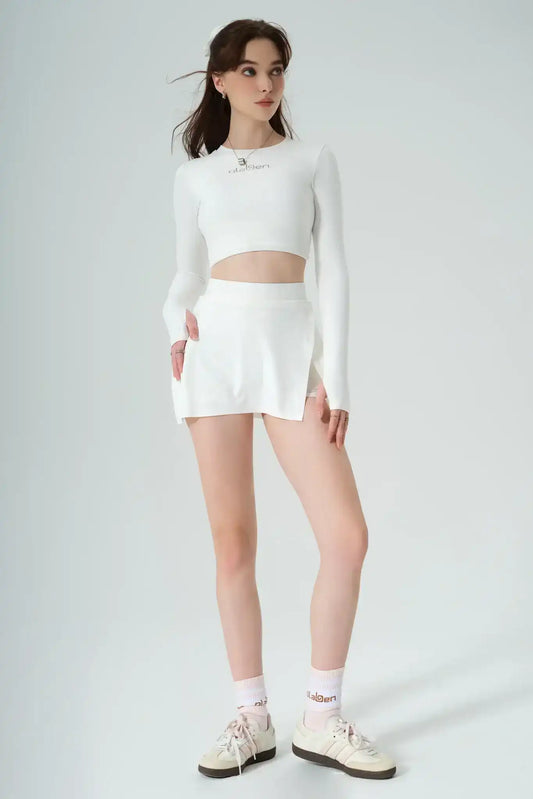
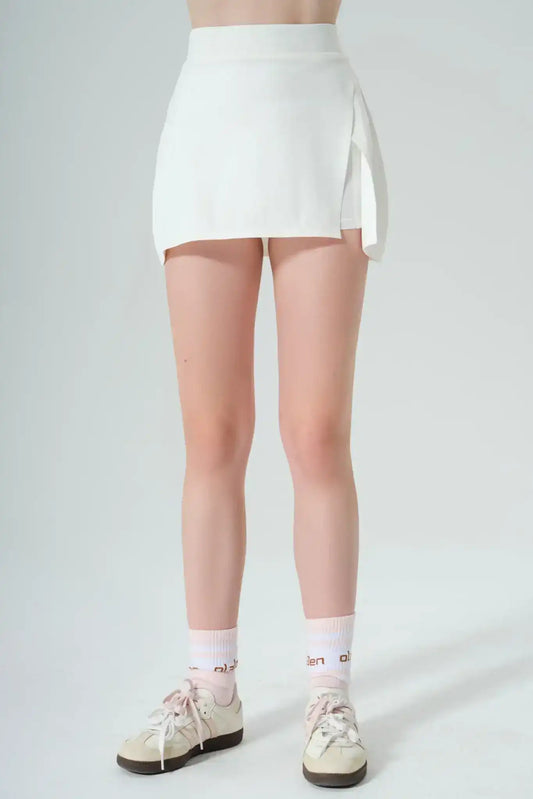
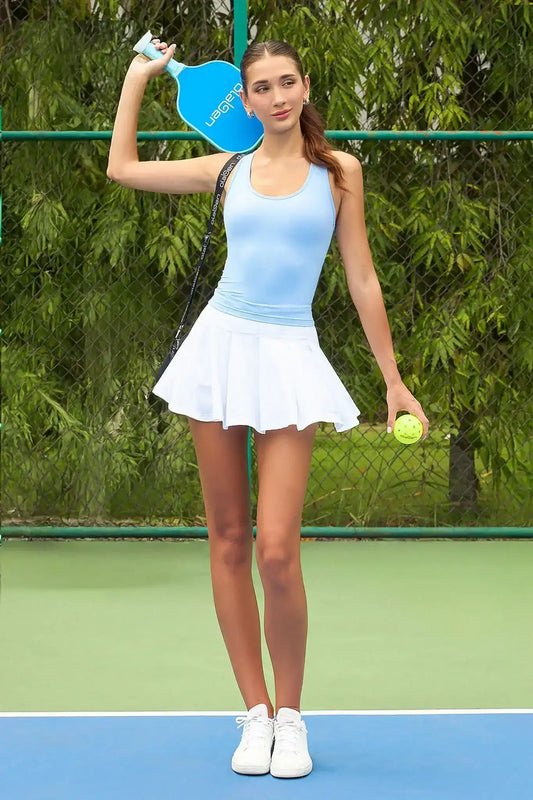
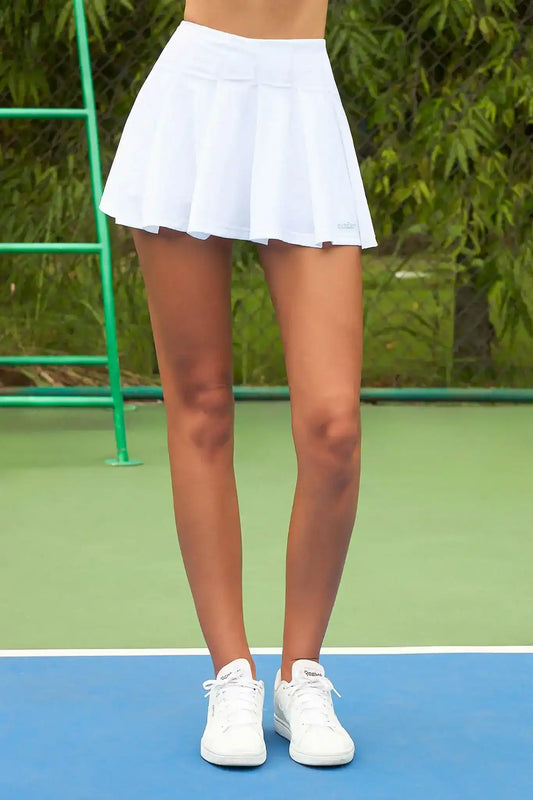
- Flexible bottoms are essential for deep lunges and hip-opening poses. Stretchable pieces like women's athletic shorts allow unrestricted movement, while a sports skirt offers a stylish and comfortable alternative for active yoga sessions.
- For additional coverage or warmth during warm-ups and cool-downs, a lightweight women's sports jacket can be a practical layering piece. Meanwhile, a women's sports dress provides a versatile one-piece option that combines comfort, flexibility, and athletic style.
With consistent practice, proper alignment, and comfortable yoga wear from Olaben, Anjaneyasana can become an essential posture for developing flexibility, balance, and overall body awareness, supporting a more enjoyable and sustainable yoga journey.