Unlock the tightness in your hips and boost your overall mobility with targeted yoga poses. In this guide, Olaben will introduce a series of poses designed to stretch and strengthen the hip muscles, release built-up tension, and even help free stored emotions. Suitable for beginners and experienced yogis alike, these poses improve flexibility, support better posture, and leave you feeling lighter, more balanced, and emotionally refreshed, with step-by-step instructions and modifications to safely unlock your hips and move with ease.
Why Hip Opening Matters
The hips are one of the body’s main storage areas for both physical tension and emotional stress. Tight hips can lead to a host of issues, from limited mobility and stiffness to poor posture and lower back discomfort. Because the hips connect the upper and lower body, restrictions in this area can affect how you move, stand, and even breathe.
Hip-opening yoga poses help release this built-up tension, stretch and strengthen the surrounding muscles, and improve circulation throughout the body. Beyond the physical benefits, opening the hips can also support emotional release, helping you feel lighter, more grounded, and balanced. Incorporating regular hip-opening practice into your routine enhances flexibility, encourages better alignment, and can leave you feeling energized and more in tune with your body.
05 Gentle Hip-Opening Yoga Poses
These gentle poses are perfect for beginners or anyone looking to release hip tension slowly and safely. They help stretch the hip muscles, improve circulation, and prepare your body for deeper hip-openers.
Butterfly Pose (Baddha Konasana)
Benefits: Yoga Butterfly Pose is a classic seated hip opener that gently stretches the inner thighs, groin, and hips. It improves hip flexibility, encourages better posture, and helps release tension stored in the pelvic area. Practicing this pose regularly can also promote relaxation and calm the mind.

How to do it:
- Sit comfortably on the floor with your spine tall and shoulders relaxed, grounding your sit bones evenly.
- Bend your knees and bring the soles of your feet together, letting your knees naturally fall outward toward the floor.
- Rest your hands on your feet or ankles. If your hips feel flexible, hinge forward slightly from your hips to fold your torso toward your feet. Keep your spine long, avoid rounding your back.
- For a deeper stretch, extend your arms forward, reaching past your feet while maintaining a gentle lift in the chest.
- Focus on your breath, inhaling to lengthen the spine and exhaling to relax your hips further. Hold for 30–60 seconds, gradually increasing the duration as your flexibility improves.
Tip: You can place a cushion or block under your knees for support if your hips feel tight.
Supine Figure Four Pose
Benefits: Supine Figure Four Pose targets the outer hips, glutes, and lower back, helping to relieve tightness that often develops from sitting for long periods. It improves hip mobility, eases tension in the pelvis, and can help reduce discomfort in the lower back and sciatic area.

How to do it:
- Lie on your back with knees bent and feet flat on the floor, keeping your spine neutral.
- Cross your left ankle over your right thigh, forming a “4” shape with your left leg. Let your left knee naturally fall outward.
- Keep your right foot on the floor, or for a deeper stretch, thread your left arm through the opening between your legs and clasp your hands behind the right thigh.
- Lift your right foot off the floor slightly, drawing your right knee gently toward your chest while flexing your left foot to protect the knee joint.
- Hold the stretch for 30–60 seconds, breathing deeply and letting the muscles around your hips and glutes soften with each exhale.
- Switch sides and repeat.
Tip: Keep your shoulders relaxed on the floor and avoid tensing the neck. You can also use a strap around your thigh if reaching your hands is difficult.
Happy Baby Pose (Ananda Balasana)
Benefits: Happy Baby Pose is an excellent hip opener that stretches the inner thighs, hamstrings, and lower back. It helps release tension stored in the hips and sacrum, encourages relaxation, and can even stimulate emotional release. The gentle rocking motion often performed in this pose provides a soothing massage to the spine.

How to do it:
- Lie on your back and draw your knees toward your chest, keeping your lower back grounded.
- Grab the outer edges of your feet with your hands, or hold the back of your knees if your hands can’t reach your feet comfortably.
- Open your knees wider than your torso, bringing the soles of your feet toward the ceiling. Keep your ankles stacked over your knees as much as possible.
- Ensure your tailbone and lower back stay grounded. Breathe deeply, allowing your hips to soften with each exhale.
- You can gently rock side to side to massage your lower back and release tension along the spine.
- Hold for at least 30–60 seconds, gradually increasing as your flexibility improves.
Tip: Relax your shoulders and neck, and avoid forcing your legs toward the floor, let gravity do the work.
Reclined Bound Angle Pose (Supta Baddha Konasana)
Benefits: Reclined Bound Angle Pose gently opens the hips and inner thighs while promoting deep relaxation. It stretches the groin muscles, improves circulation in the lower body, and helps release tension stored in the pelvis. This pose also encourages mindfulness and emotional release, providing a sense of calm and grounding. Over time, it can enhance flexibility in the hips and knees, making other seated or hip-opening poses more accessible.

How to do it:
- Lie on your back on a comfortable mat with your knees bent and feet flat on the floor.
- Bring the soles of your feet together and let your knees naturally fall outward, forming a diamond shape with your legs.
- Place one hand on your heart and the other on your belly to connect with your breath.
- Close your eyes and take a few slow, deep breaths, feeling your chest and pelvis rise with each inhale and soften with each exhale.
- Allow your hips and inner thighs to release gently with gravity, staying mindful of areas of tension.
- Hold the pose for 30–60 seconds, or longer if comfortable, continuing to breathe deeply.
- If your hips are tight or knees do not reach the floor comfortably, place a folded blanket, towel, or yoga block under each knee for support.
Tip: Keep your shoulders and neck relaxed. Avoid forcing your knees downward, let gravity and your breath gradually open your hips.
Malasana (Yogi Squat)
Benefits: Malasana is a deep hip-opening squat that stretches the hips, inner thighs, groin, and lower back while strengthening the legs, ankles, and core. It improves hip mobility, enhances balance, and promotes proper alignment of the spine and pelvis. Practicing this pose regularly can relieve tension from sitting and create a grounded, centered feeling throughout the body.

How to do it:
- Stand with your feet slightly wider than hip-width apart and turn your toes outward about 45 degrees.
- Inhale and slowly lower your hips into a squat, keeping your heels grounded. If your heels lift, place a folded towel or block underneath for support.
- Bring your palms together at your chest in prayer position (Anjali Mudra).
- Slide your elbows gently inside your knees and press outward to help open the hips further, keeping your spine long and chest lifted.
- Stay still or gently sway side to side to massage your lower back and inner thighs.
- Continue to breathe deeply, letting your hips release naturally and your body relax into the pose.
- Hold the squat for 30–60 seconds, adjusting the duration as your comfort and flexibility improve.
Tip: Keep your gaze soft, your jaw relaxed, and avoid forcing your hips or knees. Allow your body to open gradually with the help of gravity and breath.
05 Deep Hip-Opening Yoga Poses
These poses are designed for intermediate practitioners who are ready to explore deeper stretches and increase hip flexibility. They target the outer hips, glutes, and hip flexors more intensely, helping to release deeper tension, improve mobility, and support overall posture and alignment. Practicing these poses regularly can also promote emotional release and a sense of lightness in the body.
Low Lunge (Anjaneyasana)
Benefits: Pigeon Pose deeply stretches the hip flexors, glutes, and outer hips. It improves hip mobility, releases tension from long periods of sitting, and can help relieve lower back stiffness. This pose also encourages mindfulness and emotional release by opening the pelvis and sacral region.

How to do it:
- Begin in a tabletop position with hands under shoulders and knees under hips.
- Bring your right knee forward and place it behind your right wrist, angling your shin slightly so your right foot is near your left hip.
- Extend your left leg straight back, keeping the top of the foot pressing gently into the mat.
- Square your hips toward the front of the mat, using a block or blanket under the right hip if needed to maintain alignment.
- Inhale to lengthen the spine and exhale as you fold forward over your front leg, resting on your forearms or forehead.
- Hold for 30–60 seconds, breathing deeply and allowing the hips and glutes to release gradually.
- Repeat on the opposite side.
Tip: Keep your shoulders relaxed and avoid forcing the front leg into an extreme angle. Use props to support your hips and maintain comfort.
Crescent Lunge
Benefits: Lizard Pose stretches the hip flexors, groin, and hamstrings while opening the chest and shoulders. It enhances hip mobility, improves circulation, and helps release deep-seated tension in the pelvis.

How to do it:
- Begin in a low lunge with your right foot forward and left knee on the mat.
- Walk your right foot slightly to the outside of your right hand, bringing your forearms to the mat if comfortable.
- Keep your back leg extended, pressing the top of the left foot into the mat, and square your hips toward the front.
- Engage your core to support the lower back and maintain a long spine.
- Hold for 30–60 seconds, breathing deeply and allowing the hips to open gradually.
- Repeat on the other side.
Tip: Use blocks under your forearms if reaching the floor is difficult, and avoid collapsing the chest, keep length through the spine.
Frog Pose (Mandukasana)
Benefits: Frog Pose is a deep hip and inner-thigh opener that targets the adductors, hips, and groin. It helps release tension in the lower back and hips, eases sciatica discomfort, and stretches the abdominal muscles. Because it’s an intense stretch, it’s best performed after a workout or when the body is already warmed up. Practicing Frog Pose regularly can improve hip mobility, enhance flexibility in the inner thighs, and support overall lower-body relaxation.

How to do it:
- Begin on all fours, placing your palms directly under your shoulders and your knees under your hips. Use a folded blanket or a rolled-up mat under your knees for added comfort.
- Slowly begin to slide your knees apart to the sides, widening them until you feel a comfortable stretch in your inner thighs. Keep the inside of your calves and feet in contact with the floor.
- Check that your ankles are aligned with your knees to protect your joints and maintain proper form.
- Once you’re stable, lower your forearms to the mat, keeping your spine long and chest open.
- Relax into the stretch, breathing deeply, and hold for at least 30 seconds. Focus on letting the hips and inner thighs release tension with each exhale.
- If the full pose feels too intense, you can modify it by doing the stretch one leg at a time, alternating sides for a gentler option.
Tip: Move slowly into the pose, and avoid forcing your hips to open wider than your comfort allows. Using props under the knees can make the stretch more accessible and prevent strain.
Lizard Pose (Utthan Pristhasana)
Benefits: Lizard Pose is an intense hip opener that stretches the hip flexors, groin, hamstrings, and inner thighs while also opening the chest and shoulders. It improves hip mobility, releases tension in the pelvis and lower back, and helps lengthen the spine. Practicing this pose regularly can increase flexibility for deeper hip-opening poses and support better alignment throughout the body.

How to do it:
- Begin in a Low Lunge with your right foot forward and your left knee resting on the mat. Ensure your front knee is directly above your ankle.
- Slowly inch your front foot slightly to the outside, creating a wider stance and placing your hands on the floor inside your front knee.
- If comfortable, lift your back knee off the floor. Decide whether to stay on your hands or lower your forearms to the mat for a deeper stretch.
- Continuously aim to lift your back inner thigh toward the ceiling while pressing your chest forward through your arms, maintaining a long spine.
- Hold this position for 10–30 seconds, breathing deeply and allowing your hips and inner thighs to release tension gradually.
- Repeat on the other side, moving slowly to maintain alignment and avoid straining the hips or lower back.
Tip: Use a block or folded towel under your hands or forearms if reaching the floor is uncomfortable. Avoid collapsing your chest; focus on lengthening through the spine and keeping the hips open but supported.
Hip Pry Pose
Benefits: Hip Pry Pose is a deep hip opener that targets the outer hips, glutes, and lower back. By using the weight of your body to stabilize yourself, this pose allows for a controlled, effective stretch that releases tension in tight hips. It can also help improve mobility in the hip joint, relieve lower back stiffness, and support better posture. Practicing this pose regularly can gradually increase flexibility and promote a sense of lightness in the pelvic area.

How to do it:
- Begin by lying prone (on your belly) on a mat, extending your arms out at shoulder height with palms facing down. This arm placement helps anchor your upper body to the floor as you twist.
- Lift your right leg and bend the knee, bringing the heel toward the outer side of your left hip. Keep your hips pressed gently into the mat to prevent over-rotation.
- Focus on feeling a stretch along your outer hip and glute of the bent leg. Maintain steady, deep breaths, allowing the muscle tension to release gradually.
- Hold the pose for 30 seconds, keeping your body grounded and stable through your arms and torso.
- Slowly lower the leg back down to the mat, then repeat on the opposite side, ensuring equal attention to both hips.
Tip: Keep your shoulders and chest relaxed throughout the stretch. Avoid forcing the leg further than comfortable; let the twist happen naturally with your breath and the support of your body weight.
04 Seated and Floor-Based Hip Openers
Pigeon Pose (Eka Pada Rajakapotasana)
Benefits: Pigeon Pose is a deep hip opener that targets the glutes, outer hips, and hip flexors. It helps release tension accumulated from sitting, improves hip mobility, and can ease lower back stiffness. By extending the front leg and keeping the hips square, this pose encourages better alignment and flexibility in the pelvis while also promoting relaxation and mindfulness. Over time, it can support emotional release and increase the range of motion for other advanced hip-opening poses.

How to do it:
- Begin in Downward-Facing Dog Pose, and lift your right leg toward the ceiling into Three-Legged Downward-Facing Dog.
- Sweep your right leg through your centerline, placing the outer edge of your right foot down on the mat just below your left wrist.
- On an exhale, lower your back knee and quadricep toward the mat, allowing your front shin to rest perpendicular to your torso.
- Roll the back hip bone slightly forward and draw the front outer hip back toward the midline to square your hips toward the front of the mat.
- Extend your arms forward on the mat, resting your torso over your front leg if accessible, or stay upright with your hands on the floor for support.
- Take deep, steady breaths, allowing your hips and glutes to release tension gradually. Hold for at least 30 seconds.
- Slowly lift your torso and reposition your legs before repeating on the opposite side.
Tip: Keep your back leg active and avoid collapsing into your hips. If the front shin feels uncomfortable, place a folded blanket or block under it for support. Focus on maintaining length in your spine while allowing the hips to open naturally.
Double Pigeon Pose (Agnistambhasana)
Benefits: Double Pigeon Pose targets the outer hips, glutes, and piriformis muscles. It provides an intense stretch for both legs simultaneously, helping to improve hip mobility, reduce tightness in the outer thighs, and relieve lower back tension. Practicing this pose over time can deepen flexibility in the hips and prepare the body for advanced seated hip openers.

How to do it:
- Sit on the floor with your knees bent and your shins stacked, placing your right leg on top of your left.
- Position your right ankle on top of your left knee. If your hips are tight, your right knee may point upward toward the ceiling; over time, it will gradually lower toward the mat.
- Square your hips to face the front of the mat, keeping your spine long and your shoulders relaxed.
- Hinge slightly at your hips and walk your hands forward along the mat, deepening the stretch as much as comfortable.
- If accessible, fold your torso over your thighs for a more intense stretch; otherwise, remain upright and focus on breathing into the hips.
- Hold for at least 30 seconds, maintaining a calm and steady breath.
- Slowly release the pose and repeat on the opposite side, ensuring both hips receive equal attention.
Tip: Use a folded blanket or block under your hips if you feel discomfort or if the knees lift off the ground. Keep your back straight and avoid rounding the spine excessively, let the stretch come from the hips, not the lower back.
Hero Pose with Block (Virasana Variation)
Benefits: Hero Pose with Block is a gentle hip opener that targets the internal rotation of the thighs and hips. It helps stretch the quadriceps, improve knee and ankle mobility, and lengthen the hip flexors. Using a block provides support, making it accessible for beginners or those with tight hips, while still promoting a subtle opening of the inner thighs and pelvic region. This pose encourages mindfulness, grounding, and a calm, centered sensation in the body.

How to do it:
- Kneel on your mat with your thighs perpendicular to the floor and the tops of your feet pressing gently into the mat.
- Bring your inner knees together.
- Place a yoga block between your feet and slide your feet slightly apart so they are wider than your hips, ensuring even pressure on the tops of your feet.
- Slowly sit down onto the yoga block, allowing your weight to settle comfortably.
- Rest your hands on your thighs and gently turn the tops of your thighs inward, encouraging internal rotation in the hips.
- Maintain a tall spine, relax your shoulders, and take deep, steady breaths as your inner thighs and hips soften.
- Hold the pose for at least 30 seconds, focusing on the sensation of opening in your hips.
Tip: If you want a slightly deeper stretch, you can slowly lean your torso forward while keeping the thighs internally rotated. Remove the block for a more intense version only if your knees and ankles are comfortable.
Reclining Hero Pose (Supta Virasana)
Benefits: Reclining Hero Pose is a more intense variation that deeply stretches the quadriceps, hip flexors, and internal hip rotators. It increases flexibility in the hips and knees, opens the pelvic region, and can relieve tension in the lower back when practiced with care. This pose also encourages a sense of surrender and relaxation, making it ideal for cooling down or practicing mindful stretching.

How to do it:
- Begin kneeling on your mat with your thighs perpendicular to the floor and the tops of your feet pressing into the mat.
- Bring your inner knees together, then slide your feet slightly apart so they are just wider than your hips, keeping even pressure on the tops of your feet.
- Slowly sit down between your feet, ensuring your sit bones are balanced and supported.
- Rest your hands on your thighs and gently turn the tops of your thighs inward, promoting internal rotation in the hips.
- Inhale deeply to lengthen your spine, then exhale as you slowly lean back onto your forearms. Gradually lower your torso toward the mat, going only as far as comfortable.
- Breathe deeply and allow your hips, thighs, and quadriceps to soften into the stretch. Hold for at least 30 seconds, maintaining awareness in the knees and ankles.
Tip: Use a folded blanket or cushion under your hips if you feel pressure in your knees or lower back. Only go as far back as comfortable; never force the torso to touch the mat if it causes discomfort. Focus on internal rotation of the thighs and steady, relaxed breathing.
05 Standing & Backbend Hip Openers
Three-Legged Downward-Facing Dog (Tri Pada Adho Mukha Svanasana)
Benefits: Three-Legged Downward-Facing Dog strengthens the arms, shoulders, and core while stretching the calves, hamstrings, and hips. It warms up the body, increases flexibility in the hamstrings, and begins to open the hip of the lifted leg. This pose also promotes balance, coordination, and full-body engagement, making it an excellent transition into deeper hip-opening stretches.

How to do it:
- Begin in Downward-Facing Dog with your palms shoulder-width apart, fingers spread, and heels pressing toward the mat. Keep your back flat and thighs externally rotated.
- Firm your outer arms, pressing actively through your index fingers, to stabilize your shoulders.
- On an inhale, lift your right leg toward the ceiling, keeping it in line with your back to form a straight line from the top of your shoulder to your heel.
- Engage your core and maintain an even weight distribution between your hands and grounded foot.
- Hold this posture for 10–15 seconds, breathing steadily, feeling the stretch in your lifted hip, hamstrings, and calves.
- Lower your leg back down with control and repeat on the other side.
Tip: Keep your lifted leg straight and your hips squared as much as possible. Avoid letting the lifted hip rotate backward, focus on lengthening through the spine and heels.
Three-Legged Downward-Facing Dog, Hip-Open Variation
Benefits: This variation intensifies the hip opening while maintaining the hamstring and calf stretch. Bending the lifted knee and drawing the heel toward the opposite glute targets the glute muscles and outer hip, helping release tightness and improve mobility.
How to do it:
- Begin in Three-Legged Downward-Facing Dog with your right leg lifted.
- On an exhale, bend the right knee and draw the heel toward your left glute, opening the hip.
- Keep your shoulders engaged and your hands pressing firmly into the mat for stability.
- Hold for 10–15 seconds, breathing deeply, feeling the stretch through your hip, glutes, and outer thigh.
- Slowly straighten the leg back into Three-Legged Downward-Facing Dog, then lower it down.
- Repeat on the other side, maintaining even alignment and controlled movement.
Tip: Focus on keeping the torso stable and the spine long. Only bend as far as comfortable, never force the knee or hip.
Dancer’s Pose (Natarajasana)
Benefits: Dancer’s Pose is a dynamic hip opener that stretches the hip flexors, quadriceps, chest, and shoulders while improving balance and coordination. It enhances flexibility in the hips and spine, strengthens the standing leg and core, and cultivates focus and body awareness. This pose also energizes the body and improves posture.

How to do it:
- Stand tall with your feet hip-width apart and engage your core for stability.
- Shift your weight onto your left foot and bend your right knee, bringing your heel toward your glutes.
- Reach your right hand behind you to grip the inside of your right foot, palm facing outward.
- Hinge slightly forward at your hips while pressing the top of your foot into your hand, lifting your right leg upward and back.
- Extend your left arm forward for balance, keeping your chest lifted and spine long.
- Hold the pose for 10–20 seconds, maintaining steady breath and focus.
- Slowly release and switch sides, repeating the movement with controlled alignment.
Tip: Keep your standing leg strong and slightly bent at the knee if needed for balance. Avoid collapsing the chest, focus on opening the hip and lifting through the heart for a full-body stretch.
Camel Pose (Ustrasana)
Benefits: Camel Pose is an intense backbend that deeply stretches the hip flexors, quadriceps, and front body while opening the chest and shoulders. It improves spinal flexibility, strengthens the back muscles, and encourages better posture. This pose also energizes the body, promotes emotional release through chest opening, and enhances mindfulness by focusing on controlled breath and alignment.

How to do it:
- Begin kneeling on your mat with your knees hip-width apart, ensuring your hips are stacked directly over your knees. Press your shins and the tops of your feet firmly into the mat.
- Come to an upright position and place your hands on your lower back with fingers pointing toward the hips, supporting the spine.
- Inhale deeply and roll your shoulders back, lifting your chest toward the ceiling while keeping your neck long. Let your head drop back gently if comfortable, or keep your eyes forward.
- To deepen the stretch, walk your hands back toward your heels, pressing your hips forward. If your heels are out of reach, place your hands on blocks beside your ankles or tuck your toes slightly to elevate the heels.
- Maintain steady breaths, driving your hips forward and lengthening through your lower back, allowing the hip flexors and quadriceps to open fully.
- Hold the pose for 30 seconds, focusing on opening the chest and extending the spine.
- To exit, bring your hands back to your hips, slowly guide your hips toward your heels, and come to a seated position. Pause for a moment to allow the body to adjust before moving to another pose.
Tip: Protect sensitive knees by placing two yoga mats or a folded blanket underneath them. Avoid compressing the lower back, focus on extending through the spine and keeping the chest open.
Supported Bridge Pose (Setu Bandha Sarvangasana Variation)
Benefits: Supported Bridge Pose targets the hip flexors while gently strengthening the lower back. By using the forearms or props to lift the hips, this pose opens the chest and shoulders, stretches the hip flexors, and encourages better spinal alignment. It is accessible for practitioners who want a deep hip stretch with support, making it a great alternative to more intense backbends.

How to do it:
- Lie supine (on your back) on a mat with your knees bent and feet grounded about hip-width apart.
- Lift your hips toward the ceiling, engaging the glutes and core.
- Place your hands just above your buttocks for support, keeping your elbows grounded on the mat.
- Relax your body weight onto your hands and forearms, allowing your hips to sink gently into the stretch while still maintaining activation in the legs and lower back.
- Hold the pose for 30 seconds, breathing deeply, and feel the gentle opening in your hip flexors and chest.
- To increase support or height, place pillows under your elbows or a yoga block under your sacrum.
Tip: Avoid collapsing your lower back, focus on lifting the chest slightly and lengthening the spine. Keep your knees aligned over the ankles to protect your joints.
Tips When Practicing Yoga for Hip Opening
- Start with a gentle warm-up: Before diving into deep hip openers, spend a few minutes loosening up your body. Light dynamic stretches, cat-cow movements, or gentle lunges can prepare the hips, lower back, and hamstrings. Warming up increases blood flow, reduces stiffness, and helps your muscles respond more effectively to deeper stretches.
- Move mindfully and with awareness: Hip-opening yoga is less about how far you can stretch and more about connecting movement with breath. Move slowly into each pose, paying attention to how your body feels. Avoid forcing positions, and instead let your muscles gradually release tension with each exhale.
- Use props to enhance comfort and alignment: Blocks, straps, bolsters, or blankets are valuable tools for hip-opening practice. They allow you to maintain proper alignment, support sensitive joints like knees and hips, and make challenging poses more accessible. For instance, sitting on a block during Reclined Hero Pose or placing a blanket under your knees for Camel Pose can make a big difference in comfort and safety.
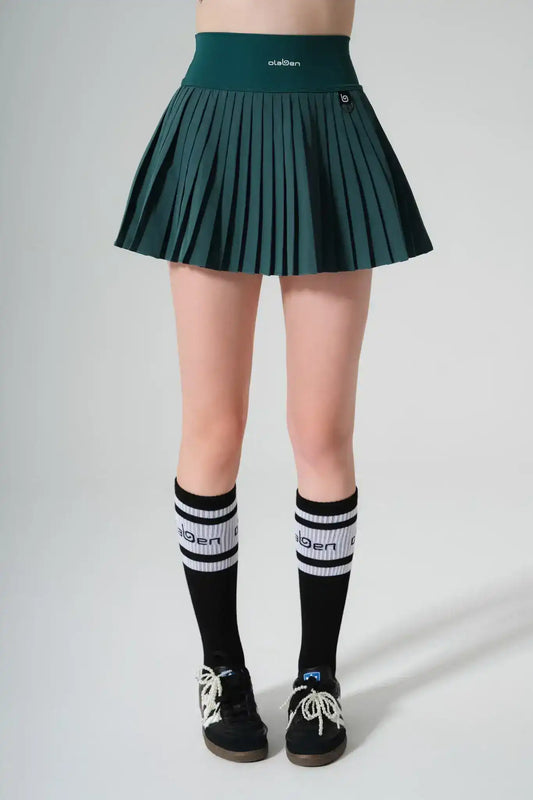
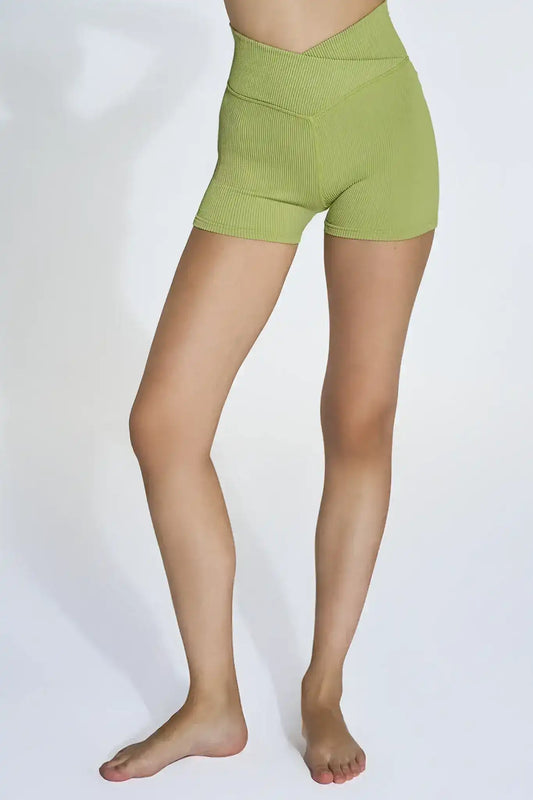
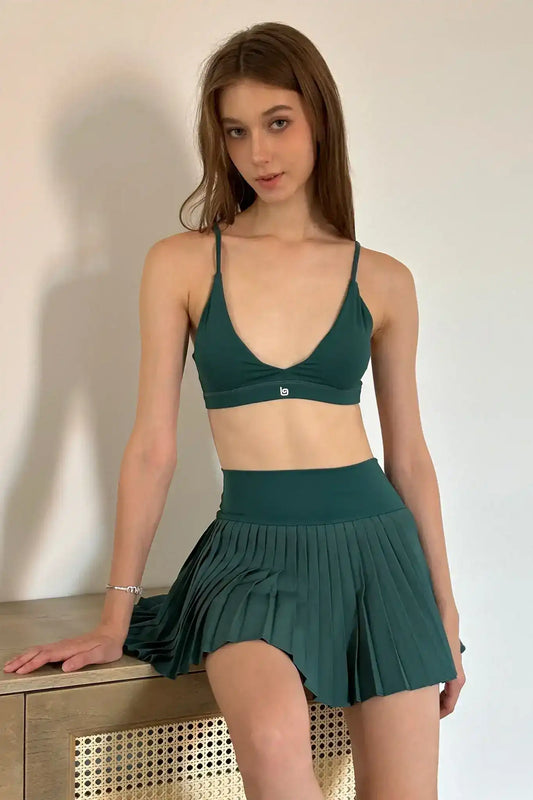
- Wear clothing that moves with you: Flexible, breathable yoga apparel is essential. Crop tops, fitted long-sleeve or short-sleeve shirts, and stretchy yoga pants or leggings give you full range of motion without restriction. Clothes that stay in place help you focus on your practice rather than adjusting constantly. For deeper hip stretches, tight or supportive clothing can also prevent fabric from bunching and interfering with your alignment.
- Bring the right accessories: A high-quality yoga mat is key for cushioning your knees, hips, and spine. Grip socks can prevent slipping during lunges or standing balances, while a headband or hat keeps hair out of your face. Additional props like yoga blocks, bolsters, or folded towels give you extra support, helping you ease into deeper stretches safely.
Conclusion
Hip-opening yoga helps release both physical and emotional tension, improving flexibility, mobility, and posture. From gentle stretches like Butterfly Pose to deeper openers like Lizard and Camel Pose, each movement encourages mindfulness, breath awareness, and gradual release. Wearing comfortable, flexible clothing and using props like mats, blocks, or blankets can enhance safety and comfort during practice. With consistent effort, these poses leave your hips more open, your body lighter, and your mind calmer, supporting ease and balance in everyday movement.