Are you someone who loves to stay active or is looking for a new sport to improve your daily fitness? In this article, Olaben will introduce you to pickleball – a sport that has been booming in the United States with rapid growth, attracting more than 5 million players nationwide.
If this is the first time you’ve heard of pickleball and you’re still unsure what it is, let’s explore with Olaben below. You’ll surely be surprised by how exciting and unique this sport is.
What Is Pickleball?
Pickleball is a paddle sport that combines elements of tennis, badminton, and table tennis. It is played with a solid paddle and a lightweight plastic ball with holes on a badminton-sized court with a slightly lower net.
Players can compete in singles or doubles, and rallies begin with an underhand serve. Because the rules are simple and the court is compact, beginners can start playing almost immediately while experienced players enjoy the strategic depth of the game.
Pickleball is governed by USA Pickleball, the national governing body responsible for official rules, tournament standards, and equipment certification.
The sport is easy to learn but challenging to master, making it appealing to both recreational players and competitive athletes.
The Origins of Pickleball
Before becoming a global trend, pickleball started as a simple backyard activity.
The sport was created in 1965 on Bainbridge Island, Washington. Three fathers, Joel Pritchard, Bill Bell, and Barney McCallum, invented the game while trying to entertain their children during the summer. They used ping-pong paddles, a perforated plastic ball, and a lowered badminton net to create a fun new game.
What began as a casual family activity quickly grew into a national sport. Over the past decade, pickleball has become one of the fastest-growing sports in North America and is now expanding rapidly around the world.
In Vietnam, pickleball has only appeared recently but is already gaining attention among sports communities. The sport’s simple rules and moderate physical intensity make it accessible for children, adults, seniors, and even people recovering from injuries.
Court and Equipment
Pickleball is played on a smaller court than tennis, which keeps the game fast and engaging while reducing physical strain.
Court Size and Layout
A standard pickleball court measures 20 feet wide and 44 feet long, the same size used for both singles and doubles play.
Each court includes several key areas:
- Baseline: the back boundary line where serves are made
- Sidelines: the side boundaries of the court
- Service courts: the left and right sections where serves must land
- Non-volley zone (the “Kitchen”): a 7-foot area on each side of the net where volleys are not allowed
The net is 36 inches high at the sidelines and 34 inches high at the center, slightly lower than a tennis net.
This layout encourages strategic placement and longer rallies instead of relying purely on power.
Paddle
Pickleball paddles are solid and made from lightweight materials such as composite, graphite, or polymer cores.
Compared to other sports equipment:
- larger than a ping-pong paddle
- smaller and lighter than a tennis racket
The paddle design allows players to maintain control while reacting quickly during rallies.
Ball
Pickleball uses a lightweight plastic ball with circular holes.
There are two common types:
Indoor balls
- fewer holes
- softer plastic
- designed for smooth indoor surfaces
Outdoor balls
- harder plastic
- more holes for wind resistance
- slightly faster play
Both types create the distinctive bounce and slower pace that make pickleball easier to control than tennis.

How Is Pickleball Different from Tennis?
Pickleball and tennis share some surface-level similarities, but the experience on the court is quite different. From court design to scoring and serving, each sport creates its own rhythm and style of play. Below is a clear breakdown of the main differences.
Court Size and Layout
Pickleball is played on a much smaller court, roughly one third the size of a tennis court. A key feature is the non-volley zone near the net, often called the kitchen, where players are not allowed to hit volleys. This rule slows the game down near the net and encourages more tactical, controlled exchanges.
Tennis, on the other hand, is played on a large court with wide baselines and service boxes. Players cover significantly more ground, and points often develop through powerful baseline rallies and aggressive shot-making.
Pace and Style of Play
In pickleball, the lighter ball and compact court make the game less physically demanding. Success depends more on placement, timing, and smart shot selection rather than raw power.
Tennis emphasizes speed and strength. The heavier ball, longer court, and faster pace demand greater endurance, explosive movement, and powerful strokes, especially during serves and groundstrokes.
Scoring System
Pickleball games are typically played to 11 points, and a team must win by at least 2 points. Only the serving team can score, which creates distinct momentum shifts during a match.
Tennis uses a set-based scoring system. Each set consists of games, and each game is won by reaching four points with a two-point lead. Matches can vary widely in length and intensity.
Serving Techniques
In pickleball, serves must be hit underhand and below the waist. This keeps the start of each rally controlled and accessible, even for beginners.
In tennis, serves are hit overhand and can be extremely powerful. A strong serve often gives the server an immediate advantage and can even end the point outright.
Overall, pickleball tends to be more approachable and strategy-focused, while tennis demands greater physical power and endurance. Both sports offer unique challenges, and the better choice depends on what kind of experience you’re looking for on the court.
Health Benefits of Playing Pickleball
Check more: How to Choose the Perfect Pickleball Paddle
Why Is Pickleball Gaining Popularity?
Pickleball has exploded in popularity over the past few years, and it’s not hard to see why. The game is simple enough for beginners to pick up in minutes, but it still offers plenty of depth, strategy, and challenge for more advanced players. It’s accessible, social, and easy on the body, which makes it appealing to a wide range of ages and fitness levels.
Here are the biggest reasons pickleball is growing so quickly:
- Easy to learn, hard to master: New players can rally and have fun almost immediately. At the same time, advanced players enjoy the strategy and finesse involved in dinks, drops, resets, and fast hands battles.
- Playable for all ages and abilities: The smaller court and lighter ball reduce physical impact and lower the risk of injury. That makes the sport welcoming for kids, adults, and older players alike.
- Highly social and community driven: Pickleball naturally encourages interaction. Open play sessions, drop-in courts, and round robins help players meet new people, mix skill levels, and build friendships on and off the court.
- Growing court availability: Parks, gyms, recreation centers, schools, and retirement communities are adding pickleball courts at a fast pace. More courts mean more places to play and more players joining in.
- Great for fitness without feeling like a workout: The game keeps you moving, but the pace is manageable and fun. You get the benefits of exercise while enjoying a sport that feels playful rather than strenuous.
Pickleball’s mix of accessibility, community, and genuine enjoyment is what keeps the momentum going. It’s a sport people try once and instantly want to play again.

How to Start Playing Pickleball
Getting started with pickleball is simple, which is one reason the sport spreads so quickly.
A typical rally follows these steps:
- The game begins with an underhand serve from the baseline.
- The serve must travel diagonally across the court into the opponent’s service area.
- After the serve, both teams must follow the Two-Bounce Rule.
- Once the ball has bounced once on each side, players may volley or return it after a bounce.
- The rally continues until a fault occurs.
A fault happens when:
- the ball goes out of bounds
- the ball hits the net and fails to cross
- a volley is made inside the kitchen
- the ball bounces twice before being returned
The Two-Bounce Rule
One of the most unique rules in pickleball is the Two-Bounce Rule.
After the serve:
- The receiving team must allow the ball to bounce once before returning it.
- The serving team must also allow the returned ball to bounce once before hitting it.
Only after these two bounces can players hit volleys in the air.
This rule reduces the advantage of strong serves and encourages longer, more strategic rallies.
Basic Rules of Pickleball
Although the game looks simple, pickleball includes several important rules that shape gameplay.
Serving Rules
- Serves must be underhand and below the waist.
- The serve must be hit diagonally across the court.
- The server must stand behind the baseline.
- Only the serving team can score points.
If the serving team wins the rally, they continue serving.
Non-Volley Zone (The Kitchen)
The kitchen is the 7-foot area on each side of the net where players are not allowed to hit volleys.
Players may enter the kitchen only if:
- the ball has bounced first
- they are returning a groundstroke
This rule prevents players from standing at the net and smashing every shot, encouraging softer strategic play such as the popular dink shot.
Scoring System
Pickleball scoring is straightforward.
Most recreational games follow this format:
- Games are played to 11 points
- A team must win by at least 2 points
- Only the serving team scores
Tournament matches may extend to 15 or 21 points.
Pickleball Skill Levels
As players improve, they often categorize their abilities using skill levels similar to tennis ratings.
Typical pickleball skill levels include:
- Beginner (1.0 – 2.5): Players are learning basic rules and developing consistency.
- Intermediate (3.0 – 3.5): Players understand strategy, control their shots, and participate in competitive matches.
- Advanced (4.0 – 4.5): Players demonstrate strong control, fast reactions, and advanced tactics.
- Professional (5.0+): Elite players competing in high-level tournaments.
Understanding skill levels helps players find appropriate competition and continue improving.

FAQ – Pickleball Rules
1. What is the size of a pickleball court?
A standard pickleball court is 6m wide and 13.5m long, similar to a badminton doubles court.
2. How high is the net in pickleball?
The net is about 0.86m high at the center.
3. How is the ball served in pickleball?
The ball is served from the baseline with an underhand stroke below the waist. It must cross the net and land in the opponent’s court.
4. What formats of pickleball are there?
Pickleball can be played in singles (2 players) or doubles (4 players).
5. What is the “kitchen” in pickleball?
The “kitchen” or non-volley zone is the area near the net where players cannot step in to hit volleys. Balls landing here can only be hit after bouncing.
6. How is scoring done in pickleball?
-
Practice: games to 11 points, win by 2.
-
Tournaments: games to 15 or 21 points, also win by at least 2.
Play Pickleball with Olaben
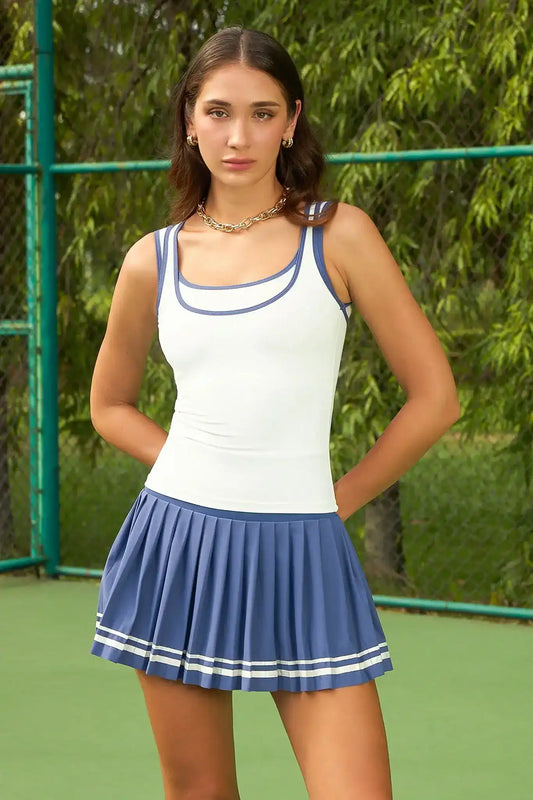
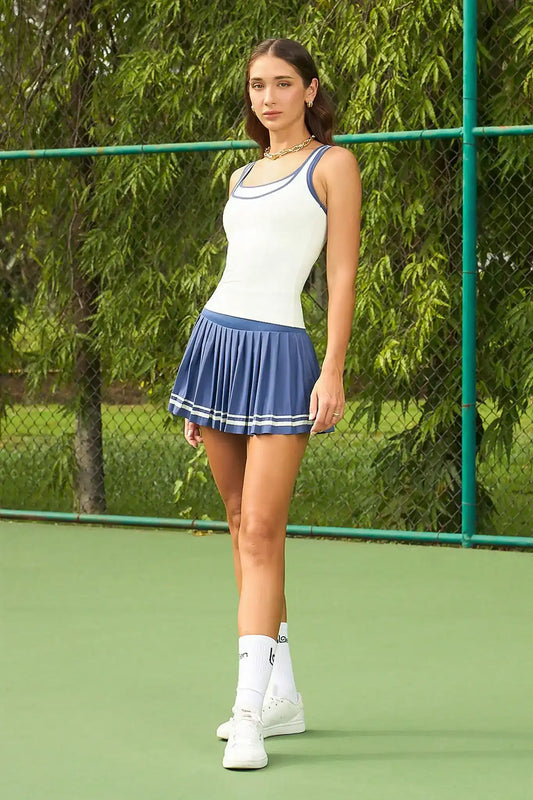
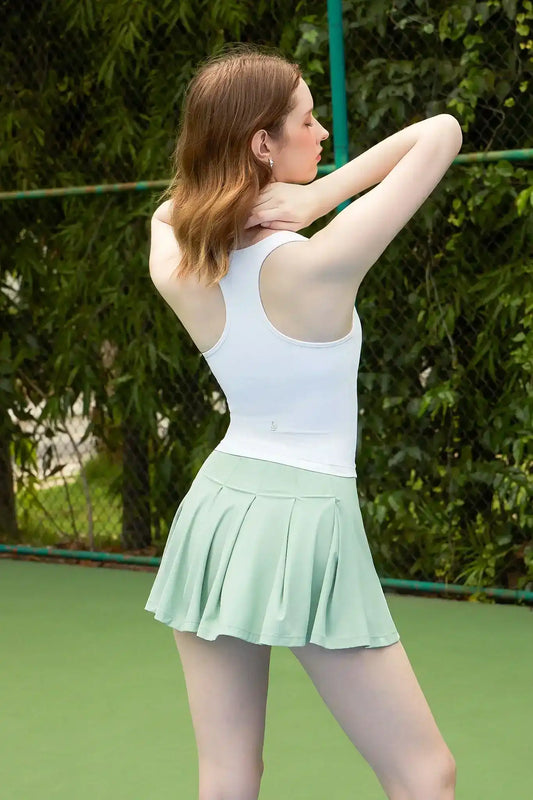
For the ultimate experience, beyond mastering the rules, make sure to choose the right apparel and accessories. At Olaben, you’ll discover a diverse range of collections designed for the modern sports enthusiast:
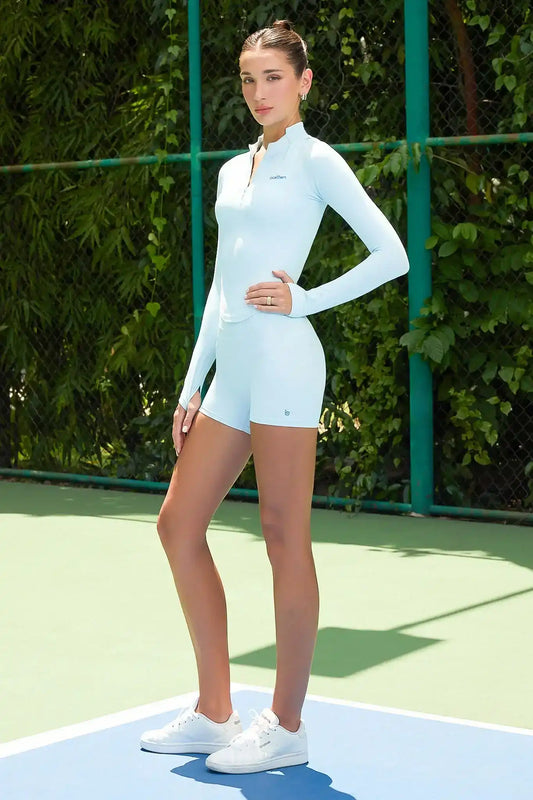
- Women’s Pickleball Apparel: from sports bras, long-sleeve tops, to tank tops that ensure comfort and sweat control during movement.
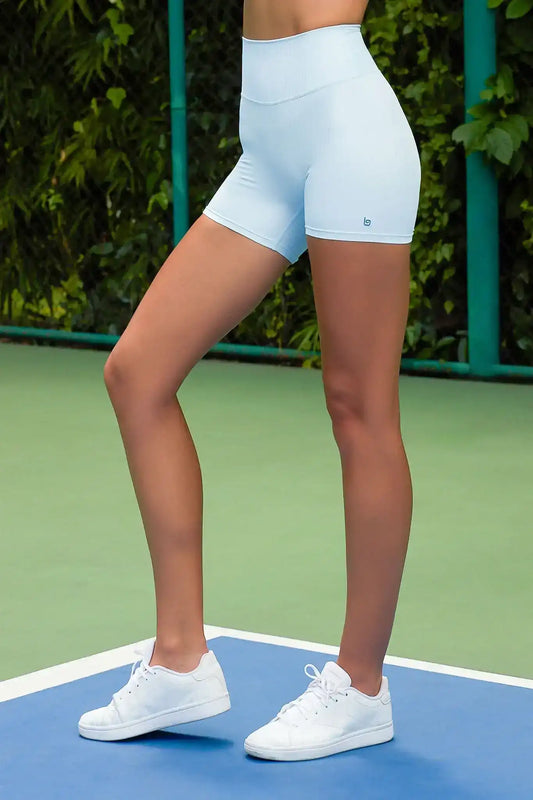
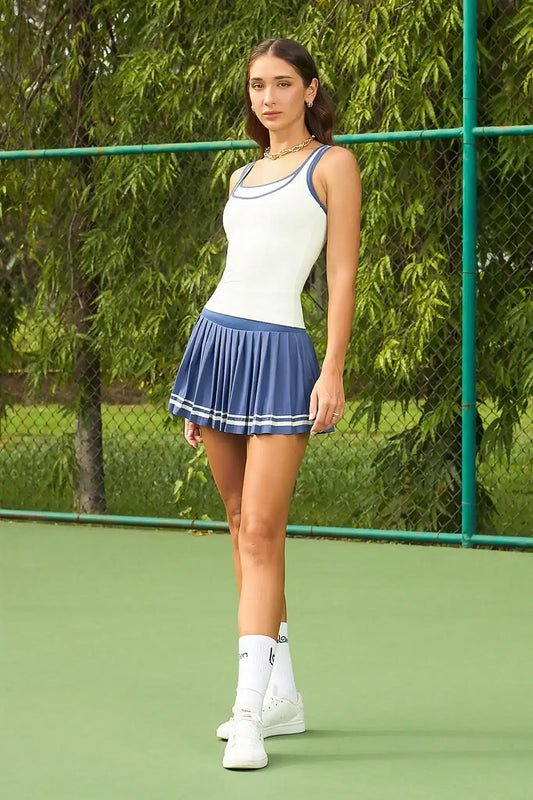
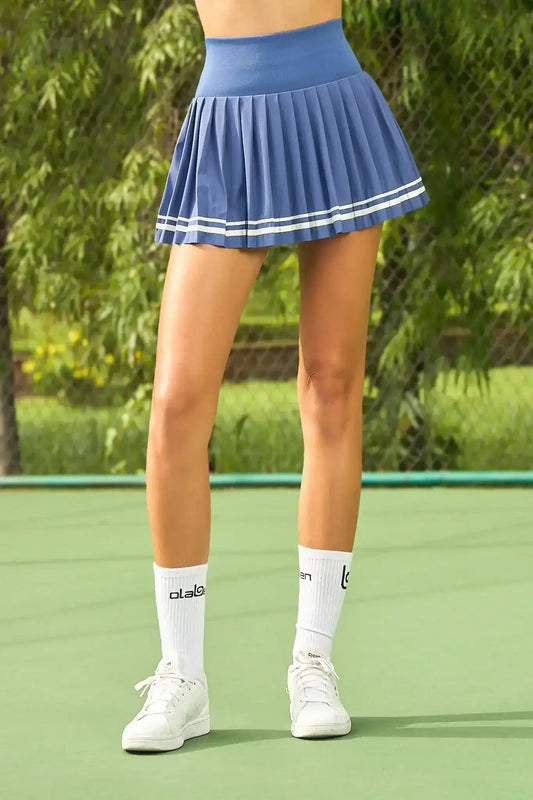
- Sports Bottoms: leggings, women’s shorts, women’s joggers, and sports skirts.
- Versatile Activewear: jumpsuits, women’s hoodies, and lightweight jackets.
- Men’s Pickleball Apparel: men’s sports tops, men’s sports shorts, joggers, and other dynamic outfits perfect for both training and competition.
- Pickleball Essentials: premium pickleball paddles crafted for precision and durability, suitable for both recreational play and professional matches.
With a fusion of modern design, premium materials, and high functionality, Olaben accompanies every movement turning pickleball into not just a workout, but an inspiring style experience.
Visit Olaben Store to explore our latest collections and receive dedicated advice from our team:
Ho Chi Minh City
- Flagship Store: 1M, Street 10, Thao Dien, District 2 (Thu Duc) – Hotline: 092.828.2088
- Nguyen Trai: 35 Nguyen Trai, Ben Thanh, District 1 – Hotline: 036.428.2088
Hanoi
- Vincom Times City: 458 Minh Khai, Vinh Tuy, Hai Ba Trung – Hotline: 037.928.2088
- 263 Pho Hue, Hai Ba Trung