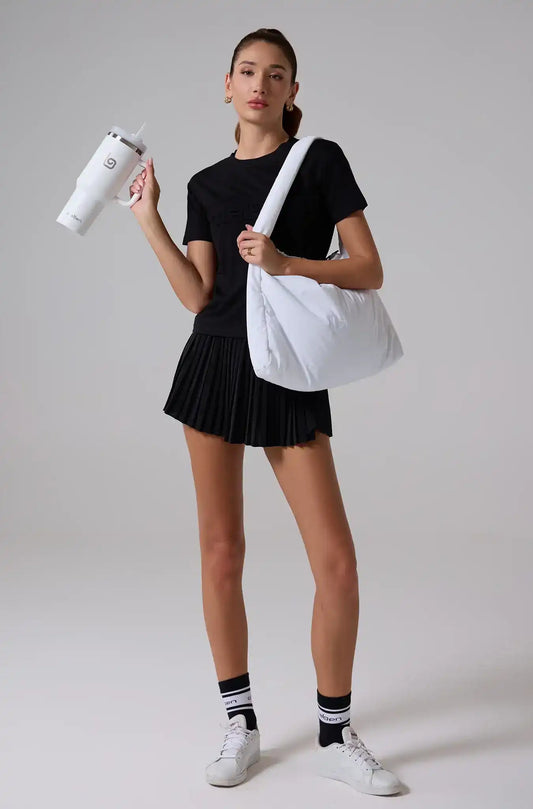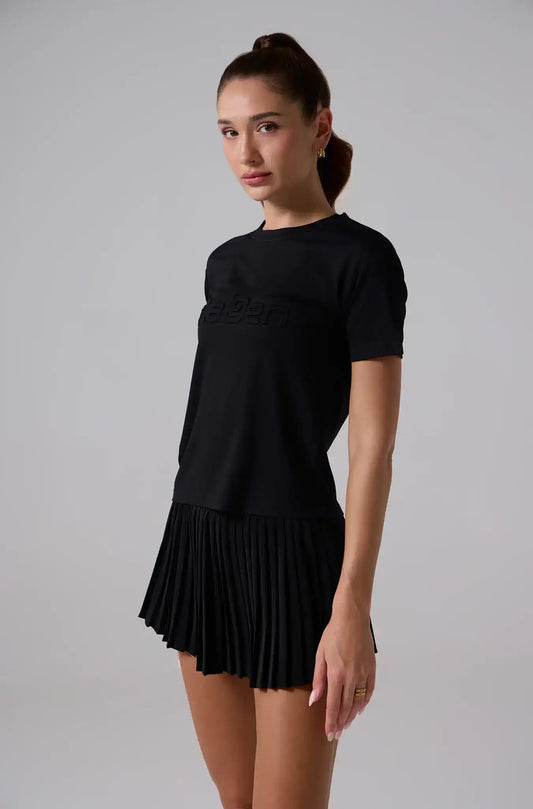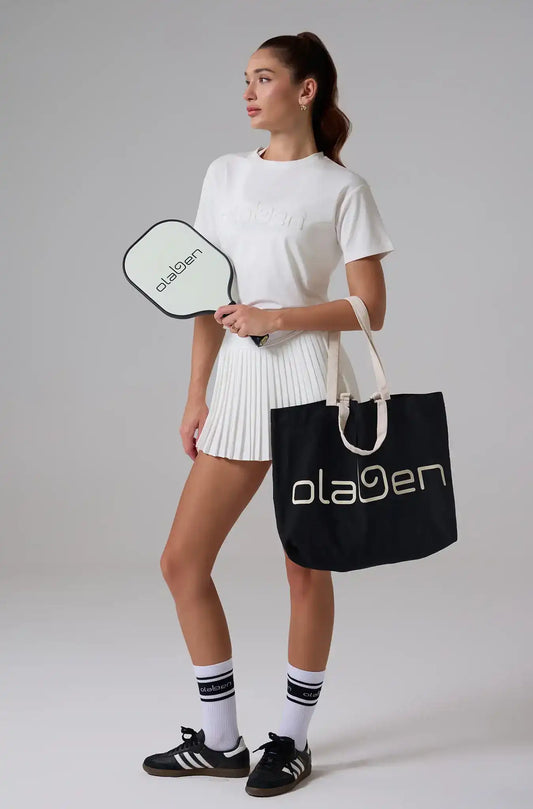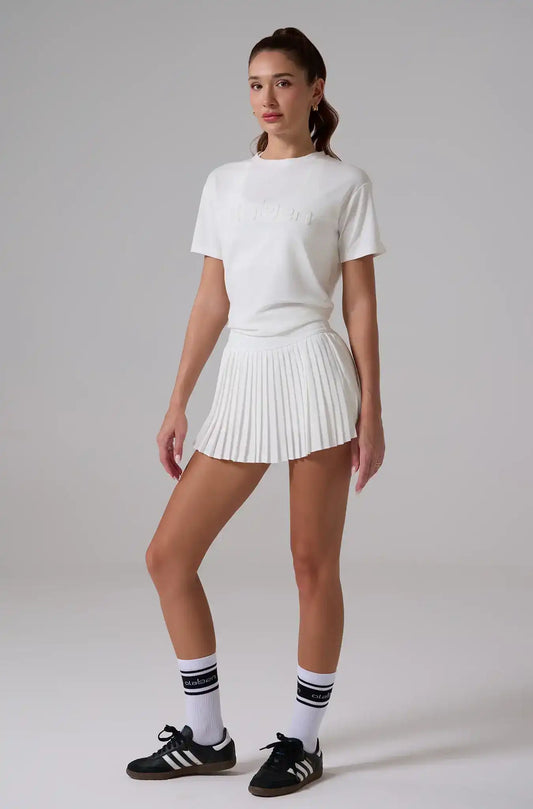
Whether you’re stepping onto the pickleball court for the first time or looking to sharpen your basic skills, these tips will help you play smarter, stay confident, and enjoy every rally. From essential techniques to the right gear and apparel, Olaben’s guide covers everything you need to elevate your game and have fun while learning.
07 Tips for New Pickleball Players: A Beginner’s Guide
Show Up for the Serve
The serve is the one stroke you can fully control, from the toss to the timing and speed. To serve consistently, toss the ball in the same spot each time and keep your contact point below the waist.
Establish a routine and stay relaxed. Depth matters more than power, though the best serves combine both because a deeper serve gives your opponent less time to reach the kitchen line.
Understanding pickleball serve rules and practicing proper how to hold a pickleball paddle will help you develop consistency and accuracy.

Return for a Reward
A good return sets you up for the next shot and makes it hard for your opponent to attack. Keep your backswing short but follow through long for consistency and depth.
Position your body properly with a slightly bent elbow and contact out in front. Make sure your body is set before hitting, then move forward after contact to stay in control of the rally.
Utilize the Third Shot Drop
The third shot drop is essential, especially against strong hitters. It allows you to move up to the kitchen line and puts pressure on your opponent.
Shift your body weight forward and make contact directly in front of you, aiming about three feet above the net.
Hold a loose grip so the ball lands softly, and guide it using your shoulder rather than your wrist. Minimize your backswing while extending your follow-through for accuracy. Mastering the third shot drop improves your pickleball techniques and helps maintain court control.
Drive with a Purpose
Drives are a great way to mix up the pace and set up an easier fifth shot. Use a drive when the ball is too deep for a drop or when you can step into your shot.
Keep your drives low and aim down-the-line or through the middle to challenge your opponent and maintain control of the rally.
Dink Consistently
Dinking is arguably the most important shot in pickleball, as it allows you and your partner to set up winners. Always follow through to your ready position, keeping your paddle up with the edge facing you.
Contact the ball directly in front of your body, never to the side, and avoid taking the paddle back; instead, move your body back if needed.
High-percentage shots are typically crosscourt. Keep your grip light and push the ball using your body weight rather than your wrist.

Look to Attack
All the effort you put into getting to the kitchen line and executing consistent dinks should lead to attacking opportunities. Use the green, yellow, and red-light method to decide when to strike.
- Green light means the ball pops above the shoulder and you can attack fully, ensuring your body is in position.
- Yellow light occurs when the ball lands in the kitchen and bounces above the net; attack if you and your partner are ready.
- Red light is when the ball is below the top of the net, and you should rarely attack. The best attacking direction is down-the-line, giving your opponent less time to react.
Block to Maintain Position
Even the best players make mistakes, so it’s crucial to stay ready and block when needed. Retreat slightly and stand your ground as the opponent attacks, giving yourself time to defend.
Block the ball in front of your body, maintaining your ready position. Use your backhand if the ball comes at your body, and aim to block the ball back into the kitchen to reset the point and stay in control. This defensive skill is essential in all forms of play, including wheelchair pickleball.
Key Techniques for Improvement
Target Fix: Aim small, miss small
The first key technique may sound obvious, but many recreational players overlook it: always have a specific target for every shot. Without intention, control is impossible. When working with amateurs, coaches often ask where they were trying to hit a shot, and the answer is usually, "I don’t know, just somewhere on the court." That lack of focus is the problem.
To improve, think about three things each time you hit the ball: the type of spin, the trajectory, and the pace. When you align all three, you have a precise landing spot.
This approach creates a feedback loop, your brain can measure success or failure. Did the ball go too high? Was the spin off? Did you hit too hard? This constant evaluation is what separates players who improve from those who just hit balls.
Elbow Push: Stop the flip
The “elbow push” focuses on eliminating “flipping,” which occurs when your hitting elbow rolls across your body, causing inconsistent shots. The solution is simple: move your hitting elbow in the direction you want the ball to go. If your shot is straight ahead, the elbow goes straight; if crosscourt, it moves crosscourt.
Many recreational players do the opposite, resulting in net misses or high balls. Aligning your elbow with your target line removes a major source of inconsistency. At first, it may feel awkward, but once it clicks, it becomes natural.

Wrist Set: Control the paddle
Your wrist is the closest control you have over the paddle. Every small movement, open, closed, left, or right affects where the ball goes.
Start in a neutral ready position, then set your wrist according to the shot you want. For a forehand dink, move your wrist to that position and lock it in.
Execute the shot, ensuring your wrist feels the same at the finish as it did at the start, then return to neutral. The same principle applies to backhand shots. Repetition is key: consistent wrist setting leads to consistent results.
Split Step: Be ready for anything
The split step is one of the most important movements in pickleball because it allows you to react to whatever your opponent sends back. After hitting a shot, you don’t know if the return will be a forehand, backhand, left, right, hard, or soft.
By timing your split step right as the ball reaches your opponent’s paddle, you get into a wide base, stay low, maintain solid posture, and “load” your legs, ready to explode in any direction.
This small adjustment can be the difference between reacting late and being proactive on the court. Watching pros, you’ll notice they perform a split step every single shot without exception.
Get Behind the Ball: Feel versus reality
Many players think they are in position when, in reality, they aren’t. Cincola calls this the “feel versus real” gap. For example, hitting the ball off to the side of your body instead of getting directly behind it limits control and consistency.
To correct this, exaggerate your positioning: imagine the ball coming right down the center of your stance. By consciously placing yourself behind the ball, even if it feels overdone at first, you gain significantly more control for both forehand and backhand dinks. The key is to train your body to actually be in position, not just to feel like you are.
Gear & Apparel for Pickleball
Paddles
Pickleball paddles come in a variety of materials to suit different skill levels and playing styles. Carbon Fiber paddles provide precise control, making them ideal for players who focus on technique, while Fiberglass paddles offer more power, perfect for those who like aggressive shots. Choosing the right paddle can improve your consistency and confidence on the court.
Balls & Equipment
The type of balls you use can affect your game significantly. Indoor and outdoor balls differ in bounce and speed, so select the one that matches your playing environment. Other essential equipment includes nets, paddle racks, and ball holders, which help you stay organized and ready for practice or matches.
Shoes
Court-specific, non-marking shoes are essential for stability and safety. They help you move quickly, pivot effectively, and reduce the risk of slipping, allowing you to focus entirely on your game.

Clothing
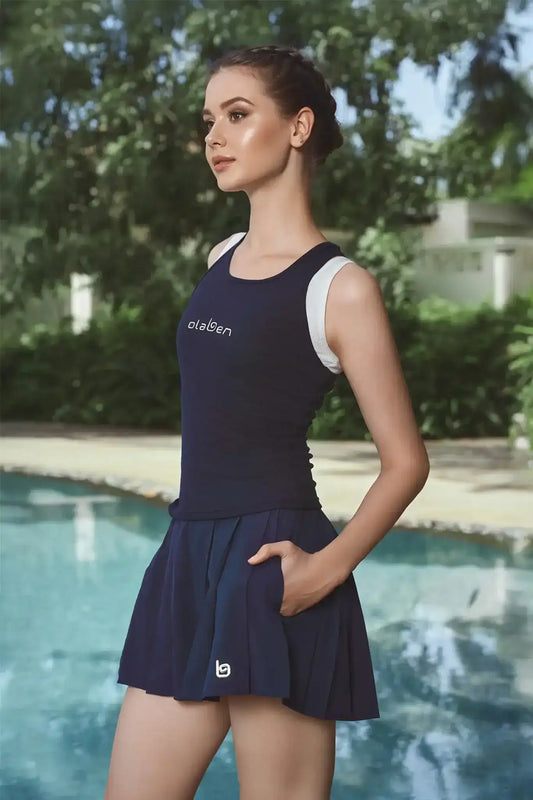
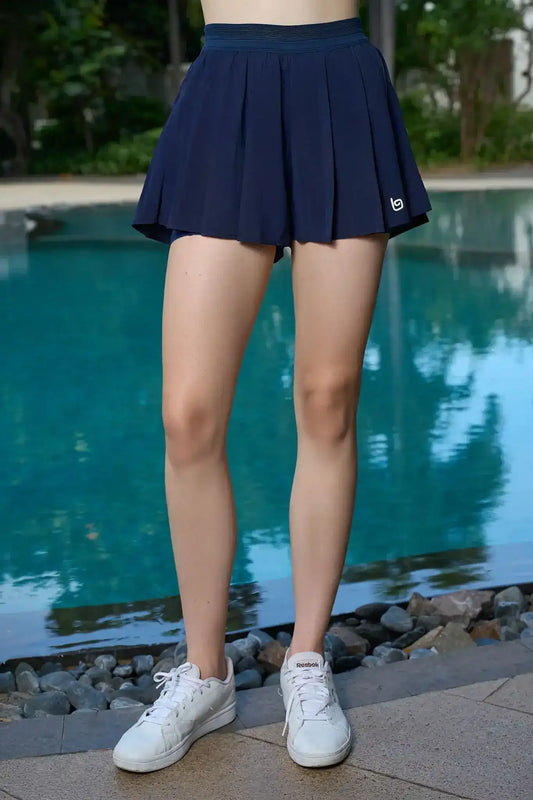
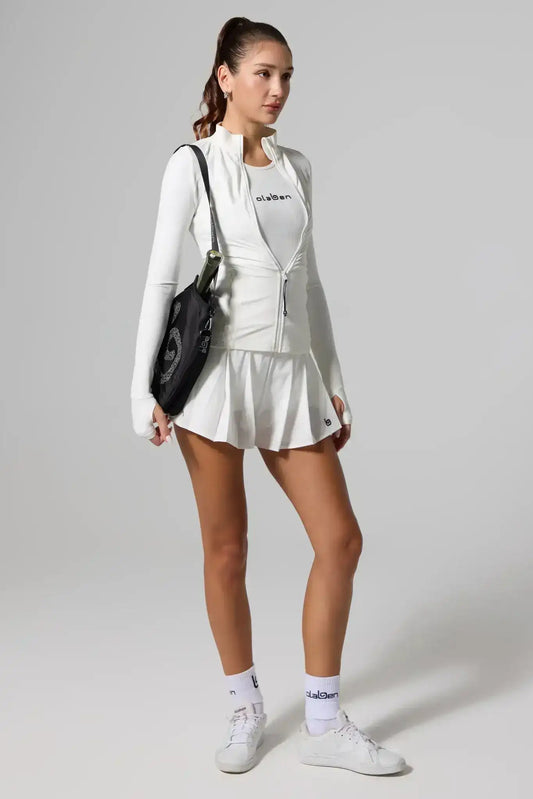
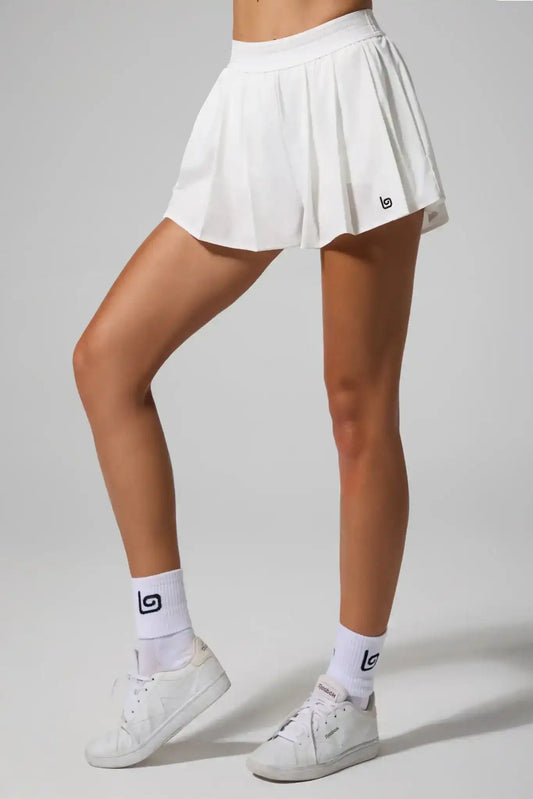
Comfortable, breathable sportswear is key for playing pickleball. Pickleball collection for men includes wear shorts and short-sleeve shirts, while women’s pickleball clothing have options like sports bras, crop tops, and skirts that allow full range of motion. The right clothing ensures you stay cool and agile throughout matches or training sessions.
Pickleball Accessories & Bags
Some pickleball accessories like bags, backpacks, hats, and water bottles help you carry and protect your gear. Stylish options like Olaben pickleball bags combine functionality with a polished look, keeping you organized while maintaining style on and off the court.
Whether you’re just stepping onto the pickleball court or looking to refine your basic skills, these tips and techniques provide a clear roadmap to playing smarter and more confidently. From mastering essential shots like the serve, return, third shot drop, drives, dinks, and attacking opportunities, to adopting key techniques such as target focus, elbow alignment, wrist control, split steps, and proper positioning behind the ball, every adjustment can make a noticeable difference in your game.