Have you ever wondered when is the best time to exercise for maximum results? Some people prefer waking up early to work out, while others only have time in the evening after work. In reality, each time of day offers different benefits for both your body and mind.
In the article below, Olaben will help you better understand your body and choose the most suitable workout time to optimize your long-term health.
How Circadian Rhythm Affects Exercise Performance
Our bodies operate on a natural 24-hour cycle known as the circadian rhythm. This cycle regulates many important factors such as body temperature, heart rate, blood pressure, and hormone production. All of these directly influence endurance, strength, and reaction time during physical activity.
For example, at certain times of the day, your body temperature rises, allowing muscles to become more flexible and responsive. On the other hand, when your body has not fully “woken up” or is fatigued at the end of the day, workout performance may decrease. Therefore, understanding your personal circadian rhythm can help you determine when your body is most ready to exercise effectively and safely.
However, athletic performance is not determined by biological factors alone. Work schedules, daily habits, and your ability to stay consistent also play essential roles. The ideal workout time does not have to match anyone else’s, it simply needs to align with your body and lifestyle.

Morning vs. Afternoon vs. Evening Workouts: Pros and Cons of Each Time Slot
|
Workout Time |
Advantages |
Disadvantages |
|
Morning |
- Easier to build and maintain a consistent routine. - Less likely to be interrupted by work or daily responsibilities. - Stimulates endorphin release, boosting alertness and motivation. - Creates a sense of accomplishment early in the day. |
- Body temperature and muscles are still “cold,” requiring a longer warm-up. - May feel exhausting if you didn’t get enough sleep. - Not ideal for people who struggle to wake up early. |
|
Midday / Early Afternoon (around 2 PM–6 PM) |
- Body temperature is higher, making muscles more flexible and stronger. - Strength, endurance, and reaction time are often at their peak. - Helps recharge energy and reduce stress during the workday. |
- May conflict with work or school schedules. - Not recommended immediately after meals due to possible stomach discomfort. - Harder to maintain if your daily schedule is not flexible. |
|
Evening (late afternoon / early night) |
- Heart rate and blood pressure are relatively stable, suitable for higher-intensity workouts. - Helps relieve stress after a long day. - Performance may improve since the body has been active throughout the day. |
- Exercising too close to bedtime may increase heart rate and body temperature, making it harder to fall asleep. - Fatigue after a long day may reduce motivation. - Late dinners combined with late workouts can affect digestion. |
When Is the Best Time to Exercise?
In reality, there is no universal “golden hour” that works for everyone. The most effective time to work out depends on your physical condition, fitness goals, and most importantly, your ability to stay consistent. It’s not just about when you exercise, but what you do and whether you can commit to it long term.
Listen to Your Body to Find the Right Time
Instead of searching for a theoretically perfect time, try experimenting. Work out in the morning for a few weeks, then switch to midday or evening sessions and compare how you feel in terms of energy, endurance, and focus. You don’t need in-depth knowledge of circadian rhythms, simply pay attention to your body’s signals. Choose the time that makes you feel most comfortable, motivated, and productive. At the same time, adjust workout intensity and duration to match your fitness level.
Make Exercise a Fixed Part of Your Daily Routine
Once you’ve found a suitable time slot, consistency becomes the next priority. Scheduling your workouts at the same time each day helps build a sustainable habit. Whether it’s before work, during lunch break, or after office hours, treat it as dedicated time for your health and commit to it regularly.
Even if there’s no single best time to exercise, one thing is certain: regular physical activity brings long-term benefits. When you align your workouts with your lifestyle and maintain discipline, positive results will gradually follow from a more toned body and improved endurance to sharper focus and reduced health risks.
So instead of waiting for the “perfect moment,” start with the most practical time today and stick with it.

Important Tips to Maximize Your Workout Results
After determining the best time to exercise, it’s equally important to focus on how you train and the supporting factors around your routine. The following principles will help you optimize performance while ensuring safety throughout your fitness journey.
Avoid Exercising on an Empty Stomach
Working out without enough energy can lead to dizziness, low blood pressure, and reduced performance. Have a light snack 30–45 minutes before training, prioritizing protein and healthy carbohydrates to maintain stable energy levels.
Do Not Exercise Immediately After a Main Meal
Training while your stomach is still digesting may cause bloating or discomfort. Ideally, wait 2–3 hours after a full meal and 30–60 minutes after a light snack before engaging in physical activity.
Avoid Training Too Early If You’re Not Fully Awake
If you prefer morning workouts, make sure you’ve had adequate sleep and perform a proper warm-up. Exercising when your body is still sluggish may reduce effectiveness and increase the risk of injury.
Stay Properly Hydrated Before, During, and After Exercise
Hydration plays a vital role in regulating body temperature and maintaining endurance. On average, adults need about 1.5–2 liters of water daily. During workouts, sip small amounts consistently to prevent dehydration.
Maintain a Reasonable Workout Duration
Exercising for too short a time may not deliver noticeable results, while excessive training can lead to fatigue and overtraining. A duration of 30–60 minutes per session is generally ideal, depending on whether your goal is weight loss, muscle gain, or endurance improvement.
Follow a Balanced, Nutrient-Rich Diet
Workout effectiveness is closely linked to nutrition. Increase your intake of protein, vegetables, vitamins, and minerals, while limiting processed foods, excess fats, and refined sugars to support muscle recovery and weight management.
Diversify Your Workouts and Wear Suitable Activewear
To avoid boredom and boost fat-burning efficiency, combine different forms of exercise such as cardio, strength training, and full-body workouts. Wearing appropriate workout clothing also enhances comfort and confidence.
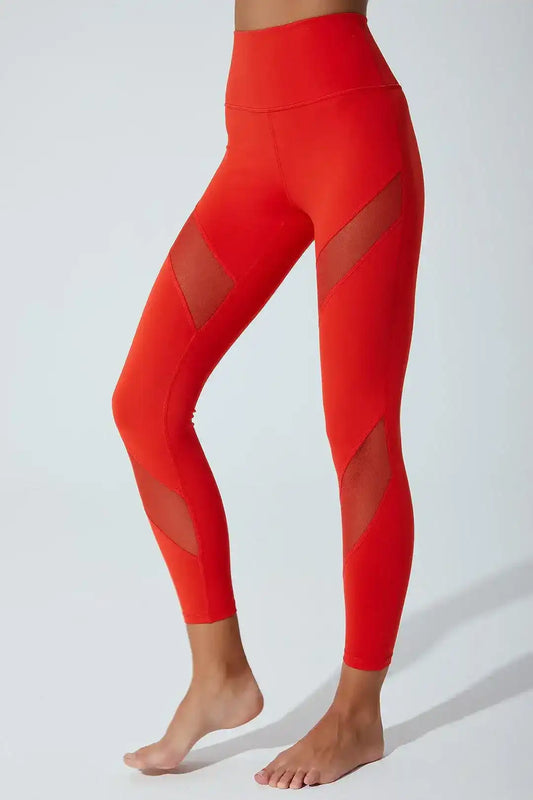
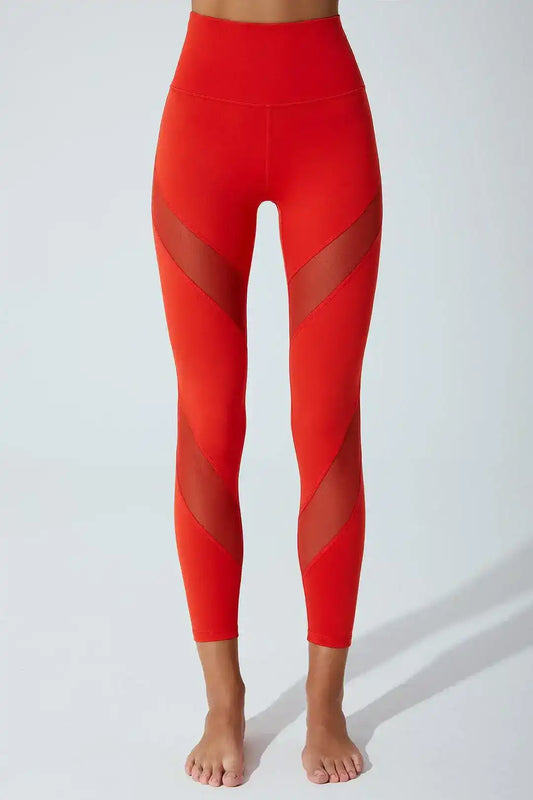
Choosing high-quality activewear from reputable brands helps support flexible movement, effective sweat absorption, and overall performance. You can explore sportswear collections from Olaben, offering a variety of short-sleeve or long-sleeve fitted tops, stretchable leggings, and training pants suitable for different workout styles. Accessories like mats, socks, and hats can further enhance your experience, especially for outdoor sessions or gym training.
In conclusion, answering the question “When is the best time to exercise?” requires more than just selecting a time slot. By combining a suitable schedule with smart training principles and proper support, you can achieve sustainable and safe long-term results.

Conclusion
In summary, there is no single “perfect” time to exercise that works for everyone. Whether you choose morning, midday, or evening workouts, each time slot offers unique benefits when aligned with your physical condition, fitness goals, and daily schedule. The key is not finding a theoretical “golden hour,” but selecting a time you can consistently maintain while combining it with proper nutrition and a well-structured training plan. Once you build a sustainable habit, any time of day can help you optimize your health and improve your overall quality of life.