Polyamide is a synthetic polymer built from repeating units linked by amide bonds. Nylon is the best-known polyamide. In clothing, “polyamide” and “nylon” usually mean the same fabric: a strong, stretchy, lightweight fiber that wicks sweat and dries fast, which is why it shows up in so much activewear.
If you have ever checked the care label on a pair of leggings and seen “polyamide” listed, this guide clears up what that word actually means, how the fabric behaves, and when it is the right choice.
What Polyamide Is (and the Nylon Connection)
The word polyamide describes any long-chain molecule where the links are amide bonds. Some polyamides are natural, like silk and wool, which are protein-based. But when a clothing label says polyamide, it almost always means a synthetic one, and that synthetic is nylon.
Nylon was the first fully synthetic fiber. It was developed by chemist Wallace Carothers at DuPont in the 1930s and reached the public in 1938, famously as nylon stockings that sold out fast when they hit U.S. stores in 1940. The two most common types you will meet are Nylon 6 and Nylon 6,6, named for the number of carbon atoms in their building blocks. For a wearer, they behave much the same.
So when brands write “polyamide” instead of “nylon,” they are often using the more technical European term for the exact same material. No trick, just two names for one fiber.

How Polyamide Is Made
Here is the short version, without the heavy chemistry.
Polyamide starts as raw materials from petroleum. Through a reaction called polymerization, small molecules (monomers) join into very long chains held together by amide bonds. That molten polymer is then pushed through a spinneret, a plate with tiny holes, a bit like a shower head. The fine strands cool, solidify, and get stretched, which lines up the molecules and gives the fiber its signature strength and elasticity. The result is spun into yarn and knitted or woven into fabric.
Recycled polyamide follows a similar path but starts from waste instead of new oil, which we cover further down.
Key Properties of Polyamide
This is where polyamide earns its place in a workout wardrobe. The standout traits:
- Strength. Nylon has an excellent strength-to-weight ratio. It resists tearing and holds up to repeated stress, so seams and fabric survive squats, lunges, and years of washing.
- Elasticity. The fiber stretches and springs back to shape. On its own it gives fabric a natural give, and blended with elastane (spandex) it delivers the four-way stretch leggings need.
- Moisture-wicking. Polyamide moves sweat away from your skin to the fabric surface rather than soaking it up. Nylon absorbs only a small amount of water for its weight, which keeps it feeling drier during a workout.
- Quick-drying. Because it holds little water, polyamide dries fast after a wash or a sweaty session, handy for travel and back-to-back training days.
- Abrasion resistance. It stands up to rubbing and friction better than most fibers, so it resists pilling and thinning at high-wear spots like inner thighs.
- Soft, smooth hand. Modern nylon feels silky against skin, not scratchy, which is why it is common in bras, linings, and next-to-skin layers.
- Lightweight. You get durability without bulk.
One honest caveat: polyamide is heat-sensitive. It melts rather than chars, softening at high temperatures (nylon 6 softens around 220°C / 428°F), so hot dryers and irons are its enemy. More on care below.

Pros and Cons of Polyamide
No fabric is perfect. Here is the balanced view.
|
Pros |
Cons |
|
Strong and durable, resists tearing |
Made from petroleum unless recycled |
|
Elastic, holds its shape |
Not biodegradable; sheds microplastics in the wash |
|
Wicks moisture and dries quickly |
Can hold odor if not washed properly |
|
Excellent abrasion resistance, low pilling |
Heat-sensitive; melts under hot dryers or irons |
|
Soft, smooth, lightweight feel |
Can feel warm and less breathable than cotton in hot, still air |
|
Takes dye well for rich, lasting color |
Prone to static in dry conditions |
The takeaway: polyamide trades some of nature’s breathability and eco-credentials for performance and toughness. For sweaty, high-movement activity, that trade usually favors the wearer.
What Polyamide Is Used For
Polyamide is everywhere once you start looking: swimwear, hosiery, jackets, backpacks, umbrellas, carpets, ropes, even toothbrush bristles and car parts. Its strength and stretch make it a workhorse well beyond clothing.
In apparel, its biggest clothing role is performance and activewear.
Why Polyamide Suits Leggings and Sportswear
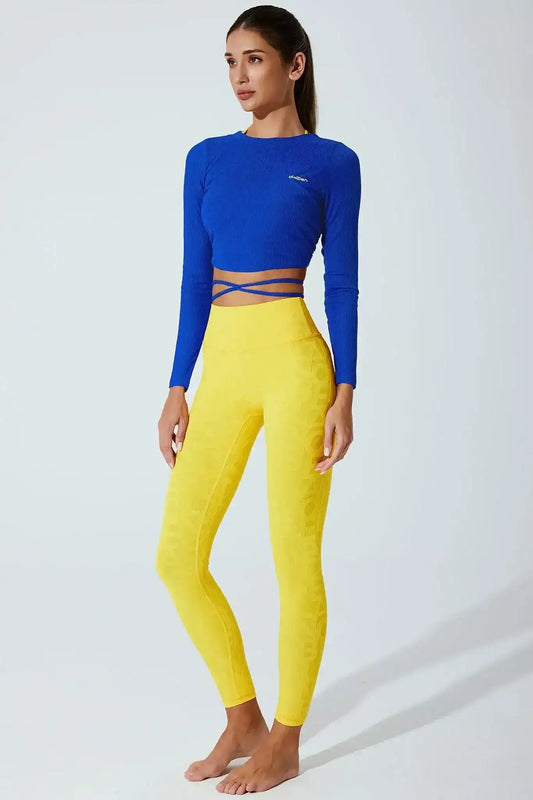
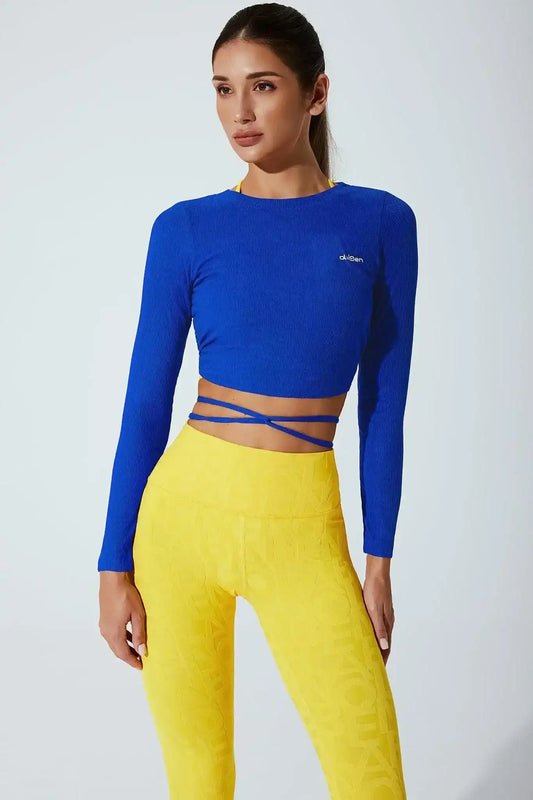
Leggings ask a lot from a fabric. They need to stretch in every direction, bounce back without sagging, survive constant friction, move sweat off your skin, and stay opaque when you bend. Polyamide checks those boxes:
- Its elasticity plus a spandex blend gives the four-way stretch and recovery that keeps leggings from bagging at the knees.
- Its abrasion resistance protects the high-friction inner-thigh zone from thinning and pilling.
- Its moisture-wicking and quick-dry behavior keeps you drier through a hot yoga class or a long run.
- Its soft, smooth surface feels good against bare skin and helps fabric stay squat-proof.
You will often see a blend like 75 to 80 percent polyamide with 20 to 25 percent elastane on activewear labels. The polyamide brings strength, wicking, and a smooth feel; the elastane brings the deep stretch. To go deeper on how the two compare, see our guide to polyamide vs polyester and our explainer on what spandex fabric is. For the full lineup, our activewear fabrics compared breaks down polyester, nylon, spandex, and recycled options side by side.

Polyamide vs Natural Fibers
How does it stack up against cotton, wool, and silk?
|
Trait |
Polyamide (nylon) |
Cotton |
Wool |
Silk |
|
Strength |
Very high |
Moderate |
Moderate |
High |
|
Stretch and recovery |
High (great blended) |
Low |
Moderate |
Low |
|
Moisture handling |
Wicks, dries fast |
Absorbs, dries slow |
Absorbs, insulates |
Absorbs |
|
Durability |
Excellent |
Good |
Fair |
Delicate |
|
Breathability |
Moderate |
High |
High |
High |
|
Biodegradable |
No |
Yes |
Yes |
Yes |
|
Best for |
Activewear, swim |
Casual, hot weather |
Warmth, base layers |
Luxury, drape |
Cotton wins on breathability and comfort in dry heat, but it soaks up sweat and stays heavy and damp during exercise. That is exactly the weakness polyamide solves. For workouts, synthetics like polyamide usually keep you drier and hold their shape longer. For lounging on a hot afternoon, natural fibers still feel great. Our roundup of materials used in yoga clothes and the guide to the best fabric for sportswear help you pick per activity.
How to Care for Polyamide
Polyamide is low-maintenance if you respect the heat rule.
- Wash cold or warm, not hot. Cold water (around 30°C / 86°F) protects the fibers and cuts microplastic shedding.
- Turn items inside out and use a mesh laundry bag to reduce friction and pilling, and to catch fibers.
- Skip fabric softener. It coats the fiber and hurts moisture-wicking. A mild detergent is enough.
- Air dry when you can. High dryer heat is the fastest way to damage or shrink nylon. If you must machine dry, use low or no heat.
- Iron low or not at all. Polyamide melts under a hot iron. Most activewear never needs ironing anyway.
- Wash sweaty pieces promptly so odor does not set in.
Follow these and a good pair of leggings will keep its stretch, color, and shape for years.
Sustainability and Recycled Polyamide (Econyl)
The honest downside of conventional polyamide is that it comes from petroleum, does not biodegrade, and sheds microplastics. That is where recycled polyamide changes the math.
The best-known example is Econyl, made by the Italian company Aquafil. It is regenerated nylon spun from waste such as discarded fishing nets, fabric scraps, and industrial plastic. According to Aquafil, producing Econyl instead of new nylon from oil reduces the global warming impact of the nylon by up to about 90 percent, and the material can be recycled again and again without losing quality. The finished fiber performs just like virgin nylon, so you get the same stretch, strength, and wicking with a much lighter footprint.
Choosing activewear made with recycled polyamide, and caring for it well so it lasts, is a practical way to enjoy the fabric’s performance while cutting its impact.

Ready to feel the difference? Explore Olaben’s women’s leggings collection to see polyamide blends put to work.
Frequently Asked Questions
Is polyamide the same as nylon?
In clothing, yes. Nylon is a type of polyamide, and it is the one used in fabric. When a label says “polyamide,” it almost always means nylon. “Polyamide” is simply the more technical term, common in Europe.
Is polyamide good for activewear?
Very. It is strong, elastic, abrasion-resistant, and it wicks sweat and dries quickly. Blended with spandex, it gives leggings and sportswear the four-way stretch and durability they need.
Is polyamide breathable?
It is moderately breathable. It moves moisture well and dries fast, but it is less airy than cotton in hot, still conditions. Good activewear design (knit structure, ventilation zones) improves airflow.
Does polyamide shrink or stretch out?
It resists shrinking and holds its shape better than many fabrics, as long as you avoid high heat. Hot dryers can shrink or damage it, so air dry or use low heat.
Is polyamide bad for the environment?
Conventional polyamide is made from petroleum and is not biodegradable. Recycled versions like Econyl cut that impact substantially by using waste as the raw material, and they perform the same as virgin nylon.
Polyamide vs polyester: which is better?
Polyamide is generally softer, stronger, and more elastic; polyester is often cheaper, quicker-drying, and better at holding color in sunlight. Many garments blend both. See our full polyamide vs polyester comparison.