Pilates has a reputation for sculpting long, lean muscle and a strong core, but can it actually help you lose weight? The honest answer is yes, with a caveat: Pilates works for weight loss as part of a bigger picture, not as a standalone calorie-burning machine. Here is exactly how it helps, how many calories it burns, and how to build a routine that delivers results.
The Short Answer
Pilates supports weight loss by building lean muscle, raising your resting metabolism, improving how you move, and reducing stress eating. It burns a moderate number of calories on its own. For meaningful fat loss, combine Pilates with a calorie-conscious diet and some cardio.

How Many Calories Does Pilates Burn?
Calorie burn depends on the type of class, intensity, and your bodyweight.
|
Type |
Duration |
Approx. calories burned |
|
Mat Pilates (beginner) |
1 hour |
170 to 250 |
|
Mat Pilates (advanced) |
1 hour |
250 to 350 |
|
Reformer Pilates |
45 min |
350 to 600 |
For comparison, running burns roughly 500 to 600 calories per hour. So while a high-intensity reformer session is genuinely demanding, gentle mat Pilates burns less than dedicated cardio. For a deeper breakdown, see our guide to how many calories Pilates burns.
Why Pilates Still Helps You Lose Weight
Calories burned during class are only part of the story.
- Lean muscle raises your metabolism. Pilates tones the core, arms, and legs. More muscle means your body burns more calories even at rest, around the clock.
- It improves movement quality. A stronger core and better posture make every other workout, run, lift, or sport, more effective and less injury-prone.
- It is sustainable. Pilates is low-impact and joint-friendly, so people stick with it long term. Consistency beats intensity for lasting weight loss.
- It lowers stress. The mindful, breath-led nature of Pilates can reduce cortisol and stress-driven eating.
Mat vs Reformer Pilates for Weight Loss
- Mat Pilates uses bodyweight and is accessible anywhere. Great for building the habit and core strength, lower calorie burn.
- Reformer Pilates uses a spring-loaded machine for resistance. Higher intensity, more calories, faster strength gains.
If weight loss is your priority and you have access, reformer or high-intensity mat classes burn more. If you train at home, you can still progress with equipment-free Pilates exercises and basic Pilates moves you can do at home.

How to Use Pilates for Real Weight Loss
A realistic, effective weekly plan:
- Pilates 3 to 4 times per week for core strength and lean muscle.
- Add cardio 2 to 3 times per week (walking, running, cycling) to increase calorie burn.
- Eat in a mild calorie deficit with enough protein to preserve muscle.
- Prioritize sleep and stress management, both affect weight.
- Stay consistent for at least 8 to 12 weeks before judging results.
Pilates plus cardio plus sensible eating is far more effective than Pilates alone.
What to Wear for Pilates
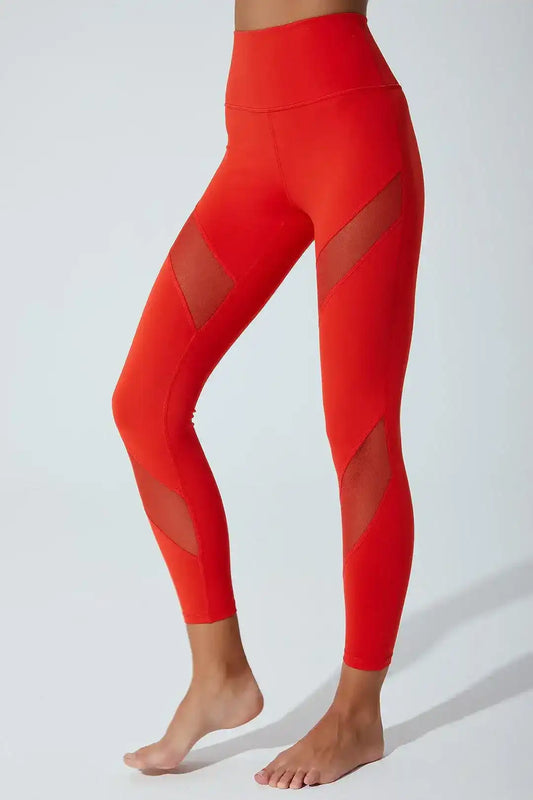
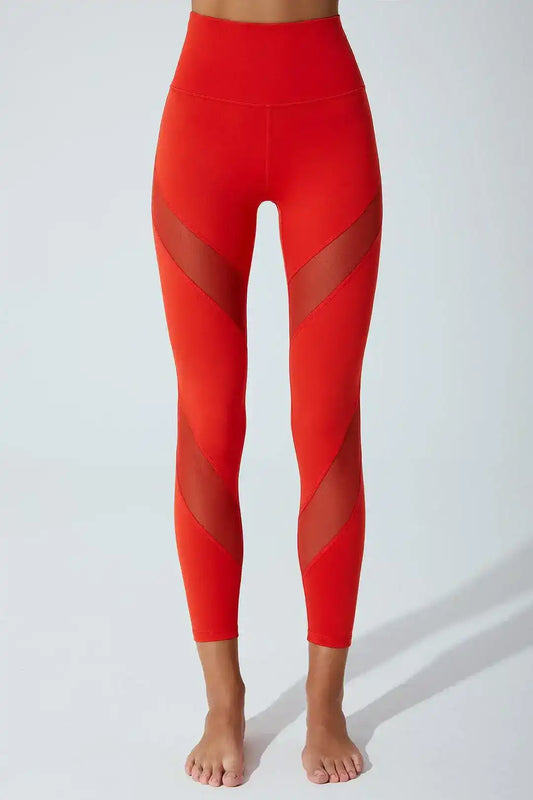
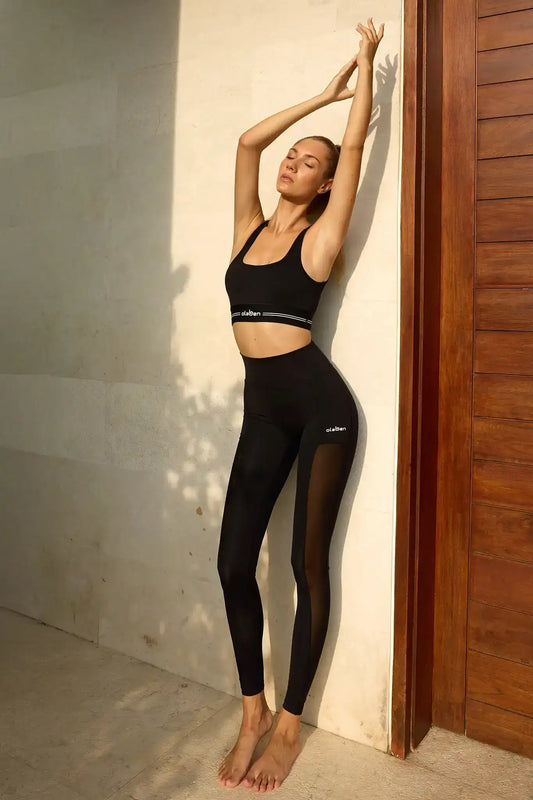
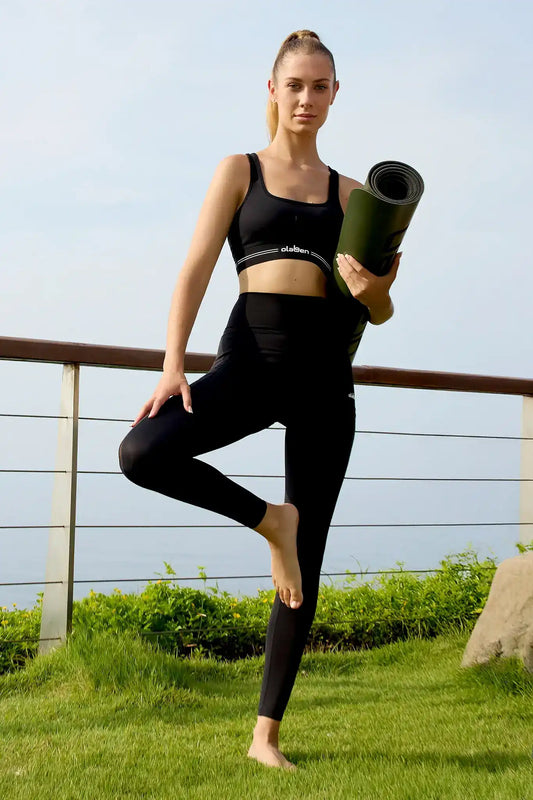
Pilates involves precise, flowing movement and a lot of floor work, so you want fitted, flexible clothing that lets the instructor see your alignment and stays put when you invert or twist. Reach for high-waisted leggings, a supportive sports bra, and pieces from our yoga and Pilates collection. A grippy mat is essential for mat work. See our guide to choosing the perfect Pilates outfit.

Frequently Asked Questions
How long does it take to lose weight with Pilates?
With consistent practice and a healthy diet, most people notice changes in tone and posture within 6 to 8 weeks, and weight changes over 8 to 12 weeks or more.
Is Pilates or cardio better for weight loss?
Cardio burns more calories per session, but Pilates builds metabolism-boosting muscle and is more sustainable. The best results come from combining both.
Can I lose belly fat with Pilates?
Pilates strengthens and tones the core, but you cannot spot-reduce fat. Overall fat loss through diet and exercise reveals a stronger midsection.