The question of stretching before or after workout is one of the most debated topics in fitness. The short answer: do both, but differently. Use dynamic stretching before, static stretching after. This guide explains why, walks you through routines, and flags the mistakes most people make.
1. Two Types of Stretching, Two Different Jobs
Dynamic Stretching
Dynamic stretches are controlled, moving exercises that raise muscle temperature, activate the right muscle groups, and expand range of motion. Examples: leg swings, arm circles, walking lunges, the world's greatest stretch.
Static Stretching
Static stretching means holding a lengthened position for 20 to 60 seconds, returning muscles to resting length, easing tension, and supporting recovery. Examples: hamstring stretch, butterfly, child's pose, pigeon pose.

2. Why Static Stretching Before a Workout Is a Bad Idea
Studies (Behm et al., 2016; Simic et al., 2013) show that long static stretches before training can temporarily reduce muscle strength and power output by 5 to 10%. The reason: muscles are over-elongated before they are ready to contract forcefully.
- Higher injury risk because muscles are not properly warm.
- Lower performance on strength moves like squats, deadlifts, or pickleball smashes.
- Slower reflexes in fast-paced sports.
Instead, start with dynamic stretching combined with light cardio. Read How to Warm Up Before a Workout for a 5 to 10 minute routine.
3. Why Static Stretching After a Workout Works

- Reduces muscle stiffness and DOMS in the next 24 to 48 hours.
- Improves circulation and clears lactic acid faster.
- Builds long-term flexibility and supports posture.
- Brings heart rate down to resting in a controlled way.
- Activates the parasympathetic nervous system for mental relaxation.
Read Post-Workout Stretching: Benefits and 6 Effective Exercises for 6 specific exercises to use right after training.
4. Pre-Workout Dynamic Routine (5 to 8 Minutes)
- Light cardio 2 minutes: jog in place or easy jump rope.
- Leg swings: 10 reps per leg, front-to-back and side-to-side.
- Walking lunge with torso twist: 10 steps.
- World's Greatest Stretch: 5 reps per side.
- Inchworm: 5 to 10 reps.
- Glute bridge: 10 to 20 reps for glute activation.
- Arm circles and shoulder rotations: 10 each direction.
5. Post-Workout Static Routine (8 to 12 Minutes)
- Standing hamstring stretch: 30 seconds per leg.
- Quadriceps stretch: 30 seconds per leg.
- Pigeon pose: 45 seconds per side for hips and glutes.
- Butterfly stretch: 45 seconds for inner thighs.
- Child's pose: 1 minute for the lower back.
- Cat-cow: 8 to 10 reps for the spine.
- Chest opener: 30 seconds for shoulders and chest.

6. Apparel That Supports Stretching and Yoga
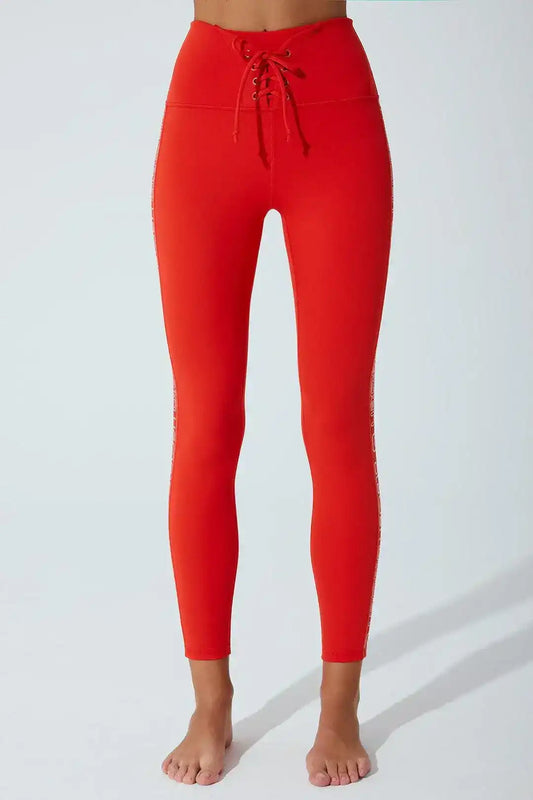
Stretching demands 4-way stretch fabric and a balanced fit, not too tight, not too loose. Soft, smooth, moisture-wicking fabric lets you focus on breath and movement.
- Browse Women's Yoga Apparel with fitted bras, premium leggings, and breathable crop tops.
- Check the Women's Leggings collection that flatters every body and moves with you.
- Or explore Women's Sports Bras for sports bras across all support levels.

7. Common Stretching Mistakes
- Bounce stretching to push deeper: a fast track to muscle tears.
- Holding static stretches over 90 seconds: no extra benefit, may cut strength.
- Holding your breath: drops effectiveness and increases tension. Breathe deep and slow.
- Stretching cold muscles: high injury risk. Always warm up first.
- Skipping opposing muscle groups: e.g., stretching hamstrings but ignoring quads.
8. Before vs After at a Glance
|
Criteria |
Before (Dynamic) |
After (Static) |
|
Goal |
Warm up, activate muscles |
Recover, improve flexibility |
|
Duration |
5 to 8 minutes |
8 to 12 minutes |
|
Movement type |
Controlled motion |
Hold static 20 to 60 sec |
|
Examples |
Leg swing, lunge, inchworm |
Pigeon, butterfly, child's pose |
|
Breathing |
Steady, light |
Deep, slow, relaxed |
Frequently Asked Questions
Can I skip stretching when I'm short on time?
Not advised. At minimum, do 3 minutes of dynamic before and 3 minutes of static after. Skipping entirely raises injury risk significantly.
Which areas should pickleball players stretch most?
Focus on shoulders, wrists, hips, hamstrings, and calves. These work hardest during smashes, lunges, and pivots.
Can yoga replace post-workout stretching?
Yes, especially yin yoga poses held 1 to 3 minutes. It is a great way to recover and build flexibility at once. Browse Women's Yoga Apparel for the right outfit.
Should I foam roll before or after a workout?
Both work. Pre-workout reduces tension and boosts circulation. Post-workout releases trigger points and accelerates recovery. Roll 30 to 60 seconds per muscle group.
Final Thoughts
Stretching before or after workout is not an either-or choice. Dynamic before, static after. A simple habit that pays back in performance and longevity. Browse Women's Yoga Apparel for the most comfortable yoga and stretch experience.