After each gym session or high-intensity workout, many people rush out of the gym and forget an important step: post-workout stretching. This is not just a “final step to complete the routine,” but a key factor in helping your body recover better, reduce soreness, and maintain long-term flexibility. Just a few minutes of proper cool-down stretching can make a noticeable difference for your next workout and for your overall sustainable fitness journey.
In this article, Olaben will help you understand the benefits of stretching and introduce six simple yet effective exercises suitable for different muscle groups after training.
Benefits of Post-Workout Stretching After Gym Training
Relieves Muscle Soreness After Workouts
After an intense training session, muscle tightness and soreness are almost unavoidable. When muscles work at high intensity, microscopic tears occur in the muscle fibers and metabolic byproducts accumulate, leading to next-day soreness.
Post-workout stretching helps relax the muscles that have just been activated, promotes blood circulation, and supports the removal of waste products. As a result, stiffness is reduced and the body feels noticeably more comfortable. Many studies published on PubMed also suggest that proper stretching may reduce mechanical stress within muscle structures, thereby supporting the body’s natural recovery process.
Promotes Faster Recovery
Stretching is not only about immediate comfort, it also plays an important role in the recovery phase. Gentle stretching increases blood flow to the muscles, delivering oxygen and essential nutrients needed for muscle repair and regeneration.
In practice, training groups that include post-workout stretching often report shorter recovery times compared to those who skip this step. For regular gym-goers, this means maintaining better performance and reducing prolonged fatigue across consecutive training sessions.

Improves Flexibility and Range of Motion
Muscles that frequently contract without being stretched can gradually become shortened and less flexible. Maintaining a stretching routine improves muscle elasticity and increases joint range of motion.
With better flexibility, movements such as deep squats, long lunges, or exercises that require twisting and hip rotation become smoother and more controlled. This is especially beneficial if you combine gym training with yoga, martial arts, or other sports that demand flexibility.
Reduces the Risk of Injury
Tight muscles are like an overstretched elastic band, just a little extra force can cause damage. Without stretching, muscles and joints may endure greater stress during subsequent workouts, increasing the risk of strains, muscle tears, or joint discomfort.
Stretching after gym sessions helps return the body to a balanced, relaxed state, making it more prepared for the next training intensity. Just a few minutes of proper stretching can act as a “safety cushion,” supporting sustainable training and helping you avoid unnecessary injuries.
05 Effective Post-Workout Stretching Exercises by Muscle Group
Stretching after exercise not only helps you recover faster but also reduces soreness the next day. In addition, these movements can be used as morning stretches to wake up the body, improve blood circulation, and start the day feeling lighter and more energized.
Leg Stretches After a Workout
After exercises such as squats, lunges, deadlifts, or running, the leg muscles usually endure the greatest amount of stress. Without proper relaxation, you may experience stiffness and heavy steps the next day. Below are three essential stretches to help your legs recover and maintain flexibility.
Quadriceps Stretch (Front Thigh)
The quadriceps are heavily engaged in pushing movements like squats, leg presses, or climbing stairs. Stretching this muscle helps relieve tightness around the knees and the front of the thighs.
How to perform:
- Stand upright and shift your weight onto one leg.
- Bend the other leg backward and hold your ankle with the same-side hand.
- Gently pull your heel toward your glutes until you feel a stretch in the front thigh.
- Hold for 20–30 seconds while breathing steadily, then switch sides.
Tip: Keep both knees close and parallel, avoid opening your hips outward. If balancing is difficult, hold onto a wall or a stable chair for support.

Hamstring Stretch (Back Thigh)
Hamstrings can tighten after hip hinge movements like deadlifts or long-distance running. Proper stretching improves flexibility and supports smoother bending and forward-folding movements.
How to perform:
- Sit on the floor with one leg extended straight and the other bent so the sole of the foot touches the inner thigh.
- Keep your back straight and hinge forward from the hips (avoid rounding your back).
- Reach your hands toward your foot until you feel a gentle stretch along the back of your thigh.
- Hold for 20–30 seconds, then switch legs.
Important note: Do not bounce to try to reach your toes. Stretching should create mild tension, not sharp pain.

Calf Stretch
After activities such as running, jump rope, or calf raises, the calf muscles often become tight. This muscle group can also contribute to fatigue when walking frequently.
How to perform:
- Stand facing a wall and place your hands on it at shoulder height.
- Step one leg back, keeping the knee straight and the entire foot flat on the floor.
- Slightly bend the front knee and gently push your hips forward until you feel a stretch in the back calf.
- Hold for 20–30 seconds, then switch sides.
Tip for deeper stretching: Keep the back heel firmly on the ground. To target the soleus muscle more effectively, slightly bend the back knee while maintaining heel contact with the floor.
Practicing these stretches consistently after each workout will help your legs recover faster, feel lighter when walking, and stay ready for your next training session.

Arm Stretches After a Workout
After pulling and pushing exercises such as bicep curls, pull-ups, push-ups, or tricep dips, the arm muscles often contract and become tight. Proper stretching helps relax the arms, reduce soreness, and maintain a healthy range of motion in the shoulder and elbow joints.
Biceps Stretch (Front Upper Arm)
The biceps work intensely during pulling movements like curls, pull-ups, or rows. Without stretching, you may feel tightness in the front of the upper arm and around the elbow the next day.
How to perform:
- Stand upright and interlace your fingers in front of your chest.
- Rotate your palms outward and extend your arms straight forward.
- At the same time, open your chest and gently pull your shoulders back to increase the stretch in the front of the arms.
- Hold for 20–30 seconds, breathing slowly and steadily, then relax.
Tip for a deeper stretch: Keep your back straight and avoid shrugging your shoulders or tensing your neck. To intensify the stretch, lower your arms toward hip level while keeping your palms rotated outward.

Triceps Stretch (Back Upper Arm)
The triceps often feel “burned out” after exercises such as bench dips, overhead presses, or narrow push-ups. Stretching properly helps reduce pressure around the elbows and shoulders.
How to perform:
- Raise one arm overhead and bend the elbow so your hand reaches toward your upper back.
- Use the opposite hand to gently hold the elbow and pull it slightly behind your head.
- Hold for 20–30 seconds until you feel a moderate stretch in the back of your upper arm.
- Switch sides and repeat.
Important note: Do not pull abruptly or force the stretch too deeply. The sensation should be mild tension, not sharp pain. Keep your core lightly engaged to avoid over-arching your lower back. Maintaining these arm stretches after each workout helps reduce muscle fatigue, keep your arms flexible, and better support future upper-body training sessions.

Back Stretches After a Workout
After heavy exercises such as deadlifts, squats, barbell rows, or pull-ups, the back acts as the main support structure for the entire body. Without proper stretching, the back, especially the lower back, can become tight and sore, potentially affecting daily posture and comfort. Below are two simple yet essential back stretches to support effective recovery.
Lower Back Release
The lower back experiences significant pressure during lifting or hip flexion-extension movements. Proper stretching helps relieve tension in the lumbar spine and creates a lighter feeling after training.
How to perform:
- Lie on your back on a mat with your legs extended naturally.
- Slowly bend both knees and pull them toward your chest.
- Wrap your arms around your knees or shins.
- Hold for 20–30 seconds, breathing deeply and evenly to fully relax the back muscles.
To enhance the effect: Gently rock side to side like a natural “back massage.” Keep your head and shoulders on the floor to avoid straining your neck.

Thoracic Rotation Stretch (Mid-Back)
The mid-back works hard during pulling movements and upper-body stabilization exercises. When this area becomes tight, you may feel heavy shoulders and limited rotation. Gentle spinal twists help open the chest and relieve tension in the thoracic region.
How to perform:
- Sit upright on the floor with legs crossed or extended.
- Slowly rotate your torso to the right.
- Place your right hand behind you for support.
- Rest your left hand on your right knee to assist with a deeper rotation.
- Hold for 20–30 seconds, then switch sides.
Note: Avoid jerking or forcing the twist beyond your range. Focus on lengthening your spine before rotating to ensure smooth and safe movement. Spending just a few minutes stretching your back after each workout not only reduces immediate soreness but also helps maintain a healthy spine, better posture, and sustainable long-term training performance.

Shoulder Stretch
After exercises such as shoulder presses, bench presses, or push-ups, the front of the shoulders (anterior deltoids) often becomes tight and contracted. Without proper stretching, you may feel heaviness in the shoulders, slight forward rounding, and reduced mobility when lifting your arms. The following movement helps open up the shoulders, improve posture, and relieve pressure in the chest–shoulder area.
Anterior Shoulder Stretch
This is a simple yet highly effective stretch to open the front shoulders and release built-up tension after upper-body workouts.
How to perform:
- Stand or sit upright with your core lightly engaged to maintain a neutral spine.
- Bring one arm behind your back and bend the elbow so your hand rests along your mid-back or near the shoulder blade.
- Use the opposite hand to gently hold the elbow and slowly pull it slightly backward until you feel a stretch in the front of the shoulder and chest.
- Hold for 20–30 seconds while breathing deeply, then switch sides.
Tip for a deeper stretch: Keep your chest open and gently draw your shoulder blades back instead of arching your lower back. This ensures the stretch targets the shoulder rather than placing pressure on the lumbar spine.
Important note: Stretch only to a moderate level of tension, avoid sharp pain in the shoulder joint. If you have a history of shoulder injury, perform the movement with a smaller range and slower pace.
Maintaining a habit of stretching your shoulders after each workout helps improve posture, reduce rounded shoulders, and better support future upper-body training sessions.

Neck Stretch
After training, especially heavy lifts like shoulder shrugs, deadlifts, or when maintaining improper posture during workouts, the neck and upper trapezius area can easily become tight. Neck tension not only causes soreness but may also lead to headaches, reduced concentration, and poor overall posture. Spending a few minutes stretching the neck helps relax this area and improve blood circulation.
Neck Side Stretch
This simple movement is highly effective for relieving tension in the neck and upper shoulders.
How to perform:
- Sit or stand upright with your shoulders relaxed.
- Slowly tilt your head to the right, bringing your ear toward your right shoulder.
- Place your right hand gently on top of your head to slightly increase the stretch, using very light pressure.
- Hold for 15–30 seconds, feeling a gentle stretch along the side of your neck and upper shoulder.
- Return to center and switch sides.
Tip for deeper relaxation: While holding the stretch, take a deep breath. As you exhale, consciously drop your shoulder slightly lower to reduce unconscious shrugging caused by tension.

Important note: Do not rotate your neck forcefully or jerk it suddenly. If you feel sharp pain or tingling that radiates down your arm, stop immediately.
Important Notes When Performing Post-Workout Stretching
Stretching may seem simple, but if done incorrectly, it can reduce recovery effectiveness or even cause injury. Below are important principles to keep in mind:
- Move slowly and with control: Stretching is not about pulling as deep as possible. Each movement should be performed slowly and in a controlled manner, stopping at a point of mild tension. If you feel sharp or intense pain, immediately reduce the range of motion.
- Hold each position long enough: To truly lengthen and relax the muscles, hold each stretch for about 20–30 seconds. For tighter muscle groups, you may repeat the stretch twice for better results. Moving too quickly from one stretch to another will limit the benefits.
- Combine with deep breathing: Inhale through your nose and exhale slowly through your mouth while holding the stretch. Deep breathing helps relax the nervous system and increases blood flow to the stretched muscles. Avoid holding your breath, as this can cause your body to tense up unconsciously.
- Do not stretch during acute pain: If you are experiencing an injury, severe pain, or acute inflammation, do not force stretching. Prioritize rest and consult a professional before continuing your training. Stretching is most effective when your body is in a stable condition.
Post-workout stretching is not just the “final step” of a training session, it is an essential part of long-term recovery and development. When performed correctly and consistently, you will clearly notice the difference: your body feels lighter, more flexible, and ready for the next challenge.
Complete Your Training Routine with the Right Outfit from Olaben
Stretching is truly effective only when your body moves in maximum comfort. Besides proper technique and breathing, workout clothing plays an important role in supporting flexibility, reducing friction, and helping you feel confident in every movement.
Choose the Right Sports Top for Your Training Intensity
A suitable sports top not only enhances your shape but also supports stretching, twisting, and extension movements:
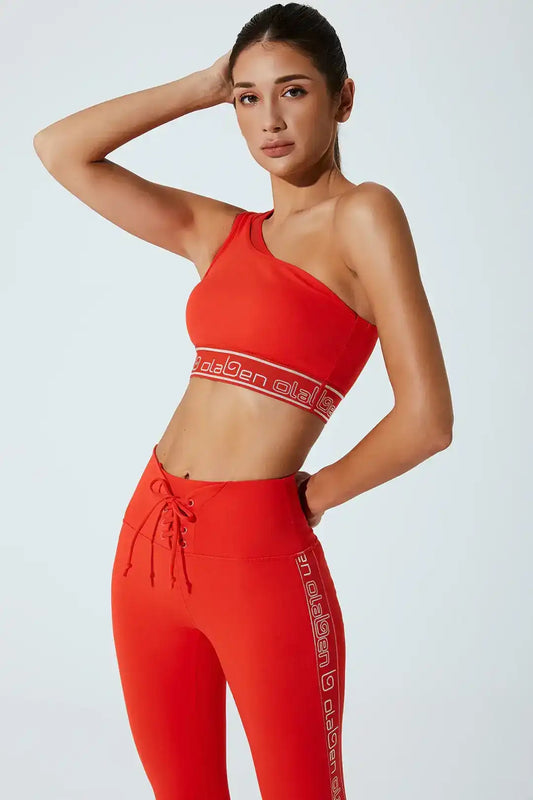
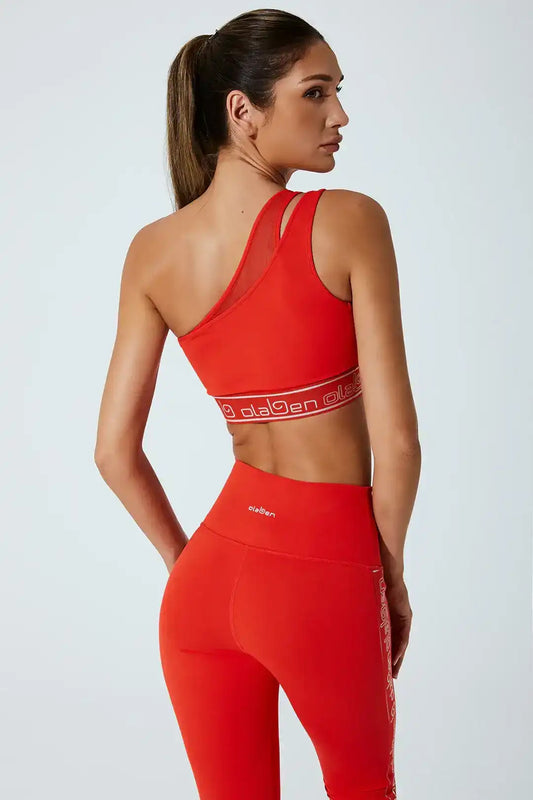
- Sports bra: Compact and well-fitted, ideal for yoga, Pilates, or light stretching sessions.
- Short-sleeve sports top: Breathable and flexible, suitable for gym workouts or moderate-intensity cardio.
- Long-sleeve sports top: Perfect for air-conditioned gyms or outdoor sessions, helping keep muscles warm during warm-ups and stretching.
You can explore designs in Olaben’s women’s sportswear collection to choose fabrics that offer good stretch, moisture-wicking properties, and appropriate support for your training needs.
Pair with Flexible Sports Bottoms
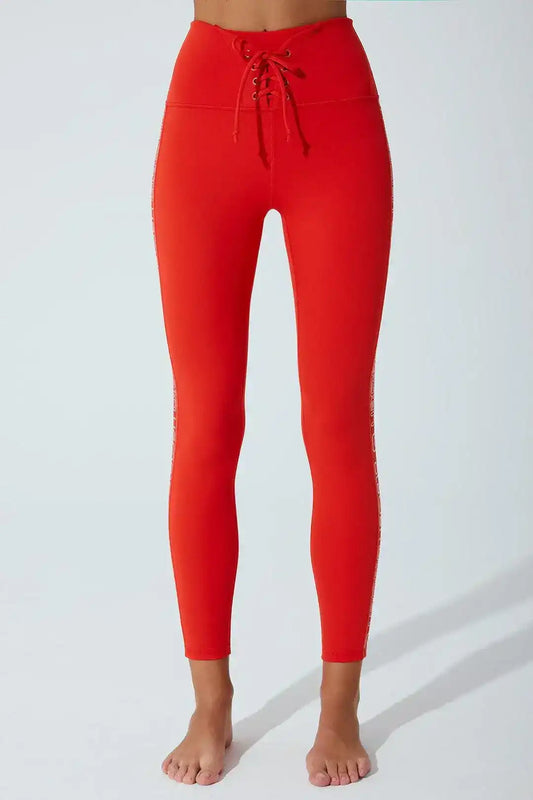
Sports bottoms directly affect your ability to perform stretching movements such as forward folds, splits, or twists. Four-way stretch leggings provide a snug fit without restriction, allowing smooth and flexible movement. High-waisted designs help stabilize the core and create a secure feeling during balance-focused poses.
Explore more in Olaben’s sportswear category to find coordinated sets with harmonious colors and materials.
Conclusion
Post-workout stretching is not just the final step, it is the finishing touch that helps your body return to balance after high-intensity exercise. A few minutes of proper stretching can reduce soreness, relax muscles, and improve joint flexibility. Just 10–15 minutes after each session can significantly support recovery and maintain long-term performance. For this reason, post-workout stretching should become an essential habit in your fitness journey.