If you are trying to decide between pickleball or racquetball, you are not alone. These two indoor racquet sports are often mentioned together, yet they offer completely different physical demands, learning curves, and long-term playing experiences. One is rapidly becoming the most popular recreational sport in North America, while the other remains a high-intensity niche sport with a loyal but shrinking player base.
Understanding the difference between pickleball and racquetball is not simply about which one is faster or harder. It is about how each sport fits into your lifestyle, fitness goals, and social preferences. While racquetball emphasizes explosive power and constant movement in a confined space, pickleball focuses on strategy, control, and sustainable play across a wide age range.
What Is Racquetball and Why Is It So Physically Demanding?
Racquetball is a fast, intense indoor sport played inside a fully enclosed four-walled court, similar in appearance to a squash court but significantly more aggressive in pace. Players use a small strung racquet and a hard rubber ball that can rebound unpredictably off the front, side, and back walls at extremely high speeds. In competitive play, ball speeds often exceed 100 miles per hour, forcing players to react instantly.

What truly defines racquetball is its three-dimensional gameplay. Unlike sports that only require forward and lateral movement, racquetball demands constant 360-degree awareness. Players must sprint, pivot, and lunge while tracking a ball that can ricochet in unexpected directions. This results in very high heart rates, rapid fatigue, and a significant cardiovascular workload, making racquetball one of the most physically demanding racquet sports available.
Because of this intensity, racquetball tends to attract players who seek short, brutal workouts rather than long social sessions. Games are often played one-on-one, and court access is limited to indoor fitness facilities, which adds to the sport’s exclusivity and steep learning curve.
What Is Pickleball and Why Is It So Popular?
Pickleball is a slower-paced, low-impact racquet sport that combines elements of tennis, badminton, and table tennis, but with its own distinct identity. It is played on a compact court measuring 44 feet by 20 feet, using a solid paddle and a lightweight perforated plastic ball. The net is lower than a tennis net, and the rules are specifically designed to limit excessive power.

The defining characteristic of pickleball is accessibility. The underhand serve, slower ball speed, and smaller court allow beginners to rally within their first session. Strategic elements such as the non-volley zone, commonly called the “kitchen,” encourage patience, placement, and consistency rather than raw strength.
>>> Read more: Pickleball techniques
Pickleball is most commonly played in doubles, which creates a highly social environment. Players rotate on and off courts, talk between points, and often play for hours without extreme physical exhaustion. This combination of strategy, inclusiveness, and community is the primary reason pickleball has experienced explosive growth in recent years.
Court Size and Layout: Why Space Changes Everything
The size and layout of the court play a major role in shaping how racquetball and pickleball are played. Racquetball takes place in a fully enclosed court measuring 40 feet long, 20 feet wide, and 20 feet high, where all four walls and the ceiling are active parts of the game. The ball rebounds at high speed from every surface, creating nonstop rallies that demand constant movement, quick reactions, and precise positioning.
The pickleball court is an open, rectangular space divided by a low net, with no walls influencing play once the ball crosses the boundary. The pickleball court measures 44 feet long and 20 feet wide, and in doubles, each player is responsible for only half of the playing area. The slower ball speed and predictable bounces reduce the need for explosive movement and allow players to focus more on positioning, anticipation, and controlled footwork.
Because of these spatial differences, racquetball emphasizes intensity, speed, and endurance, while pickleball favors strategy, consistency, and long-term playability. The court design does not just contain the game, it actively shapes how the sport is experienced.
Equipment Differences: Paddle vs Racquet Technology
The difference between racquetball racquets and pickleball paddles comes down to two very different design philosophies. Racquetball racquets use a strung surface that works like a trampoline. When the rubber ball hits the strings, it rebounds with high speed, allowing powerful shots from short swings. This suits the fast, enclosed racquetball court but also makes control harder, since small errors can send the ball flying unpredictably off the walls.

Ball Speed and Gameplay Rhythm
The ball used in each sport plays a huge role in how the game feels and flows. Racquetballs are made from dense, pressurized rubber that rebounds with explosive speed, even after hitting multiple walls. This keeps rallies fast and unpredictable, leaving players very little time to react or plan. As a result, points are usually short and intense, often ending with forced errors rather than long exchanges.
Pickleball balls are lightweight plastic with small holes that slow the ball down and reduce bounce. This creates a much calmer rhythm. Rallies last longer, and players have time to adjust their position, read opponents, and build points with intention instead of relying purely on reflexes.
Because of this, racquetball favors speed, quick reactions, and high-pressure play, while pickleball rewards patience, smart shot selection, and consistency. The slower ball also makes pickleball easier to pick up, especially for beginners, while still offering plenty of depth for more advanced players.
Fitness Impact and Injury Considerations
From a fitness standpoint, racquetball and pickleball sit on opposite ends of the intensity scale. Racquetball is a high-intensity, full-body workout with a high calorie burn in a short time. Constant sprinting, sharp direction changes, and explosive swings push heart rates high and heavily work the legs, core, shoulders, and cardiovascular system. This makes racquetball effective for building endurance, agility, and power quickly.
That intensity also comes with higher injury risk. Sudden stops and lunges stress the knees and ankles, repeated swings strain shoulders and elbows, and the fast-moving ball increases the risk of eye injuries. Racquetball delivers strong fitness gains, but it requires good conditioning, proper warm-ups, and recovery to stay sustainable.
Pickleball offers a more moderate, long-term approach to fitness. Calorie burn is lower per hour, but players often stay active longer, gaining steady cardiovascular and muscle benefits. The smaller court and controlled movement reduce joint impact, making it appealing for beginners, older players, or anyone managing joint concerns.
While pickleball can still cause overuse issues like tennis elbow, its overall injury risk is lower. In short, racquetball suits those seeking intense conditioning, while pickleball is ideal for low-impact, sustainable fitness that supports long-term activity and enjoyment.
Learning Curve and Long-Term Sustainability
One of the biggest differences between pickleball and racquetball is how quickly new players can feel comfortable and have fun. Pickleball has a very gentle learning curve thanks to its slower pace, smaller court, and simpler strokes. Many beginners can rally within their first session, which builds confidence and keeps the game enjoyable from the start.
Racquetball is much tougher early on. Players have to adjust to fast rebounds off the walls, quick ball speed, and tight spaces, all while learning proper swing mechanics. It often takes weeks or months to feel consistent, which can be rewarding for competitive athletes but frustrating for casual players.
These differences affect long-term play. Pickleball is easy to enjoy for years because players can rely more on strategy and placement as physical ability changes. Racquetball demands sustained speed and explosiveness, which becomes harder to maintain over time. In short, pickleball favors accessibility and longevity, while racquetball appeals to those who enjoy intense physical challenge and technical mastery.
Pickleball or Racquetball: Which Sport Should You Choose?
Choosing between pickleball and racquetball depends on what you want from sport day to day. Racquetball suits players who enjoy high-intensity workouts, solo competition, and pushing physical limits. Its fast pace and powerful rallies demand speed, strength, and constant focus, making it ideal for those who see sport as serious training.
Pickleball appeals more to accessibility, social play, and long-term enjoyment. With a slower pace and a strong doubles culture, it’s easy to play regularly, connect with others, and stay active without heavy physical strain. It offers strategy and challenge while remaining sustainable across different ages and fitness levels.

For many players, the two sports complement each other. Racquetball works well for intense conditioning, while pickleball fits perfectly as a social, lower-impact option that supports consistency and long-term well-being.
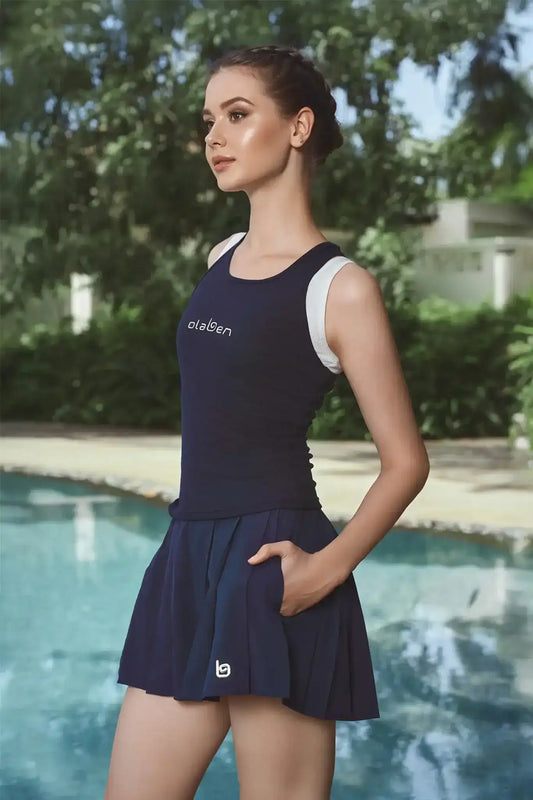
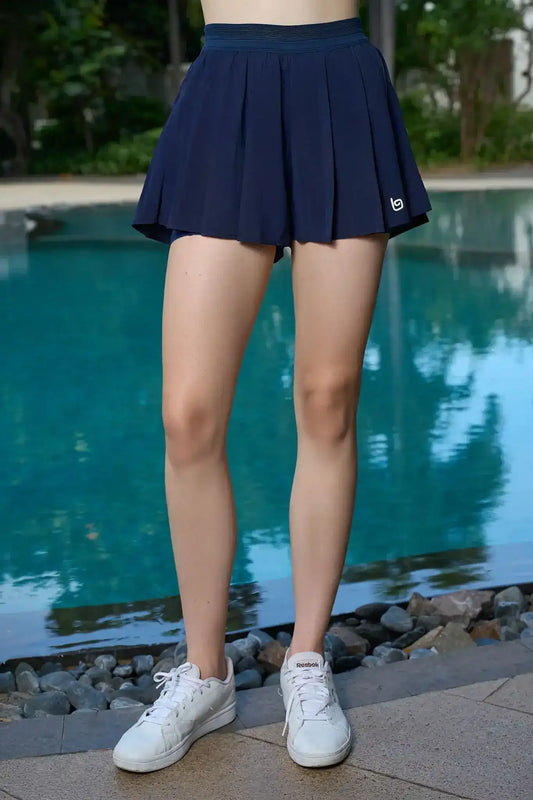
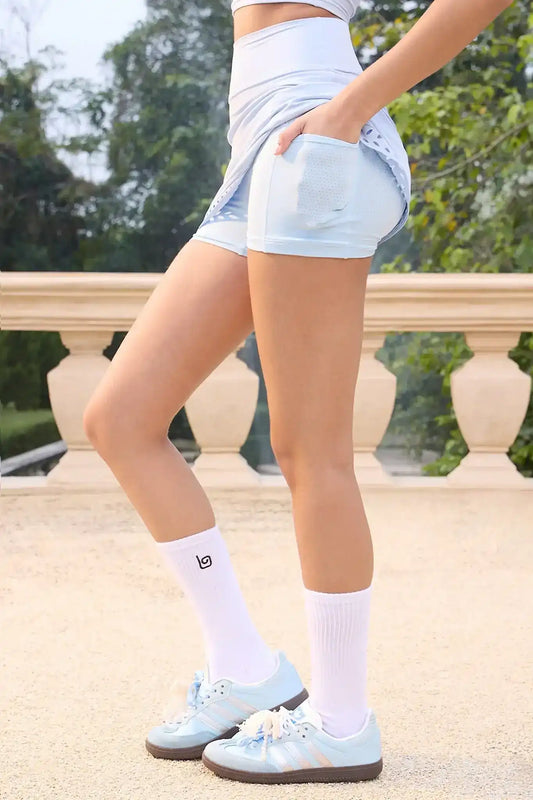
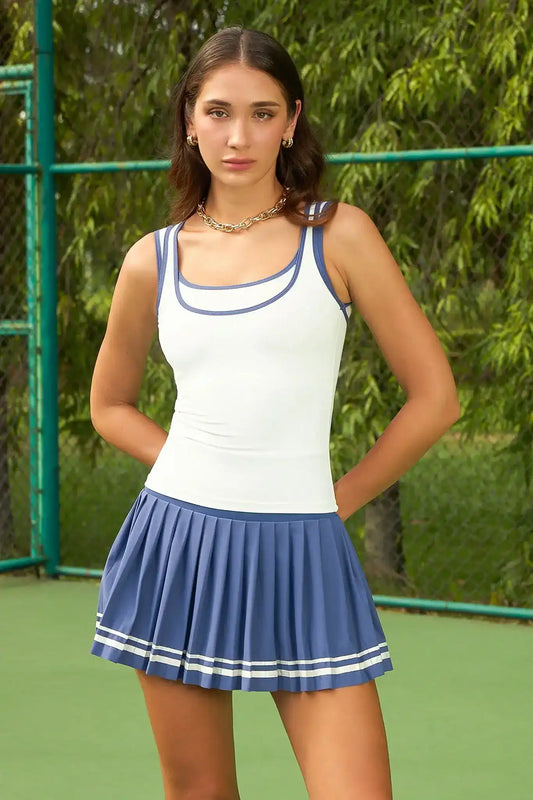
No matter which sport you choose, the right athletic apparel plays a crucial role in enhancing comfort, mobility, and confidence on the court. Well-designed pieces from women’s pickleball apparel such as breathable sports tops and flexible athletic skirts help you move freely, stay comfortable, and remain focused throughout every match. Combining the sport that suits your lifestyle with functional, stylish activewear ensures a more enjoyable, confident, and sustainable fitness journey, whether you are chasing intensity or community on the court.
Pickleball vs Racquetball: Key Differences at a Glance
| Category | Pickleball | Racquetball |
|---|---|---|
| Overall Pace | Moderate, controlled, strategic | Very fast, explosive, reaction-driven |
| Court Type | Open court with a low net | Fully enclosed court with four walls and ceiling |
| Court Size | 44 ft × 20 ft | 40 ft × 20 ft × 20 ft (L × W × H) |
| Primary Equipment | Solid paddle (stringless) | Strung racquet |
| Ball Type | Lightweight plastic ball with holes | Dense, pressurized rubber ball |
| Ball Speed | Slower, predictable trajectory | Extremely fast, unpredictable rebounds |
| Gameplay Style | Placement, patience, consistency | Power, speed, reflexes |
| Learning Curve | Very beginner-friendly | Steep, technically demanding |
| Typical Rallies | Longer, multi-shot exchanges | Short, decisive points |
| Physical Intensity | Low to moderate | High to extreme |
| Calorie Burn (per hour) | Moderate, sustained | Very high in short sessions |
| Injury Risk | Lower overall, mainly overuse injuries | Higher due to impact, speed, and collisions |
| Social Aspect | Strong, mostly doubles play | Limited, often one-on-one |
| Long-Term Sustainability | High, playable across all ages | Lower, harder to maintain with age |
| Best For | Social play, longevity, strategic thinkers | Competitive athletes seeking intense workouts |
Final Thoughts: Two Sports, Two Completely Different Experiences
Pickleball and racquetball are not about which sport is better, but which one fits your goals, physical ability, and lifestyle. Racquetball is fast, intense, and physically demanding, ideal for players who enjoy high-energy competition and pushing their limits.
Pickleball offers a different kind of appeal. It focuses more on strategy, consistency, and long-term enjoyment, making it accessible and competitive across different ages and fitness levels. Instead of relying on raw power, pickleball rewards smart shot selection, patience, and adaptability.
In the end, the right choice is the sport that keeps you motivated and excited to come back to the court over time. And no matter which sport you choose, feeling comfortable and confident in what you wear matters. That’s why many players turn to pickleball clothing for men from Olaben, where performance, comfort, and modern athletic style support an active, long-term playing experience.