The best yoga mat for hot yoga is one that grips better as it gets wet, not worse. In a Bikram-style class, the room is typically around 40°C (105°F) with about 40% humidity, and you’ll sweat from the first posture. A standard PVC or TPE mat that feels grippy when dry can turn slippery within minutes, which is uncomfortable and can be unsafe in poses like downward dog and warrior.
This guide explains which mat materials hold up to sweat, what thickness works, whether you need a towel, and how to keep a hot yoga mat clean.
What makes a good hot yoga mat
- Wet grip. The top layer should stay grippy, or get grippier, when damp. This matters more than anything else.
- Moisture management. The surface should absorb or wick sweat rather than letting it pool.
- A stable base. A natural rubber base keeps the mat from sliding on studio floors.
- Easy to clean. Hot yoga mats get sweaty every class, so they need to wipe clean and dry quickly.
- Moderate thickness. About 3 to 5mm gives stability for standing balance poses with enough cushioning for knees.

Mat materials compared for hot yoga
|
Material |
Grip when dry |
Grip when wet |
Absorbs sweat |
Notes |
|
PU (polyurethane) top + natural rubber |
Very good |
Very good |
Yes |
The most popular choice for hot yoga; wipes clean |
|
Suede or microfiber top + rubber |
Good |
Excellent (improves when damp) |
Yes, very |
Feels like a towel built into the mat; some people mist it before class |
|
Open-cell natural rubber |
Excellent |
Good |
Yes |
Grippy but absorbs sweat into the mat; needs regular cleaning; heavy |
|
Cork |
Good |
Good to very good |
Somewhat |
Naturally antimicrobial; firmer feel |
|
TPE |
Good |
Poor to fair |
No |
Light and affordable but often slippery when wet |
|
PVC |
Good |
Poor |
No |
Usually too slippery for hot yoga without a towel |
For more on materials, see our TPE vs natural rubber comparison and how to choose a yoga mat.
Thickness for hot yoga
- 1.5 to 2mm (travel mats): best grip and stability, minimal cushioning. Good over a studio mat or for travel.
- 3 to 5mm: the sweet spot for most hot yoga practitioners.
- 6mm and above: more cushioning, but can feel less stable in standing balance poses, and thicker foam mats are often less grippy when wet.
More detail in our guide to yoga mat thickness.
Do you need a yoga towel?
A towel helps if: - your mat is TPE or PVC - you sweat heavily from your hands and feet - you want to protect your mat and wash something easily after every class
A good hot yoga mat (PU or suede top) reduces the need for a towel, but many hot yoga regulars still use one. Choose a microfiber towel with silicone dots underneath so it doesn’t bunch.
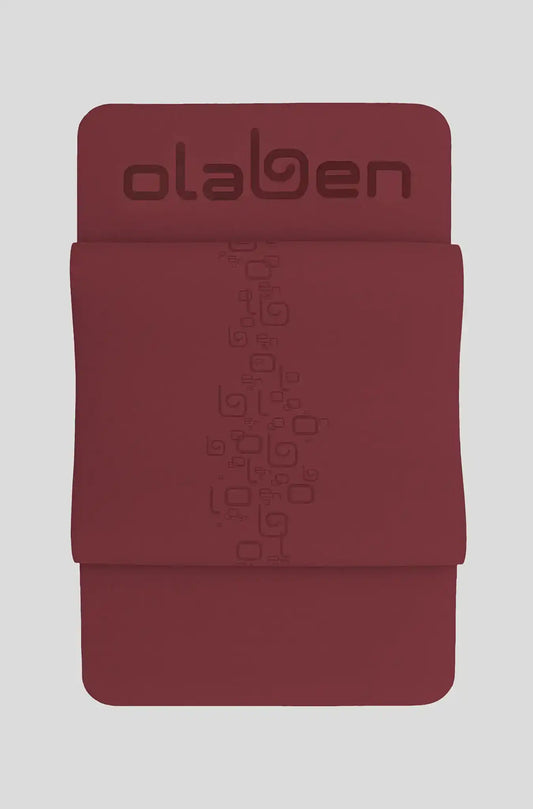
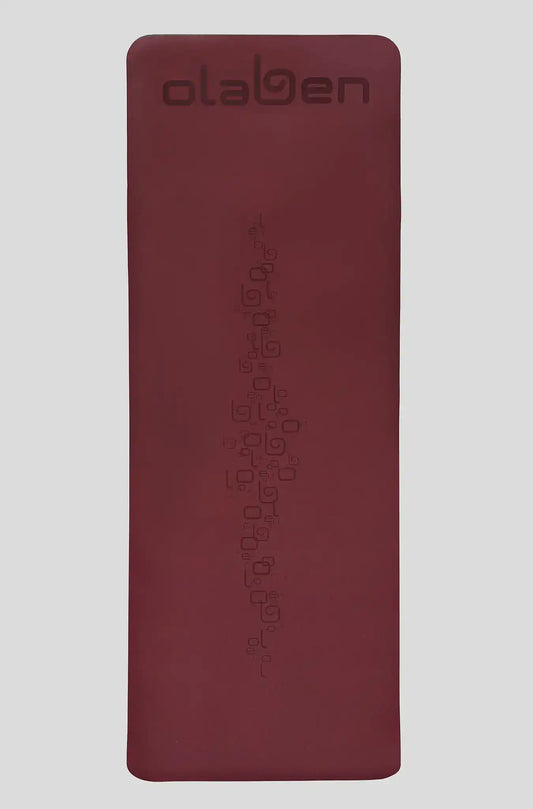
Which Olaben mats suit hot yoga?
|
Mat |
Top surface |
Hot yoga fit |
Why |
|
Non-slip, moisture-wicking surface |
Best choice |
Designed to keep a reliable grip even through high-sweat sessions |
|
|
Soft suede, natural rubber base |
Very good |
Suede grips even when sweaty; light enough to carry to class or lay over a studio mat |
|
|
6mm dual-layer |
Not ideal |
Built for low-sweat and restorative sessions; great for home and slower styles |
Our honest recommendation: choose the Signature for regular hot classes, or the Suede Travel Mat if you want portability or a grippy layer over a studio mat. Keep the Harmony for home, yin, or restorative practice.

How to clean a hot yoga mat
- After every class: wipe both sides with a damp cloth or a mat spray like our Natural Everyday Yoga Mat Cleaner.
- Dry it unrolled, out of direct sun. Never roll a wet mat into a bag.
- Weekly: a deeper clean with mild soap and water, then air dry.
- Avoid: harsh chemicals, essential oils in high concentration, and the washing machine (unless the manufacturer says it’s safe).
Full instructions in our yoga mat cleaning guide.
Tips for not slipping in hot yoga
- Arrive hydrated, not right after applying hand or body lotion.
- Keep a small hand towel nearby to dry your palms between poses.
- Mist a suede-top mat lightly before class; it grips better slightly damp.
- Choose sweat-wicking clothes that don’t drip onto your hands. See what to wear to hot yoga.
- Replace an old mat when the surface is worn smooth.
FAQ
What is the best yoga mat material for hot yoga?
A polyurethane (PU) or suede/microfiber top bonded to a natural rubber base. Both keep or improve their grip when wet and absorb sweat.
Can I use a regular yoga mat for hot yoga?
You can, but PVC and TPE mats often get slippery. Add a non-slip yoga towel on top.
How thick should a hot yoga mat be?
Around 3 to 5mm works for most people. Thinner gives more stability; thicker gives more cushioning but can feel less steady.
Do I need a towel if I have a hot yoga mat?
Not always. A grippy PU or suede mat may be enough, but heavy sweaters often still use a towel for hygiene and extra grip.
How do I stop my hands slipping in hot yoga?
Use a mat with a PU or suede top, avoid lotion before class, keep a hand towel nearby, and wipe your mat between standing and floor series.
How often should I replace a hot yoga mat?
When it loses grip, starts flaking, or holds odor after cleaning. For frequent hot yoga, that’s often every one to two years.
The bottom line
For hot yoga, wet grip comes first: choose a PU or suede-top mat with a natural rubber base, around 3 to 5mm thick, and clean it after every class. At Olaben, that means the Signature Yoga Mat or the Suede Foldable Travel Mat. Browse all yoga mats.