If you are serious about improving your pickleball game, you already know that raw power and flashy shots only get you so far. At higher levels, points are won through patience, positioning, and decision-making under pressure.
This guide breaks down the most effective advanced pickleball techniques used by competitive and professional players. Everything here is based on proven strategies seen in tournament play and taught by top coaches and pros. You do not need to overhaul your entire game. Focus on one or two areas at a time and you will see real progress.
1. Mastering the Transition Zone After the Third Shot Drop
One of the most common mistakes even experienced players make is rushing the net too early.
After a third shot drop, do not automatically sprint to the Non-Volley Zone line. Instead, watch the quality of the drop first. If the ball sits up, charging forward only puts you in a vulnerable position.
What advanced players do differently:
- Move up gradually, one step at a time
- Pause if the drop is attackable
- Earn your way to the NVZ through multiple soft shots
Patience in the transition zone makes it easier to handle drives and reduces the chance of getting the ball crushed at your feet or chest.

2. Advanced Dinking Technique: Balance Beats Power
If your dinks keep floating high and getting attacked, the problem is usually balance, not touch.
Watch professional matches closely and you will notice a consistent detail. Players keep their non-dominant elbow lifted and slightly away from the body while dinking. This small adjustment stabilizes your core and helps you stay balanced while staying low.
Advanced dinking fundamentals include:
- Stable lower body with knees bent
- Non-dominant elbow out for balance
- Compact swing with relaxed grip
This technique allows you to control height and placement rather than reacting late and popping the ball up.
Check more: Pickleball Dink Technique: A Comprehensive Guide from Beginner to Advanced

3. Sliding With the Ball at the NVZ Line
At advanced levels, standing still at the kitchen line is a liability.
When your opponent hits a crosscourt dink, both partners should slide together toward that side of the court. This closes gaps, protects against speed-ups, and improves reaction time.
Why this matters:
- Reduces open attack lanes
- Improves coverage against Ernes and speed-ups
- Keeps your team compact and balanced
Watch any professional doubles match and you will see constant lateral movement at the NVZ.

4. Keep Your Paddle Up and Favor the Backhand Ready Position
Reaction time at the net is everything.
If your paddle is down, you are already late. Advanced players hold their paddle up and in front, ready to block a speed-up at any moment.
A backhand-ready position is especially effective because:
- It covers more space with less movement
- It allows faster reactions to body shots
- It simplifies decision-making under pressure
You will always have time to drop your paddle for a dink. You will not always have time to raise it for a block.

5. Using the Middle to Control the Game
Advanced pickleball is not about hitting winners on every shot.
Hitting to the middle consistently reduces angles and creates hesitation between opponents. It is especially effective during dink rallies and on third shot drops, since the net is lower in the center of the court.
Benefits of attacking the middle:
- Forces communication errors
- Limits opponent angles
- Slows the pace when under pressure
When things start to feel rushed, the middle is your reset button.

6. Smarter Warm-Ups for Competitive Play
Casual dinking is not enough if you want to play well in competitive games.
Advanced players warm up with intention. They simulate real match situations before stepping onto the court.
A better warm-up includes:
- Targeted dinks, not just soft exchanges
- Third shot drops and drives
- Situational drills everyone agrees on
If something consistently gives you trouble in matches, warm up with that scenario instead of avoiding it.

7. Letting the Ball Go: A Hidden Weapon
One of the hardest habits to break is hitting everything.
Advanced players win points by not swinging. Letting out balls go is one of the easiest ways to improve your results without adding new shots.
A practical rule:
- Be cautious with balls above shoulder height
- Trust your judgment and let borderline shots pass
Yes, some will land in. Most will go out. Over time, this discipline translates directly into more free points.

8. Pro-Level Techniques Worth Studying
Many professional players break these concepts down in detail through match analysis and training sessions.
Notable examples include:
- Advanced dinking and positioning from Dylan Frazier
- Passing drives and singles strategy with Collin Shick
- Third shot drop mechanics taught by Morgan Evans
- Court control and opponent movement explained by Catherine Parenteau
- Serve variation strategies demonstrated by Athena Trouillot
- Volleying on the move drills from Zack Taylor
Studying how professionals think during points is often more valuable than copying their hardest shots.

Final Thoughts on Advanced Pickleball Techniques
At the advanced level, improving at pickleball is rarely about learning more shots. It is about executing the fundamentals under pressure and giving your body the right support to do that consistently, match after match.
Alongside technique and decision-making, what you wear on court matters more than many players realize. Comfort, freedom of movement, and breathability directly affect how well you move, react, and stay focused during long rallies.
During training sessions or competitive play, many players choose performance gear and support products from Olaben, especially for joints and muscles that take constant load in pickleball.
From a clothing perspective, the right outfit supports advanced play in subtle but important ways:
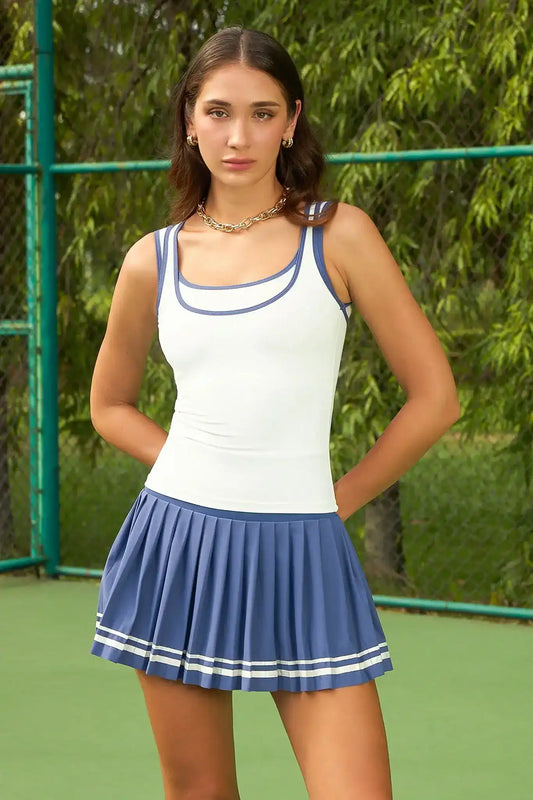
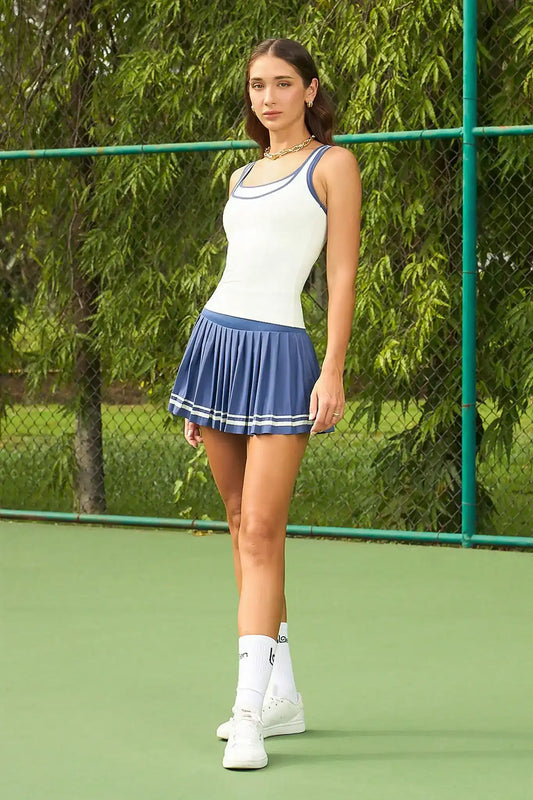
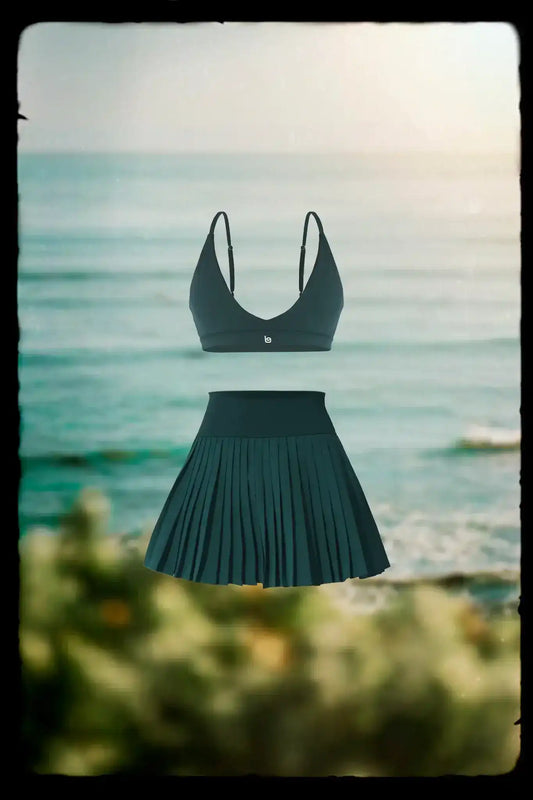
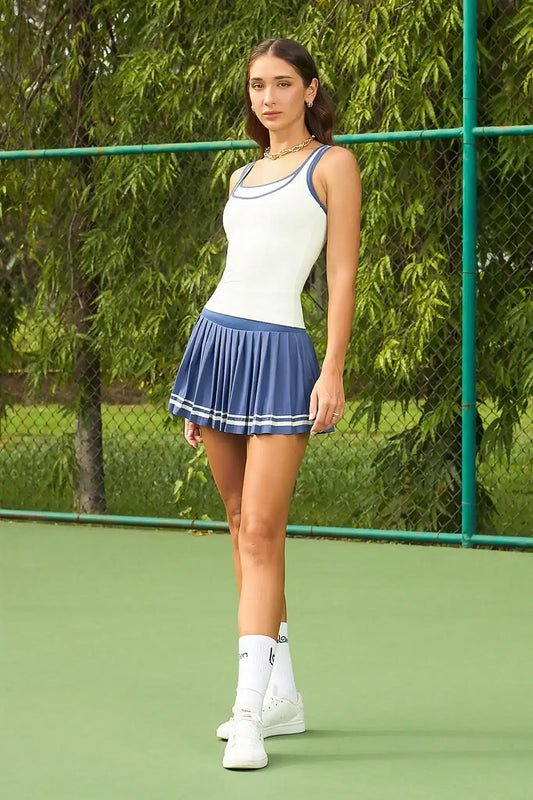
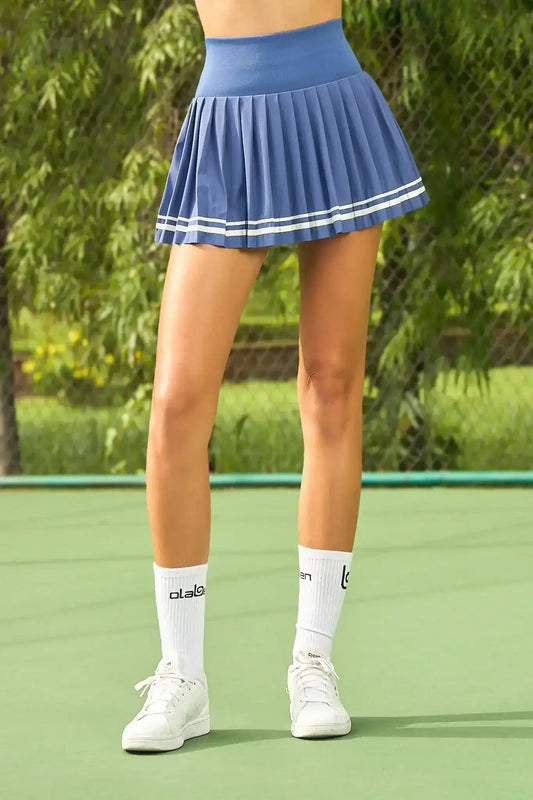
- Women’s Pickleball Clothes, including skirts and dresses designed for movement, help players stay light, agile, and comfortable during frequent lateral slides at the NVZ line. Built-in shorts, flexible fabrics, and proper fit make a real difference during extended dink rallies.
- Men’s Pickleball Clothes focus on unrestricted movement, moisture control, and durability, which are critical when transitioning from baseline drives to fast hands battles at the net.
On the support side, practical accessories often used by advanced players include:
- Compression knee sleeves for stability during quick stops, lunges, and resets
- Elbow or arm sleeves for players who dink and block aggressively
- Ankle or calf compression to reduce fatigue over long matches
None of these are shortcuts. They are tools that help you train longer, recover better, and stay consistent as you refine advanced pickleball techniques.
Focus on smart movement, disciplined shot selection, and wearing gear that lets your body do its job without distraction. When technique and comfort align, your improvement becomes far more sustainable and repeatable on the court.