Choosing the right outfit for tennis is more than just a style decision, it directly affects your performance, comfort, safety, and confidence on court. Whether you’re playing a casual match at a public park, training at a private tennis club, or competing in a professional tournament, understanding what to wear to play tennis helps you move freely, stay cool, and respect venue-specific dress codes.
This complete guide breaks down tennis dress codes, clothing recommendations for men and women, best fabrics, and essential accessories, so you can step onto the court fully prepared.
Why Is There a Dress Code for Tennis?
The tradition of a tennis dress code can be traced back to the late 19th and early 20th centuries, a time when tennis was considered a leisure activity reserved primarily for the upper class. During this period, the way players dressed was not only about practicality but also about social identity and status. White clothing became the standard because it was notoriously difficult to keep clean, signaling that the wearer had both the wealth and time to maintain such garments. In this sense, tennis attire functioned as a visible marker of privilege and refinement.
Beyond symbolism, white clothing also served important practical purposes on the court. Light-colored garments reflect sunlight rather than absorb it, helping players stay cooler during long matches played outdoors in warm weather. Additionally, white fabric was believed to hide sweat stains more effectively than darker or brightly colored clothing, preserving a clean and composed appearance even during intense physical exertion. These functional benefits reinforced white clothing as the dominant choice in traditional tennis environments.
As the sport evolved and became more accessible to a wider population, tennis apparel gradually shifted toward designs that emphasize performance, comfort, and freedom of movement. However, despite these advancements, many tennis clubs and professional tournaments continue to enforce dress codes. These rules exist to preserve the sport’s historical traditions, maintain a sense of professionalism and respect for the game, and ensure that players present a cohesive and non-distracting visual appearance on the court.

Tennis Dress Code Rules for Women
Women’s tennis attire has undergone a significant transformation over the years, evolving from restrictive traditions to a modern focus on comfort, mobility, and athletic performance. While elements of classic tennis style still influence certain venues, today’s dress codes are far more flexible and inclusive, allowing female players to choose clothing that supports movement and personal expression without compromising functionality.
Do Women Have to Wear Skirts in Tennis?
Historically, women played tennis wearing long dresses, layered fabrics, and tight corsets, which severely limited movement and made athletic performance challenging. Fortunately, modern tennis has moved well beyond these constraints. Most women are no longer required to wear skirts, particularly at recreational, club, and even professional levels. The emphasis has shifted toward clothing that enables agility, speed, and endurance on the court.
Governing bodies such as the Women’s Tennis Association (WTA) have officially updated their regulations to reflect this shift. Today, female players are permitted to wear leggings, bike shorts, or athletic shorts without a skirt overlay, giving them greater freedom to choose what feels most comfortable and practical. This evolution highlights a broader change in tennis culture, where performance and player well-being now take priority over outdated dress traditions.

Women’s Tennis Dress Codes by Level of Play
The expectations for women’s tennis attire can vary depending on where and how the game is played. In casual settings and public courts, there are typically no strict dress requirements. Players often select tank tops, sleeveless or uncollared athletic shirts, along with leggings or shorts, dressing primarily for comfort, weather conditions, and personal style.
At private tennis clubs, dress codes tend to be more traditional and formal. These venues often expect players to wear collared shirts paired with tennis skirts or dresses, along with clean, well-maintained athletic attire. Clothing such as denim, graphic T-shirts, or cut-off shorts is usually discouraged or outright prohibited, as clubs aim to preserve a classic and polished court appearance.
In professional tournaments, including major events like the U.S. Open, attire must meet clearly defined standards. Outfits are expected to appear clean, professional, and appropriate for competitive tennis, aligning with long-established norms of the sport. Additionally, logos and branding must comply with specific size regulations set by tournament organizers, ensuring that commercial elements do not overshadow the competition itself.
Color Restrictions in Women’s Tennis Apparel
Color regulations in women’s tennis vary widely depending on the tournament. Wimbledon maintains the strictest dress code, requiring players to wear nearly all-white clothing, explicitly excluding off-white or cream shades. Only minimal color trim is permitted, and since 2022, players have been allowed to wear dark undershorts beneath skirts or dresses, a rule change designed to support comfort and inclusivity.
In contrast, tournaments such as the U.S. Open embrace a more modern and expressive approach to tennis fashion. Bright colors, bold patterns, and creative designs are widely accepted, reflecting the sport’s growing openness to individuality. High-profile examples, such as Naomi Osaka’s vibrant and fashion-forward outfits, demonstrate how contemporary tennis balances performance with self-expression while still respecting professional standards.
Together, these evolving dress codes reflect how women’s tennis has progressed toward a more athlete-centered, inclusive, and performance-driven future, while still honoring the sport’s rich traditions.

Tennis Dress Code Rules for Men
Men’s tennis attire has evolved dramatically from the early days of the sport, when players competed in long trousers, buttoned shirts, and restrictive fabrics that prioritized appearance over performance.
Do Men Have to Wear Polo Shirts?
The short answer is not always. While collared polo shirts remain a classic and widely accepted option in tennis, they are no longer universally required. Many clubs, leagues, and tournaments now permit crew-neck or V-neck athletic shirts, as long as they are specifically designed for tennis or athletic use. These modern tops are typically made from lightweight, moisture-wicking fabrics that enhance comfort and help regulate body temperature during intense play.
That said, expectations can vary significantly depending on the venue. Private clubs and formal tournaments may still require collared shirts, particularly during match play, while recreational settings are far more relaxed. For this reason, it is always important to check venue-specific dress code rules before stepping onto the court to avoid any issues.

General Clothing Guidelines for Men
In terms of sleeves, short-sleeved shirts are the most common choice, though sleeveless tops are also acceptable at many courts, especially in casual or training environments. When it comes to shorts, there are typically no strict regulations, but most male players prefer a 7–9 inch inseam, which offers an ideal balance between coverage, comfort, and freedom of movement during lunges, sprints, and quick directional changes.
For colder weather, tennis dress codes are generally flexible as long as mobility is not compromised. Thermal base layers, long-sleeved athletic tops, and lightweight jackets are usually permitted, particularly during warm-ups or outdoor matches in cooler conditions. The key requirement is that all layers allow unrestricted movement and maintain a professional appearance when applicable.
Casual vs. Club Play for Men
Dress expectations also differ between casual and formal playing environments. On public courts and recreational venues, men are typically free to wear T-shirts, athletic shorts, and standard tennis shoes, provided the footwear has non-marking soles to protect the court surface.
In contrast, private tennis clubs often enforce stricter dress codes to preserve tradition and uniformity. These settings usually require collared shirts, tennis-specific shorts, and proper tennis shoes. Clothing such as basketball shorts, sleeveless gym tops, graphic T-shirts, or denim is commonly prohibited, as it does not align with traditional tennis standards.
Overall, understanding men’s tennis dress codes helps players dress appropriately for any setting while prioritizing comfort, performance, and respect for the sport’s traditions.

Best Fabrics for Tennis Clothing
Selecting the right fabric is a critical factor in tennis performance, particularly during long matches, intense training sessions, or play in hot and humid conditions. The fabric of your clothing directly affects how well your body can regulate temperature, manage sweat, and move freely across the court. High-performance tennis apparel is designed to keep players dry, comfortable, and focused from the first serve to match point.
- Among the most commonly used materials, polyester stands out for its lightweight construction, durability, and excellent moisture-wicking properties. Polyester fibers pull sweat away from the skin and allow it to evaporate quickly, helping players stay cool and preventing clothing from becoming heavy or clingy during play.
- Another essential material in tennis clothing is spandex (also known as Lycra), which is often blended with other fibers. Spandex provides superior stretch and elasticity, allowing garments to move naturally with the body. This flexibility is especially important in tennis, where quick sprints, lunges, overhead serves, and rotational movements demand unrestricted motion.
- Nylon is also widely used in tennis apparel due to its strength, breathability, and quick-drying nature. It offers a smooth feel against the skin while maintaining durability, making it suitable for garments that need to withstand frequent washing and repeated wear without losing shape or performance.
- While cotton is comfortable for casual wear, heavy cotton fabrics are best avoided in hot conditions. In cooler weather, however, tennis players can benefit from layering moisture-wicking base fabrics with lightweight insulating materials, allowing them to stay warm without sacrificing breathability or freedom of movement.
Ultimately, choosing the right fabric ensures better comfort, improved performance, and greater endurance on the court, regardless of playing conditions.
Essential Tennis Clothing Items
Proper tennis attire goes beyond appearance, it plays a vital role in mobility, comfort, injury prevention, and overall performance on the court. Tennis clothing and accessories are specifically designed to support the sport’s unique demands, including rapid lateral movement, frequent direction changes, and extended periods of physical exertion.
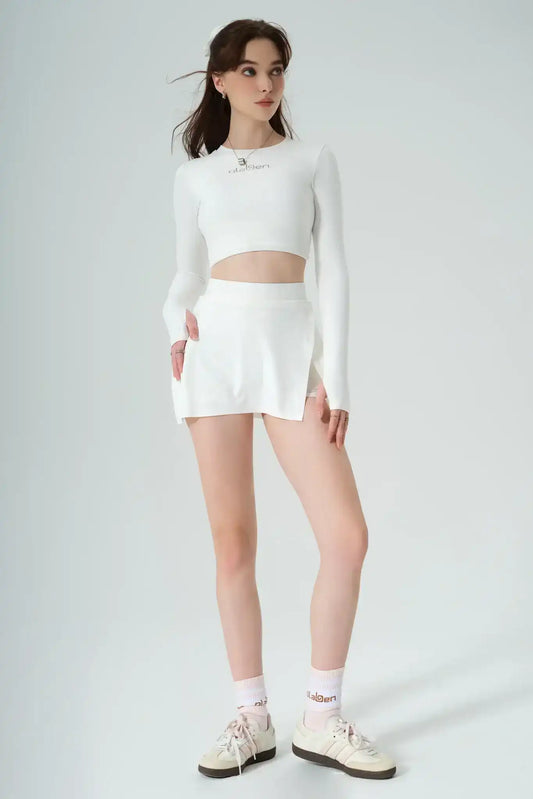
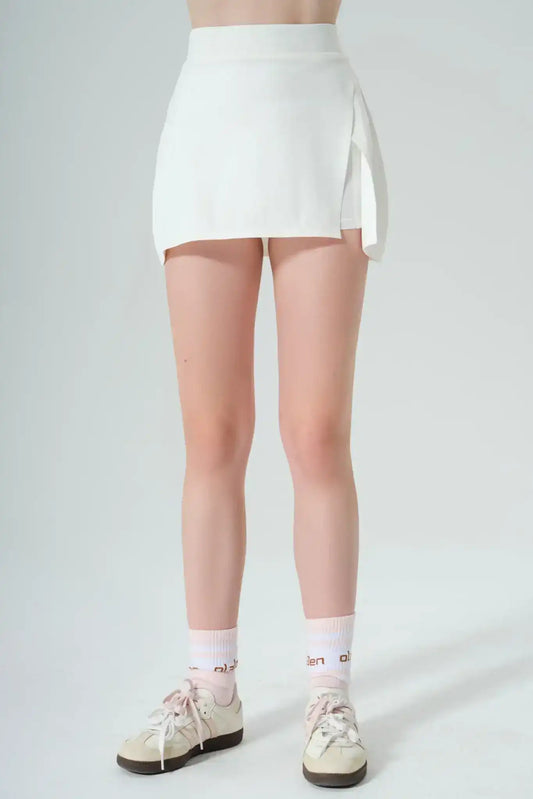
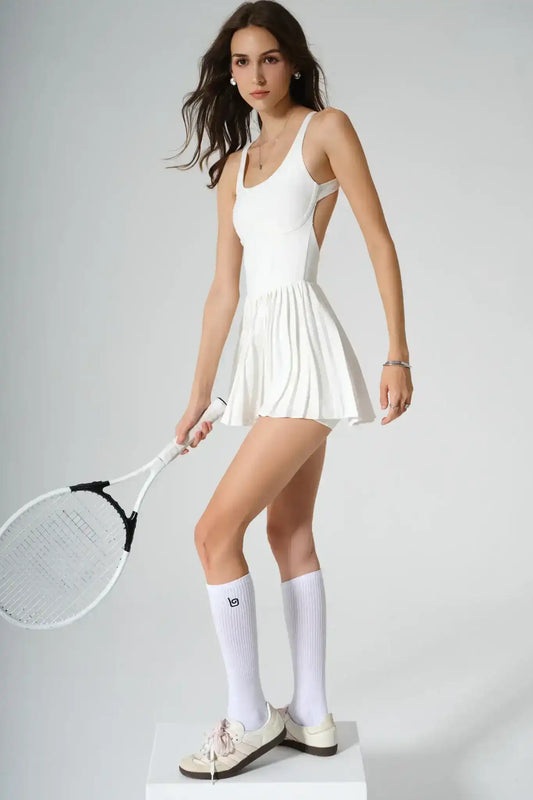
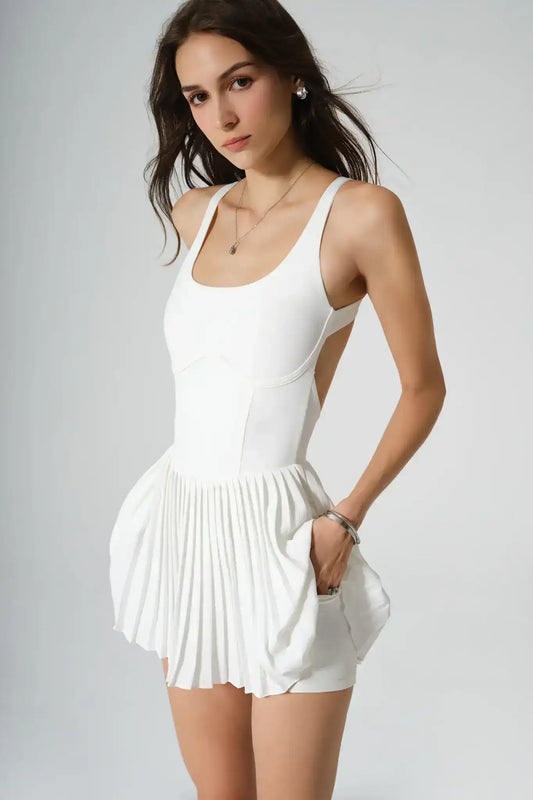
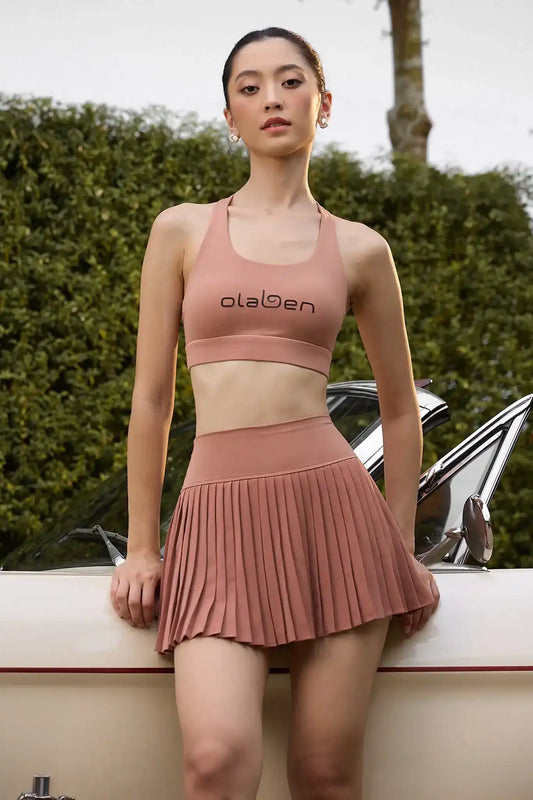
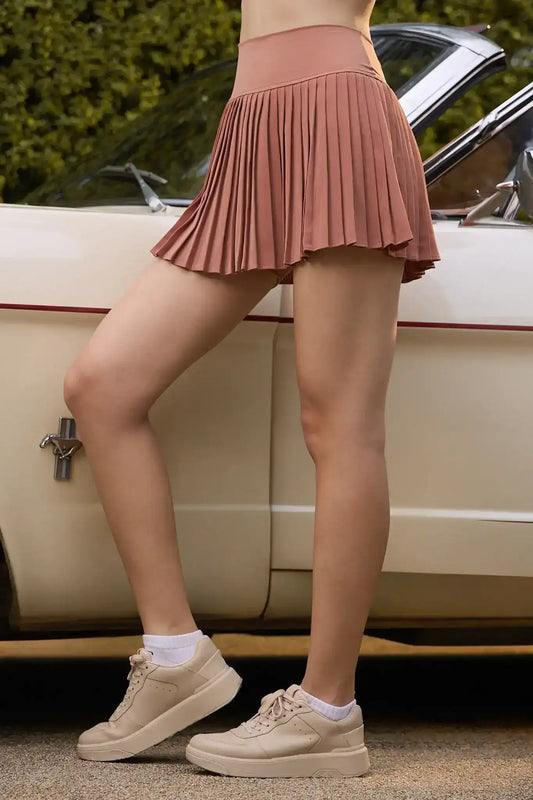
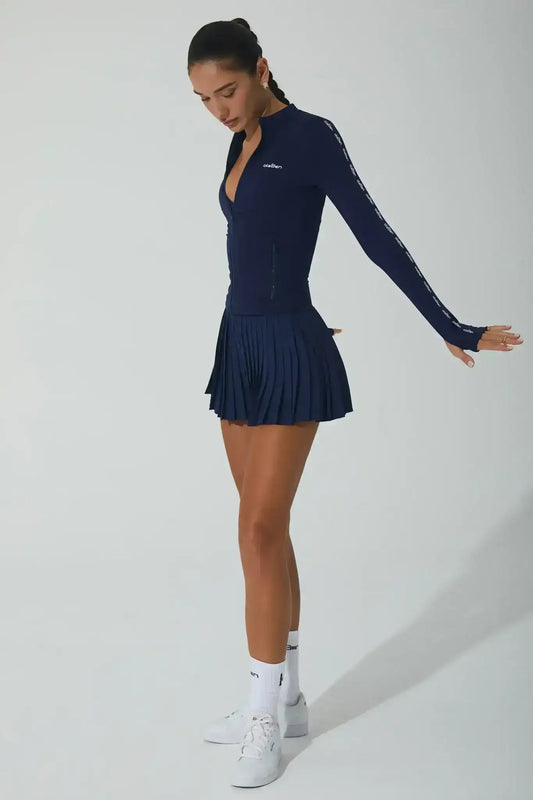
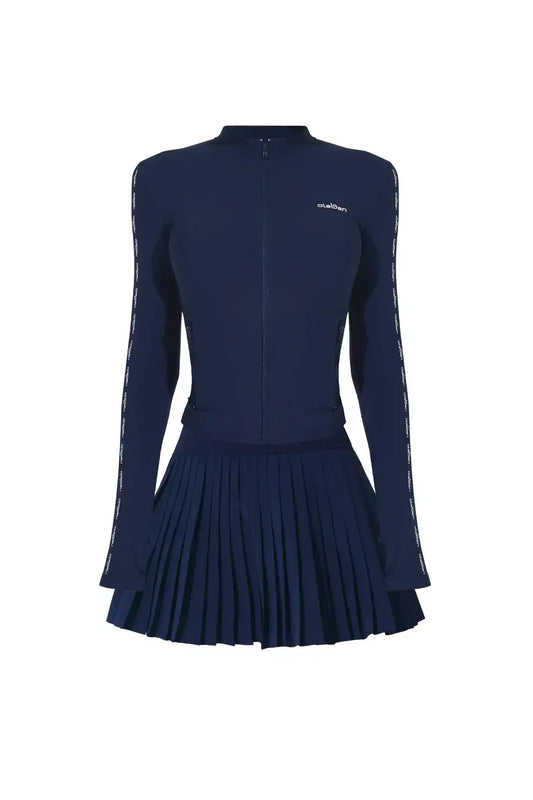
- Tennis skirts and dresses are specifically designed to support freedom of movement during rallies, serves, and quick directional changes. Tennis dresses have also gained popularity, especially in women’s tennis, as they combine performance, femininity, and ease of movement in one piece, typically with built-in compression shorts for added support and practicality.
- Tennis socks, though often overlooked, are essential for foot comfort and injury prevention. High-quality tennis socks are designed to be cushioned and moisture-wicking, reducing friction and helping to manage sweat during long matches.
- Tennis shoes are the most critical item. Wearing running shoes for tennis is strongly discouraged, as they lack lateral stability and significantly increase the risk of ankle and knee injuries.
In addition to clothing and footwear, performance-enhancing accessories play a crucial role, especially during outdoor tennis sessions where sun exposure and physical intensity are constant factors. Caps or visors help shield the face and eyes from direct sunlight while preventing sweat from running into the eyes, ensuring clear vision during rallies, while wristbands or headbands absorb excess moisture to improve racket grip and maintain focus.
Overall, investing in the right tennis clothing, shoes, and accessories ensures greater comfort, enhanced performance, and long-term physical protection, allowing players to perform at their best in any playing condition.

Final Takeaways: What to Wear to Play Tennis
When choosing what to wear for tennis, functionality and comfort should always come first. Investing in high-quality tennis shoes is essential, as they provide the stability, lateral support, and shock absorption needed for fast movements and sudden changes in direction, helping to enhance performance while reducing the risk of injury. Equally important is wearing breathable, flexible athletic clothing that allows unrestricted movement and helps regulate body temperature during long rallies. Modern tennis clothing for men and women from Olaben demonstrates how performance-focused materials can be seamlessly combined with clean, contemporary style for both training and match play.
Beyond comfort and performance, players should also consider dress codes and weather conditions before stepping onto the court. Private clubs and tournaments may enforce specific attire rules, while heat, sun, or cooler temperatures require thoughtful layering and protective accessories. Ultimately, tennis is a sport of movement, precision, and endurance, and the right outfit allows you to focus fully on your technique and strategy, not on adjusting your clothes during the match.