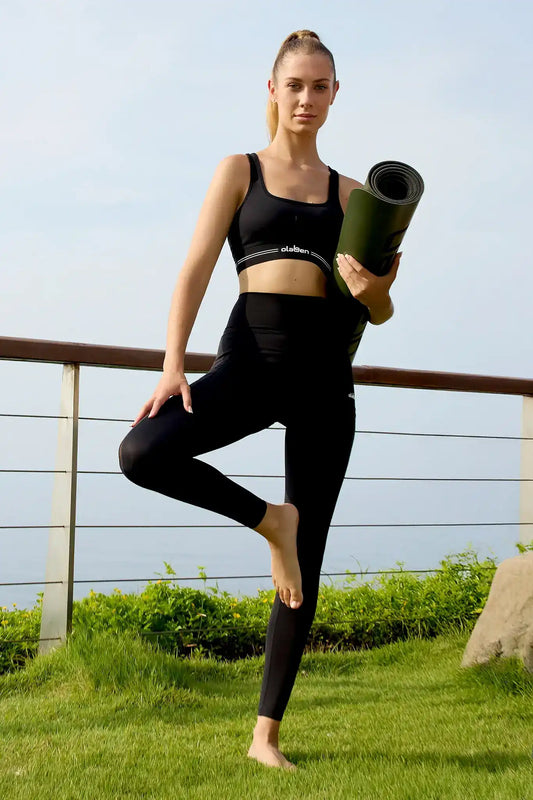
We are busier than ever and somehow more depleted for it. Slow living is the quiet pushback: a way of life that values being present over being constantly productive. It does not mean doing everything slowly or giving up your ambitions. It means doing fewer things with more attention. And of all the tools for slowing down, yoga is one of the most direct, because it trains your body and mind to do exactly that.

What Slow Living Actually Means
Slow living is a mindset and a set of habits built around intention, presence, and quality over quantity. It grew out of the “slow” movement that started with slow food and now touches how people eat, work, travel, and rest.
It is often misunderstood, so to be clear:
|
Slow living is |
Slow living is not |
|
Doing fewer things with full attention |
Being lazy or unproductive |
|
Choosing quality over quantity |
Doing literally everything slowly |
|
Being present in ordinary moments |
Rejecting technology or ambition |
|
Resting without guilt |
A luxury only for people with free time |
At its heart, slow living is about reclaiming your attention from a culture that constantly pulls it in every direction.
Why Slowing Down Is So Hard
Modern life keeps your nervous system in a low-level rush: notifications, deadlines, multitasking, the habit of filling every gap with a screen. Over time this rush feels normal, and genuine stillness can even feel uncomfortable. This is exactly where a body-based practice helps, because you cannot simply think your way calm. You have to teach the body. Our guide to a digital detox with yoga goes deeper on unplugging.
How Yoga Trains You to Slow Down
Yoga is slow living rehearsed on a mat. Every part of the practice teaches a skill you can carry into daily life:
- Breath teaches pace. Lengthening the exhale shifts you out of rush and into rest. The breath is the one tool you always have. See what pranayama is and this calming breathing technique.
- Holding a pose teaches patience. Staying with a shape past the urge to move builds your tolerance for stillness.
- Slow styles teach you to feel, not rush. Yin and restorative yoga are slow living in physical form: long, quiet, unhurried.
- Mindful movement teaches presence. When you focus on one sensation, the mental noise softens, which is the core skill slow living asks for. See mindfulness.

A Slow Living Practice You Can Start This Week
You do not overhaul your life. You add small, intentional pauses. Try one or two of these:
|
Habit |
How to do it |
|
A slow morning |
Wake 20 minutes earlier for breath, stretching, or quiet, before any screen |
|
A single-task meal |
Eat one meal a day with no phone, tasting it fully |
|
A daily yoga pause |
Even 10 minutes of gentle movement, fully present |
|
A digital sunset |
Put screens away an hour before bed |
|
One unhurried walk |
Walk somewhere with no podcast and no goal, just noticing |
|
A weekly reset |
A slow, restorative session to close the week |
Pick one and let it become automatic before adding the next. Slow living is built slowly, on purpose.
Bring the Calm Into Your Space
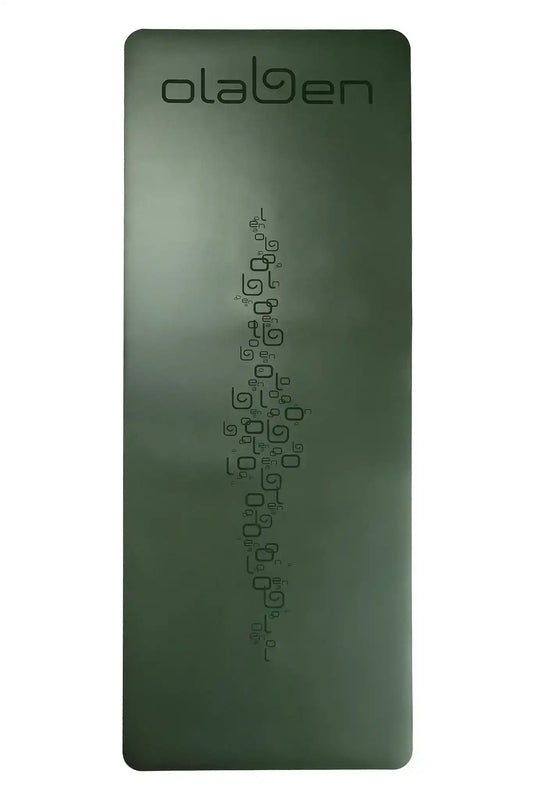
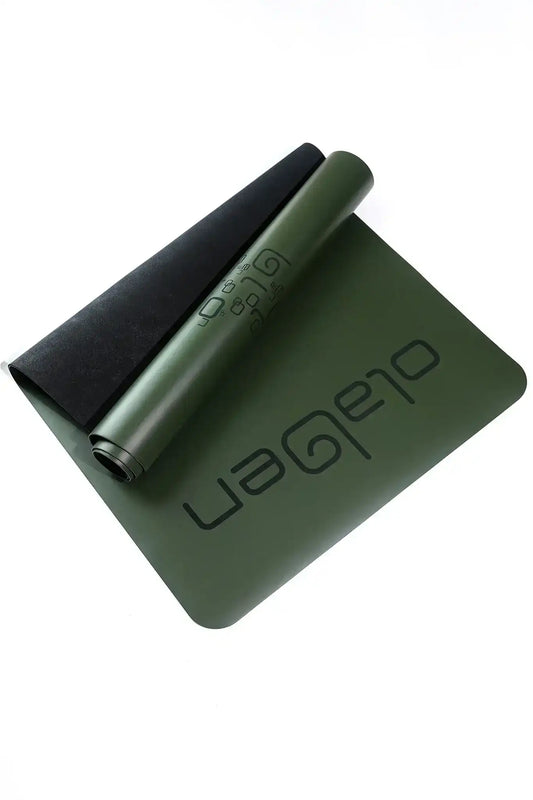
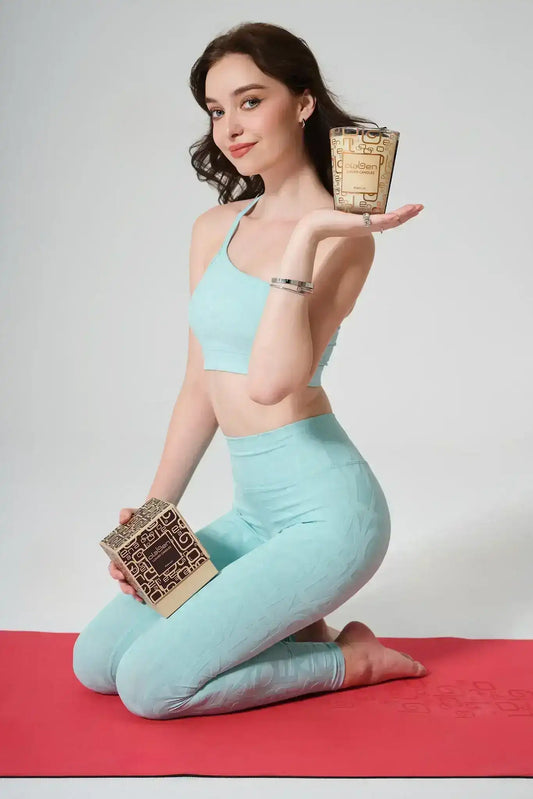
Your environment shapes your pace. A dedicated, uncluttered corner signals to your brain that it is time to slow down. A cushioned yoga mat you leave out as an invitation, a scented candle to mark the shift into stillness, and soft, comfortable activewear you can move and rest in all make slowing down easier. Quality over quantity applies here too: a few things you love beat a pile of things you tolerate.

Frequently Asked Questions
What is slow living in simple terms?
Slow living is a way of life that values presence and intention over constant busyness. It means doing fewer things with more attention, choosing quality over quantity, and resting without guilt. It is not laziness or doing everything slowly.
How does yoga support slow living?
Yoga trains the exact skills slow living asks for: slow breathing to shift out of rush, holding poses to build patience, and mindful movement to stay present. Slow styles like yin and restorative are slow living in physical form.
How do I start living more slowly?
Start with one small, intentional habit: a screen-free meal, a 10-minute daily yoga pause, a digital sunset before bed, or an unhurried walk. Let it become automatic before adding the next.
Is slow living realistic for busy people?
Yes. Slow living is not about having more free time, it is about giving full attention to the time you have. Even a few mindful minutes a day shift how rushed your life feels.
What kind of yoga is best for slow living?
Slow, gentle styles like yin, restorative, and slow hatha flow. They emphasize long holds, deep breathing, and stillness, which directly train a calmer, more present relationship with time.