Wall yoga is a gentle and effective way to practice yoga using the wall for support. It’s perfect for beginners and seniors, helping to improve balance, flexibility, and overall stability while reducing the risk of injury. By incorporating the wall, you can safely explore poses that might otherwise feel challenging, from standing balances to gentle backbends and inversions.
In this guide, Olaben will introduce 13 essential wall yoga poses that you can easily practice at home to strengthen your body, calm your mind, and build confidence on the mat. Whether you’re new to yoga or looking for a safe way to enhance your practice, these poses offer a supportive and accessible approach for all levels.
1. What Is Wall Yoga?
Wall yoga is a supportive approach to yoga that uses a wall as a prop to help you practice poses safely and effectively. With the wall’s support, you can focus on alignment, deepen relaxation in restorative poses, and explore new postures with confidence.
In practice, you might lean against the wall for balance in standing poses, or press your hands or feet into it to improve alignment and deepen stretches. For seniors, wall yoga makes challenging poses more accessible, like Shoulderstand (Sarvangasana) or the wall variation of Legs-Up-the-Wall (Viparita Karani), which improves circulation and relieves tension without straining the neck or shoulders.
2. Benefits of Wall Yoga
Wall yoga offers a wide range of benefits for beginners, seniors, and anyone looking for a safer, more supportive yoga practice.
- Improves Balance and Stability: The wall provides extra support in standing and balancing poses, helping you build confidence and strengthen stabilizing muscles without the risk of falling.
- Encourages Proper Alignment: By using the wall as a reference point, you can better understand how your body should be positioned in each pose, promoting correct posture and reducing the chance of strain or injury.
- Safely Enhances Mobility and Flexibility: With the added support, you can explore deeper stretches and more challenging movements gradually, improving flexibility and joint mobility while staying safe.
- Reduces Stress and Promotes Relaxation: Restorative poses against the wall allow your body and mind to fully relax, helping to release tension, calm the nervous system, and reduce everyday stress.
- Makes Inversions More Accessible: Wall-supported poses like Legs-Up-the-Wall (Viparita Karani) or modified shoulderstands make inversions possible for beginners and seniors, providing all the benefits of upside-down poses, improved circulation, spinal relief, and mental calm without unnecessary strain.
3. Top 13 Wall Yoga Poses
Standing & Balance Poses
Mountain Pose (Tadasana)
- Mountain pose starts in Downward-Facing Dog facing the wall.
- Turn around and stand with your back to the wall, feet hip-width apart and about an inch or two from the wall.
- Allow your glutes, shoulder blades, and the back of your head to lightly touch the wall for guidance, but don’t lean your weight into it.
- Reach the crown of your head toward the ceiling, relax your shoulders away from your ears, and let your arms hang naturally by your sides, palms facing away from the wall.
- Breathe deeply, feeling the support of the wall while maintaining an active, engaged posture. Focus on grounding through your feet and lengthening your spine.

Chair Pose (Utkatasana)
- The chair pose starts with standing about a foot away from the wall, facing away from it.
- Bend your knees and reach your tailbone back until your backside lightly touches the wall. Use the wall as a guide, but don’t lean your weight on it.
- Engage your core and lengthen your spine to create space in your lower back.
- Lean slightly forward and raise your hands up, parallel with your ears, coming into Chair Pose.
- Hold for 3–5 breaths, focusing on grounding through your feet and maintaining alignment while feeling the gentle support of the wall.

Warrior 3 Pose (Virabhadrasana III)
- Step 2–3 feet away from the wall, feet hip-width apart. Place a block outside each foot for support.
- Lengthen your spine and begin to lean forward, lifting your left leg straight back, creating one long line from head to lifted foot.
- Adjust your stance so the sole of your lifted foot can press fully against the wall, toes pointing down.
-
Reach your hands down to rest on the blocks for support.
- For an extra challenge, release one hand at a time from the blocks:
- Bring your hands into prayer position (Anjali Mudra) at your heart,
- Extend them out to the sides, parallel to the floor, or
- Reach them back toward your feet.
- Engage your core and focus on balance, using the wall as a gentle guide rather than support.

Wall-supported Tree Pose
- Stand parallel to the wall, with your side facing it for gentle support.
- Lift your outside foot and place it against the inner calf of your standing leg, avoiding the knee joint.
- Extend your arms overhead, using the wall lightly with one hand if you need extra stability. Keep your shoulders soft and relaxed.
- Focus on rooting down through your standing foot while lengthening through your spine.
- Breathe deeply for several breaths, feeling the balance and alignment, then switch sides.

Backbends & Openers
Cobra Pose (Bhujangasana)
- Begin in Chaturanga at the wall, then step forward until your toes gently touch the wall.
- Keep your hands at chest height, elbows bent and close to your sides.
- As you inhale, press your chest forward toward the wall while lifting your sternum up, allowing a gentle backbend to form.
- Gaze upward toward the ceiling, maintaining length through the back of your neck rather than collapsing into it.
- Hold for 3–5 slow breaths, using the wall to support proper alignment without forcing the pose.

Sphinx Pose (Salamba Bhujangasana)
- From Cobra Pose at the wall, slowly walk your hands upward and place your forearms against the wall, with your elbows slightly higher than your shoulders.
- Gently press your hips toward the wall as you lift your sternum, allowing your chest to open into a deeper, supported backbend.
- Keep your gaze lifted, lengthening through the back of your neck and maintaining a smooth, even curve along your spine.
- Hold for 3–5 breaths, focusing on steady breathing and spinal extension while using the wall for guidance and support.

Wall-supported Shoulder Opener
- Stand with your side body next to the wall and place one hand on the wall at shoulder height.
- Slowly rotate your torso away from the wall, allowing your chest to open and lift toward the ceiling.
- Keep your shoulders relaxed and your spine long as you deepen the stretch.
- Hold for several steady breaths, then switch sides and repeat.

Forward Bends & Twists
Pyramid Pose (Parsvottanasana)
- From Warrior 3, gently lower your right leg and step your right foot to the floor, placing your heel against the wall.
- Adjust your stance so your feet are about 2–3 feet apart, keeping both legs strong and grounded.
- Hinge forward at the hips, folding over your front leg while maintaining length in your spine.
- Place your fingertips on the floor or on blocks for support as you settle into Pyramid Pose.
- Hold for 3–5 slow breaths, focusing on steady balance and a gentle stretch through the legs.

Wall-supported Forward Fold
- Stand facing the wall and place your hands against it at shoulder height.
- Walk your feet back until your torso becomes parallel to the floor, creating a long line from hips to hands.
- Keep your hands pressing gently into the wall for support as you shift your hips back.
- Relax your head and neck, allowing your head to hang naturally between your arms.

Wall-supported Reclined Twist
- Begin in Legs-Up-the-Wall Pose, with your hips close to the wall and legs extended upward.
- Stretch your arms out wide at shoulder height, palms facing up to support the twist.
- Bend both knees and slowly lower them to the right side, allowing your knees and feet to stack comfortably. Beginners may place a pillow or folded blanket between the thighs for extra support.
- Let your shoulders soften as you settle into the twist.
- Hold for five breaths or longer, then return to center and repeat on the opposite side.

Floor & Inversion Poses
Legs-Up-the-Wall (Viparita Karani)
- Sit on the floor with your left side close to the wall, feet resting on the ground.
- Slowly lower your back onto the floor as you swing your legs up, placing the soles of your feet against the wall.
- Gently shimmy closer until your sit bones rest near the wall and your legs extend comfortably upward, stacked above your hips.
- Adjust your pelvis to a neutral position, avoiding any tilt forward or back.
- Soften your face, jaw, and neck, and rest your hands on your belly or by your sides.
- Relax fully, allowing your body to release tension while the wall supports your legs.
- Stay in the pose for 5–15 minutes, or as long as feels comfortable.
- To exit, draw your knees toward your chest, roll onto one side, and pause for a few breaths before slowly sitting up.

Wall-supported Butterfly
- Begin in Legs-Up-the-Wall Pose, with your hips close to the wall and legs supported.
- Stretch your arms out wide at shoulder height, allowing your chest to open.
- Draw your knees in toward your chest, then slowly let them open wide, with the outer edges of your legs resting toward the wall.
- Bring the soles of your feet together and gently slide your feet down the wall to a comfortable depth.
- Relax your inner thighs and hips as your knees soften toward the wall.
- Remain here for 10 slow, steady breaths, breathing in and out through your nose.

Wide-legged Straddle with Legs-Up-the-Wall
- Begin in Legs-Up-the-Wall Pose, with your hips close to the wall and legs supported.
- Slowly slide your feet apart, stopping when you feel a gentle stretch through the inner hips and thighs.
- Keep your legs long and active without locking the knees. If needed, maintain a soft bend and gradually work toward straighter legs as your body relaxes.
- As the stretch becomes more comfortable, continue widening your legs to deepen the pose.
- Hold for several slow breaths, allowing your hips and inner thighs to release with each exhale.

4. Tips for Practicing Wall Yoga
- Use the Wall for Stability: The wall is your best friend in wall yoga, especially in standing or balance-focused poses. Lean on it lightly when needed to maintain proper form, but focus on using it as a guide rather than a crutch. This will help you build confidence, strengthen stabilizing muscles, and safely explore new poses.
- Focus on Alignment, Not Depth: Wall yoga is about precision and awareness. It’s more important to feel the correct alignment in your spine, shoulders, hips, and legs than to push yourself into a deeper pose. Let the wall help you experience what proper posture feels like so you can gradually deepen your practice safely.
- Listen to Your Body: Your body knows its limits. Move slowly and mindfully, honoring any tightness or discomfort. If a pose feels too intense or causes pain, adjust, modify, or rest. Wall yoga is designed to be supportive, so always prioritize safety and comfort over performance.
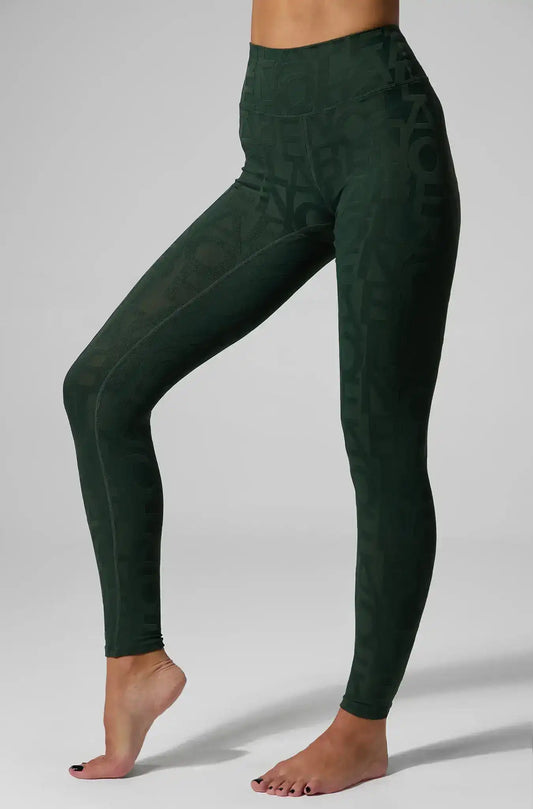
- Choose Comfortable Clothing and Supportive Props: Wear yoga outfits that allow full range of motion and breathability. Women tops like crop tops paired with bottoms like stretchy leggings are ideal. Proper clothing helps you move freely and maintain correct alignment throughout each pose.
Using the right yoga props and accessories can also enhance your practice: a non-slip yoga mat provides cushioning and grip, while yoga socks, headbands, or lightweight hats can add comfort during longer restorative poses. Blocks, straps, or cushions can further support flexibility and help you hold poses with ease.
By combining support from the wall, mindful alignment, listening to your body, and proper clothing and props, wall yoga becomes not only safe but also deeply restorative and enjoyable.
5. FAQs
Is wall yoga suitable for beginners?
Yes! Wall yoga is especially helpful for beginners because the wall provides extra support, making it easier to maintain balance and alignment. Using the wall allows new practitioners to safely explore poses that might otherwise feel challenging, helping build confidence and body awareness.
Can seniors benefit from wall yoga?
Absolutely. Seniors can greatly benefit from wall yoga, as the wall offers stability and reduces the risk of falls. It makes balance poses, gentle backbends, and restorative stretches more accessible, supporting flexibility, mobility, and relaxation without putting strain on the joints.
How often should I practice?
Even short daily sessions can be beneficial. Practicing 3–5 times a week is a great starting point, but you can adjust based on your schedule, energy, and body’s needs. Consistency is more important than intensity, and regular practice helps improve balance, posture, and overall well-being over time.
Conclusion
Wall yoga is a gentle yet powerful way to practice yoga with extra support, making it ideal for beginners, seniors, or anyone looking to improve balance, flexibility, and body awareness. By using the wall as a guide, you can safely explore a variety of poses, from standing balances to restorative stretches and gentle inversions while focusing on proper alignment and mindful movement.
With consistent practice, wall yoga can help build confidence on the mat, release tension, and enhance overall well-being. Whether you’re practicing a quick session at home or dedicating time to a full routine, these 13 essential wall yoga poses offer a safe, accessible, and enjoyable way to deepen your practice and connect with your body.