Pickleballs are designed with specific dimensions and technical specifications to ensure that matches are played according to official standards. From the diameter and weight to the bounce of the ball, each factor is clearly regulated. So, what is the standard size of a pickleball, and are there differences between indoor and outdoor balls? Let’s explore the details with Olaben in the article below.
Pickleball Ball Specifications According to International Standards
In professional pickleball competitions, the ball used must meet the technical standards established by USA Pickleball (formerly USAPA). These specifications ensure consistent ball movement and maintain fairness across matches. The three most important factors include diameter, weight, and bounce.
Ball Diameter
According to official regulations, the diameter of a pickleball ranges from 72.9 mm to 75.4 mm (equivalent to 2.874 – 2.972 inches). The maximum allowed variation in diameter must not exceed ±0.020 inches (about 0.51 mm).
In practice, this size may vary slightly depending on whether the ball is designed for indoor or outdoor courts.
Ball Weight
A standard pickleball typically weighs between 22.1 grams and 26.5 grams (equivalent to 0.78 – 0.935 ounces). This weight range helps the ball maintain stable flight while still providing good control for players during rallies.
Ball Bounce
Bounce is another important criterion used to evaluate the quality of a pickleball. When the ball is dropped from a height of 78 inches (about 198 cm) onto a hard surface, it must rebound to a height between 30 and 34 inches (approximately 76 – 86 cm).
Besides the size and physical characteristics of the ball, pickleball also includes many other technical regulations related to court dimensions, net height, proper paddle grip, scoring rules, and court zones. Together, these factors create a standardized playing environment and ensure fairness for all players.

Are Indoor and Outdoor Pickleball Ball Sizes Different?
Although indoor and outdoor pickleballs follow the same general standards, they differ in several design aspects to suit different playing environments. These differences include the number of holes, weight, material, flight speed, and control.
Below is a comparison table highlighting the key differences between indoor and outdoor pickleball balls:
|
Criteria |
Outdoor Pickleball Ball |
Indoor Pickleball Ball |
|
Playing environment |
Designed for outdoor courts where wind and weather conditions may affect play |
Suitable for indoor courts where there is no wind interference |
|
Number of holes |
About 40 small holes, evenly distributed to reduce wind impact |
About 26 larger holes, helping the ball move more smoothly in enclosed spaces |
|
Diameter |
About 7.36 – 7.55 cm |
About 7.3 – 7.36 cm |
|
Weight |
Heavier, around 25.5 – 26.51 g |
Lighter, around 22.11 – 24 g |
|
Material |
Usually made from harder plastic, providing durability and better impact resistance |
Typically made from softer plastic, offering a lighter feel and better control |
|
Speed and flight path |
Travels faster and more stable when hit with power |
Slower flight speed, suitable for more technical play |
|
Spin potential |
Generally lower spin generation |
Easier to generate spin and control ball movement |
|
Control |
Harder to control due to heavier weight and faster speed |
Easier to control, especially during net play |
|
Wind resistance |
Performs well in windy conditions thanks to the many small holes |
Not suitable for windy outdoor conditions |
|
Durability |
May wear out faster due to hard court surfaces and weather exposure |
Often lasts longer in the protected indoor environment |
|
Sound when hit |
Produces a louder, sharper sound |
Quieter and softer sound |
|
Common colors |
Usually yellow or orange for better visibility outdoors |
Often yellow, white, or green for better indoor visibility |
Overall, while both ball types follow similar size standards, their design and performance characteristics are optimized for different playing environments. Choosing the right type of ball can significantly improve both game quality and player experience.
Structure and Design of a Pickleball Ball
A pickleball ball is designed with multiple small holes evenly distributed across its surface. This structure helps the ball move more steadily through the air while allowing players to better control shot direction and perform techniques such as slice shots and spin.
In terms of construction, the outer shell of the ball is typically made from durable plastic or composite materials that can withstand repeated impact during gameplay. The inside of the ball is hollow and filled with air, which helps maintain consistent elasticity and bounce. The combination of the outer shell and internal structure ensures that the ball is neither too hard nor too soft, providing a balanced hitting feel for players.
Suitable Pickleball Apparel and Equipment for Players
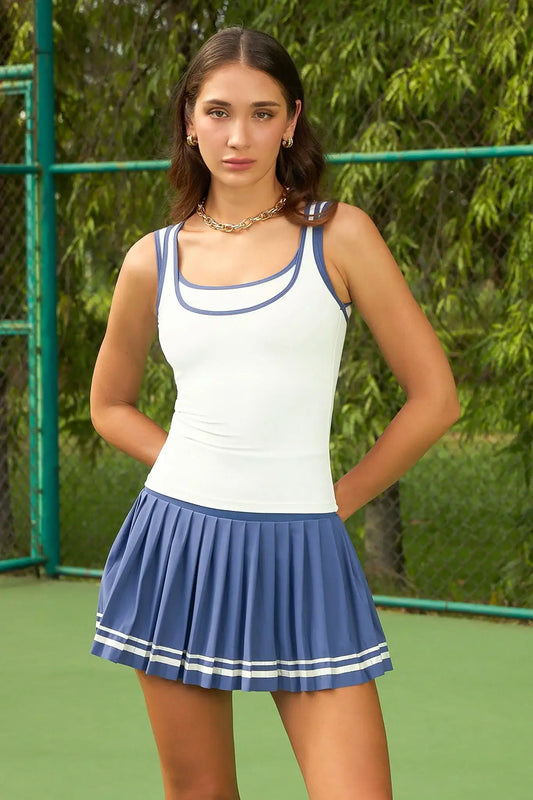
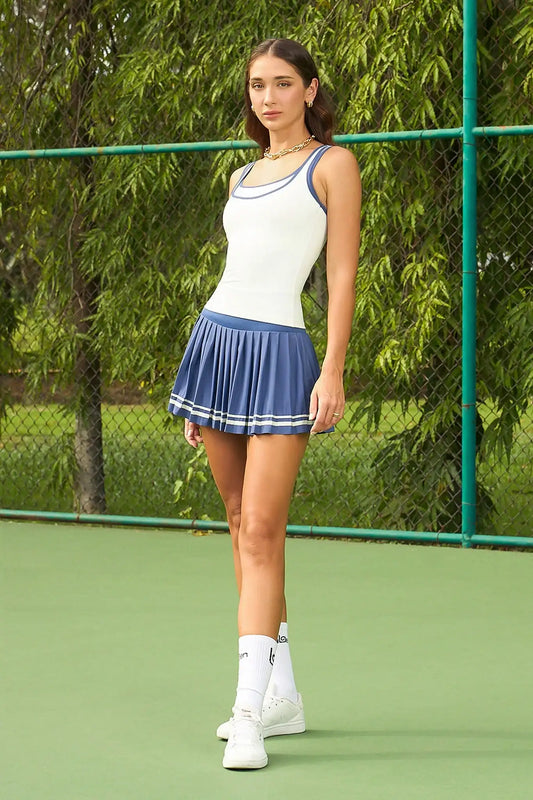
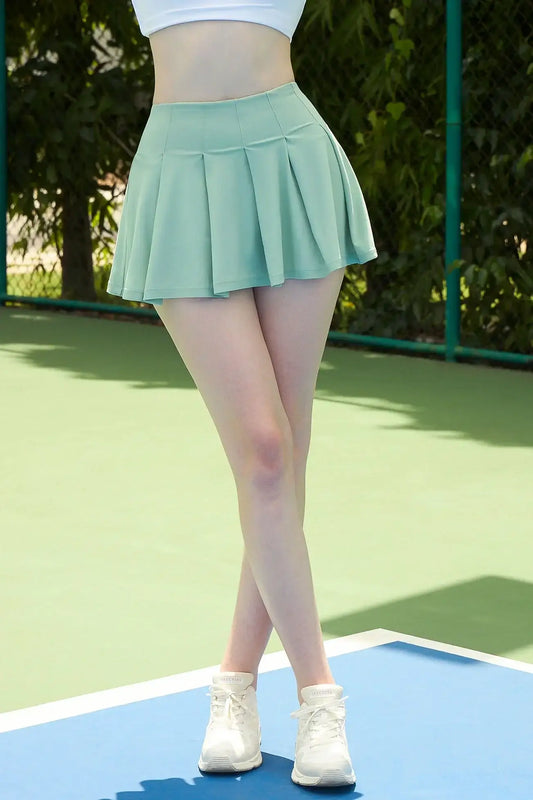
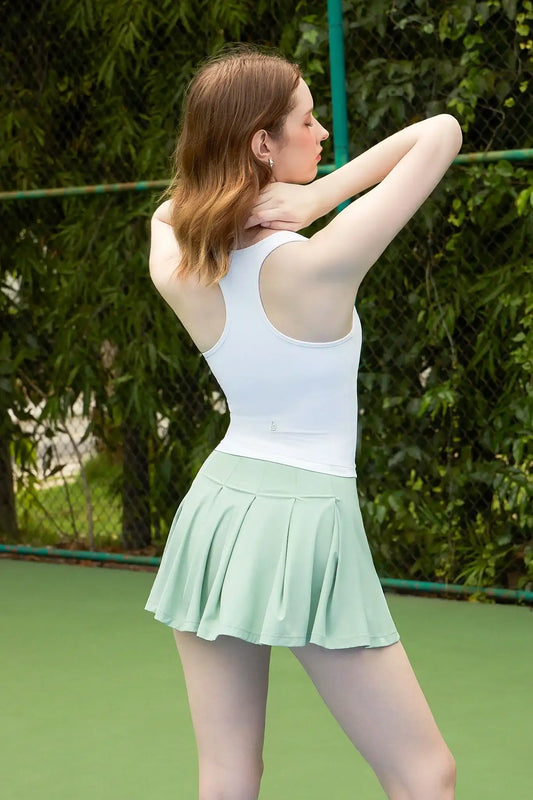
When playing pickleball, in addition to choosing a ball that meets official standards, players should also pay attention to appropriate pickleball apparel and equipment to ensure comfort and mobility on the court. Sportswear made from lightweight, stretchable, and moisture-wicking fabrics allows players to move more freely throughout a match.
For women, popular choices often include sports skirts, athletic shorts, or pickleball dresses, which help improve comfort while performing quick movements on the court. In addition, short-sleeve sports tops or tank tops made from breathable materials are commonly preferred to keep the body cool and dry during play. Modern sportswear designs from Olaben have also become popular among pickleball players thanks to their dynamic style and materials suited for high-intensity physical activities.
Besides apparel, selecting the right pickleball equipment is equally important. In particular, a well-balanced pickleball paddle with suitable weight, a stable paddle face, and a secure grip can help players control the ball more effectively while also generating stronger shots during attacking plays.

Frequently Asked Questions About Pickleball Ball Size
Why Is Pickleball Ball Size Important?
The size of a pickleball ball directly affects its bounce, flight speed, and overall control during play. When balls are manufactured according to international standards, their trajectory and rebound after contacting the paddle or court surface become more consistent. This consistency helps ensure fairness between players and allows techniques such as smashes, volleys, and dinks to be executed more accurately.
Is a Pickleball Ball the Same as a Tennis Ball?
No. Although both are used in racket sports, pickleball balls and tennis balls are completely different in design. Pickleball balls are typically made from hard plastic with multiple small holes on the surface, while tennis balls are covered with a felt layer and have no holes. In addition, pickleball balls are smaller, lighter, and have a different bounce behavior compared to tennis balls. For this reason, the two types of balls cannot be used interchangeably in official play.
Can Other Balls Be Used Instead of a Pickleball?
For casual practice, some players may temporarily use similar types of balls. However, to play with proper technique and achieve the best experience, it is recommended to use official standard pickleballs. Other balls, such as tennis balls or table tennis balls, have different sizes, weights, and bounce characteristics, which can significantly change the ball’s trajectory and hitting feel. This may lead to less accurate training or gameplay.
Conclusion
The size of a pickleball ball is one of the key factors that ensures matches are played according to official standards and remain fair for all participants. International regulations require pickleball balls to meet specific specifications for diameter, weight, and bounce, which help create a stable flight path and precise hitting feel for players.
In addition, balls used indoors and outdoors have certain structural differences, including hole design and weight, to better suit their respective playing environments.
Besides choosing a ball that meets official standards, players should also pay attention to appropriate pickleball apparel and equipment, such as paddles, sportswear, and accessories. The combination of a standard-quality ball and suitable gear can help improve ball control, enhance performance, and provide a more comfortable pickleball experience on the court.