Frog Pose is a deep hip opener that stretches the inner thighs and groin. It looks simple but goes deep, so it needs patience and care, especially for the knees. Here is how to practice it safely and comfortably.
Quick answer: Frog Pose is a hip opener done on all fours, sliding your knees out wide with your inner ankles and shins on the floor, then easing your hips back toward your heels. It stretches the inner thighs, groin, and hips. Go slowly, pad your knees, and never push into pain, since this is an intense stretch.
Benefits of Frog Pose
- Opens the hips and inner thighs (the adductors).
- Releases groin tightness from sitting, running, or cycling.
- Improves hip mobility for squats and wide-legged poses.
- Calms the mind when held slowly with steady breathing.
Frog Pose pairs well with other hip work. See improve your flexibility with yoga.

How to Do Frog Pose, Step by Step
- Start on all fours, knees under hips, on a padded surface.
- Slide your knees apart slowly, a little at a time.
- Turn your feet out so the inner edges of your feet and shins rest on the floor, ankles in line with your knees.
- Lower onto your forearms if that feels available.
- Ease your hips back gently toward your heels, only as far as comfortable.
- Breathe slowly and hold for several breaths, letting the hips open over time.
- Come out slowly: slide the knees back together and rest.
Move in and out of the pose slowly. The stretch deepens with time, not with force.
Modifications for Tight Hips
- Pad the knees: fold your mat or add a blanket under the knees.
- Stay high: keep your hands under your shoulders instead of lowering to forearms.
- Narrow the knees: take them only slightly wider than your hips.
- Half Frog: extend one leg to the side at a time for a gentler version.
Blocks and a cushioned mat make hip openers far more comfortable. See how to use yoga blocks.

Common Mistakes (and Fixes)
- Going too wide too fast: widen the knees gradually over several breaths.
- Ankles behind the knees: keep ankles in line with the knees to protect them.
- Bearing down on the knees: pad them well and keep weight even.
- Pushing into pain: back off to a comfortable stretch and breathe.
Who Should Take Care
Be cautious with Frog Pose if you have knee, hip, or groin injuries. The knees are vulnerable here, so pad them and keep the ankle-knee line. Pregnant practitioners should check with a professional. If you are recovering, see yoga for injury prevention and recovery.

Tips for a Better Frog Pose
- Warm up the hips first with lunges and gentle stretches.
- Use your breath: let the hips sink a little more on each exhale.
- Come out and rest, then return, rather than forcing a long hold.

Frequently Asked Questions
What is Frog Pose good for?
It opens the hips and inner thighs, releases groin tightness, and improves hip mobility for squats and wide-legged poses.
Why does Frog Pose hurt my knees?
Usually the knees need more padding, or the ankles are out of line. Pad the knees well and keep your ankles in line with your knees.
How do beginners do Frog Pose?
Pad the knees, stay up on your hands, and take the knees only slightly wider than your hips. Try Half Frog with one leg out to the side.
How long should I hold Frog Pose?
Start with a few slow breaths and build up gradually. Come out if you feel any sharp sensation.
Final Thoughts
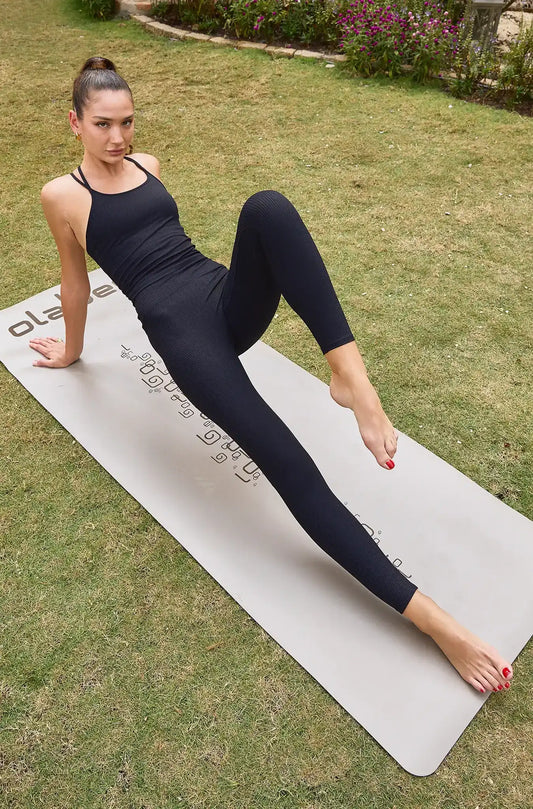
Frog Pose is one of the best deep hip openers, but it rewards patience over force. Pad your knees, widen slowly, and let each exhale ease you a little deeper. Practice on a cushioned Olaben yoga mat for comfort.