Yoga props elevate a practice from simple movement to an artful, embodied experience. Far beyond basic accessories, they serve as refined tools that support alignment, enhance comfort, and invite a deeper connection to each posture. Whether you’re seeking graceful precision, restorative softness, or a more mindful exploration of your body’s potential, the right props can transform your time on the mat into something truly elevated. In this guide, Olaben explores the essential yoga props to invest in and how to use them with intention and elegance.
Essential Yoga Props You May Need
The right yoga props offer more than support, they bring refinement, comfort, and a sense of intention to every movement. Thoughtfully chosen tools can elevate even the simplest practice, allowing you to explore postures with greater ease, precision, and confidence. Whether you’re enhancing alignment, deepening flexibility, or inviting more softness into your flow, these essential props create a foundation for a beautifully enriched yoga experience.
Yoga Blocks
What They Are
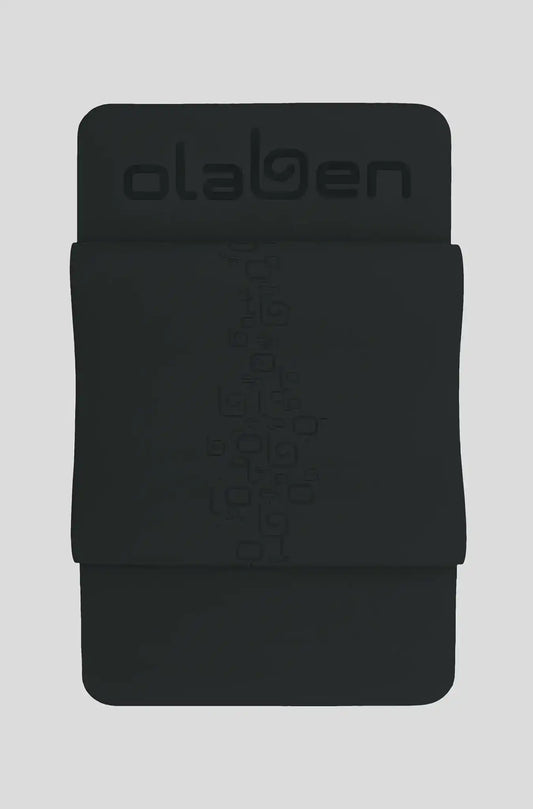
Yoga blocks are supportive tools designed to enhance stability, improve alignment, and make postures more accessible. Originally popularized by B.K.S. Iyengar to help practitioners find proper form, blocks now appear in nearly every yoga style.
They are typically lightweight and come in standard dimensions around 4 × 6 × 9 inches, though variations exist depending on the brand.

Common materials include:
- Cork: Firm, steady, naturally grippy
- Foam: Soft, lightweight, beginner-friendly
- Wood: Sturdy and durable with a classic feel
Regardless of the material, the purpose remains the same: to bring the ground closer to you, add lift, or provide structure where your body needs extra support.
When to Use Blocks
Use blocks anytime your body needs a little extension, elevation, or assistance in maintaining correct alignment. They are especially helpful when:
The floor feels too far away (e.g., in standing poses where hamstrings or hips need more time to open).
You want to stabilize balance, such as in one-legged poses.
You need extra lift or cushioning, for example under the hips or back in restorative postures.
You’re working on building strength safely, allowing your muscles to engage without collapsing into the joints.
Blocks can also reduce strain, especially in backbends or weight-bearing poses by elevating the hands and distributing pressure more evenly.
Pose to try:
Here are a few effective ways to practice with blocks:
- Triangle Pose (Trikonasana): Place a block beside your front foot and rest your bottom hand on it to lengthen your spine without compromising alignment.
- Warrior III (Virabhadrasana III): Use one or two blocks under your hands to improve balance and maintain a strong, level torso.
-
Bridge Pose (Setu Bandhasana): Slide a block under your sacrum for a supported variation that helps muscles release more deeply.
Yoga Mats
What They Are
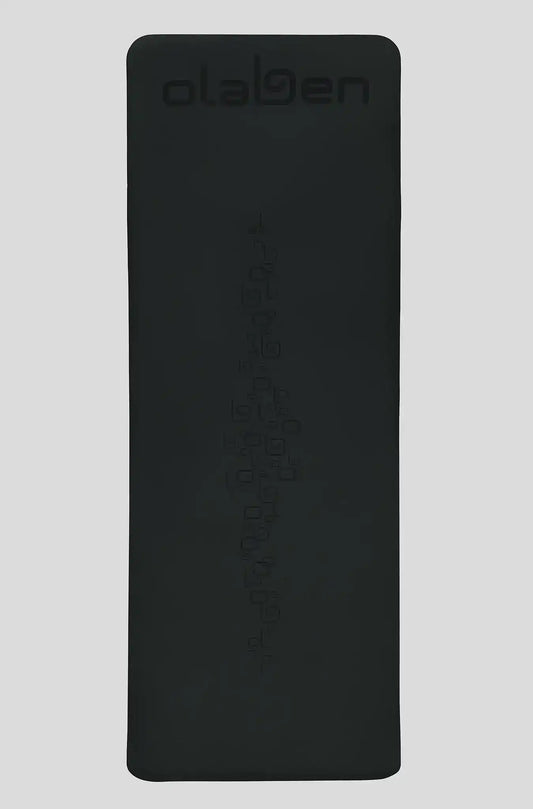
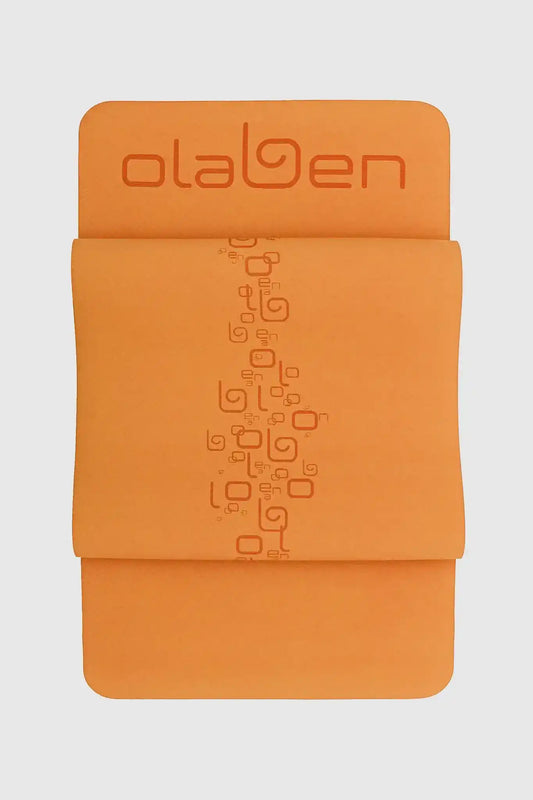
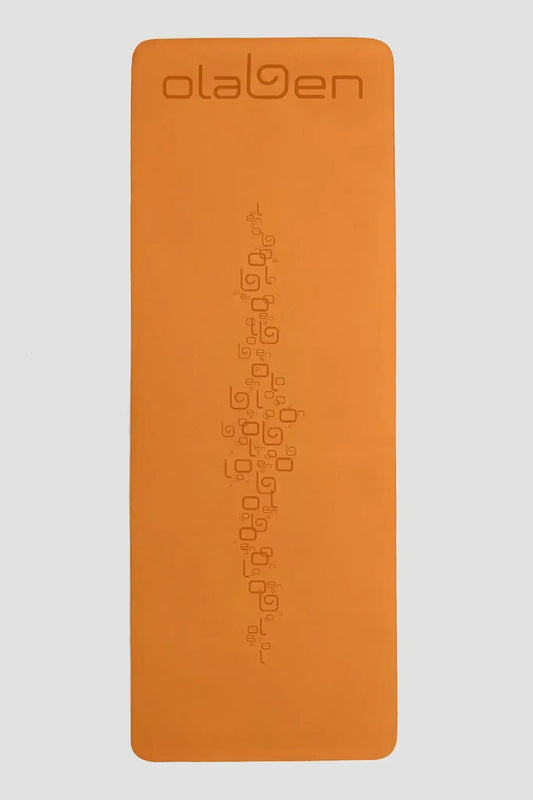
A yoga mat is the personal surface you practice on. It gives you traction so your hands and feet do not slip, and it adds just enough cushioning to protect your joints while still keeping you grounded. Mats vary in thickness, texture, and weight depending on your practice style and comfort level.

Most standard mats are about 68 to 72 inches long and around 24 inches wide. If you are tall or like more space, many brands offer longer versions.
Common materials include:
- PVC: Durable, strong grip, budget friendly
- TPE: Lightweight, non-toxic, beginner friendly
- Natural rubber: Eco conscious choice with excellent traction
- Cork: Naturally antimicrobial, great for sweaty sessions
- Jute: Firm and earthy with a more textured feel
No matter the material, the mat is your anchor. It marks your space, gives you confidence to hold poses longer, and absorbs pressure so your hands, knees, and spine stay comfortable.
When to Use a Yoga Mat
Use a mat anytime you want better traction, stability, and support. It is especially helpful when:
- Your floor is slippery or hard such as tile or wood.
- You practice poses with weight on your hands and knees.
- You sweat a lot and need something that keeps you steady.
- You want a clean, defined area that feels like your own small studio.
- You are working on balance and need a stable foundation beneath you.
A mat also brings consistency to your practice. Wherever you roll it out, it helps your body recognize familiar cues and settle into movement more easily.
Pose to try
- Downward Facing Dog (Adho Mukha Svanasana): Press your palms and feet firmly into the mat to lengthen your spine and strengthen your whole body.
- Low Lunge (Anjaneyasana): Cushion your back knee on the mat for comfort while you deepen your hip stretch.
- Child’s Pose (Balasana): Let your torso sink toward the mat for grounding and restorative rest between stronger sequences.
Straps
What They Are
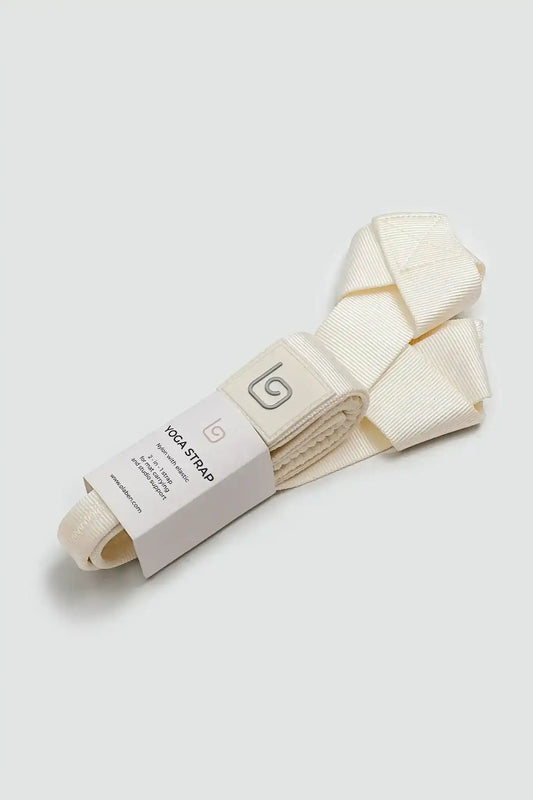
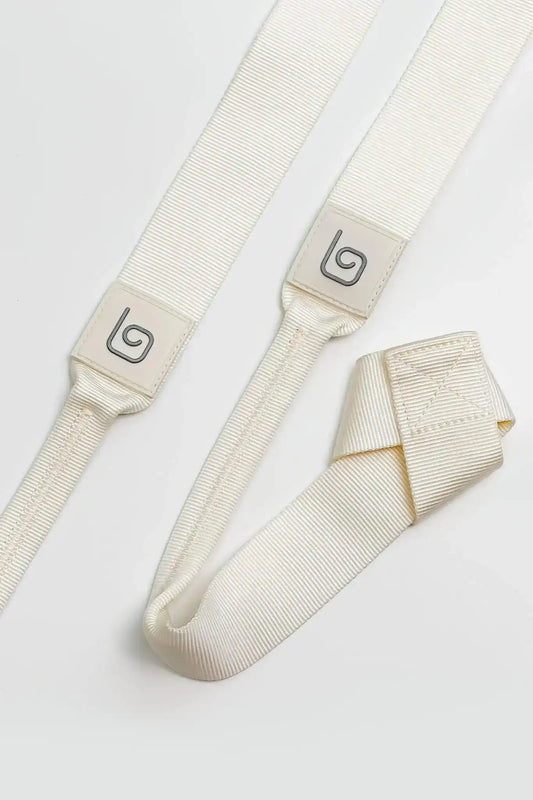
Yoga straps are long, durable bands, usually made from cotton or nylon, designed to extend your reach and support safe stretching. Available in multiple lengths and with different buckle types, straps allow practitioners to deepen flexibility work without rounding the spine or straining the joints. They act as an extension of your arms, helping you access poses that may otherwise feel out of reach.

When to Use Straps
Straps are especially helpful when dealing with tight hamstrings, shoulders, or quadriceps. Any time your hands can’t comfortably meet your feet or when binding your arms feels too intense, a strap provides the extra length needed to maintain proper alignment. They’re also excellent for controlled stretching, letting you enter poses gradually and safely.
Poses to Try
- Seated Forward Fold (Paschimottanasana): Loop the strap around the balls of your feet, holding one end in each hand. Use the strap to gently draw your torso forward while keeping your spine long instead of rounding.
- Cow Face Pose (Gomukhasana) – Arm Bind Modification: Hold opposite ends of the strap behind your back when the hands cannot meet. Over time, shorten the strap as flexibility improves.
- King Pigeon or Dancer Pose (Natarajasana) – Backbend Support: Place the strap around the lifted foot and hold the opposite end with your hands to guide the leg upward without overextending the back or shoulders.
Bolsters & Pillows
What They Are
Pillows and bolsters are soft, supportive cushions designed to bring comfort, lift, and ease into your yoga practice. Bolsters, typically firmer and more structured, are commonly used in restorative or yin sessions to help the body fully relax into long-held poses. Pillows, with their plush and gentle feel, are perfect for sitting, padding sensitive areas, or adding light support where a block might feel too rigid.

When to Use Them
Reach for pillows or bolsters anytime you want to soften a shape, reduce pressure on the joints, or create more space for your body to settle. Pillows offer gentle cushioning, while bolsters provide substantial, steady support when deeper release or elevation is needed. They can make grounding postures more accessible and turn restorative poses into deeply nourishing experiences.
Poses to Try
- Reclined Goddess Pose (Supta Baddha Konasana): Slide a bolster lengthwise under your spine to open the chest and support the back as you relax.
- Hero Pose or Pigeon Pose: Sit on a pillow or place one under the front-leg hip in Pigeon to relieve strain and maintain healthy alignment.
- Reclined Supine Twist: Rest your knees or legs on a stack of pillows to ease lower-back tension and support a gentle twist.
- Legs Up the Wall or Savasana: Elevate your hips on a bolster for deeper relaxation, or place pillows under the knees to release the lower back.
Blankets
What They Are
Yoga blankets are simple but incredibly versatile props. When folded, they provide gentle lift, padding, or warmth, making them useful in both active sequences and restful closing poses. A soft blanket can offer the perfect finishing touch to Savasana, helping your body relax more deeply.

When to Use a Blanket
Blankets can be incorporated into many parts of your practice to enhance comfort and alignment:
- Knee Support: Place a neatly folded blanket under the knee in poses like Low Lunge, Gate Pose, or Cat/Cow to reduce pressure on sensitive joints.
- Wrist Relief: Elevate the heels of your hands on a folded blanket keeping the fingertips slightly lower to lessen strain during poses such as Downward Dog, Upward Facing Dog, and other weight-bearing postures.
- Seat Cushioning: Sit on a blanket in Hero Pose or Child’s Pose if you need a softer, lower lift than a pillow or bolster provides.
- Final Relaxation: Use a cozy blanket to drape over your body during Savasana, adding warmth and grounding for a more restorative experience.
Poses to Try
- Low Lunge (Anjaneyasana): Place a folded blanket under the back knee to reduce pressure and maintain stability.
- Cat/Cow (Marjaryasana–Bitilasana): Cushion the knees with a blanket for added comfort during repetitive movement.
- Gate Pose (Parighasana): Slide a blanket under the kneeling leg to protect the joint and help you stay grounded.
- Downward Dog (Adho Mukha Svanasana): Elevate the wrists by placing a blanket under the heels of the hands to ease wrist tension.
- Hero Pose (Virasana): Sit on a folded blanket for a softer, lower lift that supports the knees and ankles.
- Child’s Pose (Balasana): Use a blanket under the torso or between the hips and heels for a more restorative version.
- Savasana: Drape a blanket over your body or place one under the head for warmth and full relaxation.
Yoga Wheel
What They Are
Yoga wheels are hollow circular props designed to support spinal movement, chest expansion, and deeper stretching. Made from durable plastic or wood with a cushioned outer layer, the wheel creates a gentle arc that naturally follows the curve of the back. Though relatively new in modern yoga, it has quickly become a favorite tool for enhancing backbends, improving mobility, and adding variety to practice.

When to Use
Use a yoga wheel anytime you want to safely explore backbends, intensify chest openers, or relieve tension along the spine. The wheel provides both lift and rolling support, making it helpful for:
- Beginners who want structured guidance into gentle backbends
- Practitioners working on increasing thoracic mobility
- Yogis seeking a deeper stretch than blocks or bolsters can offer
- Anyone needing a supported, accessible way to open the front body or release tight upper-back muscles
Always move slowly and keep the wheel stable to avoid slipping.
Poses to Try
- Supported Fish Pose (Matsyasana): Align the wheel with your spine and recline over it, allowing the chest to open as the wheel supports the mid and upper back.
- Wheel-Assisted Heart Opener: Sit with the wheel behind you and gently roll backward to stretch the shoulders and front body.
- Supported Backbend Roll: From seated, lean onto the wheel and let it glide smoothly up and down your spine to relieve tightness.
- Elevated Bridge Variation: Place the wheel under the sacrum for a higher lift that opens the hip flexors and supports passive relaxation.
Tennis Balls (or Massage Balls)
What They Are
Tennis balls are simple, affordable massage tools that can easily be incorporated into a yoga practice especially at home. Their soft yet firm texture makes them ideal for targeted pressure work, helping release knots and tension in areas like the back, hips, and feet. You can also experiment with different levels of intensity by swapping in firmer or smaller balls such as lacrosse balls, golf balls, or softballs.

When to Use
Use tennis balls when you want to relieve muscle tightness, enhance mobility, or prepare the body for deeper stretching. They work especially well in both active stretches and restorative postures by applying sustained pressure to tight muscles.
Tennis balls are helpful for:
- Pre-practice muscle warm-up to improve flexibility
- Trigger-point release in the shoulders, glutes, and back
- Foot massage to ease tension from standing or walking
- Slow, mindful self-massage during long, relaxing holds
You can hold still for several breaths to target a specific point or gently shift your weight to roll across broader areas.
Poses to Try
-
Seated Figure Four (Chair Variation): Sit tall in a chair, plant one foot on the floor, and cross the opposite ankle over the knee. Place a tennis ball beneath the glute of the crossed leg and use your body weight to apply pressure. Explore different points by moving the ball under various areas of the hip and glute. Finish with gentle “windshield wiper” leg movements to massage the outer hip.
- Mountain Pose (Tadasana) – Foot Massage Version: Stand evenly on both feet, then shift weight into one leg and place the other foot on a tennis ball. Start by pressing down through the ball, then slowly roll from the toes to the arch and toward the heel. Move side to side to release tight fascia. Repeat on the opposite foot.
- Reclined Back Release: Lie on your back and position one or two tennis balls beneath the shoulder blades or mid-back. Let your weight settle, then take slow breaths as the muscles gradually soften.
How to Choose the Right Props for You
For Beginners
Start with the essentials: a pair of blocks and a yoga strap. These two props make most foundational poses more accessible, help you maintain alignment, and offer support as your flexibility develops.
For Tight Shoulders or Hamstrings
A strap is a must-have. It provides the extra reach you need for forward folds, binds, and shoulder stretches without compromising your posture.
For Restorative or Yin Lovers
Invest in a bolster and one or two blankets. These props create soft, supportive shapes that help your body fully relax during long, restful holds.
For Backbend Enthusiasts
A yoga wheel is your best companion. Its curved structure assists you in safely deepening chest openers, improving spinal mobility, and exploring more advanced heart-opening poses.
The Benefits of Using Yoga Props
- Enhances flexibility and strength safely: Props allow longer holds, safe stretching, and deeper fascial release.
- Supports overall health: Yoga improves circulation, organ function, breath capacity, bone density, and can reduce chronic pain and inflammation.
- Improves stress resilience: Combined with meditation, yoga can enhance vagal tone, helping the body recover from stress faster.
- Breaks misconceptions: Using props is not “cheating” or a sign of weakness, they deepen the physical and mental yoga experience.
- Accessible for all body types: Props help adapt poses for individual needs (e.g., short arms, tight hips), making postures more achievable.
- Encourages mindful practice: Props can be used intentionally to explore new sensations, deepen postures, and enhance overall awareness.
- Inclusive approach: Teachers like Rodriguez and Foster promote an open mindset, emphasizing that yoga is personal and props support every level of practice.
Upgrade Your Yoga Practice with Premium Yoga Props from Olaben
Olaben is recognized as a premium Shop for Yoga Props, offering beautifully crafted, durable, and high-quality accessories for every level of yogi. From yoga mats and yoga blocks to straps, bolsters, travel essentials, and meditation tools, each piece is designed with comfort, balance, and aesthetics in mind.
Whether you're exploring deeper alignment in basic yoga poses like pyramid pose or crow pose, enhancing mobility with a yoga wheel, or simply seeking more comfort during chair yoga or restorative flows, Olaben provides tools that bring elegance and stability to every movement.