What Is Lat Pulldown? A Complete A–Z Guide to Proper Technique

Table of Contents

Lat Pulldown is one of the most popular “go-to” exercises at the gym, especially for those looking to build a wider back and achieve a V-shaped physique. However, not everyone performs it with the correct technique to maximize results and avoid injury. In this article, Olaben will help you understand what Lat Pulldown is, which muscle groups it targets, and provide a detailed step-by-step guide to performing it properly, from posture and pulling technique to common mistakes you should avoid.

What Is Lat Pulldown?

Lat Pulldown (also known as a cable pulldown) is one of the most classic strength-training exercises for the back, particularly the latissimus dorsi, the large muscles responsible for creating that sought-after V-shaped torso. This exercise is performed on a cable machine at the gym and belongs to the compound movement category, meaning it engages multiple muscle groups at the same time:

  • Primary target: Latissimus dorsi (lats)
  • Secondary muscles: Biceps, middle back, shoulders, and core

Unlike pull-ups, which require lifting your entire body weight, the Lat Pulldown allows you to adjust the resistance, making it ideal for beginners or those recovering from injuries.

What Is Lat Pulldown?

Why You Shouldn’t Neglect Your Lat Muscles

While many people focus on visible muscle groups like the chest, arms, or abs, the back muscles, especially the lats are often overlooked. This is a mistake that not only affects your physique but also has a direct impact on your overall health and long-term training performance.

A well-developed back offers several clear benefits:

  • Improves posture and reduces rounded shoulders: Helps you stand upright with confidence while reducing pressure on the spine.
  • Creates a defined V-shaped back: A wider, thicker back enhances overall body proportions and gives a more athletic look.
  • Protects the spine and reduces back pain risk: Back muscles act as a support system, distributing load and relieving stress on the lower back.
  • Enhances workout performance: Provides better support for exercises like deadlifts, rows, and pull-ups, allowing you to train heavier, more stably, and with a lower risk of injury.

How to Prepare for Lat Pulldown

  • Choose an appropriate weight: If you're a beginner, start light to properly feel your back muscles working instead of relying on your arms to pull.
  • Select the right attachment: Use a wide-grip bar to maximize lat engagement and increase range of motion.
  • Adjust your seated position: Sit firmly on the bench, place your thighs securely under the pad, and adjust it snugly to prevent your body from lifting during the movement.
  • Maintain a natural straight back: Avoid rounding or over-arching your spine. Keep your chest slightly up and shoulders relaxed to ensure proper form. 

How to Perform Lat Pulldown with Proper Technique

Step 1: Set Up Your Position

Sit firmly on the machine with your feet flat on the floor. Keep your back naturally straight, chest slightly up, and lean back about 20–30 degrees. This angle helps maximize lat activation instead of putting too much strain on your arms.

Step 2: Grip the Bar Correctly

Hold the bar with an overhand grip, with your hands placed wider than shoulder-width. Before pulling, actively depress your shoulder blades (scapular depression). This small but crucial step ensures the movement targets your back muscles rather than your arms.

Step 3: Execute the Pull

Pull the bar down using your back muscles while bending your elbows and bringing them toward your torso. Keep your wrists stable and avoid relying on your forearms. Exhale as you pull.

At the bottom of the movement, the bar should come close to your upper chest (or just below your chin), with your elbows pointing down alongside your body. Squeeze your shoulder blades together and hold for about one second to maximize muscle contraction.

Step 4: Control the Return

Inhale and slowly return the bar to the starting position in a controlled motion. Do not let the weight drop freely. Extend your arms almost fully to allow a complete stretch in the lats, this eccentric phase is essential for muscle growth.

Repeat the movement with a steady tempo, typically 3–4 sets of 8–12 reps to optimize both strength and muscle development.

6 Common Lat Pulldown Mistakes (And How to Fix Them)

Pulling with Your Arms Instead of Your Back

  • Consequence: When you rely on your biceps to pull the weight, your lats aren’t properly activated, reducing the effectiveness of the exercise.
  • Fix: Focus on driving your elbows down rather than pulling with your hands. Imagine “pulling your elbows toward your torso” to fully engage your back muscles.

Pulling the Bar Behind Your Neck

  • Consequence: This common mistake puts excessive stress on your neck and spine, increasing the risk of injury, especially with heavy weights.
  • Fix: Always pull the bar down in front of your chest (upper chest). This is both safer and more effective for targeting the lats.

Using Momentum or Pulling Too Fast

  • Consequence: Jerking the weight or using momentum reduces muscle control, limits contraction, and increases the risk of injury, particularly in the shoulders and back.
  • Fix: Maintain a slow, controlled tempo during both phases, pulling down (concentric) and releasing (eccentric). Focus on feeling your lats working in every rep.

Overarching Your Lower Back

  • Consequence: Excessive arching places unnecessary stress on the lower back, which can lead to discomfort or injury over time.
  • Fix: Keep a natural, neutral spine with only a slight backward lean. Engage your core to stabilize your body throughout the movement.

Pushing Your Head Forward While Pulling

  • Consequence: This creates tension in your neck and can lead to poor posture and discomfort over time.
  • Fix: Keep your head neutral, eyes facing forward, and avoid jutting your neck toward the bar during the pull.

Locking Your Shoulder Blades (No Movement)

  • Consequence: Restricting shoulder blade movement reduces your range of motion and limits both stretch and contraction of the lats, making the exercise less effective.
  • Fix: Allow your shoulder blades to move naturally, depress them as you pull down and let them rise as you return the weight. This ensures a full, effective range of motion.

3 Lat Pulldown Variations You Should Try

Wide-Grip Lat Pulldown

This is the most common variation that almost everyone starts with at the gym. You grip the bar wider than shoulder-width and pull it down toward your upper chest. This angle maximizes activation of the outer lats (latissimus dorsi), helping your back look wider and creating a clear V-shaped physique.

Additionally, the wide grip reduces excessive involvement of the biceps, forcing your back muscles to do more of the work. However, to get the best results, you need to control the movement properly, avoid using momentum or leaning too far back. This is a foundational exercise, suitable for both beginners and experienced lifters aiming to build back width.

Close-Grip Lat Pulldown

In this variation, you use a narrow grip attachment (typically a V-handle) with your hands closer than shoulder-width. As you pull down, your elbows stay close to your body, shifting more focus to the middle and lower back.

Compared to the wide-grip version, the close-grip pulldown doesn’t emphasize width as much, but it’s highly effective for building thickness and depth in your back. This is essential if you want a more defined and “dense” look, especially from the side or back view.

This variation also allows you to lift heavier weights due to a more stable range of motion and involvement of multiple muscle groups. It pairs perfectly with the wide-grip version for balanced back development.

Close-Grip Lat Pulldown

Underhand Grip Lat Pulldown (Reverse Grip)

In this variation, you hold the bar with an underhand grip (palms facing you). This changes the angle of pull, increasing biceps activation while still engaging the lats.

One major benefit of the underhand grip is a deeper range of motion, you can pull the bar lower than in other variations. This leads to a stronger contraction at the bottom of the movement, helping improve both strength and muscle connection.

It’s a great “2-in-1” option if you want to train your back while also developing your biceps. However, be mindful of your technique to avoid turning it into an arm-dominant exercise.

Pro Tip: To maximize results, combine all three variations in your training routine:

  • Wide-grip for building width
  • Close-grip for increasing thickness
  • Underhand grip for overall strength and biceps support

This combination will help you develop a balanced, well-defined, and stronger back over time.

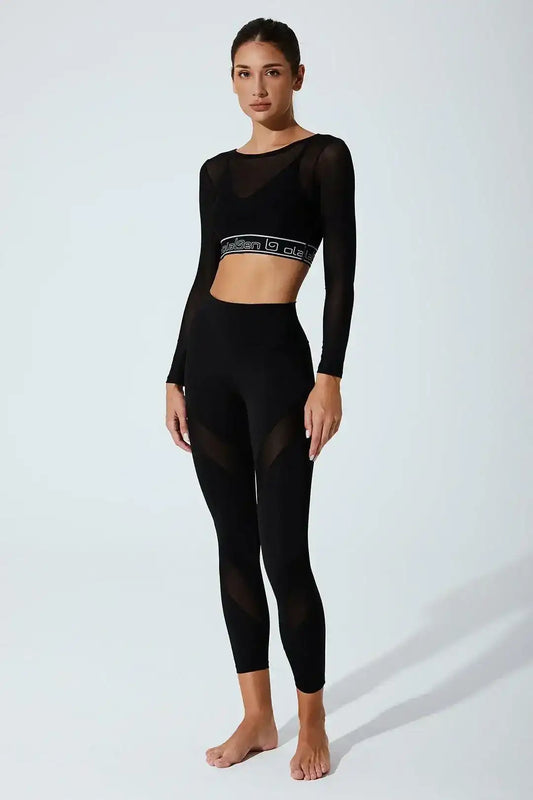
What to Wear for Lat Pulldown? Tips to Boost Your Workout Performance from Olaben

A high-quality workout doesn’t rely on proper technique alone, it also depends on what you wear to the gym. The right outfit helps you move more smoothly, maintain better form, and most importantly, feel more confident in every rep.

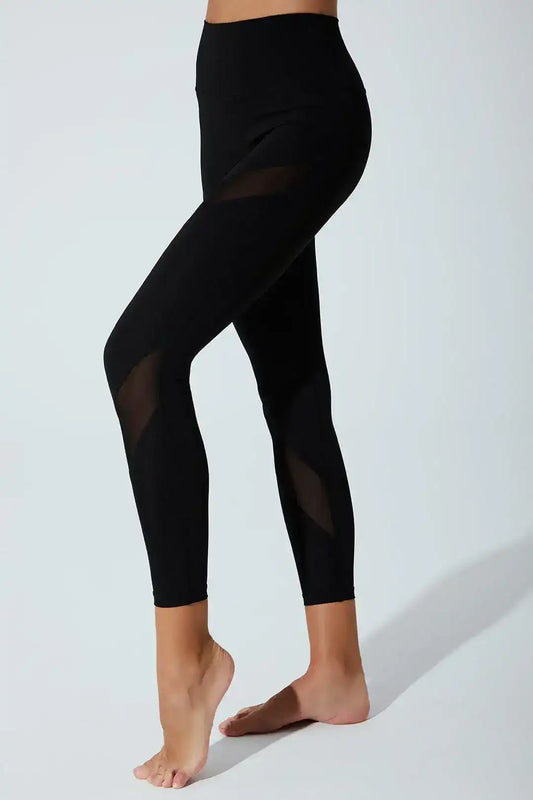
For exercises like Lat Pulldown, your shoulders and back need maximum freedom to achieve a full range of motion. That’s why you should prioritize clothing made from 4-way stretch, breathable fabrics that fit your body comfortably. If you’re looking for gym apparel that’s both stylish and performance-driven, Olaben is a great option, especially with its flexible and comfortable designs.

Workout Tops: Lightweight, Breathable & Non-Restrictive

  • Sports bras: Compact, breathable, and allow full freedom for shoulder and back movement, perfect for pulldown exercises or hot weather workouts.
  • Long-sleeve tops: Ideal for air-conditioned gyms, helping keep muscles warm and maintain performance during heavy lifts.
  • Short-sleeve shirts: Versatile and easy to wear, suitable for everything from Lat Pulldown to cardio sessions.

Workout Bottoms: Stability & Comfort in Every Movement

  • Leggings: Form-fitting and stay in place while seated on machines, allowing you to focus fully on your workout without constant adjustments.
  • Long training pants: A near “must-have” for machine-based exercises like Lat Pulldown, offering both comfort and coverage.

A well-chosen workout outfit doesn’t just improve performance, it also motivates you to return to the gym more consistently. If you want to upgrade your training experience, start with your outfit, you’ll notice the difference.

Frequently Asked Questions About Lat Pulldown

Can Lat Pulldown replace Pull-ups?

Mechanically, they are very similar. Lat Pulldown is better for beginners because you can adjust the weight, while pull-ups require more total-body strength. Ideally, you should include both in your routine.

How much weight should I use?

Choose a weight that allows you to perform 8–12 reps with proper form. If you have to swing or twist your body, the weight is too heavy.

Is Lat Pulldown good for women?

Absolutely. This exercise helps improve posture, reduce rounded shoulders, and create a toned, defined back, without making your physique bulky or “masculine.”

How often should I train it?

About 2 sessions per week is ideal for most people. Combine it with a protein-rich diet to support muscle recovery and growth.

Conclusion

Lat Pulldown is a foundational exercise you shouldn’t skip if you want to build a strong, V-shaped back. Whether you’re a beginner or experienced lifter, mastering proper technique makes a huge difference in both effectiveness and safety.

Remember: pull with your back, not your arms, move slowly and with control, and squeeze at the bottom of each rep. That’s the key to making every rep count. Combine proper training technique with the right workout outfit from Olaben and a protein-rich nutrition plan, and you’ll start seeing noticeable results in just a few weeks.

返回博客