Pilates has become one of the most popular forms of exercise due to its ability to strengthen the core, improve posture, and enhance flexibility, all while being gentle on the joints. However, for beginners, it can sometimes feel overwhelming: which type of class to choose, how to breathe correctly, how to maintain a neutral spine, or how to properly engage the core.
To help you start confidently and effectively, this guide compiles simple but essential Pilates tips for beginners, helping you understand the fundamentals and avoid the most common mistakes when stepping onto the mat for the first time. By mastering these basics, your Pilates journey will feel safer, smoother, and far more enjoyable.
1. Choose the Right Pilates Style - Match Your Goals
Pilates comes in many styles, and understanding them will help you select the most suitable practice for your body type and personal goals.
- Classical Pilates: Based on the original system developed in the 1900s, it follows a logical sequence of movements and often uses equipment such as the Reformer or Cadillac. Ideal for those who want to build discipline, control, and foundational core strength.
- Contemporary Pilates: Blends the classical foundation with modern anatomical knowledge. Movements are more fluid, flexible, and accessible, often incorporating mobility or recovery exercises. Perfect for those seeking a gentle yet effective way to improve posture and strength.
- Fitness-Oriented Pilates: Dynamic, modern variations such as Mat Pilates, advanced Reformer classes, Hot Pilates, Megaformer, Pilates combined with weights or cardio, or Rowformer. These classes are faster-paced, burn more calories, and feel like a full-body workout.
Pilates Tip: Identify your goal before choosing a class.
- Seek calm, control, and better posture: Classical or Contemporary.
- Want to tone quickly and burn calories: Fitness-focused classes like Advanced Reformer or weighted Mat Pilates.
For home practice, you can start with free, beginner-friendly instructional videos from reputable Pilates channels. The key is to choose a style that feels comfortable and motivates you to stay consistent.

2. Understand the Three Core Concepts: Neutral Spine - Core Engagement - Breathing
These are the foundation of every Pilates session. Mastering these ensures safer, more effective, and precise practice.
- Neutral Spine: The natural alignment of your spine when standing or lying comfortably: not overly arched nor flattened. Maintaining a neutral spine protects your lower back and provides stability for all movements.
- Core Engagement: Engaging the core isn’t about tensing your abs tightly, it’s a gentle inward draw, as if lifting the belly button toward the spine. The core should be “awakened,” not rigid or causing you to hold your breath.
-
Breathing in Pilates: Pilates uses a ribcage expansion technique rather than simple belly breathing:
- Inhale to expand the chest laterally
- Exhale gently to engage the core and stabilize the spine
This breathing improves flexibility, reduces tension, and helps you perform movements more accurately.
Pilates Tip: You don’t need to fully grasp all concepts immediately. Focus on following instructions and tuning into your body, correct sensations will develop naturally over time.
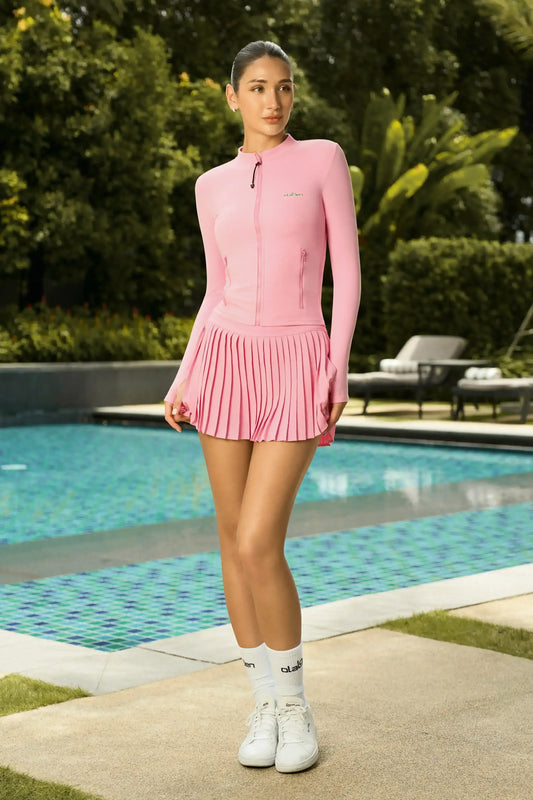
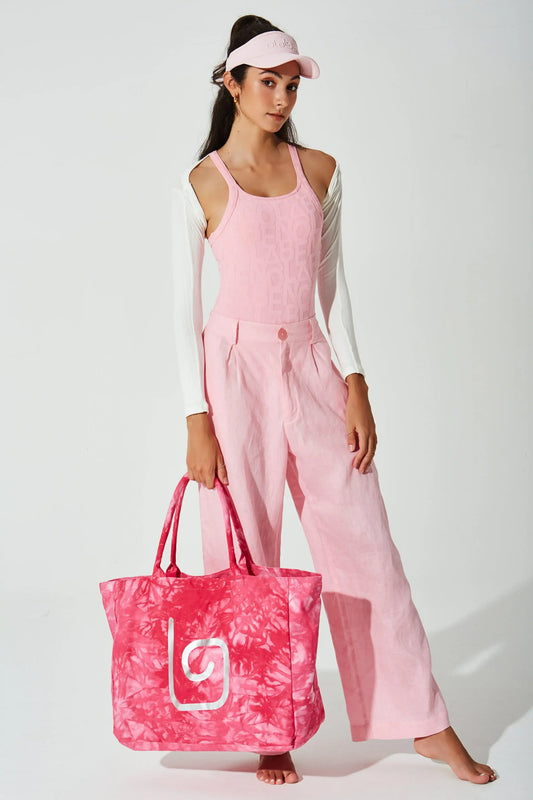
3. Wear the Right Clothing - Prioritize Comfort and Flexibility
Pilates involves continuous movement: twisting, rolling, bending, lifting. Proper clothing allows freedom of motion and supports effective practice.
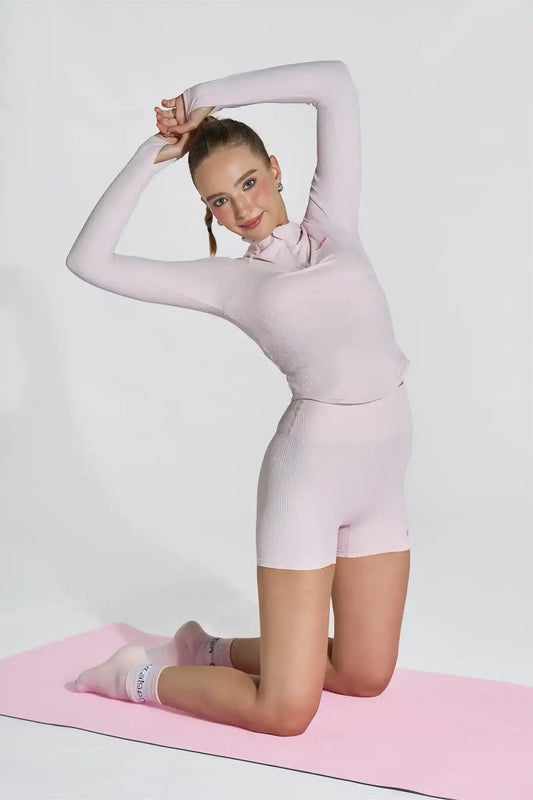
Ideal Pilates attire:
- Soft, stretchable leggings to move freely without slipping on the mat
- Fitted croptop or tanktop or tucked-in shirts to avoid interference during rolls or inverted positions
- Comfortable, supportive sports bras without excessive tightness
- Lightweight, breathable fabrics that allow full range of motion
- Grip socks for balance and hygiene in studios
- Hair tied back neatly with the headband
Pilates Tip: Comfort comes before style. When your body feels unrestricted, you can move smoothly, focus better, and avoid constantly adjusting your clothes during class.
>>> Read more: How to choose pilates clothes
4. Don’t Aim for Perfection - Pilates is a Practice, Not a Performance
Joseph Pilates originally called his method Contrology, emphasizing mindful, controlled movement rather than outward appearance. The goal is to move with awareness, focusing on:
- Breath control
- Proper body alignment
- Smooth, flowing transitions between exercises
Pilates Tip: Embrace mistakes as part of the learning process. Adjust, refine, and try again, this mindful approach is key to steady, lasting progress.

5. Start with a Beginner Class - No One Wins Points for “Skipping Levels”
Laying a solid foundation is the fastest route to steady progress. Beginner classes give you the tools to:
- Master proper form
- Build body awareness
- Understand the connection between breath, core, and alignment
- Minimize the risk of injury
Pilates Tip: Everyone starts somewhere. True progress comes from consistent, mindful practice, not rushing into advanced exercises before your body is ready.
6. Avoid Overexertion - Pilates is Not “No Pain, No Gain”
Even though Pilates is low-impact, it deeply engages your muscles, so feeling mild fatigue or slight shaking is normal. However, sharp pain, joint discomfort, or unusual back pain is a signal to stop.
Key guidelines:
- Muscle soreness (gentle, warm, or shaky): normal; your muscles are being activated.
- Joint pain or sharp, unusual discomfort: stop immediately, modify the exercise, or reduce intensity.
Pilates focuses on controlled, mindful movement rather than pushing your body to its limits. Practicing slowly and precisely leads to safer, more effective, and long-lasting results.
7. Practice with a Trainer to Correct Form - Especially Important for Beginners
When practicing at home, it’s easy to make small form mistakes without realizing it, which can reduce effectiveness and even lead to discomfort in the back, neck, or hips.
A trainer can:
- Correct your body alignment to ensure proper posture
- Guide your breathing for each movement
- Help you engage the right muscles and avoid compensations
- Reduce the risk of injury while supporting faster, safer progress
Even experienced practitioners benefit from periodic feedback, as minor misalignments can gradually affect performance and results over time.
8. Build a Balanced Routine and Lifestyle
Pilates delivers the best results when paired with a healthy, balanced lifestyle. Support your body by:
- Staying well-hydrated throughout the day
- Eating nutritious meals to fuel your muscles and aid recovery
- Incorporating light walking or moderate activity to boost stamina
- Prioritizing quality sleep to allow your body to repair and recharge
When your body is well-nourished and rested, you’ll feel the benefits of Pilates more deeply, enhancing strength, flexibility, and overall well-being.

9. Be Patient - Your Body Needs 6-8 Weeks to Learn Movements
Don’t expect immediate results. In the first one to two months, your focus is on:
- Learning to engage the right muscles
- Training your nervous system to send accurate signals to those muscles
- Adjusting posture and daily movement habits
As your body gradually “memorizes” the movements, you’ll start to notice tangible progress: a stronger core, improved posture, less discomfort, and smoother, more controlled motion.
10. Always Listen to Your Body and Embrace Guidance
Pilates is a personal journey, not a competition. Cultivating a mindful and attentive approach will help you progress safely and effectively.
- Be open to constructive feedback from your trainer, as their guidance ensures correct alignment, breathing, and muscle engagement.
- Modify or pause exercises whenever you feel discomfort, sharp pain, or unusual strain.
- Allow yourself rest when your body needs it—recovery is a vital part of improvement.
- Don’t hesitate to ask questions if a movement feels unclear or difficult to perform correctly.
Embracing these practices embodies the true Pilates mindset: gentle, conscious, and fully connected to your body, fostering long-term growth, awareness, and strength.
Conclusion
Pilates is a journey of inner strength, a practice that improves posture, breath, flexibility, and body awareness. Choosing the right style, practicing proper technique, and listening to your body will help you notice real changes day by day. The key is consistency: stepping onto the mat regularly is what brings lasting transformation.
To enhance your journey, explore the Evo By Olaben collection, combining elegant design, comfortable stretch fabrics, and high performance. With options suited for every Pilates style, you can feel confident, comfortable, and stylish with every movement.
Pilates transforms your body. Olaben is here to accompany you and help you shine on this journey.