Lagree and Pilates look alike from the doorway: springs, a sliding carriage, slow controlled moves. In the class itself they feel very different. Lagree is a high-intensity, low-impact strength workout done on a machine called the Megaformer, with almost no rest and a slow tempo that keeps your muscles working until they shake. Pilates is a method built on control, breath, and precise alignment, done on a mat or a reformer, and it is often used for posture, core strength, and rehab.
Short answer: choose Lagree if you want a hard, sweaty strength session in under an hour. Choose Pilates if you want technique, mobility, core control, and a gentler start. Many people do both.
Lagree vs Pilates at a glance
|
|
Lagree |
Pilates (reformer) |
|
Created by |
Sebastien Lagree, Los Angeles, 2001 |
Joseph Pilates, early 1900s |
|
Machine |
Megaformer (proprietary) |
Reformer, plus Cadillac, chair, barrel |
|
Pace |
Slow, continuous, minimal rest |
Controlled, with pauses to set up and breathe |
|
Main goal |
Muscle endurance and strength, time under tension |
Core control, alignment, mobility, posture |
|
Feels like |
Burning muscles, heavy sweat |
Focused, precise, steady effort |
|
Impact |
Low |
Low |
|
Good for beginners? |
Yes, but expect to be sore |
Yes, very beginner friendly |
|
Rehab use |
Not designed for it |
Widely used by physical therapists |

Where each method comes from
Pilates was developed by Joseph Pilates in the early 20th century. He called it Contrology, and built it around concentration, control, centering, precision, breath, and flow. His springs-and-pulleys equipment became the reformer used in studios today. Because the method is so controlled, physical therapists still use it for rehab and back pain. We cover the basics in our beginner’s guide to Pilates.
Lagree was founded in Los Angeles in 2001 by Sebastien Lagree, a personal trainer who wanted the intensity of a bootcamp without the joint stress. He designed the Megaformer for it. Lagree Fitness itself says plainly that Lagree is not Pilates: it borrows the idea of spring resistance, then follows its own training principles (form, range of motion, tempo, duration, sequence, transition, tension, and plane of motion).
The machines: Megaformer vs reformer
Both machines use springs and a moving carriage, which is why people confuse them.
- Reformer: a single carriage with a footbar at one end, straps on pulleys, and springs underneath. Most exercises are done lying or kneeling.
- Megaformer: longer, with a platform at each end, handles and cables, and springs set for more standing and lunging work. Moves are often done standing on the carriage and the platforms, which adds balance and leg load.
If you’ve only done reformer, a first Megaformer class feels tougher on the legs and core. Read more about the machine in our Megaformer Pilates guide and about the reformer in what is reformer Pilates.

Tempo, rest, and intensity
This is the biggest practical difference.
- Lagree: each rep is slow, often four counts or more each way, and you move straight from one exercise to the next. Muscles stay under tension the whole time, so they fatigue fast. The goal is to “work to failure” safely without heavy weights.
- Pilates: each rep is controlled, with attention on breath, spine position, and form. The pace varies, there are short breaks to change springs or set up, and the effort is steady, not maximal.
Both are low impact: no jumping, little joint pounding. “Low impact” does not mean “easy”. A 45-minute Lagree class can leave your legs shaking for hours.
Results: what each one is better for
|
Goal |
Better fit |
Why |
|
Muscle endurance and tone |
Lagree |
Continuous time under tension |
|
Sweaty, cardio-like session |
Lagree |
Little rest, high heart rate |
|
Core control and posture |
Pilates |
Precision, breathing, alignment cues |
|
Flexibility and mobility |
Pilates |
Wider range of movement, more stretching |
|
Back pain and rehab |
Pilates |
Gentle, adaptable, used by therapists |
|
Starting from zero fitness |
Pilates first |
Learn control, then add intensity |
How many calories each burns depends on body size, effort, and class style. Heart rate generally runs higher in Lagree because of the minimal rest. For Pilates numbers, see how many calories Pilates burns.
Cost and access
Both are studio-based and usually priced per class or in packs. Lagree needs a licensed Megaformer studio, so it’s mainly found in larger cities. Pilates is more widely available, and mat Pilates can be done at home with just a mat. Compare typical prices in how much does Pilates cost.
Which should you choose?
Choose Lagree if: - You already train and want a hard strength session that’s easy on your joints - You like a fast, no-rest class and a deep muscle burn - You’re short on time and want a full-body workout in under an hour
Choose Pilates if: - You’re new to exercise or coming back from an injury - You want better posture, core control, and mobility - You prefer learning technique and moving with the breath
Do both if: you want strength and control. A common split is one or two Lagree classes plus one Pilates class a week. Pilates teaches the control that makes Lagree safer, and Lagree adds the intensity that Pilates often lacks.
What to wear to Lagree and Pilates
The dress code is nearly the same for both:
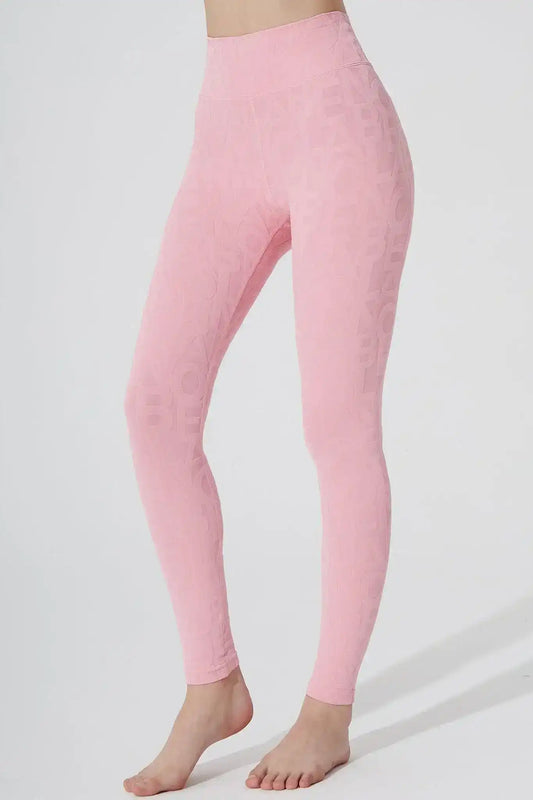
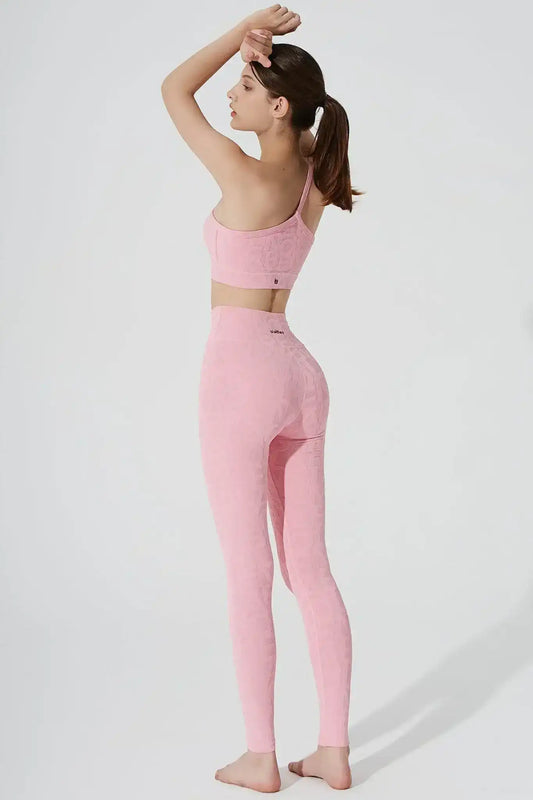
- Fitted leggings or shorts so nothing catches on springs or the carriage. Choose squat-proof fabric, since both involve deep lunges and legs in the air. Our Evo High Rise Leggings stay put through lunges.
- A supportive sports bra with no metal hardware, like the Ace Support Bra.
- Grip socks. Most Lagree and reformer studios require them.
- Skip zippers and jewelry, which can scratch the upholstery.
Lagree is sweatier, so pick moisture-wicking fabric. More detail in our guide on what to wear to Pilates.

Tips for your first Lagree class
- Arrive early and ask the instructor to show you the Megaformer settings.
- Go lighter on springs than you think. Slow tempo makes light springs feel heavy.
- Expect shaking. It’s normal and means the muscle is working.
- Rest in child’s pose if you need to. Form matters more than finishing every rep.
- Plan an easier day after. Soreness for one or two days is common.
FAQ
Is Lagree a type of Pilates?
No. Lagree uses spring resistance like Pilates, but it is a separate method with its own machine (the Megaformer) and training principles. Lagree Fitness itself states that Lagree is not Pilates.
Is Lagree harder than Pilates?
Most people find Lagree more intense because of the slow tempo and minimal rest. Pilates can be very challenging too, but the effort is usually steadier and more focused on control.
Can beginners do Lagree?
Yes. Springs can be adjusted and moves modified. Complete beginners often find it easier to learn body control in a Pilates class first.
Is Lagree or Pilates better for weight loss?
Neither alone causes weight loss. Lagree usually gets your heart rate higher, but diet and consistency matter most. Pick the one you’ll do regularly.
How often should you do Lagree?
Two to four classes a week works for most people, with rest or lighter days in between. Pilates can be done more often because it is less fatiguing.
Can you do Lagree and Pilates in the same week?
Yes, and they complement each other well. Pilates builds control and mobility, Lagree builds muscle endurance.
The bottom line
Lagree and Pilates share springs and low impact, but Lagree is a high-intensity strength workout on the Megaformer, while Pilates is a control-and-alignment method suited to all levels and to rehab. Start with Pilates if you’re new, add Lagree when you want more burn, and wear fitted, squat-proof leggings and a supportive sports bra for both.