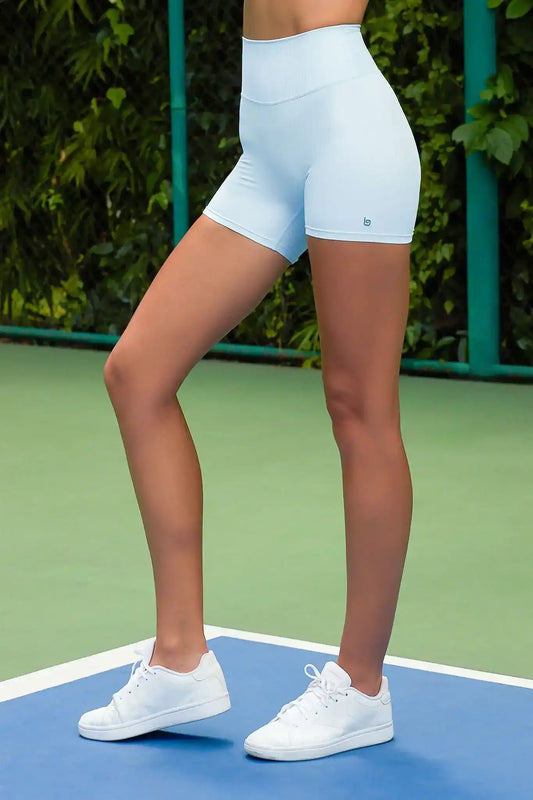
Polyamide is a synthetic polymer built from repeating units linked by amide bonds. Nylon is the best-known polyamide. In clothing, “polyamide” and “nylon” usually mean the same fabric: a strong, stretchy, lightweight fiber that wicks sweat and dries fast, which is why it shows up in so much activewear.
If you have ever checked the care label on a pair of leggings and seen “polyamide” listed, this guide clears up what that word actually means, how the fabric behaves, and when it is the right choice.
What Polyamide Is (and the Nylon Connection)
The word polyamide describes any long-chain molecule where the links are amide bonds. Some polyamides are natural, like silk and wool, which are protein-based. But when a clothing label says polyamide, it almost always means a synthetic one, and that synthetic is nylon.
Nylon was the first fully synthetic fiber. It was developed by chemist Wallace Carothers at DuPont in the 1930s and reached the public in 1938, famously as nylon stockings that sold out fast when they hit U.S. stores in 1940. The two most common types you will meet are Nylon 6 and Nylon 6,6, named for the number of carbon atoms in their building blocks. For a wearer, they behave much the same.
So when brands write “polyamide” instead of “nylon,” they are often using the more technical European term for the exact same material. No trick, just two names for one fiber. EU labelling law even lists the fiber as “polyamide or nylon,” while the US Federal Trade Commission uses “nylon” as the generic name. You will sometimes see it misspelled as “polymide” or “polyamid” in online listings; it is the same fiber.
For a deeper look at nylon on its own, read our ultimate guide to nylon activewear.

How Polyamide Is Made
Here is the short version, without the heavy chemistry.
Polyamide starts as raw materials from petroleum. Through a reaction called polymerization, small molecules (monomers) join into very long chains held together by amide bonds. That molten polymer is then pushed through a spinneret, a plate with tiny holes, a bit like a shower head. The fine strands cool, solidify, and get stretched, which lines up the molecules and gives the fiber its signature strength and elasticity. The result is spun into yarn and knitted or woven into fabric.
Recycled polyamide follows a similar path but starts from waste instead of new oil, which we cover further down.
Key Properties of Polyamide
This is where polyamide earns its place in a workout wardrobe. The standout traits:
- Strength. Nylon has an excellent strength-to-weight ratio. It resists tearing and holds up to repeated stress, so seams and fabric survive squats, lunges, and years of washing.
- Elasticity. The fiber stretches and springs back to shape. On its own it gives fabric a natural give, and blended with elastane (spandex) it delivers the four-way stretch leggings need.
- Moisture-wicking. Polyamide moves sweat away from your skin to the fabric surface rather than soaking it up. Nylon absorbs only a small amount of water for its weight (nylon 6,6 fiber regains roughly 4 percent moisture), which keeps it feeling drier during a workout.
- Quick-drying. Because it holds little water, polyamide dries fast after a wash or a sweaty session, handy for travel and back-to-back training days. Our guide to quick-dry, anti-odor activewear explains how fabric and finish work together here.
- Abrasion resistance. It stands up to rubbing and friction better than most fibers, so it resists pilling and thinning at high-wear spots like inner thighs.
- Soft, smooth hand. Modern nylon feels silky against skin, not scratchy, which is why it is common in bras, linings, and next-to-skin layers.
- Lightweight. You get durability without bulk.
One honest caveat: polyamide is heat-sensitive. It melts rather than chars, softening at high temperatures (nylon 6 melts at around 220°C / 428°F, nylon 6,6 at around 260 to 265°C / 500 to 509°F), so hot dryers and irons are its enemy. More on care below.
Is polyamide stretchy?
Yes, but less than most people assume. Pure polyamide yarn has some give and good recovery, so a 100 percent nylon fabric feels flexible rather than stiff. The deep, second-skin stretch you feel in leggings comes from the elastane blended in. A typical activewear knit pairs about 75 to 80 percent polyamide with 20 to 25 percent elastane: the polyamide supplies strength and a smooth face, the elastane supplies most of the stretch and snap-back. If a label reads 100 percent polyamide, expect a jacket shell, bag, or strap, not a legging.
Does polyamide shrink?
Polyamide resists shrinking in normal washing. It shrinks or distorts mainly when it gets too hot: a high dryer setting, a very hot wash, or an iron set for cotton. Elastane in the blend is even more heat-sensitive, so heat is the main cause of leggings that lose their fit. Wash cool, dry flat or on low, and most polyamide garments keep their size for years. If a piece does tighten slightly, it is usually the elastane, and that damage does not reverse.

Pros and Cons of Polyamide
No fabric is perfect. Here is the balanced view.
|
Pros |
Cons |
|
Strong and durable, resists tearing |
Made from petroleum unless recycled |
|
Elastic, holds its shape |
Not biodegradable; sheds microplastics in the wash |
|
Wicks moisture and dries quickly |
Can hold odor if not washed properly |
|
Excellent abrasion resistance, low pilling |
Heat-sensitive; melts under hot dryers or irons |
|
Soft, smooth, lightweight feel |
Can feel warm and less breathable than cotton in hot, still air |
|
Takes dye well for rich, lasting color |
Prone to static in dry conditions |
The takeaway: polyamide trades some of nature’s breathability and eco-credentials for performance and toughness. For sweaty, high-movement activity, that trade usually favors the wearer.
Is Polyamide Good or Bad? Our Verdict
Polyamide is a good fabric for movement and a weaker choice for anyone who puts biodegradability first. Here is how it shakes out by use:
- Good for: leggings, sports bras, fitted tanks, swimwear, light jackets, bags and straps. Anywhere you need stretch recovery, abrasion resistance and fast drying.
- Fine with care: everyday wear in warm climates, as long as the knit is breathable and you wash it promptly so odor does not build up.
- Less ideal: loose summer clothing for sitting around in still, humid heat, where cotton or linen feel cooler. Also not the pick if you want a fiber that breaks down at end of life.
So “is polyamide fabric good or bad?” has a practical answer: good for activewear, neutral for daily wear, and its main drawback is environmental. Choosing recycled polyamide and making each garment last longer narrows that gap.
Is polyamide safe for skin?
For most people, yes. Polyamide is smooth and is not a common allergen in itself. When people react to synthetic clothing, the usual cause is a textile dye or finish rather than the fiber. DermNet, the dermatology reference run by New Zealand dermatologists, notes that disperse dyes used on polyester and nylon (especially Disperse Blue 106 and 124) are a known cause of textile contact dermatitis, often worse where fabric rubs and you sweat, such as the waistband and upper thighs.
If you have sensitive skin:
- Wash new activewear before the first wear to remove loose dye and finishing residue.
- Watch for itching or rash only where the garment touches. That pattern points to the fabric.
- Lighter colors generally use less dye than deep navy or black, although that is not a guarantee.
- See a dermatologist if a rash keeps returning. Patch testing can identify the specific dye.
What Polyamide Is Used For
Polyamide is everywhere once you start looking: swimwear, hosiery, jackets, backpacks, umbrellas, carpets, ropes, even toothbrush bristles and car parts. Its strength and stretch make it a workhorse well beyond clothing.
In apparel, its biggest clothing role is performance and activewear.
Why Polyamide Suits Leggings and Sportswear
Leggings ask a lot from a fabric. They need to stretch in every direction, bounce back without sagging, survive constant friction, move sweat off your skin, and stay opaque when you bend. Polyamide checks those boxes:
- Its elasticity plus a spandex blend gives the four-way stretch and recovery that keeps leggings from bagging at the knees.
- Its abrasion resistance protects the high-friction inner-thigh zone from thinning and pilling.
- Its moisture-wicking and quick-dry behavior keeps you drier through a hot yoga class or a long run.
- Its soft, smooth surface feels good against bare skin and helps fabric stay squat-proof. If opacity is your main worry, our guide on how to choose squat-proof leggings that never go see-through shows how to test a pair.
You will often see a blend like 75 to 80 percent polyamide with 20 to 25 percent elastane on activewear labels. The polyamide brings strength, wicking, and a smooth feel; the elastane brings the deep stretch. To go deeper on how the two compare, see our guide to polyamide vs polyester and our explainer on what spandex fabric is. For the full lineup, our activewear fabrics compared breaks down polyester, nylon, spandex, and recycled options side by side, and our guide to yoga pant material covers which knits suit which style of practice.

How to Read Polyamide on a Clothing Label
Labels use a handful of names and codes for the same fiber. This table decodes the common ones.
|
What the label says |
What it means |
|
Polyamide, PA |
Nylon. The standard EU and international term. |
|
Nylon |
The same fiber. The generic name used on US labels. |
|
PA6, Nylon 6 |
Nylon made from a single six-carbon building block (caprolactam). Common in apparel and in recycled nylon such as Econyl. |
|
PA66, PA 6.6, Nylon 6,6 |
Nylon made from two six-carbon building blocks. Slightly higher melting point and a firm, durable feel. |
|
Elastane, EL, EA, spandex, LYCRA® |
The stretch fiber. Elastane is the EU name, spandex the US name, LYCRA® a brand of it. |
|
Recycled polyamide, recycled nylon |
Polyamide made from pre- or post-consumer waste instead of new oil. |
Common activewear blends and how they feel:
|
Blend |
Typical feel and use |
|
79% polyamide / 21% elastane |
Soft, smooth, very stretchy. A classic for wrap tops, bras and leggings. |
|
80% polyamide / 20% elastane |
Almost identical to 79/21. Supportive with strong recovery. |
|
75% polyamide / 25% elastane |
More compression and hold. Often used for sculpting leggings and bras. |
|
88 to 90% polyamide / 10 to 12% elastane |
Lighter stretch. Common in tees, tanks and lightweight layers. |
|
100% polyamide |
Little stretch. Jacket shells, bags, straps and webbing. |
A quick rule: the higher the elastane share, the more squeeze and snap-back you get. The higher the polyamide share, the more the fabric behaves like a smooth, durable shell.
Polyamide vs Natural Fibers
How does it stack up against cotton, wool, and silk?
|
Trait |
Polyamide (nylon) |
Cotton |
Wool |
Silk |
|
Strength |
Very high |
Moderate |
Moderate |
High |
|
Stretch and recovery |
High (great blended) |
Low |
Moderate |
Low |
|
Moisture handling |
Wicks, dries fast |
Absorbs, dries slow |
Absorbs, insulates |
Absorbs |
|
Durability |
Excellent |
Good |
Fair |
Delicate |
|
Breathability |
Moderate |
High |
High |
High |
|
Biodegradable |
No |
Yes |
Yes |
Yes |
|
Best for |
Activewear, swim |
Casual, hot weather |
Warmth, base layers |
Luxury, drape |
Cotton wins on breathability and comfort in dry heat, but it soaks up sweat and stays heavy and damp during exercise. That is exactly the weakness polyamide solves. For workouts, synthetics like polyamide usually keep you drier and hold their shape longer. For lounging on a hot afternoon, natural fibers still feel great. Our roundup of materials used in yoga clothes and the guide to the best fabric for sportswear help you pick per activity. If you are torn between the two most common shirt fabrics, see cotton vs polyester.
Polyamide vs Nylon vs Polyester vs Spandex
These four names cause most of the confusion on activewear labels. Two of them are the same thing.
|
|
Polyamide |
Nylon |
Polyester |
Spandex (elastane) |
|
What it is |
Fiber family; on labels, means nylon |
A polyamide; same fiber as above |
A different synthetic (PET) |
Polyurethane-based stretch fiber |
|
Feel |
Soft, smooth, slightly cool |
Same |
Smooth to slightly dry, can feel warmer |
Rubbery alone; never used solo in clothes |
|
Stretch |
Some, with good recovery |
Same |
Low unless blended |
Very high |
|
Moisture |
Absorbs a little, dries fast |
Same |
Absorbs less, dries very fast |
Low absorption |
|
Durability |
Excellent abrasion resistance |
Same |
Very good, holds color in sunlight |
Weakens with heat, chlorine and age |
|
Typical price |
Mid to higher |
Same |
Lower |
Used in small percentages |
|
Best use |
Leggings, bras, swim, bags |
Same |
Training tees, shorts, budget leggings |
Blended into almost all stretch wear |
The short version: polyamide and nylon are one fiber, polyester is its cheaper and slightly less soft cousin, and spandex is the stretch ingredient mixed into both. Read more in what is polyester and our head-to-head polyamide vs polyester.
How to Care for Polyamide
Polyamide is low-maintenance if you respect the heat rule.
- Wash cold or warm, not hot. Cold water (around 30°C / 86°F) protects the fibers and cuts microplastic shedding.
- Turn items inside out and use a mesh laundry bag to reduce friction and pilling, and to catch fibers.
- Skip fabric softener. It coats the fiber and hurts moisture-wicking. A mild detergent is enough.
- Air dry when you can. High dryer heat is the fastest way to damage or shrink nylon. If you must machine dry, use low or no heat.
- Iron low or not at all. Polyamide melts under a hot iron. Most activewear never needs ironing anyway.
- Wash sweaty pieces promptly so odor does not set in.
Follow these and a good pair of leggings will keep its stretch, color, and shape for years. For step-by-step routines, see how to wash leggings properly and our wider guide on how to wash and care for activewear.
Sustainability and Recycled Polyamide (Econyl)
The honest downside of conventional polyamide is that it comes from petroleum, does not biodegrade, and sheds microplastics. That is where recycled polyamide changes the math.
The best-known example is Econyl, made by the Italian company Aquafil. It is regenerated nylon spun from waste such as discarded fishing nets, fabric scraps, and industrial plastic. According to Aquafil, producing Econyl instead of new nylon from oil reduces the global warming impact of the nylon by up to about 90 percent, and the material can be recycled again and again without losing quality. The finished fiber performs just like virgin nylon, so you get the same stretch, strength, and wicking with a much lighter footprint.
Choosing activewear made with recycled polyamide, and caring for it well so it lasts, is a practical way to enjoy the fabric’s performance while cutting its impact.

Olaben Pieces Made With Polyamide
Want to feel the fabric for yourself? These Olaben pieces list nylon (polyamide) on their product pages:
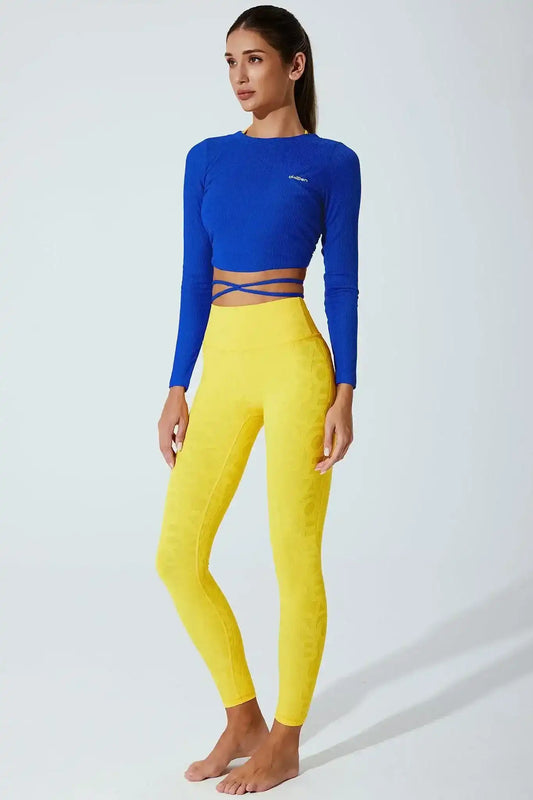
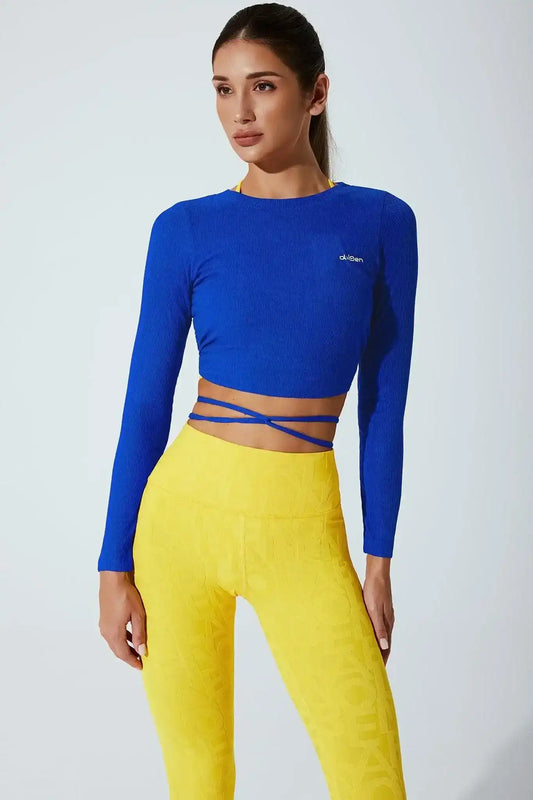
- Soft Ballet Wrap Top: 79% nylon and 21% elastane, the classic activewear blend from the label table above. A light long-sleeve layer for barre, yoga or warm-ups.
- Chloe Sculpt Bra: nylon-elastane blend with a second-skin feel for studio sessions.
- Evo Align Cross Tank: soft, stretchy nylon-elastane for flows and everyday wear.
- Tight Fit Hooded Define Jacket: nylon-elastane performance fabric in a fitted zip jacket.
- Explorer Fanny Pack: durable nylon construction, a good example of polyamide’s toughness outside clothing.
- Premium Yoga Strap: nylon webbing that will not stretch out when you lean into a hamstring stretch.
Ready to see more? Explore Olaben’s women’s leggings collection to see polyamide blends put to work.
Frequently Asked Questions
Is polyamide the same as nylon?
In clothing, yes. Nylon is a type of polyamide, and it is the one used in fabric. When a label says “polyamide,” it almost always means nylon. “Polyamide” is simply the more technical term, common in Europe.
What is polyamide made of?
Conventional polyamide is made from petroleum-based chemicals that are joined into long chains (polymerized) and melt-spun into fiber. Nylon 6 comes from a single building block called caprolactam; nylon 6,6 comes from two, adipic acid and hexamethylenediamine. Recycled polyamide uses the same chemistry but starts from waste such as old fishing nets and fabric scraps.
Is polyamide good for activewear?
Very. It is strong, elastic, abrasion-resistant, and it wicks sweat and dries quickly. Blended with spandex, it gives leggings and sportswear the four-way stretch and durability they need.
Is polyamide breathable?
It is moderately breathable. It moves moisture well and dries fast, but it is less airy than cotton in hot, still conditions. Good activewear design (knit structure, ventilation zones) improves airflow.
Does polyamide shrink or stretch out?
It resists shrinking and holds its shape better than many fabrics, as long as you avoid high heat. Hot dryers can shrink or damage it, so air dry or use low heat.
Is polyamide safe to wear on skin?
For most people, yes. The fiber itself rarely causes problems. Reactions to synthetic clothing usually come from dyes or finishes, so washing new pieces before wearing helps. See a dermatologist if a rash keeps coming back in areas the fabric touches.
Is “polymide” the same as polyamide?
Yes. “Polymide” and “polyamid” are common misspellings of polyamide. Do not confuse it with polyimide, a different heat-resistant plastic used in electronics and aerospace, not in everyday clothing.
Is polyamide bad for the environment?
Conventional polyamide is made from petroleum and is not biodegradable. Recycled versions like Econyl cut that impact substantially by using waste as the raw material, and they perform the same as virgin nylon.
Polyamide vs polyester: which is better?
Polyamide is generally softer, stronger, and more elastic; polyester is often cheaper, quicker-drying, and better at holding color in sunlight. Many garments blend both. See our full polyamide vs polyester comparison.