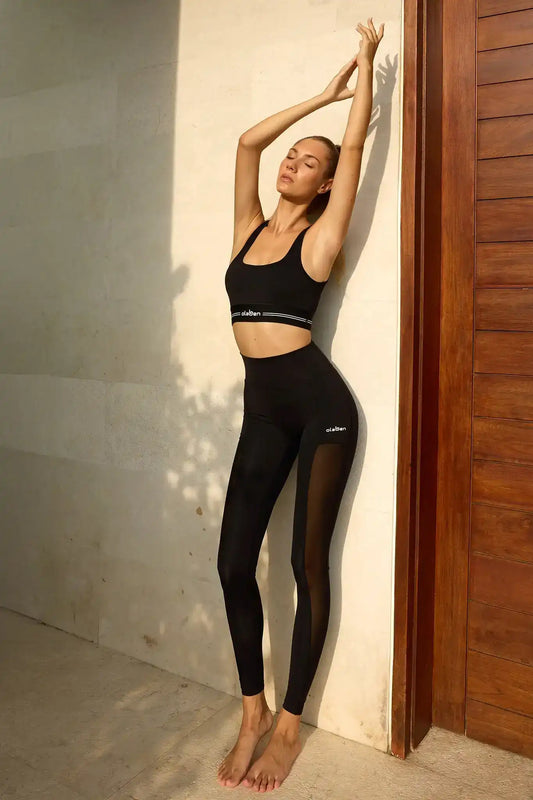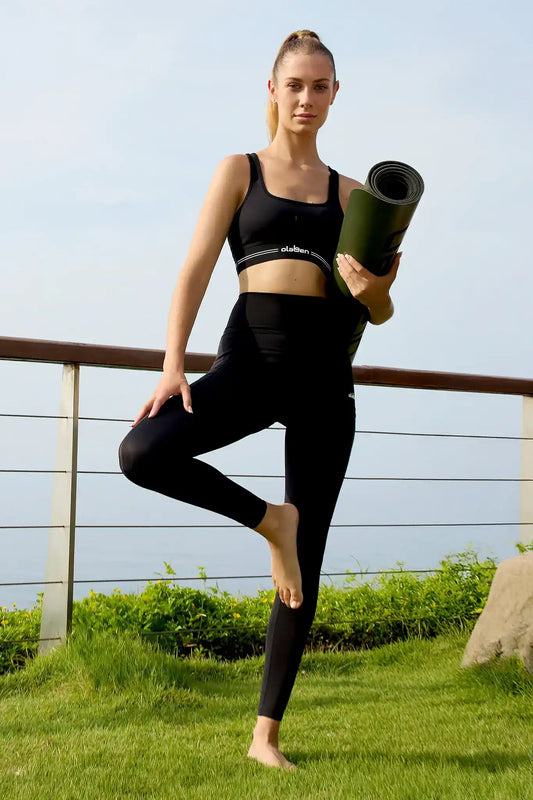
Barre and Pilates are both low-impact, studio-style workouts that build strength without heavy weights, which is why they’re often lumped together. The difference is in the method. Barre borrows from ballet: you hold a ballet bar and do small, fast pulses with high reps until your muscles burn. Pilates is built on controlled, precise movements from the core, done on a mat or a reformer, with a focus on alignment and breath.
Short answer: choose barre if you like music, rhythm, and a muscle-burning endurance workout, especially for the legs and glutes. Choose Pilates if you want core strength, posture, and mobility, or you’re working around an injury. Many people do both.
Barre vs Pilates at a glance
|
|
Barre |
Pilates |
|
Origin |
Lotte Berk, London, 1959 |
Joseph Pilates, early 1900s |
|
Inspired by |
Ballet, plus rehab exercises |
Joseph Pilates’s “Contrology” method |
|
Equipment |
Ballet barre, light weights, small ball, bands |
Mat, or reformer and other apparatus |
|
Movement style |
Small pulses, isometric holds, high reps |
Controlled, precise, full-range movements |
|
Pace |
Quick, set to music |
Slower, breath-led |
|
Main focus |
Muscle endurance (legs, glutes, arms) |
Core strength, posture, mobility |
|
Feels like |
Shaking, burning muscles |
Deep core work, focus, control |
|
Rehab use |
Limited |
Common with physical therapists |

Where barre comes from
Barre as a workout was created by German-born dancer Lotte Berk in London in 1959. After a back injury, she combined her ballet barre routines with rehabilitation exercises. Her student Lydia Bach brought the method to New York in the early 1970s, and barre studios like The Bar Method (founded in 2001) spread it across the US.
Where Pilates comes from
Joseph Pilates developed his method in the early 20th century and called it Contrology. It focuses on concentration, control, centering, precision, breath, and flow. His spring-based equipment became today’s reformer. Our beginner’s guide to Pilates covers the basics, and reformer vs mat Pilates explains the two main formats.
What a class feels like
A typical barre class (45 to 60 minutes): - Warm-up and arm work with 1 to 3 lb (0.5 to 1.5 kg) weights - Thigh and glute series at the barre: pliés, relevés, small pulses, holds - Core work on the mat, often with a small ball - Stretch to finish - Music-driven; instructors call out “up an inch, down an inch”
A typical Pilates class (45 to 60 minutes): - Breathing and setting up the core - Mat exercises such as the Hundred, roll-ups, leg circles, and series for the obliques, or the reformer equivalents - Spinal articulation, bridging, side work, and stretching - Slower and more cue-heavy, with attention to form
Results: which is better for what?
|
Goal |
Better fit |
Why |
|
Toned legs and glutes |
Barre |
High-rep pulses and holds fatigue these muscles deeply |
|
Core strength |
Pilates |
Every exercise is organized around the core |
|
Posture |
Pilates |
Alignment and spinal control |
|
Flexibility |
Pilates (slightly) |
More full-range movement and stretching |
|
Muscle endurance |
Barre |
Long sets, minimal rest |
|
Low-back or injury rehab |
Pilates |
Adaptable and widely used in rehab |
|
Fun, energetic class |
Barre |
Upbeat music and pace |
Neither is a major calorie burner compared with running or cycling. Both build strength and muscle tone, so pair them with cardio if fat loss is your goal. See does Pilates help with weight loss.

Pros and cons
Barre - Pros: fun and music-driven; strong leg and glute burn; accessible for beginners; light equipment. - Cons: small repetitive pulses can feel monotonous; less emphasis on full-range strength; knee-heavy for some people (pliés and relevés).
Pilates - Pros: excellent for the core, posture, and back; works for rehab and all ages; mat Pilates can be done at home. - Cons: slower pace may feel less like a “workout” at first; reformer classes can be expensive.
Which should you choose?
Choose barre if: - You enjoy dance-style workouts and music - You want toned legs, glutes, and arms - You like the muscle “burn” feeling
Choose Pilates if: - You want a stronger core and better posture - You have back pain or an old injury - You prefer slower, mindful, technique-focused training
Do both if: you want balanced results. Two Pilates sessions plus one barre class a week is a popular mix. If you also like intense, slow-tempo strength, read our comparison of Lagree vs Pilates.
What to wear to barre and Pilates
- Fitted leggings or bike shorts. Instructors need to see your knees and hips. Choose squat-proof fabric, since both involve deep pliés and legs in the air. Our Evo High Rise Leggings work for both.
- A supportive sports bra, like the Ace Support Bra, or a fitted tank.
- Grip socks. Most barre studios and reformer studios require them.
- A light layer like the Soft Ballet Wrap Top for the warm-up, very much in the barre spirit.
More detail in our what to wear to Pilates guide.

FAQ
Is barre the same as Pilates?
No. Barre comes from ballet and uses a ballet bar, small pulses, and high reps. Pilates is a separate method focused on core control, precision, and breath, done on a mat or reformer. Many barre classes borrow some Pilates core exercises.
Is barre or Pilates better for toning?
Barre tends to give a stronger burn in the legs, glutes, and arms. Pilates tones the core and improves posture. For overall tone, many people do both.
Is barre harder than Pilates?
It depends on the class. Barre usually feels more intense in the moment because of the high reps and minimal rest. Advanced Pilates, especially on the reformer, can be very demanding.
Can beginners do barre?
Yes. Barre is beginner friendly; you can use the barre for balance and skip the weights at first.
Which is better for back pain?
Pilates is more commonly used for back pain and rehab. Talk to a physical therapist first if you have an injury.
How often should I do barre or Pilates?
Two to four sessions a week works for most people. Mixing them with cardio and rest days gives the best results.
The bottom line
Barre and Pilates are both low-impact and effective, but they feel different: barre is a ballet-inspired, high-rep burn for the legs and glutes, while Pilates is a core-centered method for strength, posture, and control. Pick the one you’ll enjoy most, or combine them. Either way, wear fitted, squat-proof leggings and a supportive sports bra.