Deadlift is one of the most classic compound exercises for building full-body strength, especially targeting the back, glutes, and hamstrings. Suitable for all fitness levels, the deadlift not only enhances strength but also improves posture, boosts overall performance, and supports a wide range of fitness goals. In this article, Olaben will help you understand what deadlift is, how to perform it correctly, its common variations, and the benefits it offers.
What Is Deadlift?
In English, the term “deadlift” literally means “lifting from a dead stop”, that is, lifting a weight off the ground with no momentum or assistance. This is the key difference compared to many other exercises: every rep starts from zero, requiring your body to generate 100% of the force from the beginning.
From a technical perspective, the deadlift is a compound movement, meaning it engages multiple muscle groups and joints at the same time. Unlike isolation exercises like bicep curls or leg extensions, a single deadlift rep can activate over 70% of your total muscle mass. That’s why it’s often referred to as the “king of all strength exercises.”
More than just a gym exercise, the deadlift is a fundamental human movement, picking something heavy up off the ground. It’s a natural motion that our bodies are built to perform.

Muscles Worked in the Deadlift
In each repetition, nearly all major muscle groups work together to generate force, maintain stability, and protect the body. Key muscles involved include:
- Lower back (erector spinae): Keeps the spine stable and bears much of the load throughout the lift
- Glutes (gluteus maximus): The primary driver for hip extension at the top of the movement
- Hamstrings: Work with the glutes to lift the weight from the ground to lockout
- Quadriceps: Assist in knee extension, especially during the initial phase of the lift
- Upper back & traps (trapezius, lats): Help keep the bar close to the body and stabilize the shoulders and back
- Core (abs & obliques): Act as a natural “brace” to protect the spine and maintain proper form
- Forearms & hands: Maintain a strong grip on the bar, improving overall grip strength
Benefits of the Deadlift Exercise
- Exceptional calorie burn: Because deadlifts engage multiple large muscle groups at once, they require a high amount of energy. Additionally, the afterburn effect (post-exercise increased metabolism) can last for hours after your workout, especially when combined with cardio, helping you burn fat even while resting.
- Boosts natural hormone production: Heavy compound movements like deadlifts and squats stimulate the release of testosterone and human growth hormone (HGH). These hormones play a key role in muscle growth, fat loss, and recovery. Performing 3–5 sets of deadlifts regularly is an effective and natural way to support hormone production.
- Increases bone density: The load placed on your body during deadlifts stimulates bone remodeling, helping improve bone density. This is especially important for women over 30 and for long-term osteoporosis prevention.
- Improves posture and reduces chronic back pain: It may sound surprising, but performing deadlifts with proper technique can help reduce chronic back pain. By strengthening the lower back and core, two commonly weak areas, especially for people who sit for long hours, deadlifts support better posture and spinal health.
- Builds overall strength: Deadlifts enhance grip strength, back strength, and total-body power in a balanced way. This translates into better performance in other exercises and daily activities.
- Supports cardiovascular health: When performed at moderate intensity with short rest periods, deadlifts can also improve cardiovascular fitness. They increase heart rate and blood circulation similarly to moderate-intensity cardio exercises.
How to Perform a Deadlift Properly: Step-by-Step Guide
Before you begin, choose a lighter weight than you think you can handle. Mastering proper form with lighter loads is the best long-term investment for your training progress and injury prevention.
Step 1: Set Your Foot Position
Stand with your feet hip-width apart (not shoulder-width). Your toes can point straight ahead or slightly outward (15–20°).
The barbell should be positioned over the mid-foot, about 2–3 cm from your shins, this is your neutral starting point.
Step 2: Hinge at the Hips
Take a deep breath and push your hips back (instead of bending from your lower back) until your hands can reach the bar. Keep your spine in a neutral position, not rounded and not overly arched.
Step 3: Grip the Bar & Engage Your Upper Back
Grip the bar with either:
- Double overhand grip (pronated), or
- Mixed grip (one overhand, one underhand)
Before lifting, pull your shoulders back and down, as if you’re “putting them into your back pockets.” This activates your upper back and creates a stable pulling position.
Step 4: Brace Your Core (Valsalva Technique)
Take a deep breath into your abdomen (not your chest) and hold it. Brace your core as if preparing to take a punch. This creates intra-abdominal pressure, acting like a natural belt to protect your lower back during the lift.
Step 5: Lift the Bar (Push the Floor Away)
Instead of thinking “pull the bar up,” think “push the floor away with your feet.” Your hips and shoulders should rise at the same speed, your hips should not shoot up first.
Keep the bar close to your shins and thighs throughout the movement. Avoid jerking; the lift should be smooth and controlled.
Step 6: Lockout at the Top
Stand tall by squeezing your glutes and pushing your hips forward until your body forms a straight line.
Do not lean back or over-arch your lower back, this is a common mistake that can cause injury. Exhale at the top position.
Step 7: Lower the Bar with Control
Start by pushing your hips back, then lower the bar in a straight path close to your body. Once the bar passes your knees, bend your knees to place it back on the floor. Control the descent to feel the stretch in your muscles, don’t drop the weight.
5 Common Deadlift Mistakes to Avoid
- Rounding your back when lifting off the floor
- Hips rising faster than shoulders
- Letting the bar drift too far from your body, increasing strain on your lower back
- Looking too far up, causing neck tension
- Skipping proper warm-up before heavy lifts
Popular Deadlift Variations You Should Know
Conventional Deadlift (Traditional Deadlift)
How to perform:
Stand with your feet hip-width apart, toes slightly pointed outward. Bend down and grip the bar with your hands placed outside your legs.
Lower your hips, keep your back neutral, brace your core, and lift your chest. Push through your heels and pull the bar up in a straight path close to your body.
As the bar passes your knees, drive your hips forward and squeeze your glutes to finish the lift.
Notes: Avoid rounding your back or jerking the weight with your arms. Keep the bar close to your shins and thighs for optimal leverage.
Primary muscles: Lower back, glutes, hamstrings
Sumo Deadlift
How to perform:
Stand with a wider-than-shoulder stance, toes pointed outward at about 30–45°. Grip the bar inside your legs.
Lower your hips more than in a conventional deadlift, keep your chest up and spine neutral. As you lift, push your knees outward in line with your toes and drive your hips forward.
Notes: Avoid letting your knees cave inward. Keep your shins as vertical as possible for better force production.
Primary muscles: Glutes, inner thighs, hips

Trap Bar Deadlift
How to perform:
Step inside the trap (hex) bar with your feet hip-width apart. Bend at your hips and knees to grab the side handles. Keep your back neutral and gaze forward or slightly downward.
Push through your feet to stand up, keeping your shoulders stable and core engaged throughout.
Notes: This is a beginner-friendly variation, but still requires control, avoid bouncing or using excessive momentum.
Primary muscles: Quadriceps, glutes, lower back (with less spinal stress compared to other variations)

Romanian Deadlift (RDL)
How to perform:
Start from a standing position with the bar held in front of your thighs. Keep a slight bend in your knees, then push your hips back and slowly lower the bar along your legs.
Once you feel a deep stretch in your hamstrings, stop and drive your hips forward to return to the starting position.
Notes: Focus on control and muscle engagement. Don’t lower the bar too far if it causes your back to lose proper form.
Primary muscles: Glutes, hamstrings

Single-Leg Deadlift
How to perform:
Stand on one leg while extending the other leg behind you.
Keep your back straight and hinge at the hips to lower the weight as your rear leg lifts parallel to your torso. Then engage your glutes and core to return to standing.
Notes: Keep your hips level and avoid rotating your body. Start with light weights or bodyweight to build balance and control.
Primary muscles: Glutes, hamstrings, core

Deficit Deadlift
How to perform:
Stand on a small platform (such as a weight plate or step) to increase the range of motion. Perform the movement like a conventional deadlift, but with a longer pulling distance, requiring more force from the initial phase.
Notes: Use lighter weights than usual to maintain proper form and avoid excessive strain on the lower back.
Primary muscles: Lower back, glutes, hamstrings
Each variation offers unique benefits. By incorporating them strategically into your training program, you can build a stronger, more balanced, and well-developed posterior chain over time.
What to Wear & Equipment for Deadlift Training
Deadlifts require a wide range of motion at the hips and ankles. Wearing clothing that lacks flexibility can restrict your movement at the bottom position, leading to poor form, especially a rounded back.
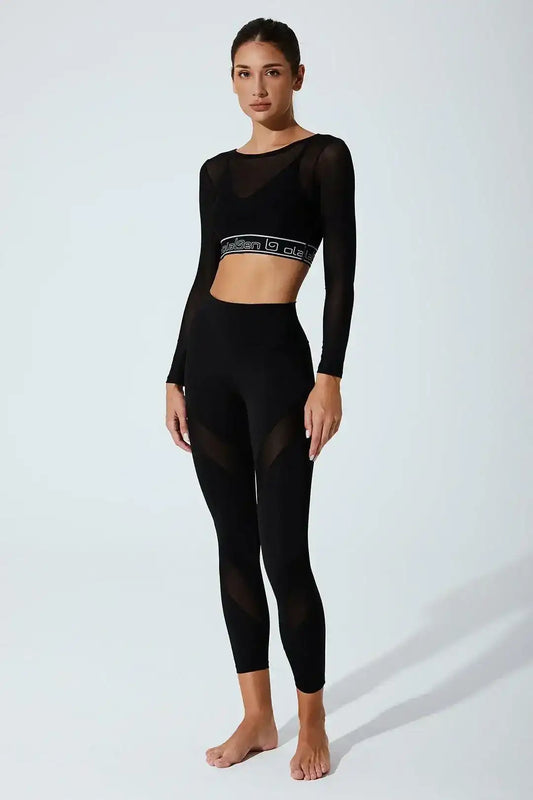
For the upper body, long-sleeve tops can help protect your forearms from scrapes when the bar slides along your legs during heavy reps, something especially useful as you start lifting heavier.
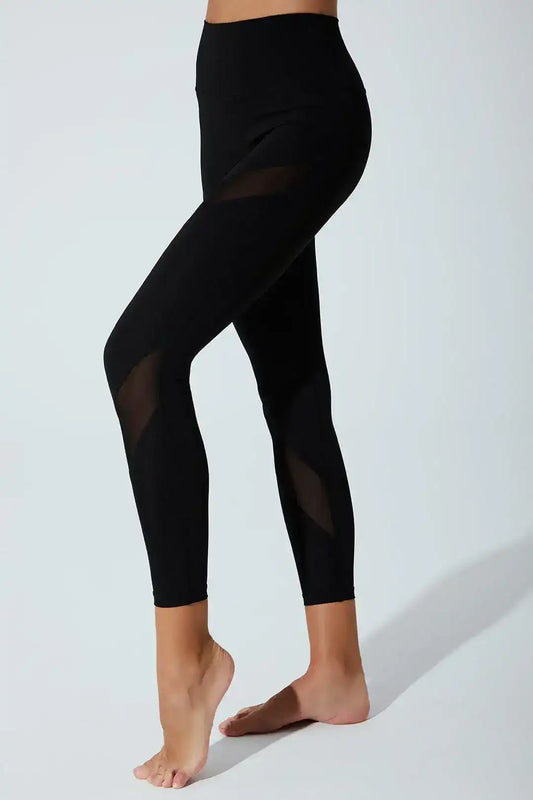
Olaben offers a full range of workout apparel and accessories for deadlift sessions, including:
- Sports bras: Supportive, breathable, and made with 4-way stretch fabric
- Tank tops, short-sleeve & long-sleeve shirts: Suitable for different preferences and training conditions
- High-waisted leggings: Provide support for your core and lower back throughout the lift
- Training pants: Ideal for colder environments
- Workout mats: Great for warm-ups and cool-downs
- High socks: Help protect your shins during heavy lifts
- Sports caps: Assist with sweat control during intense sessions
Upgrading your outfit can significantly improve both comfort and performance in your workouts.
Important Tips for Safe Deadlifting
- Warm up properly: Spend 10–15 minutes activating your glutes, hamstrings, hips, and lower back before touching the bar. Never jump straight into heavy lifts with a cold body.
- Increase weight gradually: Avoid increasing your load by more than 5–10% per week. Muscles adapt faster than tendons and ligaments, which are more prone to injury if overloaded too quickly.
- Train with the right frequency: Heavy deadlifts (above 85% of your 1RM) should be limited to 1–2 times per week. Your lower back needs about 48–72 hours to fully recover.
- Choose the right footwear: Avoid soft, cushioned running shoes, they absorb force and reduce stability under heavy loads. Opt for flat, hard-soled shoes or specialized weightlifting shoes.
- Know when to stop: Sharp pain in the lower back, numbness in the legs, or unusual “popping” sounds are warning signs. Stop immediately and do not push through potential injuries.
By combining proper technique, smart programming, and the right gear, you’ll build strength safely and effectively with deadlifts over time.
Frequently Asked Questions About Deadlifts
Can beginners do deadlifts?
Absolutely. Deadlifts are safe for beginners as long as you start with light weights and focus on proper technique. It’s recommended to begin with Romanian deadlifts or trap bar deadlifts, as they are easier to learn than the conventional version.
Are deadlifts bad for your back?
This is one of the most common misconceptions. Deadlifts themselves are not harmful to your back, poor technique and lifting weights that are too heavy for your level are the real causes of injury. When performed correctly, deadlifts actually strengthen your back and reduce the risk of injury in daily activities.
How many reps and sets should you do?
It depends on your goal: Strength: 1–5 reps, 3–5 sets (heavy weight); Muscle growth (hypertrophy): 6–10 reps, 3–4 sets and Muscular endurance: 12–20 reps (lighter weight). For beginners, a good starting point is 3 sets × 5 reps with a weight you can fully control.
Conclusion
Deadlifts aren’t just for powerlifters or professional bodybuilders. Anyone who wants to become stronger, more confident, and build a better physique has a reason to include deadlifts in their routine. Combine proper technique with the right workout outfit, and you’ll not only train more effectively but also reduce injury risk and stay consistent in the long run.