Recovering after childbirth is a powerful, challenging, and deeply personal journey, one that your body and mind deserve to move through with care. Postnatal yoga offers a gentle yet effective way to rebuild strength, reconnect with your core and pelvic floor, ease tension, and support emotional well-being. Whether you're a new mom returning to movement or exploring yoga for the first time, Olaben walks you through the key benefits of postnatal practice, eight safe and effective poses to try, and essential tips to help you move with confidence as your body heals.
What Is Postnatal Yoga?
Postnatal yoga is a gentle, modified form of yoga designed specifically for individuals after childbirth. This practice adapts traditional poses, breathing techniques, and movements to support a body that is healing from pregnancy and delivery.
Postnatal yoga typically focuses on restoring core stability, reconnecting with the pelvic floor, improving mobility, and easing the physical tension that can follow labor, breastfeeding, and newborn care. It is structured to meet the needs of new mothers in the early postpartum period and provides a safe, gradual way to return to movement.

When Can You Start Postnatal Yoga After Birth?
There’s no single timeline that works for everyone. Your recovery depends on the type of birth you had, how your body is healing, and the guidance of your healthcare provider. Postnatal yoga should always begin when you feel ready, both physically and emotionally, and when your doctor has confirmed it is safe to return to gentle movement.
As a general guideline, many women who experienced an uncomplicated vaginal delivery are typically cleared to begin light postnatal yoga around 5–6 weeks postpartum. If you deliver via C-section, the healing process is longer; most providers recommend waiting until about 8 weeks before reintroducing gentle, structured poses.
You can, however, start with simple arm and leg stretches earlier if they feel comfortable while avoiding any core work, deep twisting, or movements that create pressure on the abdomen and pelvic floor until you receive medical clearance.
Choosing a postnatal-specific yoga routine is especially helpful during this period. These practices are designed to respect the body’s healing needs while gradually rebuilding core strength, pelvic floor stability, and mobility. Beginning slowly and progressing with care ensures your return to movement does not disrupt your postpartum recovery.
The Benefits of Postnatal Yoga
Helps you reconnect with your body: After birth, your body goes through significant physical changes. Gentle postnatal yoga helps you ease back into movement and rebuild awareness at a comfortable pace.
Supports emotional balance: Mindful breathing and slow, intentional poses can help calm the nervous system, offering a sense of stability during the often overwhelming postpartum period.
May help ease mood fluctuations: Regular practice can support overall emotional health, which is especially valuable when facing common postpartum challenges like low energy, irritability, or heightened stress.
Encourages relaxation and mental clarity: Postnatal yoga provides a quiet space to unwind, release tension, and reconnect with yourself amid the demands of caring for a newborn.
Promotes gentle, safe movement: The practice is specifically modified for postpartum recovery, allowing you to stretch and move without placing unnecessary strain on healing tissues.
08 Essential Postnatal Yoga Poses
The following eight postnatal yoga poses offer safe, gradual movements that promote recovery, stability, and balanced strength during the postpartum period.
Cat–Cow
Cat–Cow is one of the most supportive movements for easing back into gentle spinal mobility after childbirth. This simple flow encourages you to connect breath with movement while releasing stiffness that often builds up from feeding, holding, and carrying your baby.
- Begin on your hands and knees, keeping your wrists under your shoulders and your knees under your hips. As you inhale, let your belly soften slightly and lift your chest and tailbone into a gentle Cow Pose.
- As you exhale, round your spine slowly, drawing your navel in and allowing your head to relax for Cat Pose.
- Move at a steady, comfortable pace, letting each breath guide the transition.
- Focus on softness rather than intensity, your goal is to wake up the spine, not engage deep core muscles before you're ready.
This sequence helps improve circulation through the back and pelvis, encourages mindful breathing, and brings a sense of grounding during the early postpartum weeks.

Low Lunge
Low Lunge is a gentle way to open the hips and create space through the front body, areas that often feel tight after pregnancy and long hours of feeding or holding your baby.
- Begin in a kneeling position or step back carefully from standing, bringing one foot forward so your front knee sits comfortably above your ankle.
- Let your back knee rest on the mat, placing the top of your back foot down for stability.
- Guide your hips forward slowly until you feel a mild stretch along the hip flexor of your back leg. Keep both hips facing the front as much as possible.
- Lengthen your spine and lift your chest, allowing the shoulders to relax away from your ears.
- If it feels good, float your arms upward on an inhale, keeping them soft and aligned rather than rigid.
- Maintain a light engagement through your lower abdomen to support your back without forcing the stretch.
To come out, lower your hands to the yoga mat and step the back foot forward. Repeat on the opposite side, moving with ease and steady breath. Low Lunge offers a grounded way to reintroduce flexibility and mobility without placing pressure on healing abdominal tissues.

Bridge (With Block Optional)
Bridge Pose is a gentle way to strengthen the glutes, open the hips, and support pelvic floor recovery after childbirth. Using a block between the thighs can help engage the inner thighs safely.
- Lie on your back with your knees bent and feet flat on the floor, hip-width apart, close enough so your heels are near your glutes. If you like, place a yoga block or cushion between your thighs.
- Rest your arms alongside your body, palms facing down, and take a few deep breaths to settle in.
- On an inhale, press your feet into the floor and slowly lift your hips toward the ceiling, creating a straight line from your knees to your shoulders.
- If using a block, gently squeeze it with your inner thighs to engage your pelvic muscles and keep your legs stable.
- Keep your shoulders grounded and hips level, avoiding arching your back excessively.
- Hold the pose for several breaths (around 20–30 seconds), then exhale as you slowly lower your hips back to the mat.
- To finish, remove the block and hug your knees to your chest for a gentle counter-stretch.
This pose helps release tension in the hips and lower back while safely reactivating key muscles after birth.

Pelvic Tilts
Pelvic Tilts are a gentle, effective way to reconnect with your core and support lower back recovery after childbirth.
- Lie on your back with your knees bent, feet flat on the floor and hip-width apart. Rest your arms alongside your body, palms down.
- Take a deep inhale, then as you exhale, gently tuck your tailbone under and engage your lower belly, allowing your lower back to press lightly into the mat.
- Lift your hips just slightly off the floor, tilting your pelvis while keeping your movements slow and controlled.
- Hold the position for one or two breaths, then lower back to the starting position.
- Repeat this movement 5–10 times, focusing on slow, mindful engagement rather than height.
This simple exercise helps strengthen the pelvic floor, lower abdomen, hips, and lower back, while promoting body awareness and gentle core activation.

Supported Bridge
Supported Bridge is a restorative pose that gently opens the hips and relieves tension in the lower back, perfect for postnatal recovery.
- Lie on your back with knees bent and feet flat on the mat, hip-width apart, close to your glutes.
- Press your feet into the floor and lift your hips slightly.
- Carefully slide a yoga block under your sacrum (the flat part of your lower back) to provide gentle support. Adjust the height so it feels comfortable and stable.
- Rest your hips on the block, letting your weight be fully supported. Relax your arms by your sides, palms facing up or down, and keep your feet and shoulders grounded.
- Breathe deeply and allow your body to soften into the block, holding for 30 seconds up to a few minutes.
- To exit, press your feet into the floor, lift your hips slightly to remove the block, and slowly lower your spine back to the mat.
This pose provides a soothing stretch for the hips and back while giving your body a safe, supported way to restore strength and flexibility.

Half Plank
Half Plank, sometimes called a modified plank, is a gentle way to re-engage your core without straining your healing body.
- Start on your hands and knees in a tabletop position, aligning your wrists under your shoulders and knees under your hips. Keep your spine neutral and gaze down at the mat.
- Slowly walk your hands a few inches forward, shifting your weight slightly, and lower your hips so your body forms a straight line from your head to your knees.
- Draw your lower belly in toward your spine to engage your core muscles. Focus on keeping your back flat and avoiding any sagging in the lower back.
- Keep your arms straight but soft at the elbows, and spread your fingers wide for stable support. Hands should remain shoulder-width apart.
- Hold the pose for 20–30 seconds, breathing evenly. As your strength returns, you can gradually extend the duration.
- To release, gently lower your knees and hips back to the tabletop, resting briefly before repeating.
Half Plank helps strengthen the core and arms safely, building stability for more advanced postnatal movements later.

Downward Dog (When Ready)
Downward Dog is a gentle way to stretch the back, shoulders, and legs while building strength and stability for postnatal recovery.
- Start on your hands and knees in a tabletop position, aligning wrists under shoulders and knees under hips. Keep your spine neutral and gaze toward the mat.
- Tuck your toes under, spreading your fingers wide for support, with middle fingers pointing forward.
- On an exhale, lift your hips toward the ceiling, straightening your legs as much as is comfortable, forming a soft inverted “V” shape with your body.
- Adjust your hands and feet to find a position that feels stable and gentle. Keep feet hip-width apart and hands shoulder-width apart.
- Engage your core lightly by drawing your belly button toward your spine. Keep the back long, avoiding sagging in the lower back or rounding in the upper back.
- Maintain soft arms, straight but not locked and press firmly into your palms to keep shoulders lifted and away from your ears.
- Hold the pose for 20–30 seconds, breathing steadily. Gradually increase duration as strength and flexibility improve.
- To exit, gently lower your knees back to the mat and return to the tabletop, resting briefly before the next movement.
This pose helps release tension, improve circulation, and gently build endurance in the postnatal body.

Gentle Pigeon
Gentle Pigeon is a restorative posture that helps open the hips and release tension in the glutes, making it ideal for postpartum recovery.
- Start from Downward Dog or a tabletop position. Bring your right knee forward, placing it just behind your hands, and lower your shin to the mat. Angle your right foot slightly toward your left hip for comfort.
- Extend your left leg straight back, keeping your hips squared to the front. Make sure your back foot points straight behind you.
- Inhale to lengthen your spine, then exhale as you gently fold forward, resting your chest toward the mat or your forehead on your hands. Move only as far as feels comfortable.
- Hold the pose for 20–30 seconds, breathing deeply and focusing on releasing tension in your hips.
- To switch sides, return to a neutral position and repeat with your left knee forward and right leg extended back.
Gentle Pigeon encourages flexibility in the hip area, relieves stiffness from long hours of sitting or feeding, and promotes mindful relaxation during the postpartum period.

Safety Tips for Practicing Postnatal Yoga
Practicing yoga after childbirth can be incredibly beneficial, but it’s important to approach it mindfully to support your healing body. Here are some key tips to keep in mind:
- Listen to your body first: If a movement feels too intense or uncomfortable, ease out of it. Postnatal yoga is about gentle reconnection, not pushing limits.
- Respect your flexibility: Pregnancy hormones, like relaxing, can temporarily make your joints more flexible, which increases the risk of overstretching. Avoid forcing deep lunges, intense twists, or wide-stance stretches. Move within a safe, comfortable range.
- Protect healing areas: If you’ve had a cesarean, perineal tear, or other surgical procedures, avoid exercises that put pressure on stitches or sensitive areas. Gentle movement and gradual progression are essential for proper recovery.
- Progress gradually: Start with short sessions and simple poses. Increase intensity, duration, and complexity only as your strength, mobility, and confidence return.
- Check with your healthcare provider: Before beginning postnatal yoga, consult your OB/GYN or midwife to ensure your body is ready for gentle exercise. Individual recovery timelines vary, and professional guidance helps prevent setbacks.
- Prioritize breathing and alignment: Focus on slow, mindful breathing and proper alignment in every pose. This not only reduces injury risk but also enhances the calming and restorative benefits of your practice.
By following these precautions, postnatal yoga can safely support your physical recovery, emotional well-being, and gradual return to strength.
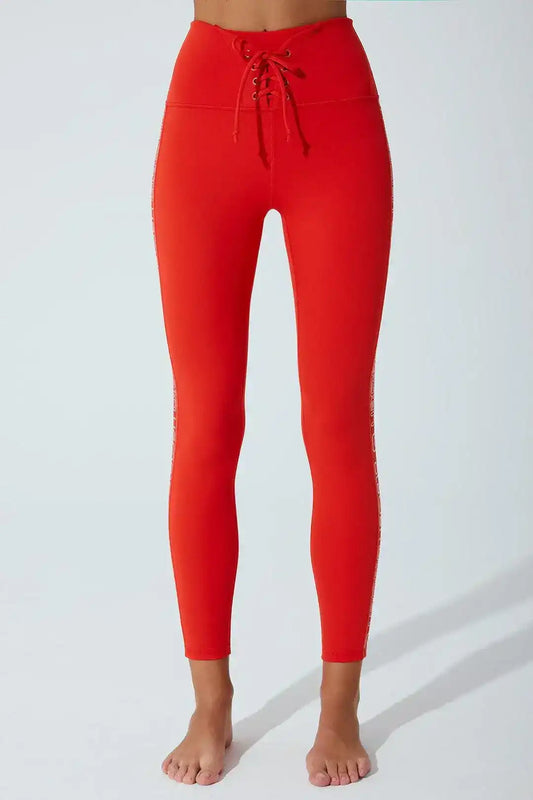
Before stepping onto your mat, take a moment to prepare both yourself and your space. Comfortable, flexible yoga clothing like soft leggings and a breathable top makes each movement easier and more enjoyable. Simple accessories such as a supportive sports bra, socks, or a light headband help you stay comfortable and focused throughout your session.
Don’t forget small essentials: a water bottle to stay hydrated, a towel, and, if needed, a sun hat or light cover for outdoor practice. Many new moms find it helpful to gather all their yoga basics in one place, from top to toe, including high-quality leggings and tops from trusted providers like Olaben, to create a seamless and comfortable practice environment.
With the right attire, accessories, and a little preparation, you can fully relax, reconnect with your body, and enjoy a safe and restorative postnatal yoga experience.