Many people begin practicing yoga after years of sitting in front of computer screens with rounded shoulders and a hunched back without even realizing it. When trying Fish Pose for the first time, the intense stretch across the chest and throat often comes as a surprise, a sign that these important areas of the body have been neglected for too long. In this article, Olaben will explore the benefits of Fish Pose in detail, provide step-by-step instructions for proper alignment, and introduce variations for different skill levels.
1. Benefits of Fish Pose in Yoga
1.1. Opens the Chest and Increases Lung Capacity
When practicing Matsyasana, the chest expands deeply along the vertical axis, something rarely achieved in many other yoga poses. This movement stretches the intercostal muscles (the muscles between the ribs), creating more space for the lungs to expand with each breath. For people who often experience chest tightness or shallow breathing, this pose can be especially beneficial.

1.2. Stimulates the Thyroid Gland and Supports Hormonal Balance
Fish Pose stretches the throat area and gently stimulates the thyroid gland, which may help regulate metabolism and support hormonal balance. In traditional yoga philosophy, the throat area is associated with the fifth chakra (Vishuddha), the energy center connected to communication and self-expression.
1.3. Relieves Back Tension and Improves Spinal Posture
The backward arch in Matsyasana counteracts the effects of prolonged forward-hunched sitting, a common posture among office workers and students. This yoga pose strengthens the upper back and neck muscles while improving overall spinal flexibility through extension.
1.4. Supports Digestion and Helps Relieve Menstrual Cramps
The stretch through the abdominal area gently massages the internal organs, which may help stimulate digestion and reduce constipation. Many women also report that regular practice of Matsyasana helps ease menstrual discomfort, likely due to improved blood circulation in the pelvic region.
1.5. Releases Emotional Tension and Reduces Anxiety
Chest-opening yoga poses are known for helping release tension stored around the shoulders and heart area. Practicing Matsyasana with deep breathing can create a sense of emotional lightness and relaxation, especially for people experiencing long-term stress.
2. Step-by-Step Guide to Practicing Fish Pose
Fish Pose does not require extreme flexibility, but proper technique is essential to avoid unnecessary pressure on the neck and spine. Below is a step-by-step guide from the basic setup to the full expression of the pose.

Step 1: Start in a Supine Position
Lie flat on your yoga mat with both legs extended straight. Rest your arms alongside your body. Slightly lift the chin to lengthen the back of the neck, this is an important preparation step to protect the cervical spine throughout the pose.
Step 2: Position the Arms Correctly
Bring your forearms slightly out to the sides and press your palms firmly into the mat. Your forearms will act as the primary support system, helping control the depth of the backbend.
Step 3: Lift the Upper Body
Press the forearms into the floor and slowly lift the chest and shoulders upward. Gently tilt the head back and lightly place the crown of the head on the mat. The head should only touch the floor lightly and should not bear significant weight.
Step 4: Distribute Weight Properly
Most of the body weight should be supported by the hips and forearms. This is where many beginners make mistakes, if you feel discomfort or compression in the neck, you are likely placing too much weight on the head instead of engaging the arms.
Step 5: Stabilize the Lower Body
Keep the legs active and grounded on the mat. The legs can remain extended straight or lightly together. Avoid lifting the hips off the floor, as stability in the lower body helps protect the lower back.
Step 6: Breathe and Hold the Pose
Take deep, steady breaths through the nose and allow the rib cage to expand naturally with each inhale. Hold the pose for 30 seconds to up to 3 minutes, depending on your comfort and experience level.
Step 7: Exit the Pose Safely
Lift the head first, never turn the head while in the pose. Then slowly lower the upper back and shoulders down one section at a time. Rest in Savasana for a few breaths before moving into the next posture.
Important Note
If you experience pain or numbness in the neck, reduce the depth of the backbend or place a folded blanket beneath the head for additional support.
3. Variations of Fish Pose
Once you feel comfortable with the basic version of Fish Pose, you can explore the following variations to either make the pose more accessible or add a greater challenge.

3.1. Supported Fish Pose (Using a Yoga Block)
This variation is ideal for beginners or people recovering from injury. Placing a yoga block beneath the upper back provides support, reduces pressure on the neck, and removes much of the strength requirement from the arms.
How to Practice
- Place a yoga block horizontally on the mat.
- Sit in front of the block and slowly recline backward so the block rests beneath the middle of the back or chest area.
- Extend both legs comfortably or keep the knees bent if that feels better for the lower back.
- Relax the arms out to the sides with the palms facing upward.
- Allow the shoulders and neck to soften naturally while breathing slowly and deeply.
- Hold the pose for 30 seconds to 2 minutes, then roll gently onto one side before sitting up slowly.
Note
Avoid dropping the head too far back. If the neck feels strained, place a folded towel or thin pillow beneath the head for extra support.
3.2. Fish Pose in Lotus Position
This variation is designed for experienced practitioners. Instead of keeping the legs extended, you first enter Padmasana before moving into the backbend. It requires significant hip and knee flexibility but creates a more stable lower-body foundation.
How to Practice
- Begin in a seated position and bring the legs into Lotus Pose (Padmasana).
- Place the hands on the floor behind the hips for support.
- Slowly lean backward and lower the forearms onto the mat.
- Lift and expand the chest while gently arching the spine.
- Lightly place the crown of the head on the mat without placing excessive weight on the neck.
- Keep the shoulders open and breathe slowly and deeply for 20–30 seconds.
- To exit the pose, press into the forearms to lift the body back up before carefully releasing the legs from Lotus Pose.
Note
Do not force the knees or hips into Lotus Position if your body is not yet flexible enough.
3.3. Extended Fish Pose
This is the most challenging variation. From the basic Fish Pose, both legs are lifted to about a 45-degree angle while the arms extend upward with the palms pressed together in Anjali Mudra. In this variation, only the hips and forearms remain in contact with the mat.
How to Practice
- Start in the basic Fish Pose position.
- Press the forearms firmly into the mat and lift the chest upward.
- Slowly raise both legs to about a 45-degree angle while keeping them straight and engaged.
- At the same time, extend both arms toward the ceiling and press the palms together in a prayer position.
- Keep the body steady, maintain smooth breathing, and engage the core muscles for balance and control.
- Hold the posture for 10–20 seconds, then slowly lower the arms and legs back down.
Note
This is an advanced variation that requires strong control of the neck, shoulders, and core muscles. Stop immediately if you feel unstable or experience neck discomfort.
4. Choosing the Right Yoga Apparel and Props – Recommendations from Olaben
One factor that is often overlooked when starting yoga is choosing the right clothing. In Fish Pose, the body arches deeply, the chest opens fully, and the back remains in close contact with the mat. Wearing unsuitable yoga clothing can feel uncomfortable, restrict movement, and even distract you during practice.
4.1. Yoga Tops
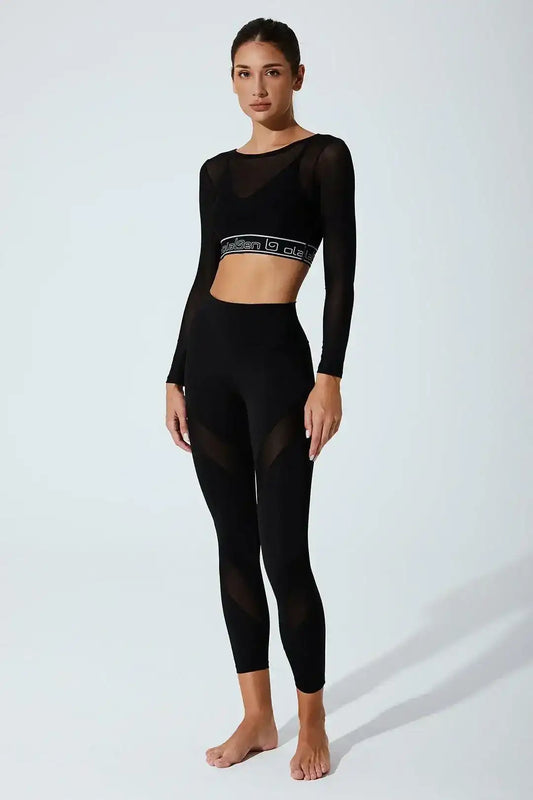
Olaben offers a variety of women’s activewear options suitable for yoga practice:
- Sports bras: Ideal for indoor yoga sessions. The shorter design keeps the waist and hips comfortable during backbends and prevents fabric from bunching up when lifting the chest.
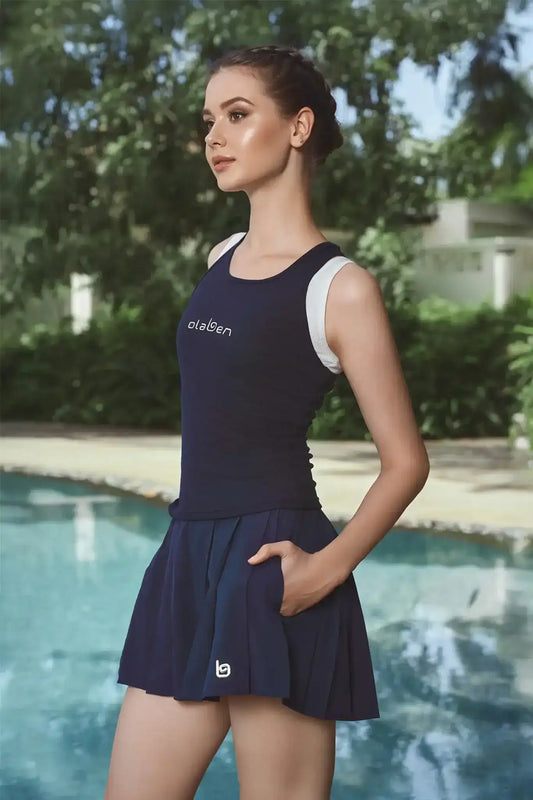
- Tank tops or short-sleeve tops: A balanced option that provides both breathability and light coverage for the arms while practicing on the mat. This is one of the most popular choices for beginner to intermediate yoga sessions.
- Long-sleeve tops: Suitable for early morning practice or air-conditioned studios. Four-way stretch fabric allows free movement during chest-opening and arm-extension poses like Matsyasana.
Choose materials that are moisture-wicking, breathable, and flexible enough to move comfortably with the body through different poses.
4.2. Yoga Bottoms
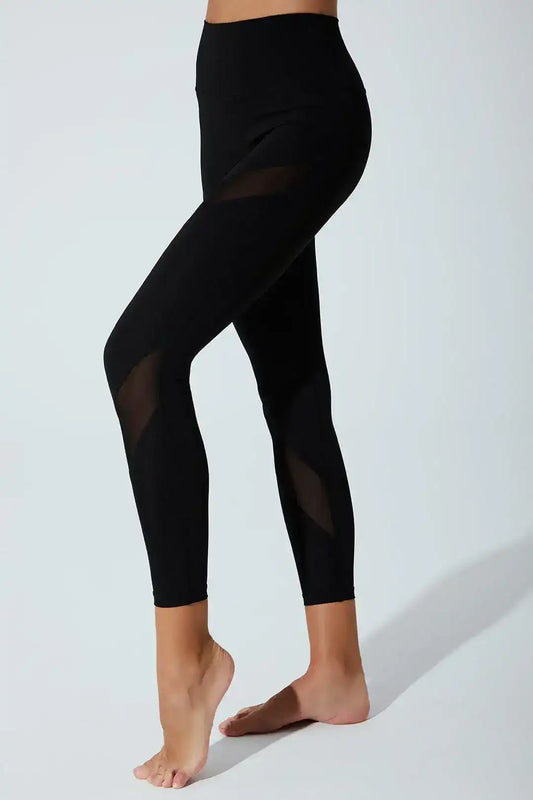
- Yoga leggings: The top choice for yoga because they stay in place during reclining and backbending movements. High-waisted leggings help stabilize the core and waist during Fish Pose.
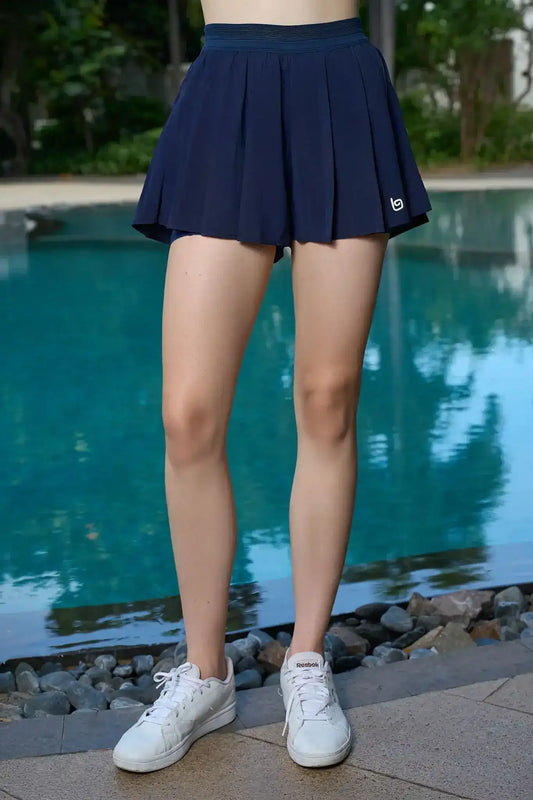
- Women’s shorts: Better suited for hot yoga or high-temperature environments where maximum comfort and ventilation are needed. However, leggings generally provide better support and control during Matsyasana.
4.3. Yoga Props and Accessories
- Yoga mat: An essential item for practice. Choose a mat with a thickness of around 4–6mm and a non-slip surface to support the forearms and head safely during the pose. Mats that are too thin may feel uncomfortable for the spine, while overly thick mats can reduce stability.
- Yoga block: Perfect for the restorative variation of Fish Pose, helping support the upper back and reduce strain during gentle backbends.
- Yoga socks: Non-slip socks can improve stability when transitioning between poses, especially on wooden or tiled floors.
- Towels and headbands: Useful for keeping sweat and hair away from the face during practice, a small detail that can make a noticeable difference in concentration.
Explore more women’s activewear collections at Olaben to find yoga outfits that match your style and training needs.
5. Important Things to Keep in Mind When Practicing Fish Pose
5.1. Who Should Avoid Matsyasana
Fish Pose may not be suitable for:
- People with neck injuries or chronic neck and lower back conditions.
- Individuals with high blood pressure, as the pose may increase blood flow toward the head.
- Those experiencing severe headaches or migraines.
5.2. Common Mistakes to Avoid
Putting Weight on the Head
This is the most serious mistake and can place unnecessary pressure on the cervical spine. Remember: the crown of the head should only lightly touch the mat, while the forearms support most of the body weight.
Practicing When Too Full or Too Hungry
A full stomach can feel uncomfortable during deep backbends, while practicing on an empty stomach may reduce energy levels. Ideally, practice at least 2–3 hours after eating.
Skipping the Warm-Up
The neck and spine should be prepared beforehand with gentle mobility exercises such as neck rolls and Cat-Cow Pose. Skipping warm-ups increases the risk of stiffness or muscle strain.
Turning the Head While Exiting the Pose
When leaving the posture, always lift the head straight upward first. Avoid turning the head to either side, as this may strain the neck vertebrae.
Conclusion
Fish Pose in yoga is more than just a backbend. It is one of the few yoga postures that simultaneously affects the respiratory system, digestion, thyroid stimulation, and emotional well-being. What many people overlook is that the effectiveness of Matsyasana depends heavily on preparation from proper warm-ups and a supportive yoga mat to comfortable, flexible activewear that allows the body to move freely.
If you are a beginner, start with the supported variation and gradually progress over time. Explore women’s activewear collections from Olaben to support your yoga journey with comfortable, movement-friendly apparel because when the body feels comfortable, the mind can fully settle into each pose.