A wide, powerful, V-tapered back isn’t built by luck, it’s built through understanding and mastering one key muscle group: the latissimus dorsi. While many people rely heavily on cable machines and specialized equipment, the truth is that you can sculpt an impressive back using nothing more than a barbell and proper technique.
In this guide, we dive deeper into how your lats function, why they play such a crucial role in both strength and aesthetics, and how you can effectively develop them with barbell-only training. You’ll also learn essential form principles from a trainer’s perspective to help you activate more muscle fibers, avoid common mistakes, and accelerate your progress.
Understanding Your Lats: Anatomy & Function
The latissimus dorsi, commonly called the lats, are among the largest and most powerful muscles in the upper body. These broad, wing-like muscles stretch from the upper arm (humerus) all the way down to the mid and lower spine, pelvis, and even the lower ribs. Because they have multiple points of attachment and cover such a large surface area, the lats play a crucial role not only in upper-body pulling strength but also in posture, core stability, and athletic performance.
When trained well, the lats are responsible for the dramatic “V-taper” shape, giving the torso width and symmetry.

Primary Functions of the Lats
- Shoulder Extension: This is the motion of pulling your arms down or backward, seen in rows, pull-ups, chin-ups, swimming strokes, and even the lockout of deadlifts. Strong lats help transfer force from the arms to the torso, making these movements more powerful.
- Adduction: Adduction brings the arms closer to the midline of the body. This action is fundamental in activities like swimming, rock climbing, grappling, and various gymnastic movements where pulling strength and body control are essential.
- Internal Rotation: Rotating the upper arm inward is critical in throwing sports, martial arts, tennis, and any athletic movement that requires rotational power or shoulder stability.
- Core & Spine Stabilization: Because the lats attach directly to the thoracolumbar fascia, spine, and pelvis, they play a major role in maintaining trunk stability. During heavy lifts such as deadlifts, squats, cleans, and snatches, the lats help brace the torso, protect the lower back, and stabilize the rib cage.
When your lats are strong, nearly every upper-body lift improves, from bench press and overhead press to pull-ups, rows, and deadlifts. Well-developed lats also enhance posture, reduce shoulder injuries, and dramatically improve overall athletic capability.
Why You Should Prioritize Lat Training
1. Better Posture & Alignment
Strong lats counteract rounded shoulders and forward-head posture, common in people who sit or work at a desk all day.
2. Enhanced Athletic Performance
Lats generate pulling force and body control, essential in:
- Swimming
- Rock climbing
- Gymnastics
- Martial arts
- CrossFit and functional fitness
3. Shoulder Joint Protection
By supporting the rotator cuff and stabilizing the shoulder, strong lats reduce the risk of impingement and overuse injuries.
4. Everyday Functional Strength
From carrying groceries to lifting objects overhead, your lats are working constantly.
5. Aesthetics: The Iconic V-Taper
Wide lats create the illusion of a smaller waist and broader shoulders, a hallmark of a balanced, athletic physique.
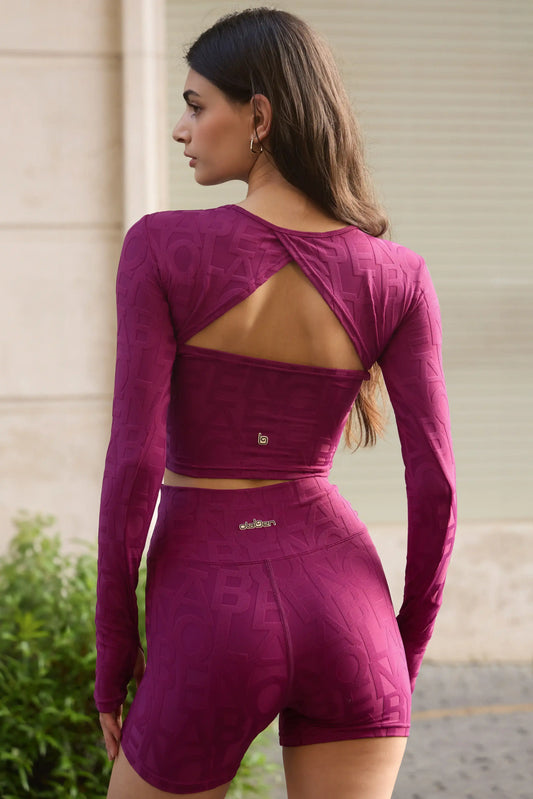
For optimal mobility and posture support during training, consider pairing your workouts with supportive sports bras, flexible leggings, and lightweight men’s tops, all designed for full range of motion.
The 6 Best Barbell Lat Exercises for a Wide Back
Below are the most effective barbell movements to build width, thickness, and pulling strength, even in a minimalist home gym.
1. Barbell Bent-Over Row
Why It Works
A foundational strength builder that hits the lats, traps, rhomboids, rear delts, hamstrings, and core all together.
How To Do It
- Stand with feet shoulder-width apart.
- Hinge at the hips until your torso is about 45°.
- Grip the bar slightly wider than shoulder width.
- Pull the bar toward your lower abdomen using your elbows.
- Lower under control.
Trainer Tips
- Keep elbows close to the torso.
- Engage your core to avoid rounding your back.
- Slower eccentrics = more tension on the lats.

2. Seal Row
Why It Works
Eliminates momentum for pure, strict lat isolation, perfect for individuals who tend to “cheat” rows.
How To Do It
- Lie face-down on an elevated bench.
- Hold the barbell with a shoulder-width grip.
- Row toward your lower ribs.
- Lower slowly.
Trainer Tips
- A cambered bar increases range of motion.
- Keep your glutes and abs braced.
- Aim for full extension at the bottom.

3. T-Bar Row (Barbell Landmine Setup)
Why It Works
A blend of machine-like stability and free-weight strength, ideal for lifting heavy.
How To Do It
- Anchor one end of a barbell.
- Load plates on the other end.
- Straddle the bar and hinge forward.
- Pull toward your chest using your elbows.
- Lower slowly.
Trainer Tips
- Use 70–80% of your 1RM for hypertrophy.
- Keep your chest up and shoulder blades tight.

4. Barbell Pendlay Row
Why It Works
Explosive, strict, and powerful. Each rep starts from the floor, maximizing force and lat activation.
How To Do It
- Start with the bar on the ground.
- Grip wider than shoulder width.
- Keep torso around 30°.
- Pull explosively toward the chest.
- Reset each rep.
Trainer Tips
- Don’t lift your torso during the pull.
- Use as an accessory lift (not a max-strength movement).

5. Underhand Bent-Over Row (Supinated Grip)
Why It Works
More elbow-in pulling and bicep involvement = deeper lat contraction.
How To Do It
- Set up as a bent-over row.
- Grip the bar with palms facing up.
- Pull elbows tightly to your ribs.
Trainer Tips
- Avoid flared elbows.
- Slow the eccentric for maximum activation.
-
Rep schemes:
- Strength: 4 × 6
- Hypertrophy: 3–4 × 10
- Endurance: AMRAP

6. Barbell Suitcase Row
Why It Works
A unilateral power movement that demands anti-rotation stability, great for athletes and functional lifters.
How To Do It
- Stand beside the barbell.
- Hinge and grab the center of the bar.
- Row like lifting a suitcase.
- Keep core tight to prevent twisting.
Trainer Tips
- Fight rotation, core should remain square.
- Keep the bar path straight.
- Great for improving balance and oblique strength.

Sample Barbell-Only Lat Workout (Intermediate)
This routine is designed to build width, thickness, and pulling power using only a barbell. It targets every part of the lats while also engaging the traps, rhomboids, lower back, and core for complete upper-body development.
|
Exercise |
Sets |
Reps |
|
Pendlay Row |
4 |
5–8 |
|
T-Bar Row (Landmine) |
4 |
8–10 |
|
Underhand Bent-Over Row |
3 |
10–12 |
|
Seal Row |
3 |
8–12 |
|
Suitcase Row |
2 |
12/side |
Rest: 90–120 seconds between sets.
Training Frequency: Perform this workout 1–2 times per week for optimal growth.
Final Tips for Maximum Lat Growth
To maximize your lat development during heavy back sessions, combine proper technique with the right training apparel. Good form, controlled movement, and unrestricted mobility all play a crucial role in achieving consistent progress.
Key Training Principles:
- Keep your elbows close to your body to maximize lat engagement.
- Initiate every pull with your back muscles, not your arms.
- Slow down and control the eccentric phase for better muscle growth.
- Increase weight gradually to avoid breakdowns in form.
- Train your lats twice per week for optimal progress.
Choose men’s gym apparel that supports performance. Because the lat muscles play a crucial role for men, choosing the right training apparel is essential. Breathable, stretchy, and supportive workout gear helps maintain proper posture, maximize range of motion, and stay comfortable even during the most intense sets.
With the right form and performance-focused apparel, every rep becomes more efficient, driving better lat activation, cleaner movement patterns, and superior long-term results.
Conclusion
You don’t need machines to build a wide, powerful back. With just one barbell, smart programming, and consistent effort, you can sculpt a stronger, thicker, and more aesthetic V-taper.
Pair your training with supportive, high-performance outfits from Olaben with the men’s gym clothes, to enhance comfort, confidence, and overall workout quality.
Train smart. Lift heavy. Wear confidently. Your best back is coming.