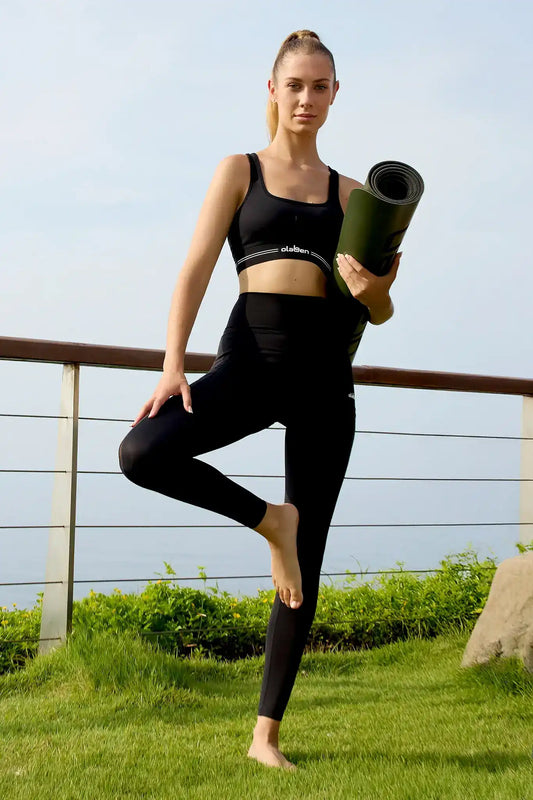
Whether you are looking to improve fitness, reduce stress, build strength, or simply bring more energy into your routine, dynamic yoga offers a balanced practice that supports both physical and mental wellbeing. From flowing Sun Salutations to strength-focused sequences and breath-led movement, dynamic yoga can be both energizing and deeply grounding at the same time.
Let’s explore what dynamic yoga is, its benefits, common poses, and how beginners can start practicing safely and confidently.
What Is Dynamic Yoga?
Dynamic yoga is a movement-based yoga style that links postures together in a smooth, continuous flow synchronized with the breath. Instead of holding poses for long periods, practitioners transition from one posture to another with controlled movement and mindful breathing.
This style is often associated with:
- Vinyasa Yoga
- Power Yoga
- Strength-based yoga sequences

Dynamic yoga blends traditional yoga principles with more modern movement patterns inspired by martial arts, functional fitness, and flowing meditation practices. The focus is not only on flexibility, but also on strength, balance, endurance, coordination, and breath awareness.
Although dynamic yoga can feel physically challenging, it also emphasizes mindfulness, body awareness, and relaxation through breath-controlled movement.
Benefits of Dynamic Yoga
Dynamic yoga offers a wide range of physical and mental health benefits when practiced consistently.
-
Improves Strength and Muscle Tone
Because dynamic yoga combines bodyweight resistance with continuous flowing movement, it helps strengthen multiple muscle groups throughout the body, including the core, legs, glutes, arms, shoulders, and back muscles. Poses such as Plank, Warrior II, Chair Pose, and Boat Pose challenge muscular endurance, stability, and balance while improving overall body control and posture.
-
Enhances Flexibility and Mobility
The combination of flowing movement and stretching in dynamic yoga helps improve joint mobility, muscle flexibility, range of motion, and spinal mobility. Unlike static stretching alone, dynamic yoga encourages the body to build flexibility while simultaneously developing strength, stability, and better overall movement control.
-
Supports Cardiovascular Health
Faster-paced dynamic yoga styles may slightly raise the heart rate, helping improve circulation, support heart health, increase stamina, and boost overall energy levels. Flowing sequences such as Sun Salutations create a light cardiovascular workout while still maintaining mindfulness, breath awareness, and full-body movement coordination.
-
Reduces Stress and Anxiety
Breath-led movement in dynamic yoga helps calm the nervous system, reduce mental tension, and create a stronger connection between the body and mind. Many practitioners report feeling more relaxed, mentally clear, emotionally balanced, and less anxious after practice. Mindful breathing techniques such as yoga breathing can also improve focus, concentration, and overall relaxation throughout the flow.
Common Dynamic Yoga Poses
Dynamic yoga combines many traditional yoga poses into flowing sequences. Some of the most common postures include:
-
Sun Salutation (Surya Namaskar)
Sun Salutations are one of the most well-known dynamic yoga sequences for warming up the body and building energy. This flowing sequence helps improve circulation, coordinate breath with movement, and gradually create heat throughout the body. A typical Sun Salutation often includes poses such as Mountain Pose, Forward Fold, Plank, Upward-Facing Dog, and Downward Dog linked together in a continuous, breath-led flow.
-
Warrior II (Virabhadrasana II)
Warrior II is a foundational dynamic yoga pose that strengthens the lower body while improving stamina, balance, and mental focus. Regular practice can help build stronger legs and glutes, improve posture and stability, increase physical endurance, and support better concentration throughout movement and breathwork.
-
Tree Pose (Vrksasana)
Tree Pose (Vrksasana) is a balancing posture that helps improve stability, focus, coordination, and core strength. Practicing this pose regularly can enhance body awareness and mindfulness while training the body to stay steady, centered, and connected to the breath.
-
Dynamic Core Flow
Dynamic yoga often incorporates flowing core sequences that include plank variations, Boat Pose, twisting movements, and controlled transitions between poses. These exercises help strengthen the abdominal muscles, improve core endurance, and support better spinal stability while keeping the body active and engaged throughout the practice.

How to Start Dynamic Yoga Safely
Start Slowly
If you are new yogi to dynamic yoga, starting slowly can help the body adapt more safely to continuous movement and flowing transitions. Instead of focusing on advanced poses, beginners should prioritize building a strong foundation and learning how to move with control and awareness.
Focus on:
- Proper alignment
- Breath control
- Smooth movement
- Consistency
Over time, gradual practice can help improve strength, flexibility, balance, and confidence without overwhelming the body.
Modify When Needed
Dynamic yoga can be adjusted for different fitness levels, mobility needs, and experience levels. Using sport accessories does not make the practice “easier”, it simply helps create safer and more comfortable movement patterns while the body builds strength and flexibility.
Use:
- Yoga blocks
- Straps
- Cushions
- Bent knees
These supportive modifications can help reduce unnecessary strain on the joints and make poses more accessible during practice.
Focus on the Breath
Breath awareness is one of the most important elements of dynamic yoga. Movements are often connected to each inhale and exhale, helping create a steady and mindful flow throughout the session.
Breathing should remain:
- Smooth
- Controlled
- Relaxed
Avoid rushing movements, holding the breath, or forcing stretches, as this may create tension instead of relaxation and stability.
Listen to Your Body
Dynamic yoga should feel energizing and appropriately challenging, but it should never cause sharp pain or excessive discomfort. Everybody feels different from day to day, so learning to recognize personal limits is an important part of long-term practice. Listening to the body helps reduce injury risk while supporting more sustainable progress over time.
Practice Consistently
Consistency is often more beneficial than practicing intensely once in a while. Practicing 15-20 minutes daily or 3-4 longer sessions weekly can help improve long-term strength, flexibility, endurance, mobility, and overall energy levels while creating a more sustainable yoga routine.
Creating a Comfortable Dynamic Yoga Practice
Because dynamic yoga involves continuous movement, stretching, balancing, and flowing transitions, wearing comfortable clothing can help make practice feel smoother and more enjoyable. Breathable fabrics and flexible activewear help support easier movement while also keeping the body comfortable during more active sequences.
Consider choosing:
- Supportive sports bras
- Lightweight women’s athletic shorts
- Women’s short-sleeved sports shirts
- Flexible leggings, sports skirts or women's sports dress
- A light women’s sports jacket for warm-ups or cooler sessions
Many practitioners prefer comfortable yoga clothes from Olaben to support freedom of movement, breathability, and flexibility throughout dynamic yoga practice.

Wrapping Up
Dynamic yoga is an energizing and versatile yoga style that combines movement, breath, strength, flexibility, and mindfulness into one flowing practice. Whether your goal is improving fitness, reducing stress, building endurance, or enhancing body awareness, dynamic yoga offers a balanced and accessible approach for many experience levels.
From Sun Salutations and Warrior poses to flowing core work and mindful breathing, dynamic yoga helps create a stronger connection between the body and mind while improving overall wellbeing. With consistent practice, even short dynamic yoga sessions can help increase energy, improve flexibility, support cardiovascular health, and encourage greater mental clarity both on and off the mat.